How Deep Is Ngorongoro Crater
July 11, 2026
Is Ngorongoro Crater Worth Visiting
July 11, 2026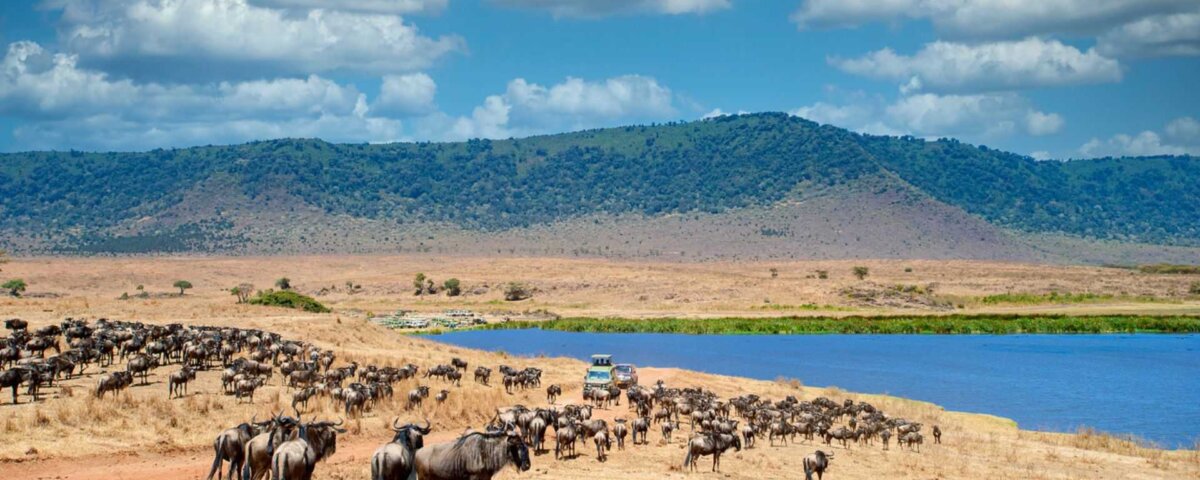
How Many Animals Live in Ngorongoro
The Ngorongoro Conservation Area is one of Africa’s most remarkable wildlife destinations, attracting visitors from around the world who want to experience nature at its finest. Many travelers ask how many animals live in Ngorongoro because they want to understand why this UNESCO World Heritage Site is considered one of the best places for a safari in Tanzania. The answer is impressive. The Ngorongoro Crater supports an estimated more than 25,000 large animals, creating one of the highest concentrations of wildlife anywhere in Africa. From powerful lions and giant elephants to graceful zebras and endangered black rhinos, the crater offers extraordinary wildlife viewing throughout the year.
Unlike many other ecosystems where animals migrate over long distances, Ngorongoro’s unique volcanic landscape provides permanent water, fertile grasslands, forests, swamps, and lakes that support wildlife in every season. This rich environment allows many species to remain inside the crater all year, giving visitors outstanding opportunities to observe animals during every safari.
Beyond its famous crater, the wider Ngorongoro Conservation Area covers thousands of square kilometers and supports even greater biodiversity. Wildlife shares this landscape with the Maasai people, creating a unique conservation model where people and nature exist together while protecting one of Africa’s greatest natural treasures.
Visitors often ask how many animals live in Ngorongoro because understanding the area’s incredible wildlife population helps them appreciate why this destination ranks among Africa’s finest safari locations.
At Giant Holiday Safaris, we proudly introduce travelers to this extraordinary destination through carefully planned safari experiences that combine exceptional wildlife viewing, expert guiding, and unforgettable memories.
Why Ngorongoro Has So Many Animals
Ngorongoro’s incredible wildlife population exists because of its unique geography and healthy ecosystem. The Ngorongoro Crater formed millions of years ago after a massive volcanic eruption caused the volcano to collapse inward, creating the world’s largest intact volcanic caldera. Today, this natural basin provides an ideal environment where animals can find food, water, and shelter throughout the year.
The crater floor contains open grasslands, freshwater springs, seasonal wetlands, forests, and Lake Magadi, creating diverse habitats that support many different species. Grazing animals such as zebras, wildebeests, buffaloes, gazelles, and elands feed on the rich grasses, while predators thrive because prey remains abundant.
Permanent water sources play an equally important role. Unlike many areas that become dry during certain seasons, Ngorongoro continues providing water even during the driest months. This reliable water supply encourages wildlife to remain inside the crater instead of moving elsewhere in search of resources.
Natural protection also contributes to the area’s success. The steep crater walls help create a relatively stable environment where many animals spend most of their lives. Although some species occasionally move in and out of the crater, large resident populations remain throughout the year.
Strong conservation efforts further protect wildlife. Park authorities, conservation organizations, researchers, and local communities work together to safeguard habitats, reduce illegal hunting, and monitor endangered species. These combined efforts have helped maintain Ngorongoro as one of Africa’s richest wildlife ecosystems.
Learning how many animals live in Ngorongoro also highlights the importance of protecting this unique ecosystem, where wildlife continues to thrive thanks to rich habitats and ongoing conservation efforts.
The Most Common Animals in Ngorongoro Crater
The Ngorongoro Crater is home to an extraordinary variety of mammals, making every safari exciting from the moment visitors enter the conservation area. Large herbivores dominate the landscape, creating impressive wildlife scenes throughout the day.
Wildebeests rank among the most common animals inside the crater. Large herds graze across the open plains alongside thousands of zebras, which often feed together because each species grazes differently, allowing them to share the same grasslands efficiently.
African buffaloes also thrive in Ngorongoro. Massive herds move slowly across the crater floor, frequently gathering near wetlands and freshwater areas. Their size and strength make them one of Africa’s most respected animals.
Elephants remain another favorite attraction. Although the crater does not contain enormous elephant herds like some national parks, it is famous for older bull elephants with exceptionally large tusks. These magnificent giants often move through forested areas and provide unforgettable wildlife encounters.
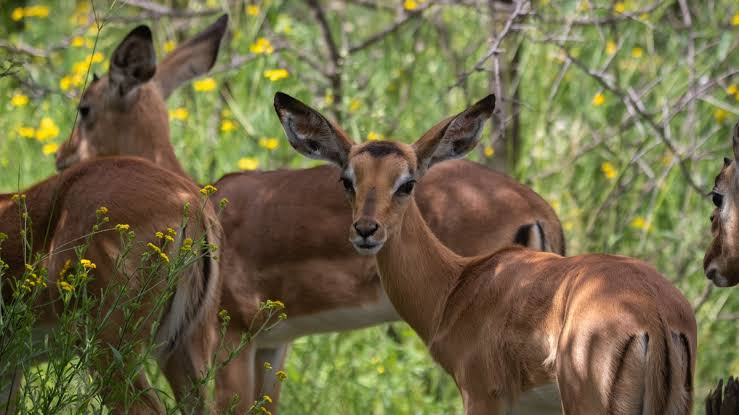
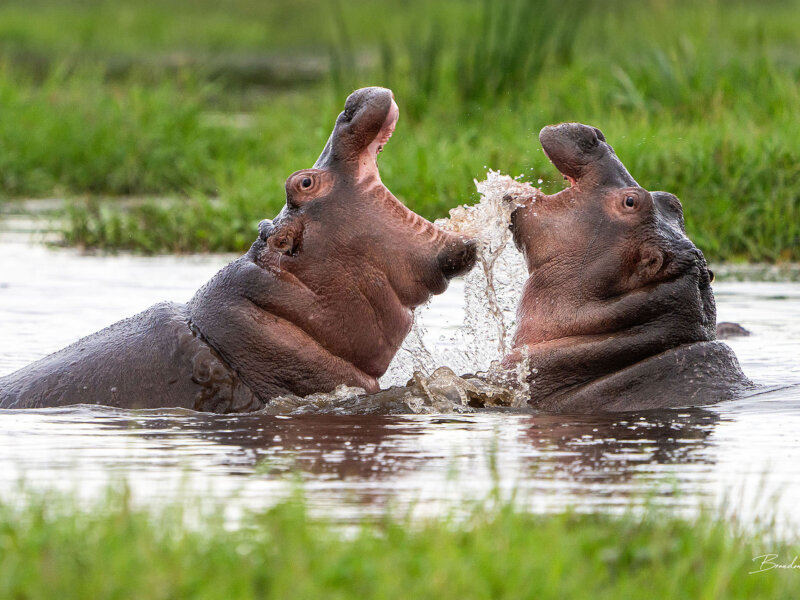
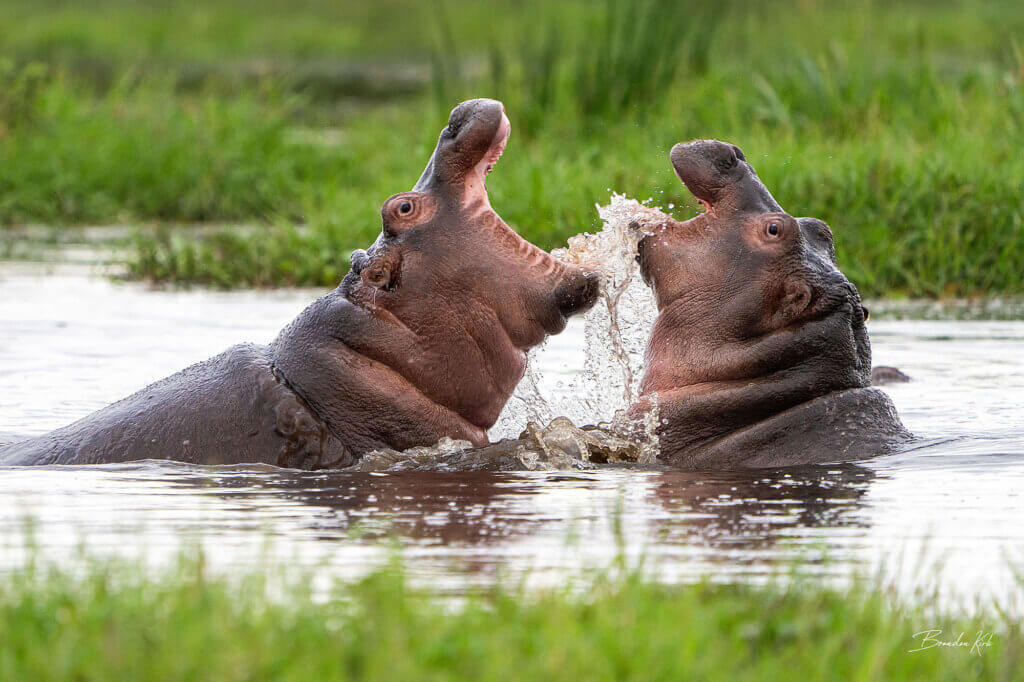
Gazelles, warthogs, elands, waterbucks, and reedbucks contribute even greater diversity to the crater ecosystem. Hippos spend much of the day resting in pools before becoming more active during cooler hours.
Predators maintain healthy population balances within this ecosystem. Lions live permanently inside the crater, creating one of the highest lion densities in Africa. Spotted hyenas also thrive here, while jackals frequently patrol the grasslands searching for opportunities.
Every game drive reveals different combinations of wildlife, making each safari unique. At Giant Holiday Safaris, our knowledgeable guides understand animal behavior and know where to find remarkable sightings throughout every season.
Rare and Endangered Wildlife in Ngorongoro
While Ngorongoro supports thousands of common wildlife species, it also protects several rare and endangered animals that make every safari even more special. For many visitors, spotting these remarkable creatures becomes one of the highlights of their Tanzanian adventure.
The endangered black rhino stands among Ngorongoro’s greatest conservation success stories. This magnificent species has disappeared from many parts of Africa because of illegal hunting, but careful protection has allowed a small breeding population to survive within the crater. Although sightings require patience and a bit of luck, Ngorongoro remains one of the best places in Tanzania to see black rhinos in their natural habitat.
Leopards also live within the conservation area, although they remain far more elusive than lions. These solitary cats spend much of their time resting in trees or hidden among dense vegetation, making each sighting especially rewarding.
Serval cats occasionally appear in open grasslands where they hunt rodents and birds. Their long legs and remarkable jumping ability allow them to catch prey with incredible precision.
Cheetahs sometimes visit the wider Ngorongoro Conservation Area, especially the surrounding plains, although they appear less frequently inside the crater because dense predator populations create strong competition.
Birds of prey also include several impressive species such as martial eagles, crowned eagles, and African hawk eagles. These powerful hunters contribute to the ecosystem’s remarkable biodiversity.
Conservation teams continuously monitor these vulnerable populations while implementing programs that protect habitats, reduce human-wildlife conflict, and strengthen long-term survival.
At Giant Holiday Safaris, our guides understand the habits of these rare animals and maximize every opportunity to help guests observe them responsibly while respecting wildlife and conservation guidelines.
Birdlife That Makes Ngorongoro Rich in Biodiversity
Although many visitors focus on large mammals, Ngorongoro also offers outstanding birdwatching opportunities. More than 500 bird species have been recorded within the conservation area, making it one of East Africa’s finest birding destinations.
Lake Magadi, located on the crater floor, regularly attracts thousands of flamingos that feed on algae growing in the shallow alkaline waters. Their bright pink colors create one of Ngorongoro’s most beautiful natural scenes, especially during favorable water conditions.
Large birds such as ostriches, crowned cranes, secretary birds, kori bustards, and saddle billed storks roam the open grasslands, while forests provide shelter for colorful turacos, hornbills, barbets, and sunbirds.
Birds of prey remain especially impressive. Visitors often observe vultures soaring above the crater, waiting for opportunities to feed after predator hunts. Eagles, falcons, and hawks also patrol the skies throughout the day.
The green season brings even greater bird diversity as migratory species arrive from Europe, Asia, and other parts of Africa. During this period, birdwatchers enjoy exceptional opportunities to observe colorful breeding plumage and fascinating nesting behavior.
Even travelers who do not consider themselves bird enthusiasts often discover a new appreciation for Ngorongoro’s remarkable avian diversity after spending time with experienced safari guides who explain bird identification, behavior, and ecological importance.
At Giant Holiday Safaris, we believe every safari should celebrate the complete richness of Ngorongoro’s ecosystem. Our guides introduce guests to both iconic mammals and extraordinary birdlife, creating a balanced wildlife experience that showcases the true beauty and diversity of this world-famous conservation area.
How Wildlife Changes Throughout the Year in Ngorongoro
One of the greatest advantages of visiting Ngorongoro is that wildlife viewing remains excellent in every season. Although the number of resident animals stays relatively stable throughout the year, seasonal weather influences animal behavior, vegetation, and the overall safari experience.
During the dry season, which usually lasts from June to October, grasses become shorter and water sources become more important gathering places for wildlife. As a result, animals are easier to spot across the crater floor. Lions rest in open areas, elephants travel between forests and grasslands, while buffaloes, zebras, wildebeests, and gazelles feed together across the plains. These conditions create outstanding opportunities for photography because visitors enjoy clear skies, bright sunlight, and excellent visibility.
The green season, which generally runs from November to May, transforms Ngorongoro into a lush landscape filled with fresh vegetation and colorful wildflowers. Rainfall encourages new plant growth, providing abundant food for herbivores while attracting many migratory bird species. Although taller grass may make some animals slightly harder to locate, the crater continues to support thousands of resident mammals throughout the year.
Predators remain active during every season because prey animals never leave the crater in large numbers. Lions, spotted hyenas, jackals, and other carnivores continue hunting throughout the year, ensuring exciting wildlife encounters regardless of your travel dates.
Each season offers unique advantages, and no single month guarantees a better safari than another. At Giant Holiday Safaris, we carefully plan every itinerary according to seasonal conditions so guests enjoy the best possible wildlife viewing during their visit.
Conservation Efforts That Protect Animals in Ngorongoro
The remarkable wildlife found in Ngorongoro today exists because of decades of dedicated conservation work. Protecting thousands of animals requires cooperation between conservation authorities, scientists, local communities, tourism operators, and visitors who all share responsibility for preserving this extraordinary ecosystem.
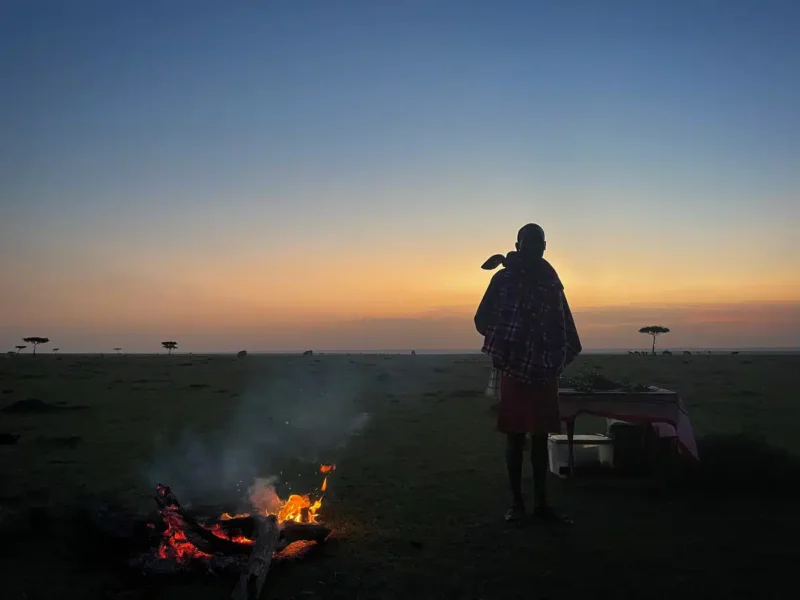
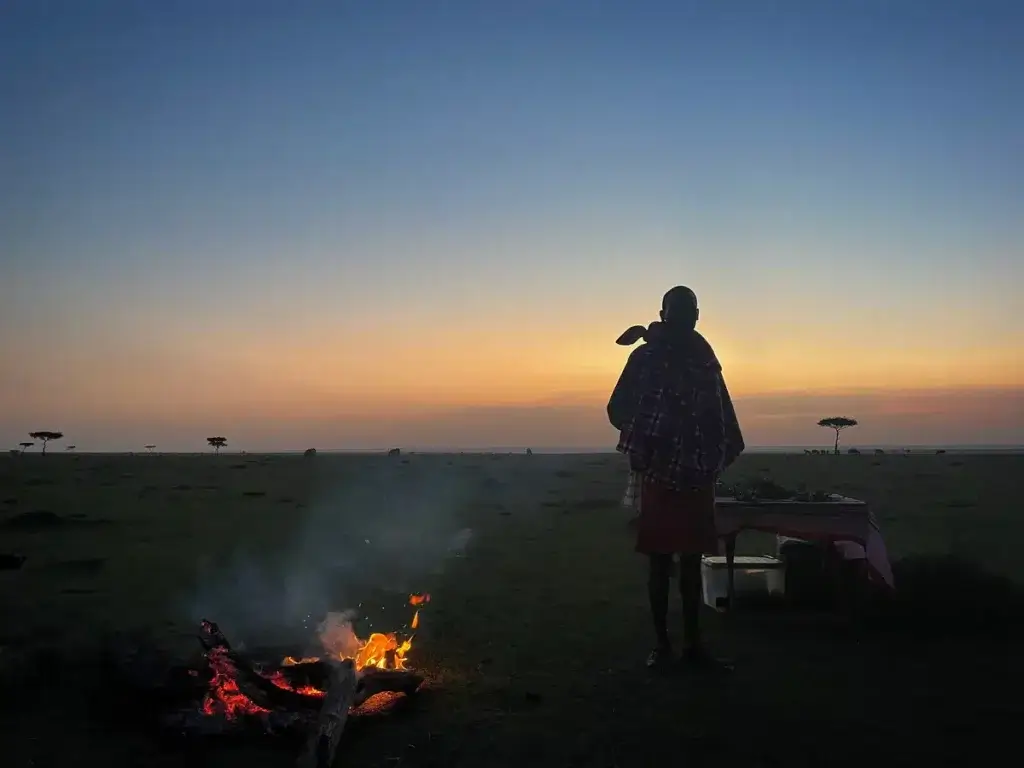
The Ngorongoro Conservation Area follows a unique conservation model that allows wildlife and the Maasai people to live together while protecting natural habitats. This balance supports traditional pastoral lifestyles while maintaining one of Africa’s richest wildlife environments.
Wildlife monitoring programs help researchers understand animal populations, migration patterns, breeding success, and habitat changes. Regular surveys provide valuable information that guides conservation decisions and ensures vulnerable species receive appropriate protection.
Special attention focuses on endangered black rhinos. Anti-poaching patrols, continuous monitoring, and strict conservation measures have helped protect one of Tanzania’s most valuable rhino populations. Every successful rhino birth represents an important achievement for wildlife conservation.
Tourism also contributes directly to conservation. Park entrance fees support habitat management, road maintenance, scientific research, ranger training, and community development projects that encourage sustainable conservation practices.
Responsible travelers play an important role as well. Following guide instructions, respecting wildlife, avoiding littering, and maintaining safe viewing distances all help protect animals while preserving the natural environment for future generations.
Tips for Seeing More Animals During Your Safari
Although Ngorongoro offers excellent wildlife viewing throughout the year, a few simple strategies can help visitors maximize every game drive and increase the chances of unforgettable sightings.
Starting your safari early in the morning often provides the best opportunities. Many animals become most active shortly after sunrise when temperatures remain cool. Predators may still be hunting, while herbivores feed peacefully before the heat of the day increases.
Traveling with an experienced guide makes a tremendous difference. Professional guides understand animal behavior, recognize fresh tracks, communicate with other guides, and know where wildlife is most likely to be found. Their local knowledge transforms an ordinary game drive into an educational and exciting experience.
Patience also rewards safari visitors. Wildlife follows natural patterns rather than fixed schedules, so allowing enough time during each game drive often leads to remarkable discoveries. Remaining quiet while observing animals also reduces disturbance and allows more natural behavior to unfold.
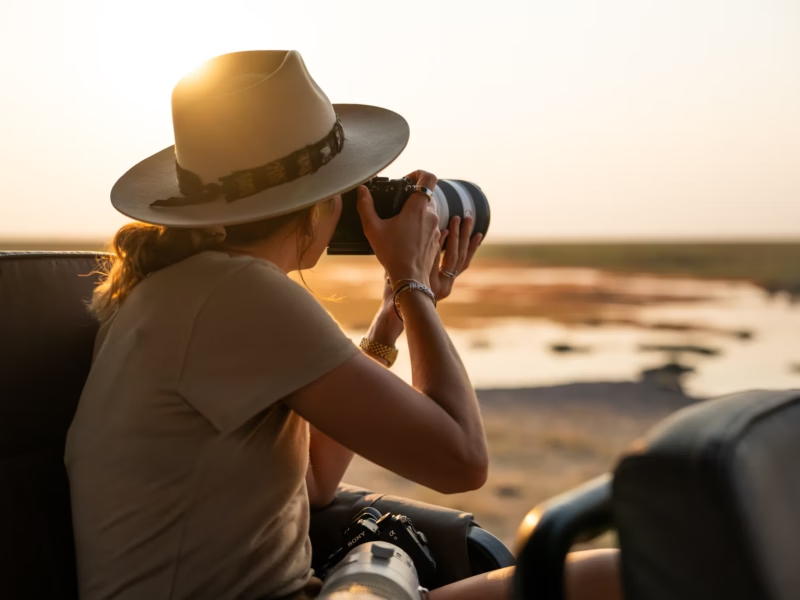
Bringing binoculars enhances the experience by allowing visitors to observe distant animals and birds in greater detail. A camera with a zoom lens also helps capture memorable wildlife photographs without disturbing the animals.
As you explore the crater with an experienced guide, you will quickly understand how many animals live in Ngorongoro because wildlife appears across the grasslands, forests, wetlands, and lakes throughout the day.
Choosing a longer safari itinerary provides even greater opportunities for exceptional sightings. Spending several days exploring Ngorongoro and nearby parks increases the variety of animals encountered while allowing visitors to experience changing landscapes and weather conditions.
Why Choose Giant Holiday Safaris
Choosing the right safari company greatly influences the quality of your Ngorongoro adventure. Giant Holiday Safaris combines local expertise, personalized service, and carefully designed itineraries to create unforgettable wildlife experiences for travelers from around the world.
Our safari specialists understand the Ngorongoro ecosystem in every season. We recommend travel dates, accommodations, and safari routes based on wildlife activity, weather conditions, and each guest’s individual interests. This personalized approach ensures every traveler enjoys the most rewarding safari possible.
Our experienced guides possess extensive knowledge of wildlife behavior, conservation, local culture, and the unique history of the Ngorongoro Conservation Area. They help guests understand the fascinating relationships between animals, landscapes, and ecosystems while making every game drive enjoyable and educational.
We work with carefully selected lodges and camps that provide excellent comfort, outstanding hospitality, and responsible environmental practices. Many of our accommodation partners actively support conservation projects and nearby communities, helping protect Tanzania’s extraordinary natural heritage.
Transparency, reliability, and customer satisfaction remain central to every safari we organize. From your first inquiry until the final day of your journey, our dedicated team provides expert guidance, honest travel advice, and professional support to ensure your safari exceeds expectations.
Whether you are visiting Tanzania for the first time, planning a family holiday, celebrating a honeymoon, or pursuing wildlife photography, Giant Holiday Safaris delivers unforgettable experiences that showcase the very best of Ngorongoro.
How Many Animals Live in Ngorongoro and Why It Is One of Africa’s Greatest Wildlife Destinations
If you have been wondering how many animals live in Ngorongoro, the answer highlights exactly why this remarkable destination continues attracting nature lovers from every corner of the world. With an estimated more than 25,000 large mammals living inside the Ngorongoro Crater alone, together with hundreds of bird species and countless smaller animals, the conservation area offers one of the richest wildlife experiences anywhere in Africa.
Its unique volcanic landscape, reliable water sources, fertile grasslands, forests, and ongoing conservation efforts create ideal conditions that support wildlife throughout every season. Visitors enjoy exceptional opportunities to observe lions, elephants, buffaloes, zebras, wildebeests, flamingos, hippos, hyenas, and even the endangered black rhino within a relatively compact area.
Beyond the incredible number of animals, Ngorongoro offers breathtaking scenery, fascinating cultural heritage, and an unforgettable connection with nature. Every game drive reveals new discoveries, making each visit unique regardless of the season.
At Giant Holiday Safaris, we proudly help travelers experience the extraordinary beauty of Ngorongoro through carefully planned safari adventures that combine expert guiding, comfortable accommodations, responsible tourism, and exceptional wildlife viewing.
When asking how many animals live in Ngorongoro, the numbers tell only part of the story. The true magic lies in witnessing this thriving ecosystem firsthand, where thousands of animals live together in one of the world’s most spectacular natural landscapes, creating memories that will remain with you for a lifetime.
Combined Uganda, Kenya, Rwanda and Tanzania Safaris
17 days Kenya Tanzania and Uganda safari
19 Days Uganda Kenya and Tanzania Safari
16 Days Kenya Tanzania and Uganda Safari
14 Days Kenya Uganda and Tanzania Safari
14 Days Kenya Uganda and Rwanda Safari