What Animals Can I See in Ngorongoro
July 13, 2026
What Is Luxury Ngorongoro Safari
July 13, 2026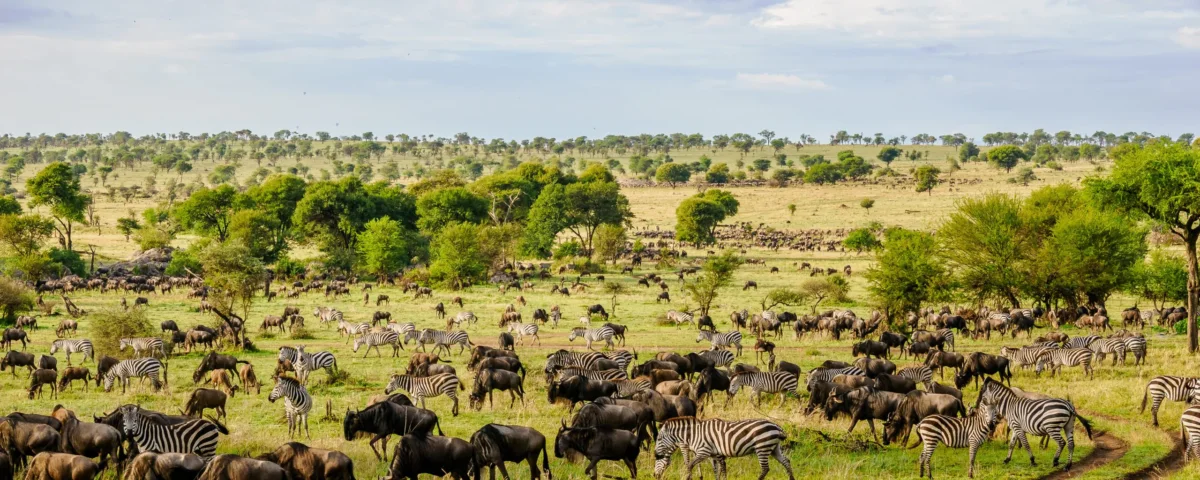
How Far Is Ngorongoro from Serengeti
Many travelers planning a Tanzania safari often ask, how far is Ngorongoro from Serengeti? These two world-famous safari destinations are located close enough to combine into one unforgettable adventure, making them the centerpiece of the northern Tanzania safari circuit. While the exact distance depends on which part of Serengeti National Park you plan to visit, the journey between Ngorongoro Conservation Area and Serengeti is both convenient and incredibly rewarding. Instead of simply traveling from one destination to another, visitors enjoy a scenic drive through spectacular landscapes filled with wildlife, rolling grasslands, volcanic highlands, and breathtaking viewpoints.
Ngorongoro Crater and Serengeti complement each other perfectly because each destination offers unique safari experiences. Ngorongoro is famous for its high concentration of resident wildlife within the world’s largest intact volcanic caldera, while Serengeti is celebrated for its endless plains, diverse ecosystems, and the spectacular Great Migration. Together, they create one of Africa’s most complete wildlife adventures.
Understanding how far is Ngorongoro from Serengeti helps travelers build realistic safari itineraries that maximize wildlife viewing while minimizing unnecessary travel time. Whether you are visiting for a few days or planning an extended East African safari, combining these two iconic destinations allows you to experience the very best of Tanzania’s natural beauty, remarkable biodiversity, and unforgettable landscapes. With proper planning and guidance, the journey becomes just as memorable as the destinations themselves.
How Far Is Ngorongoro from Serengeti by Road
The distance between Ngorongoro Conservation Area and Serengeti National Park varies depending on the entrance gate and the area of Serengeti you plan to visit. For most safari travelers, the journey begins at the Ngorongoro Crater rim before continuing northwest toward the Naabi Hill Gate, which serves as the main southern entrance to Serengeti National Park. The driving distance is approximately 145 kilometers (90 miles), although travel distances become longer if your itinerary continues deeper into Central, Western, or Northern Serengeti.
Although the distance may appear relatively short on a map, safari travel focuses on enjoying the experience rather than reaching the destination quickly. Roads pass through beautiful highlands, open plains, and wildlife-rich conservation areas where unexpected animal sightings frequently occur. Along the route, visitors may encounter zebras grazing near the roadside, giraffes walking across the plains, elephants feeding in the distance, or colorful bird species adding life to the surrounding landscape.
The road connecting Ngorongoro and Serengeti is well established for safari vehicles, making it one of the most popular travel routes in Tanzania. Professional safari guides know the area exceptionally well and often pause at scenic viewpoints or wildlife sightings, allowing guests to appreciate the remarkable scenery while learning about local ecosystems, conservation efforts, and animal behavior.
For guests traveling with Giant Holiday Safaris, the journey is carefully planned to balance comfortable travel with meaningful wildlife experiences. Experienced guides ensure that every stop adds value to your safari while allowing you to fully appreciate the incredible natural beauty found between these two legendary destinations.
How Long Does It Take to Travel Between Ngorongoro and Serengeti
After learning how far is Ngorongoro from Serengeti, many travelers naturally want to know how long the journey takes. In most cases, the drive from the Ngorongoro Crater area to the southern entrance of Serengeti National Park takes approximately three to four hours. However, the actual travel time depends on your itinerary, road conditions, weather, wildlife sightings, and the specific region of Serengeti you plan to visit.
Unlike ordinary road trips, a Tanzania safari is not about reaching your destination as quickly as possible. Every part of the journey offers opportunities to discover new landscapes and observe wildlife. Safari guides often slow down or stop when animals appear near the road, allowing guests to enjoy unforgettable sightings and capture beautiful photographs. As a result, many travelers find that the drive feels much shorter because there is always something interesting to see.
Because there is so much to enjoy along the route, experienced tour operators avoid rushing the journey. Instead, they create flexible schedules that allow guests to appreciate both destinations while making the drive enjoyable and relaxing. Travelers with Giant Holiday Safaris benefit from carefully planned itineraries that combine comfortable travel, expert guiding, and well-timed stops to maximize wildlife viewing and sightseeing.
Understanding how far is Ngorongoro from Serengeti and how long the drive takes helps visitors plan a realistic itinerary with confidence. Rather than viewing the road as time spent between parks, many travelers discover that the journey itself becomes one of the most memorable parts of their Tanzania safari, filled with beautiful scenery, fascinating wildlife, and exciting moments around every corner.
What You Will See Along the Journey Between Ngorongoro and Serengeti
Traveling between Ngorongoro Conservation Area and Serengeti National Park is much more than a transfer from one destination to another. The journey itself becomes an exciting safari experience filled with spectacular scenery, fascinating wildlife, and unforgettable photography opportunities. For many visitors, this drive is one of the highlights of their Tanzania adventure because every kilometer reveals something new.
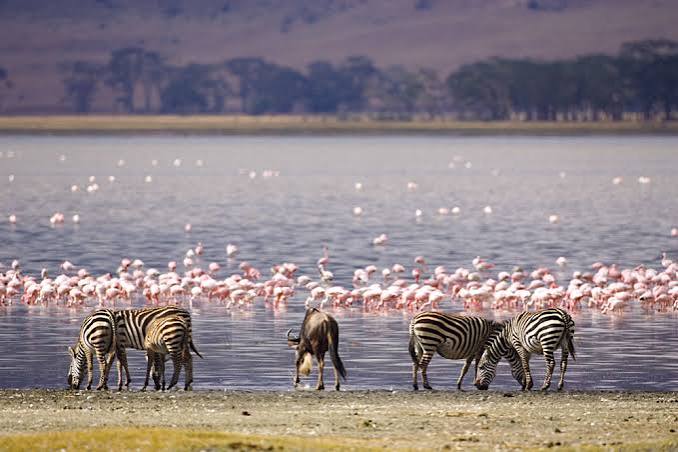
As you leave the lush highlands surrounding the Ngorongoro Crater, the landscape gradually changes into wide open plains that stretch toward the Serengeti. These changing environments support a wide variety of wildlife, allowing travelers to begin their game viewing long before they officially enter Serengeti National Park. It is common to see zebras, wildebeest, gazelles, giraffes, warthogs, and ostriches grazing peacefully near the road. On fortunate days, elephants, buffaloes, spotted hyenas, and even lions may appear in the distance.
Bird lovers also enjoy the drive because the region is home to hundreds of bird species. Secretary birds walk gracefully through the grasslands, colorful lilac-breasted rollers perch on shrubs, while eagles and vultures soar high above the plains searching for food. Every stop introduces another opportunity to observe Tanzania’s rich biodiversity.
Depending on the season, travelers may also witness sections of the Great Migration moving through the surrounding grasslands. Thousands of wildebeest, zebras, and gazelles create one of nature’s greatest wildlife spectacles, adding even more excitement to the journey.
Because the scenery changes constantly, experienced safari guides frequently stop at safe locations to allow guests to take photographs, observe wildlife, and learn about the area’s ecosystems, geology, and conservation efforts. These carefully planned stops transform the drive into an educational and unforgettable part of every northern Tanzania safari.
Why Many Safaris Combine Ngorongoro and Serengeti
Many travelers choose to visit both Ngorongoro Conservation Area and Serengeti National Park because together they create one of Africa’s finest safari experiences. Although each destination offers something unique, they complement one another perfectly and provide an incredible variety of landscapes, wildlife, and activities within a single itinerary.
Ngorongoro Crater is famous for its exceptional concentration of resident wildlife. The crater’s enclosed ecosystem allows visitors to observe a remarkable number of animals during a single game drive, including lions, elephants, buffaloes, hippos, zebras, wildebeest, hyenas, and the endangered eastern black rhino. The relatively compact size of the crater makes wildlife viewing efficient while offering breathtaking scenery throughout the day.
Serengeti National Park delivers a completely different experience. Its endless grasslands, river systems, rocky kopjes, and seasonal migration routes create one of the world’s most celebrated safari destinations. Visitors enjoy exploring vast landscapes while searching for cheetahs, leopards, large elephant herds, crocodiles, giraffes, and millions of migrating wildebeest during the Great Migration.
Combining these destinations also creates an ideal balance between diverse ecosystems and unforgettable wildlife encounters. Travelers experience volcanic highlands, lush forests, freshwater lakes, open savannahs, and endless plains without spending excessive time on the road. Every day introduces new scenery and different animal behavior, keeping the safari exciting from beginning to end.
Travelers booking with Giant Holiday Safaris benefit from expertly designed itineraries that combine Ngorongoro and Serengeti in a comfortable and rewarding way. Experienced guides coordinate every stage of the journey, ensuring that guests spend more time enjoying wildlife and less time worrying about travel logistics. The result is a seamless safari adventure that showcases the very best of northern Tanzania while creating memories that last a lifetime.
Choosing the Best Route Between Ngorongoro and Serengeti
Choosing the best route between Ngorongoro Conservation Area and Serengeti National Park is an important part of planning a successful Tanzania safari. While the distance between these two iconic destinations is relatively short, the route you take can influence your travel time, wildlife viewing opportunities, and overall safari experience. Fortunately, several well-established safari routes connect the two areas, allowing travelers to enjoy a smooth and scenic journey.
For travelers whose itinerary focuses on the Great Migration or luxury camps located farther north, the route continues beyond the southern Serengeti into Central, Western, or Northern Serengeti. Although these additional drives require more time, they reward visitors with changing ecosystems, fewer crowds in some regions, and unique wildlife experiences. Central Serengeti is well known for year-round wildlife activity, while the northern region becomes especially popular during the Mara River crossings. Western Serengeti attracts travelers interested in river habitats and migration movements earlier in the season.
Some safari itineraries also include stops at Olduvai Gorge, one of the world’s most important archaeological sites. This optional visit adds educational value to the journey by introducing travelers to the history of early human evolution. Nearby Maasai cultural villages also provide opportunities to learn about traditional customs, livestock keeping, and the close relationship between local communities and wildlife conservation.
Understanding how far is Ngorongoro from Serengeti and selecting the most suitable route allows travelers to make the most of every day in northern Tanzania. With beautiful scenery, abundant wildlife, experienced guides, and well-designed itineraries, the journey between these two world-famous destinations becomes an unforgettable part of one of Africa’s greatest safari adventures.
Best Time to Travel Between Ngorongoro and Serengeti
Choosing the right season can make your journey between Ngorongoro Conservation Area and Serengeti National Park even more rewarding. Fortunately, these two destinations offer outstanding wildlife viewing throughout the year, making them ideal for visitors regardless of when they travel. However, each season provides a slightly different experience, so understanding what to expect helps you plan the safari that best matches your interests.
The dry season, from June to October, is widely regarded as the best time for wildlife viewing. During these months, grasses become shorter, making animals easier to spot across the plains. Wildlife also gathers around permanent water sources, increasing the chances of seeing lions, elephants, buffaloes, giraffes, zebras, and many other species. Pleasant weather and clear skies create excellent conditions for photography while making long safari drives more comfortable.
From December through March, southern Serengeti becomes especially attractive because it hosts the wildebeest calving season. Thousands of young animals are born during this period, attracting predators such as lions, cheetahs, leopards, and hyenas. Visitors interested in dramatic wildlife interactions often choose this season.
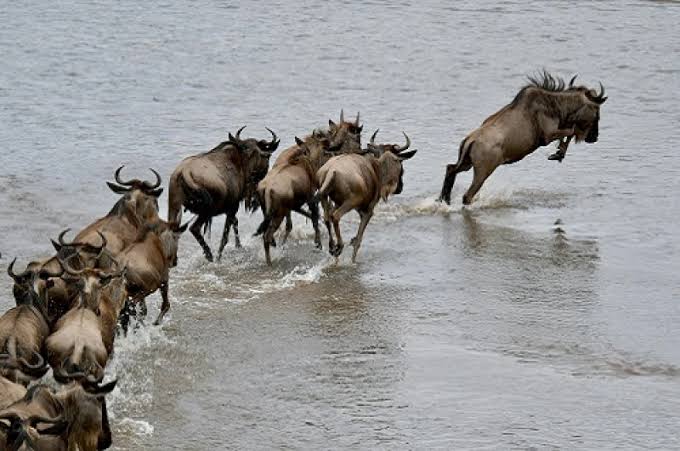
Between July and October, Northern Serengeti becomes the center of attention as massive herds approach the Mara River during the Great Migration. Witnessing thousands of wildebeest crossing crocodile-filled waters is one of Africa’s most unforgettable wildlife spectacles.
The green season, which generally falls between November and May, transforms both Ngorongoro and Serengeti into lush landscapes filled with vibrant vegetation and colorful wildflowers. Birdwatchers especially appreciate this season because migratory birds arrive from different parts of the world. Fewer visitors also mean quieter safari experiences and excellent opportunities for photography.
No matter when you choose to travel, understanding how far is Ngorongoro from Serengeti allows you to plan realistic driving times while enjoying one of Tanzania’s most scenic safari routes.
Travel Tips for a Comfortable Safari Journey
A well-planned safari allows you to enjoy every moment between Ngorongoro and Serengeti. Although the journey is comfortable when traveling with experienced guides, a few practical preparations make the experience even more enjoyable.
Start by wearing lightweight clothing in neutral colors such as khaki, beige, olive, or light brown. These colors blend naturally into the environment and help avoid attracting unnecessary attention from insects or wildlife. Temperatures can change throughout the day, especially in the Ngorongoro Highlands, so carrying a light jacket or fleece is recommended for cool mornings and evenings.
Comfortable footwear is equally important. While most wildlife viewing takes place from the safari vehicle, sturdy walking shoes become useful during lodge stays, viewpoint visits, or cultural excursions.
Pack sunscreen, sunglasses, a wide-brimmed hat, insect repellent, and a reusable water bottle to stay comfortable during long game drives. Binoculars greatly enhance wildlife viewing by allowing you to observe distant animals, while a quality camera with extra memory cards and batteries ensures you never miss unforgettable moments.
Travelers should also remember that safari schedules are flexible. Wildlife does not follow a timetable, so guides may adjust driving routes or stop unexpectedly when exciting sightings occur. Remaining patient and embracing these spontaneous moments often leads to the most memorable safari experiences.
Booking your safari with an experienced operator also reduces unnecessary stress. Professional guides understand local road conditions, seasonal wildlife movements, park regulations, and the best locations for wildlife viewing throughout the year.
Why Visiting Both Destinations Creates the Ultimate Tanzania Safari
Although Ngorongoro Conservation Area and Serengeti National Park are remarkable destinations individually, combining them creates one of Africa’s finest safari experiences. Each destination offers unique landscapes, wildlife, and attractions that complement one another perfectly.
Ngorongoro Crater provides exceptional wildlife density within a relatively compact area. Visitors often see members of the Big Five during a single game drive while enjoying spectacular scenery inside the world’s largest intact volcanic caldera. The crater’s permanent water sources and fertile grasslands support wildlife throughout the year, making every visit productive.
Serengeti National Park offers a completely different experience. Vast open plains, rocky kopjes, seasonal rivers, and endless horizons create one of the world’s most famous safari destinations. The park supports incredible predator populations and hosts the annual Great Migration, where more than a million wildebeest, accompanied by zebras and gazelles, move across the ecosystem in search of fresh grazing.
Combining these destinations also creates greater ecological diversity. Travelers experience forests, volcanic highlands, freshwater lakes, open savannahs, river systems, and endless plains within one carefully planned itinerary. Every day introduces new scenery and different wildlife behavior, making the safari consistently exciting.
Cultural experiences further enrich the journey. Visits to Maasai communities allow travelers to learn about traditional lifestyles, while Olduvai Gorge introduces one of the world’s most significant archaeological discoveries. These experiences add valuable cultural and historical context to the natural wonders of northern Tanzania.
Guests traveling with Giant Holiday Safaris benefit from expertly designed itineraries that balance wildlife viewing, comfortable travel, and meaningful cultural encounters. Every stage of the safari is carefully organized to maximize both comfort and unforgettable experiences.
Plan Your Ngorongoro and Serengeti Adventure
If you have been wondering how far is Ngorongoro from Serengeti, the journey is much shorter than many travelers expect and far more rewarding than simple transportation. The drive connects two of Africa’s most celebrated safari destinations through breathtaking landscapes filled with wildlife, scenic viewpoints, and unforgettable photographic opportunities.
Whether you spend several days exploring Ngorongoro Crater before continuing into the endless plains of Serengeti or include additional destinations across northern Tanzania, combining these parks creates an exceptional safari filled with remarkable diversity. Every destination contributes something unique, from Ngorongoro’s dense wildlife populations to Serengeti’s sweeping grasslands and world-famous migration.
Careful planning allows you to make the most of every day. Choosing the right travel season, selecting experienced guides, and staying in well-located accommodations all contribute to a smoother and more rewarding adventure. Flexible itineraries also allow you to appreciate unexpected wildlife sightings that often become the most memorable moments of the journey.
Giant Holiday Safaris proudly designs personalized Tanzania safari experiences that showcase the very best of Ngorongoro Conservation Area and Serengeti National Park. With knowledgeable guides, carefully selected accommodations, and thoughtfully planned routes, every journey becomes an unforgettable exploration of East Africa’s extraordinary wildlife and natural beauty.
No matter your travel style or safari experience, understanding how far is Ngorongoro from Serengeti helps you confidently plan an adventure that combines two legendary destinations into one incredible African safari you will remember for a lifetime.
Combined Uganda, Kenya, Rwanda and Tanzania Safaris
17 days Kenya Tanzania and Uganda safari
19 Days Uganda Kenya and Tanzania Safari
16 Days Kenya Tanzania and Uganda Safari
14 Days Kenya Uganda and Tanzania Safari
14 Days Kenya Uganda and Rwanda Safari