Can You Stay Inside Ngorongoro Crater
July 13, 2026
How Far Is Ngorongoro from Serengeti
July 13, 2026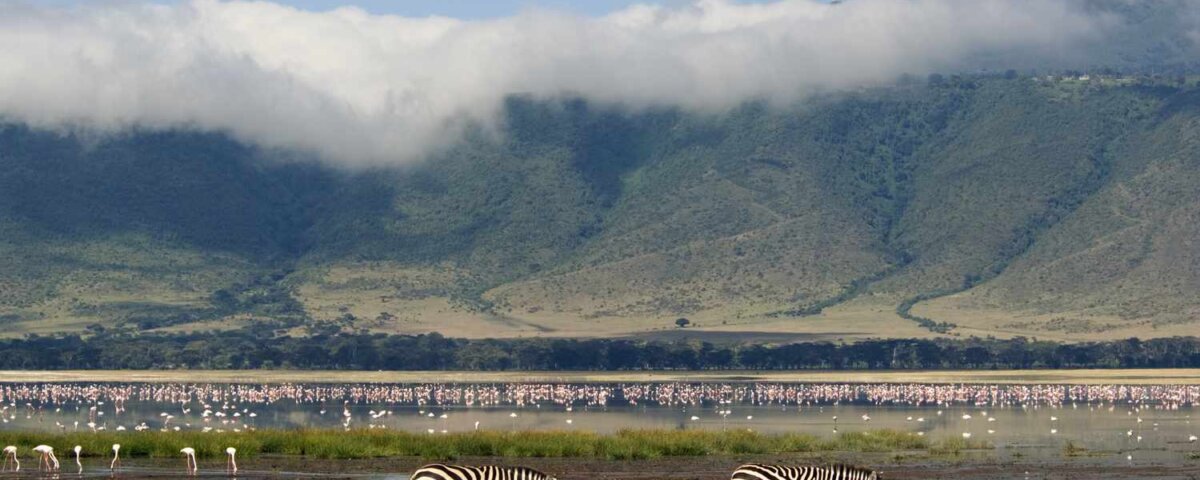
What Animals Can I See in Ngorongoro
A safari in Tanzania offers unforgettable wildlife encounters, and the Ngorongoro Conservation Area stands among the country’s most rewarding destinations. Every year, thousands of travelers visit this remarkable landscape to experience one of Africa’s richest ecosystems. Many visitors ask what animals can I see in Ngorongoro because they want to know what makes this UNESCO World Heritage Site so special. The answer is exciting. Ngorongoro is home to thousands of animals, including the famous Big Five, large herds of grazing mammals, colorful bird species, and many rare creatures that thrive within its unique environment.
The Ngorongoro Crater provides excellent wildlife viewing throughout the year because animals have access to water, food, and shelter in every season. Unlike destinations where wildlife migrates over long distances, many species remain inside the crater, giving visitors outstanding opportunities to enjoy game drives regardless of when they travel.
Beyond its incredible wildlife, Ngorongoro also offers breathtaking scenery, fascinating Maasai culture, and unforgettable safari experiences that appeal to families, honeymoon couples, photographers, and adventure seekers alike. Whether it is your first African safari or another exciting journey into the wild, this extraordinary destination never disappoints.
At Giant Holiday Safaris, we carefully design safari experiences that help travelers discover the very best of Ngorongoro while enjoying expert guiding, comfortable accommodations, and memorable wildlife encounters.
The Big Five Animals in Ngorongoro
One of the main reasons travelers visit Ngorongoro is the opportunity to see the famous Big Five. Originally named by hunters because they were considered the most challenging animals to track on foot, the Big Five now represent the ultimate wildlife viewing experience for safari enthusiasts.
Lions are among the easiest predators to find inside the crater. Several prides live permanently in the area, making Ngorongoro one of the best places in Africa to observe lions resting, hunting, or caring for their cubs. Early morning game drives often provide the best chances to witness their natural behavior.
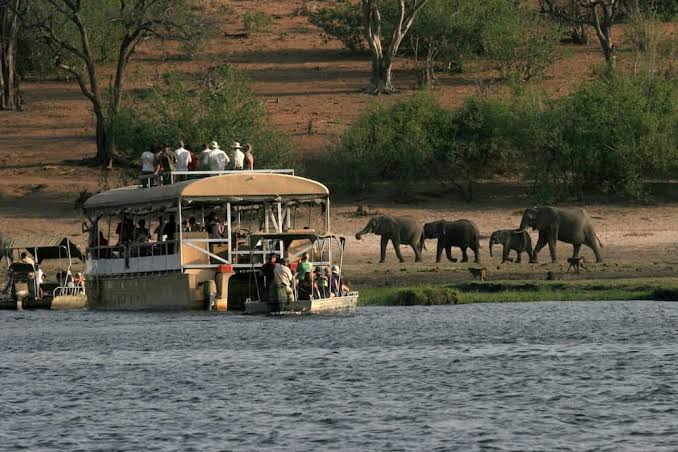
African elephants also attract visitors from around the world. Although large elephant herds are more common in other parks, Ngorongoro is famous for its mature bull elephants with magnificent tusks. These impressive giants often move through the forests and open grasslands near the crater floor.
Cape buffaloes appear throughout the conservation area in large numbers. Their powerful build and strong herd behavior make them one of the most recognizable animals during every safari. They frequently gather near wetlands and grassy plains where food remains plentiful.
Leopards are much more difficult to spot because they prefer dense vegetation and spend much of their time resting in trees or moving quietly through forests. Every leopard sighting becomes a memorable safari highlight.
The endangered black rhino completes the Big Five. Ngorongoro remains one of the few places in Tanzania where visitors still have a realistic chance of seeing these rare animals in the wild. Thanks to strong conservation efforts, the protected rhino population continues to receive careful monitoring and protection.
Seeing all five animals during one safari is possible, making Ngorongoro one of Africa’s most rewarding wildlife destinations.
Grazing Animals That Fill the Crater Floor
Beyond the Big Five, Ngorongoro supports thousands of grazing animals that create one of Africa’s most impressive wildlife spectacles. These herbivores form the foundation of the ecosystem by providing food for predators while maintaining healthy grasslands.
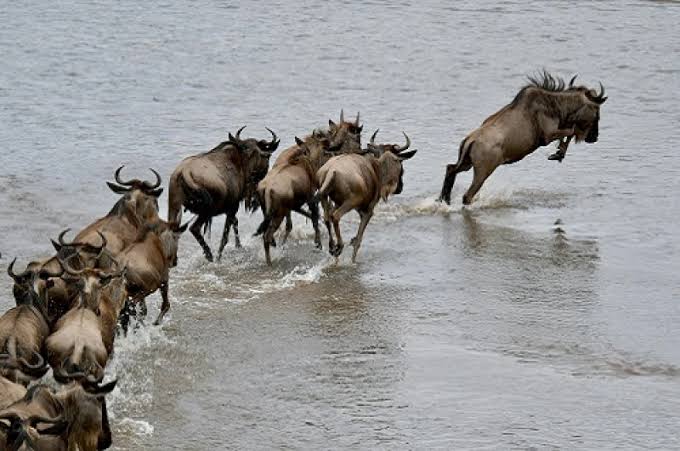
Blue wildebeests roam the crater floor in large groups, feeding on the rich grasses that grow throughout the conservation area. Although the famous Great Migration occurs mainly in Serengeti, many resident wildebeests live inside Ngorongoro year-round.
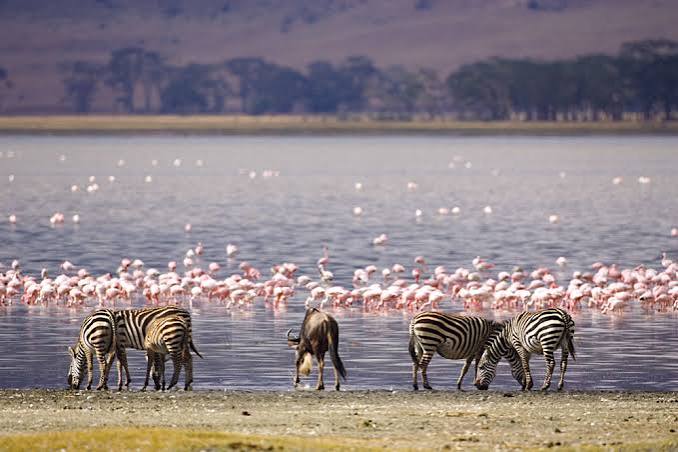
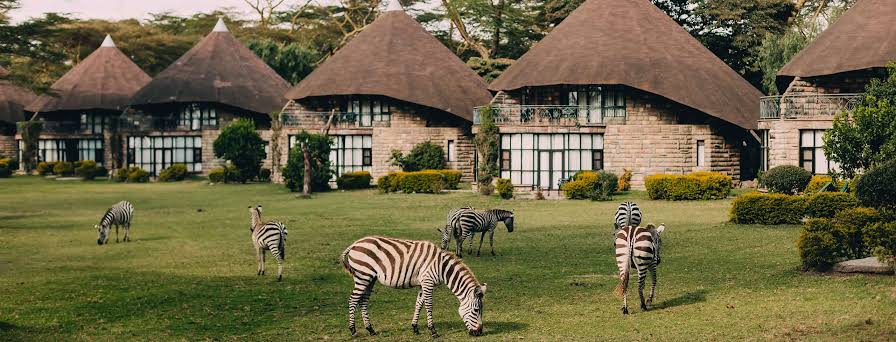
Plains zebras graze alongside wildebeests because both species benefit from feeding together. Zebras eat taller grasses first, allowing wildebeests to reach the shorter, more nutritious shoots beneath. This natural partnership helps both animals thrive.
Thomson’s gazelles and Grant’s gazelles also appear across the open plains. Their speed and alert behavior help them avoid predators while contributing to the area’s remarkable biodiversity.
Large herds of African buffaloes move steadily across the grasslands throughout the day. Visitors often observe hundreds of buffaloes resting together or walking toward water sources during warmer hours.
Other herbivores include elands, hartebeests, reedbucks, waterbucks, and warthogs. Hippos spend much of the day relaxing in freshwater pools before becoming active later in the evening.
These grazing animals provide constant opportunities for exciting wildlife viewing while supporting the healthy balance that makes Ngorongoro one of the world’s greatest safari destinations.
Predators That Rule the Ngorongoro Ecosystem
Predators play an essential role in maintaining the balance of Ngorongoro’s ecosystem. They naturally regulate herbivore populations while contributing to one of Africa’s most fascinating wildlife environments.
Lions remain the dominant predators inside the crater. Because prey animals remain abundant throughout the year, several lion prides have established permanent territories. Visitors frequently observe lions resting beneath acacia trees, walking through the grasslands, or preparing for evening hunts.
Spotted hyenas are equally impressive. Although many people misunderstand these intelligent animals, hyenas are highly skilled hunters that successfully catch much of their own food rather than relying only on scavenging. Large clans patrol different sections of the crater and often compete directly with lions for prey.
Black-backed jackals and golden jackals also thrive in Ngorongoro. These adaptable predators hunt small mammals, birds, reptiles, and insects while occasionally feeding on larger carcasses left behind by bigger carnivores.
Serval cats quietly hunt rodents in the grasslands using their excellent hearing and remarkable jumping ability. Although they remain difficult to spot, patient visitors occasionally enjoy unforgettable sightings.
Leopards rarely appear on open game drives because they spend much of their time hidden among forests and rocky areas. However, experienced guides know where sightings are most likely to occur.
Watching predators interact with their environment provides valuable insight into the complex relationships that keep the Ngorongoro ecosystem healthy and balanced.
Colorful Birds That Bring Ngorongoro to Life
While mammals receive much of the attention during safaris, Ngorongoro also offers exceptional birdwatching opportunities. More than 500 bird species have been recorded throughout the conservation area, making it one of East Africa’s premier birding destinations.
Lake Magadi attracts thousands of greater and lesser flamingos whenever water conditions become favorable. Their brilliant pink feathers create spectacular scenes against the crater’s dramatic landscape, making them one of the area’s most photographed birds.
Large ground birds such as ostriches, crowned cranes, secretary birds, and kori bustards roam the grasslands, adding even more variety to every game drive. Wetland areas support herons, storks, ibises, and pelicans, while forests shelter colorful turacos, hornbills, barbets, and sunbirds.
Birds of prey dominate the skies above the crater. Martial eagles, tawny eagles, African fish eagles, vultures, and falcons soar overhead while searching for food across the diverse landscape.
The green season brings even greater diversity as migratory birds arrive from Europe, Asia, and other parts of Africa. Bright breeding plumage and increased bird activity make this period especially rewarding for photographers and bird enthusiasts.
Even visitors with little birdwatching experience quickly discover how much these colorful species add to every safari. Their songs, behaviors, and vibrant colors create unforgettable moments while highlighting the extraordinary biodiversity that makes Ngorongoro one of Africa’s finest wildlife destinations.
Rare and Endangered Animals Worth Looking For
While the Big Five and large grazing herds often capture the spotlight, Ngorongoro is also home to several rare and endangered species that make every safari even more rewarding. Keeping an eye out for these remarkable animals adds excitement to every game drive and highlights the importance of conservation in Tanzania.
The black rhino is one of the rarest animals visitors hope to see. Ngorongoro protects one of the country’s most important remaining populations, making the crater one of the best places in East Africa to observe this endangered species. Although rhinos can be difficult to locate because they often remain at a distance, experienced guides know the areas where sightings are most likely.
Another fascinating species is the serval cat. This slender wild cat has long legs, large ears, and a beautiful spotted coat. It hunts mainly during the early morning and late afternoon by listening carefully for rodents hidden beneath the grass before making impressive leaps to catch its prey.
Visitors may also encounter bat eared foxes, honey badgers, African wildcats, porcupines, civets, mongooses, and African hares. Although these animals are less common than zebras or buffaloes, spotting one adds something truly special to a safari.
The crater also supports numerous reptiles, including monitor lizards, chameleons, agamas, and several harmless snake species. Frogs and countless insects contribute to the rich biodiversity that keeps the ecosystem functioning naturally.
Discovering these lesser-known animals reminds visitors that Ngorongoro offers far more than famous safari species. Every game drive presents opportunities to appreciate the incredible variety of wildlife that thrives within this remarkable conservation area.
Best Time to See Wildlife in Ngorongoro
One of Ngorongoro’s greatest advantages is that wildlife viewing remains excellent throughout the year. Because the crater provides reliable water sources, fertile grasslands, forests, and wetlands, animals do not migrate away in large numbers. This allows visitors to enjoy rewarding safaris regardless of the season.
The dry season, which usually runs from June through October, remains especially popular. Shorter grass makes animals easier to spot, while cool mornings and sunny afternoons create comfortable conditions for game drives. Lions often rest in open areas, elephants move between forests, and large herds of herbivores gather near permanent water sources.
The green season, from November through May, transforms the landscape into a beautiful mix of fresh grass, blooming flowers, and vibrant scenery. Although vegetation becomes taller, wildlife remains abundant throughout the crater. This season also attracts many migratory bird species, making it an excellent time for birdwatching and photography.
Rain showers during the green season rarely last all day, allowing visitors to continue enjoying safari activities while experiencing fewer crowds and attractive accommodation rates.
No matter when you travel, professional guides help maximize wildlife sightings by understanding animal behavior, seasonal movements, and the best locations for game viewing. At Giant Holiday Safaris, we carefully plan every itinerary according to seasonal conditions so guests enjoy the richest wildlife experiences possible throughout the year.
Tips for Spotting More Animals During Your Safari
A successful safari depends on more than simply entering the park. Careful planning, patience, and expert guidance significantly improve your chances to see a wide variety of animals during every game drive in Ngorongoro.
Starting early provides one of the greatest advantages. Many animals remain active shortly after sunrise because temperatures are cooler. Predators may still be hunting, herbivores begin grazing, and birds become especially active during the first hours of daylight.
Listening carefully to your safari guide also makes a tremendous difference. Experienced guides recognize animal tracks, interpret bird calls, identify fresh signs of predator activity, and understand where wildlife is most likely to gather at different times of the day.
Remaining patient allows nature to unfold naturally. Instead of rushing from one sighting to another, spending extra time observing wildlife often leads to unexpected discoveries such as hunting behavior, playful young animals, or fascinating interactions between different species.
Bringing binoculars helps visitors observe distant wildlife while enjoying details that might otherwise remain unnoticed. A camera with a zoom lens also allows excellent photography without disturbing the animals.
Choosing a multi-day safari increases the variety of wildlife encountered. Different weather conditions, changing animal movements, and multiple game drives create more opportunities for unforgettable sightings.
When travelers ask what animals can I see in Ngorongoro, the answer often depends on how much time they spend exploring this incredible ecosystem. A well-planned itinerary provides countless opportunities to experience the area’s remarkable biodiversity.
Planning an Unforgettable Ngorongoro Wildlife Adventure
Planning ahead helps transform a good safari into an extraordinary one. Every traveler has unique interests, whether photographing predators, observing birds, experiencing local culture, or simply enjoying breathtaking scenery. Understanding your priorities allows you to create the perfect itinerary to see different animals in Ngorongoro.
The length of your safari plays an important role. While a single day inside the crater offers wonderful wildlife viewing, spending two or more days in the surrounding conservation area creates additional opportunities to discover forests, highland landscapes, Maasai communities, and nearby attractions.
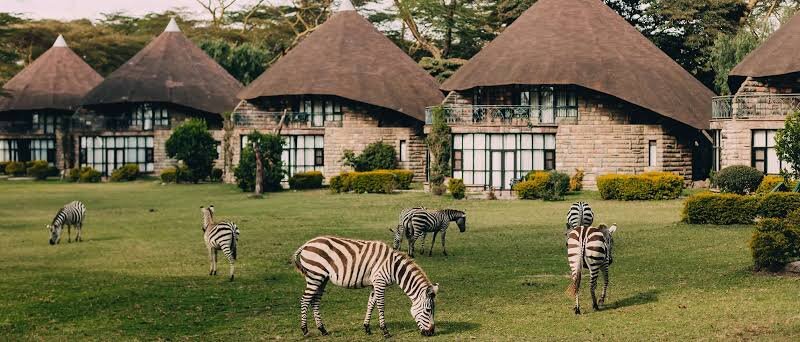
Accommodation also contributes significantly to the overall experience. Staying near the crater allows early access for morning game drives while providing spectacular sunrise views across one of Africa’s most iconic landscapes.
Packing the right equipment improves comfort throughout your journey. Neutral-colored clothing, comfortable walking shoes, sunscreen, hats, binoculars, cameras, and reusable water bottles all contribute to a smooth safari experience.
Working with experienced safari specialists removes unnecessary stress and ensures every detail receives careful attention. From transportation and accommodation to professional guides and personalized itineraries, thoughtful planning allows visitors to focus entirely on enjoying the remarkable wildlife that makes Ngorongoro world famous.
Whether you travel alone, with family, or as part of a small group, careful preparation creates memories that last a lifetime while allowing you to experience Tanzania’s extraordinary natural heritage at its very best.
What Animals Can I See in Ngorongoro and Why Every Safari Is Unique
If you have been wondering what animals can I see in Ngorongoro, the answer is simple: you can experience one of the richest collections of wildlife anywhere in Africa. From the famous Big Five and enormous herds of zebras, wildebeests, and buffaloes to colorful birds, elusive serval cats, endangered black rhinos, and countless smaller species, every game drive offers exciting discoveries.
The Ngorongoro Conservation Area stands apart because wildlife thrives throughout the year within one extraordinary volcanic landscape. Its permanent water sources, fertile grasslands, forests, and wetlands support remarkable biodiversity while creating outstanding safari opportunities for visitors from around the world.
Every safari becomes different because wildlife follows nature rather than schedules. One day may feature lions hunting across the plains, while another brings close encounters with elephants, flamingos, or playful jackals. These constantly changing experiences make every visit memorable regardless of the season.
At Giant Holiday Safaris, we are passionate about helping travelers discover Tanzania’s extraordinary wildlife through carefully planned safaris, knowledgeable guides, and personalized itineraries that match every travel style. Our local expertise allows guests to enjoy authentic safari adventures while exploring one of Africa’s greatest natural treasures.
Now that you know what animals can I see in Ngorongoro, you can confidently begin planning a safari filled with unforgettable wildlife encounters, breathtaking scenery, and lifelong memories in one of the world’s most remarkable conservation areas.
Combined Uganda, Kenya, Rwanda and Tanzania Safaris
17 days Kenya Tanzania and Uganda safari
19 Days Uganda Kenya and Tanzania Safari
16 Days Kenya Tanzania and Uganda Safari
14 Days Kenya Uganda and Tanzania Safari
14 Days Kenya Uganda and Rwanda Safari