How Many Days Do You Need in Lake Nakuru?
July 12, 2026
Which Lodge Is Best in Ngorongoro
July 13, 2026
How Long Do You Spend in Ngorongoro
Many travelers planning a Tanzania safari ask, how long do you spend in Ngorongoro? The answer depends on your travel goals, the wildlife experiences you want, and how your safari itinerary is designed. For most visitors, a full day inside Ngorongoro Crater provides enough time to enjoy excellent game viewing, breathtaking scenery, and unforgettable wildlife encounters. However, some travelers choose to stay longer to explore nearby attractions, experience Maasai culture, and enjoy a slower, more immersive safari.
Ngorongoro Conservation Area is one of Tanzania’s most celebrated destinations because it combines spectacular landscapes, abundant wildlife, rich history, and cultural heritage within a single protected area. Every hour spent here offers new opportunities to witness Africa’s incredible biodiversity while learning about one of the continent’s most successful conservation stories.
Whether you are visiting Ngorongoro as part of a longer northern Tanzania safari or planning a dedicated wildlife adventure, understanding how long do you spend in Ngorongoro helps you create the perfect itinerary. With careful planning, you can experience the very best of this UNESCO World Heritage Site while making every moment of your journey memorable.
How Long Do You Spend in Ngorongoro on a Typical Safari
For most visitors, the ideal answer to how long do you spend in Ngorongoro is one full day inside the crater. A typical safari begins early in the morning when vehicles descend from the crater rim onto the floor below. Early departures maximize wildlife viewing because many animals remain active during the cooler hours before midday temperatures increase.
A full-day game drive usually lasts between six and eight hours. During this time, visitors travel across grasslands, forests, wetlands, freshwater springs, and Lake Magadi while searching for the remarkable wildlife that calls the crater home. The variety of habitats allows travelers to observe numerous animal species without covering extremely long distances.
One of the greatest advantages of Ngorongoro Crater is its high concentration of wildlife. Unlike larger parks where animals sometimes spread across vast areas, the crater’s enclosed ecosystem increases the likelihood of frequent sightings throughout the day. Visitors often encounter lions, elephants, buffaloes, zebras, wildebeest, hippos, hyenas, and many other species during a single game drive.
Lunch is usually enjoyed at one of the designated picnic sites overlooking a hippo pool, allowing visitors to relax while appreciating the surrounding scenery. After lunch, the safari continues before vehicles gradually climb back to the crater rim in the late afternoon.
For travelers following a classic northern Tanzania safari itinerary, one well-planned day inside Ngorongoro delivers an unforgettable experience while leaving enough time to explore other famous destinations such as Serengeti National Park and Tarangire National Park.
Why One Day in Ngorongoro Is Often Enough
Many first-time visitors wonder whether a single day can truly provide a satisfying safari experience. In most cases, the answer is yes. Ngorongoro Crater is unique because its relatively compact size allows travelers to see an incredible variety of wildlife within a limited area.
The crater floor covers approximately 260 square kilometers, making it much smaller than many African national parks. This smaller size allows safari guides to reach different habitats quickly, increasing opportunities for wildlife sightings throughout the day. Visitors rarely spend long periods driving without seeing animals.
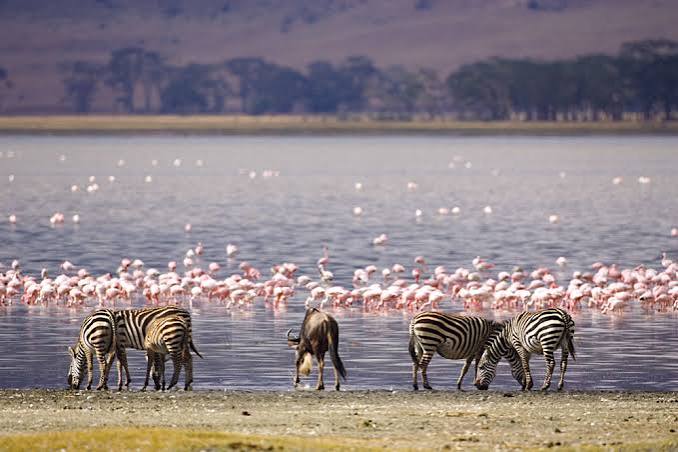
The rich diversity of habitats also contributes to the excellent safari experience. Open plains support large grazing herds, forests shelter elephants and monkeys, wetlands attract hippos, while Lake Magadi becomes home to flamingos during favorable seasons. Because these habitats exist close together, visitors enjoy remarkable biodiversity within a single game drive.
Professional safari guides also play an important role. Their experience, local knowledge, and communication with other guides help locate wildlife efficiently while providing fascinating information about animal behavior, geology, and conservation.
For many travelers, one full day inside Ngorongoro Crater offers everything they hoped to experience. The combination of abundant wildlife, beautiful scenery, and outstanding accessibility makes it one of Africa’s most rewarding single-day safari destinations.
When You Should Spend More Than One Day in Ngorongoro
Although one day satisfies most visitors, spending additional time in the Ngorongoro Conservation Area offers several advantages for travelers seeking a deeper experience. The conservation area extends far beyond the crater itself, providing additional attractions that deserve exploration.
Visitors interested in culture often choose to spend extra time visiting nearby Maasai communities. These experiences provide valuable insight into traditional lifestyles, livestock management, colorful ceremonies, and the long-standing relationship between local people and wildlife.
History enthusiasts frequently include Olduvai Gorge in their itinerary. This internationally important archaeological site contains some of the world’s earliest evidence of human evolution and offers fascinating exhibits explaining the region’s significance to scientific research.
Additional days also allow travelers to enjoy the crater at a more relaxed pace. Instead of focusing solely on finding wildlife, visitors have time to appreciate changing landscapes, observe animal behavior for longer periods, and capture exceptional photographs under different lighting conditions.
Photographers especially benefit from longer stays because weather, lighting, and wildlife activity change throughout the day. Multiple game drives create greater opportunities to photograph rare species, dramatic landscapes, and unforgettable moments that cannot always be predicted during a single visit.
Travelers combining wildlife, culture, photography, and history often find that two or three days within the conservation area provide a richer and more rewarding safari experience.
What You Can See During Your Time in Ngorongoro
Every hour spent inside Ngorongoro Crater reveals something extraordinary. The crater supports one of Africa’s highest concentrations of wildlife, allowing visitors to experience exceptional biodiversity within a relatively small area.
Large herds of wildebeest, zebras, buffaloes, and gazelles graze peacefully across the open plains throughout the year. These herbivores provide food for predators such as lions, hyenas, jackals, and occasionally cheetahs that patrol the grasslands in search of opportunities.
The crater is also one of Tanzania’s best places to observe the endangered eastern black rhino. Although sightings remain relatively rare, Ngorongoro protects one of the country’s most important breeding populations, making every encounter especially memorable.
Elephants, particularly large mature bulls with impressive tusks, often move through Lerai Forest. Hippos spend much of the day relaxing in freshwater pools, while flamingos gather around Lake Magadi when water conditions are favorable. Hundreds of bird species, including crowned cranes, secretary birds, ostriches, eagles, hornbills, and kingfishers, add even more diversity to every safari.
Beyond wildlife, visitors admire spectacular volcanic landscapes, lush forests, wetlands, freshwater springs, and panoramic viewpoints overlooking the crater floor. These constantly changing environments ensure that every game drive offers something new and exciting regardless of how many times you visit.
How Ngorongoro Fits into a Northern Tanzania Safari
Ngorongoro Crater forms an essential part of the famous northern Tanzania safari circuit. Its central location makes it easy to combine with several of the country’s most celebrated national parks while creating a balanced itinerary filled with diverse wildlife experiences.
Many travelers begin their journey in Tarangire National Park, known for its enormous elephant herds and ancient baobab trees. They then continue to Lake Manyara National Park before visiting Ngorongoro Crater and finally exploring the endless plains of Serengeti National Park.
Including Ngorongoro within this route allows visitors to experience dramatically different ecosystems without spending excessive time traveling. Each destination contributes unique landscapes, wildlife, and photographic opportunities that complement one another perfectly.
Many guests traveling with Giant Holiday Safaris appreciate how carefully designed itineraries maximize wildlife viewing while maintaining a comfortable travel pace. Experienced guides coordinate every stage of the journey, allowing visitors to enjoy each destination without unnecessary stress or rushed schedules.
Whether your safari lasts five days or two weeks, Ngorongoro Crater consistently stands out as one of the journey’s greatest highlights. Its remarkable combination of abundant wildlife, breathtaking scenery, geological history, and cultural heritage makes every hour spent here worthwhile and leaves travelers eager to explore even more of Tanzania’s incredible natural beauty.
Best Time to Visit and Spend in Ngorongoro for Your Safari
Choosing the right season can make your safari even more rewarding. Fortunately, Ngorongoro Conservation Area offers excellent wildlife viewing throughout the year, which means there is never a bad time to visit. Unlike destinations where wildlife moves across long distances, Ngorongoro Crater supports a large resident population of animals because it has permanent water sources, fertile grazing land, and a protected ecosystem. This makes it easier to plan your trip based on your personal interests rather than worrying about missing wildlife.
The dry season, from June to October, is often considered the best time for game viewing. During these months, grasses become shorter, making animals easier to spot across the open plains. The weather is generally sunny and comfortable, creating ideal conditions for full-day game drives. Since this is also the busiest travel season, booking accommodation and safari packages well in advance is highly recommended.
The green season, from November to May, offers a completely different but equally beautiful experience. Rainfall transforms the landscape into a lush paradise filled with fresh grass, colorful flowers, and vibrant scenery. Bird enthusiasts especially enjoy this period because migratory birds arrive from different parts of the world. Photographers also appreciate the dramatic skies and rich colors that appear after seasonal rains.
No matter when you choose to travel, understanding how long do you spend in Ngorongoro becomes easier because wildlife remains abundant throughout the year. Whether you spend one day or several days exploring the conservation area, every season offers unforgettable moments.
Tips for Planning the Right Time to Spend in Ngorongoro
Planning the right amount of time to spend in Ngorongoro helps you enjoy your safari without feeling rushed. While one full day inside the crater satisfies many travelers, your ideal stay depends on your interests, travel schedule, and the other destinations included in your Tanzania safari.
If your main goal is to experience wildlife, a full-day game drive is usually enough. Early morning departures allow you to maximize wildlife sightings while enjoying cooler temperatures and excellent photography conditions. This option works especially well for visitors combining Ngorongoro with Serengeti National Park, Tarangire National Park, or Lake Manyara National Park.
However, travelers interested in photography, birdwatching, geology, or cultural experiences often benefit from spending two or more days in the conservation area. Additional time allows you to explore Maasai villages, visit Olduvai Gorge, and enjoy the crater at a more relaxed pace without feeling pressured to fit everything into a single day.
Booking accommodations on or near the crater rim also improves your experience. Staying nearby allows you to enter the crater early, giving you more time to observe wildlife before larger numbers of safari vehicles arrive. It also provides opportunities to enjoy spectacular sunrise and sunset views overlooking the crater.
Careful planning ensures that every hour spent in Ngorongoro adds value to your safari while creating unforgettable memories that last long after your journey ends.
Activities That Make More Time in Ngorongoro Worthwhile
Although wildlife viewing remains the main attraction, spending additional time in Ngorongoro allows visitors to experience much more than traditional game drives. The conservation area offers a variety of activities that enrich every safari and create a deeper appreciation for northern Tanzania.
Game drives remain the highlight of every visit. Multiple drives allow you to observe changing animal behavior throughout the day while increasing opportunities to see rare species such as the endangered eastern black rhino. Morning drives often reveal predators returning from nighttime hunts, while afternoon drives showcase elephants, buffaloes, zebras, and wildebeest grazing peacefully across the plains.
Photography becomes even more rewarding during longer stays. Different lighting conditions throughout the day create fresh opportunities to capture landscapes, wildlife, and dramatic volcanic scenery. Every sunrise and sunset transforms the crater into a spectacular canvas filled with warm colors and breathtaking views.
Birdwatchers also benefit from additional time. Hundreds of bird species inhabit the crater, including flamingos, crowned cranes, ostriches, secretary birds, hornbills, kingfishers, eagles, and vultures. Exploring different habitats increases the number of species you are likely to observe.
Cultural experiences with nearby Maasai communities provide valuable insight into traditional lifestyles, livestock keeping, and local customs. Visitors also enjoy exploring Olduvai Gorge, one of the world’s most important archaeological sites, where discoveries have contributed greatly to our understanding of early human history.
These experiences demonstrate that extending your stay offers much more than additional wildlife viewing. It creates a richer journey that combines nature, history, culture, and conservation.
Why Ngorongoro Deserves a Place on Every Tanzania Itinerary
Every northern Tanzania safari becomes more complete when it includes Ngorongoro Conservation Area. Its unique combination of abundant wildlife, remarkable geology, cultural heritage, and breathtaking scenery makes it one of Africa’s most rewarding travel destinations.
Unlike many parks where visitors spend long hours searching for animals, Ngorongoro offers excellent wildlife viewing within a relatively compact area. This efficiency makes it ideal for travelers with limited time while still providing exceptional safari experiences.
The crater also complements nearby destinations perfectly. After exploring the endless plains of Serengeti National Park, the baobab-filled landscapes of Tarangire National Park, or the forests of Lake Manyara National Park, visitors discover an entirely different ecosystem inside Ngorongoro Crater. This diversity keeps every day of a Tanzania safari exciting and memorable.
Families appreciate the shorter driving distances and frequent wildlife sightings. Couples enjoy luxurious crater rim lodges and romantic scenery, while photographers value the dramatic landscapes that create unforgettable images. First-time safari visitors often describe Ngorongoro as one of the highlights of their African adventure because it combines so many unforgettable experiences in a single location.
Travelers exploring Tanzania with Giant Holiday Safaris often discover that Ngorongoro becomes one of the destinations they remember most. Its beauty, wildlife, and peaceful atmosphere leave lasting impressions that inspire many visitors to return again.
Plan the Perfect Ngorongoro Safari Experience
If you have been wondering how long do you spend in Ngorongoro, the answer depends on the type of adventure you want to enjoy. For many travelers, one full day inside the crater provides outstanding wildlife viewing and unforgettable scenery. Others choose to stay longer so they can explore cultural attractions, enjoy photography, and experience the conservation area at a more relaxed pace.
Regardless of the length of your visit, every journey into Ngorongoro offers something extraordinary. Lions roam the grasslands, elephants walk through ancient forests, flamingos gather around seasonal lakes, and endangered black rhinos remind visitors why conservation remains so important. Every landscape tells a story shaped by millions of years of volcanic history and decades of successful wildlife protection.
Planning your itinerary carefully allows you to experience the very best of northern Tanzania while making every day meaningful. Combining Ngorongoro with other famous safari destinations creates an unforgettable adventure filled with diverse wildlife, spectacular scenery, and authentic cultural experiences.
Giant Holiday Safaris proudly helps travelers create memorable Tanzania safari experiences by designing carefully planned itineraries that showcase the very best of Ngorongoro Conservation Area and beyond. Whether you spend one day or several days exploring this remarkable destination, every moment brings new discoveries that will stay with you for a lifetime.
Combined Uganda, Kenya, Rwanda and Tanzania Safaris
17 days Kenya Tanzania and Uganda safari
19 Days Uganda Kenya and Tanzania Safari
16 Days Kenya Tanzania and Uganda Safari
14 Days Kenya Uganda and Tanzania Safari
14 Days Kenya Uganda and Rwanda Safari