What Is Special About Tsavo National Park?
July 12, 2026
How Long Do You Spend in Ngorongoro
July 13, 2026
How Many Days Do You Need in Lake Nakuru?
One of the most practical questions every safari planner faces is this: how many days do you need in Lake Nakuru? The honest answer depends on your goals, your budget, and how the park fits into your larger Kenyan adventure.
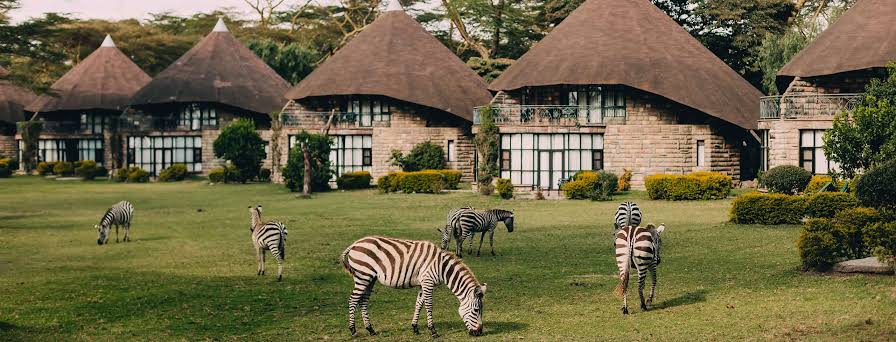
Lake Nakuru National Park sits in the Great Rift Valley, only about 160 kilometers from Nairobi. Covering a compact 188 square kilometers, it is fully fenced, which concentrates wildlife near the lake. This makes it possible to see an enormous amount in a short time.
For most travelers, one full day captures the highlights. Two days unlock the park’s full magic, while serious photographers and birdwatchers may happily stay even longer. In this guide, we break down what you can experience in one, two, or three days, helping you decide how much time you truly need for your dream safari. By the end, planning your Lake Nakuru trip will feel simple and clear.
Why Lake Nakuru Works for Short Visits
Before we count days, you should understand why Lake Nakuru suits shorter stays so well. Unlike the vast open wilderness of the Maasai Mara or Tsavo, Nakuru remains small and neatly contained. The entire park fits around a single lake, and a good network of roads lets you circle the shoreline and explore the woodlands with ease. As a result, you rarely drive long distances between sightings. Instead, wildlife appears quickly and often, sometimes within minutes of entering the gate.
Furthermore, the park’s fence keeps animals inside a defined space, so populations of rhinos, giraffes, and big cats stay relatively stable and findable. You do not need days of searching to locate the highlights. In addition, the short distance from Nairobi means less travel time and more wildlife time. Consequently, Lake Nakuru delivers a rich, rewarding safari even for travelers on tight schedules. This efficiency sets it apart from larger parks and explains why so many visitors fit it neatly into a busy itinerary without feeling rushed.
One Day in Lake Nakuru: The Highlights
For many travelers, a single day in Lake Nakuru delivers a complete and satisfying safari. If you plan carefully, one full day covers the park’s greatest treasures. Start early, ideally entering the gate soon after sunrise, and you gain the cool morning hours when animals move most actively. Over the course of a full day drive, you can circle the lake shore, watch white rhinos graze the plains, search the acacia trees for resting lions, and scan the woodlands for giraffes and leopards.
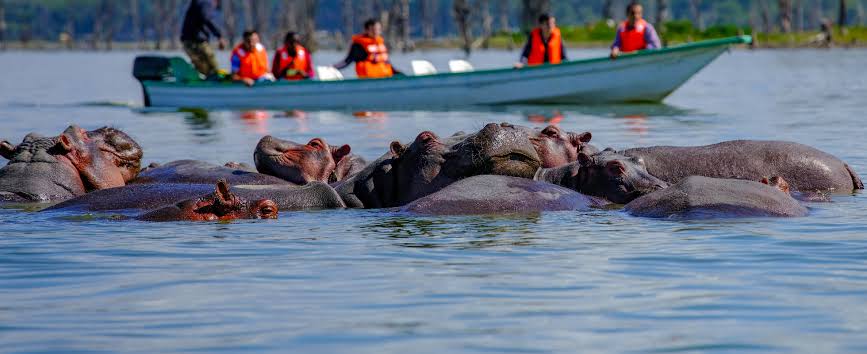
Moreover, a single day allows time to visit the park’s scenic highlights. You can climb Baboon Cliff for a sweeping panorama, pause at the hippo pools, and enjoy a picnic lunch at a designated viewpoint. Because the park stays compact, you will likely tick off rhinos, buffalo, zebras, waterbuck, baboons, and dozens of bird species before the day ends.
To make a single day work its hardest, plan your route with your guide before you set off. Focus first on the lake shore circuit for rhinos, flamingos, and pelicans, then move into the acacia woodlands to search for lions, leopards, and giraffes. Keep your midday break short, because the drive from Nairobi already uses part of your morning. Therefore, if your schedule allows only twenty four hours, do not worry. One well planned day at Lake Nakuru still creates an unforgettable safari experience packed with iconic African wildlife, and many day visitors leave the park amazed by just how much they managed to see in such a short time.
Two Days in Lake Nakuru: The Sweet Spot
While one day satisfies, two days at Lake Nakuru truly hits the sweet spot for most wildlife lovers. When you stay overnight, you gain access to both the early morning and the late afternoon golden hours on more than one occasion. These are the magic times when predators hunt, light glows softly, and animals gather near water. As a result, a two day visit dramatically improves your chances of spotting shy species like leopards and black rhinos that a single day might miss.
In addition, two days let you slow down and truly savor the park. You can linger at a rhino sighting, wait patiently at a hippo pool, and return to Baboon Cliff for both sunrise and sunset views. An overnight stay at a Rift Valley lodge or tented camp adds its own charm, with starlit skies, campfire evenings, and the distant sounds of the African night. Furthermore, a relaxed pace means less rushing and more genuine wonder. For couples, families, photographers, and first time safari goers alike, two days offers the ideal balance of thorough wildlife viewing and comfortable, unhurried enjoyment.
Three Days or More: For Enthusiasts and Photographers
Some travelers happily spend three days or more at Lake Nakuru, and certain visitors benefit greatly from the extra time. Dedicated photographers, in particular, love the freedom that additional days provide. With more game drives, you can wait for perfect light, revisit favorite subjects, and capture the rhinos, giraffes, and tree climbing lions in ideal conditions. Wildlife photography rewards patience, and extra days give you exactly that. You can return to the same spot morning after morning until the shot comes together.
Similarly, keen birdwatchers appreciate a longer stay. With more than 450 bird species in the park, three days lets you work through a serious checklist, from pelicans and fish eagles to tiny sunbirds and migratory visitors. Beyond wildlife, extra days allow relaxed exploration of every corner of the park, from the euphorbia forests to Makalia Falls in the south. However, keep in mind that Nakuru is compact. Unless you have a strong photography or birding focus, three days may feel unhurried to the point of repetition. For most general travelers, that extra time works better when spread across a wider Rift Valley circuit.
Combining Lake Nakuru with Other Destinations
For many visitors, the smartest answer to the days question involves combining Lake Nakuru with nearby destinations. Because the park sits so close to Nairobi and other Rift Valley gems, it slots beautifully into a larger itinerary. A popular approach spends one or two days at Nakuru, then continues to a neighboring attraction. This way, you enjoy the park’s highlights without spending more time there than it needs, and you experience greater variety overall.
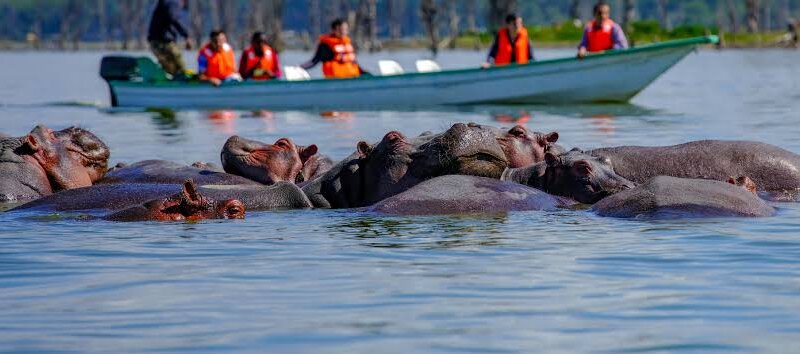
For example, you can pair Nakuru with Lake Bogoria, famous for its hot springs and huge flamingo flocks, or with Lake Naivasha, where you can enjoy a boat ride among hippos and birds. Alternatively, many travelers combine one or two days at Nakuru with three or four days in the Maasai Mara for the ultimate Kenyan safari. This blend gives you the fenced sanctuary wildlife of Nakuru alongside the vast open plains and Great Migration of the Mara.
In addition, the drive between these destinations passes through beautiful Rift Valley scenery, rolling farmland, and lively market towns, so the journey itself becomes part of the adventure. Some travelers also add Hell’s Gate National Park near Naivasha, where you can walk or cycle among zebras and giraffes, or the cool highland forests of the Aberdares. Because these attractions sit relatively close together, you can build a rich, varied route without long, tiring transfers. Consequently, thinking about Nakuru as part of a bigger journey often helps you plan the perfect number of days more effectively than viewing it alone. When you spread your time wisely across several sites, each destination shines, and your overall Kenyan safari feels balanced, diverse, and complete.
Best Time to Visit for the Most Rewarding Days
No matter how many days you choose, timing shapes the quality of every one of them. Lake Nakuru rewards visitors year round, yet each season offers something different. The dry months from June to October and from January to February bring the most comfortable conditions. Roads stay firm, skies stay clear, and animals gather near water sources, which makes wildlife easier to find. Photographers especially love the golden light and dust free air of these months, so fewer days may be needed to see plenty.
On the other hand, the green seasons from November to December and March to May transform the park into a lush paradise. Newborn animals appear everywhere, migratory birds arrive in large numbers, and dramatic skies create stunning photographs. However, occasional rain can slow travel and hide some animals in thick vegetation, so you might value an extra day for flexibility. Flamingo numbers depend on water levels rather than fixed seasons, so check recent reports if the pink birds top your list. Overall, plan your number of days around both your interests and the season you choose.
Here is the rewritten version of your tips section, keeping the original heading and paragraph structure while seamlessly incorporating Giant Holiday Safaris as your trusted tour operator.
Practical Tips to Make Every Day Count
Whatever length you pick, a few smart habits help you get the most from each day in Lake Nakuru. First, always start early. The park gate opens around dawn, and the first hours deliver the best wildlife activity and the softest light. An early start effectively adds value to every day you spend there. Second, hire a knowledgeable tour operator like Giant Holiday Safaris. Our professional local guides track animal movements, communicate by radio, and know exactly where the rhinos, lions, and leopards tend to appear, so your sightings multiply.
Third, pack the essentials: binoculars, a camera with a zoom lens, sunscreen, a hat, and neutral colored clothing. Fourth, carry water and snacks, and use the designated picnic sites for a relaxed midday break. Fifth, respect all park rules by staying inside your vehicle, keeping noise low, and never feeding wildlife.
Finally, if you stay overnight, Giant Holiday Safaris can help you choose accommodation that matches your priorities, whether that means a luxury lodge with lake views or a comfortable tented camp close to the action. These simple steps, combined with our team’s expertise, ensure that every single day at Lake Nakuru counts.
Final Thoughts
So, how many days do you need in Lake Nakuru? For most travelers, the answer falls between one and two days. A single well planned day captures the park’s greatest highlights, including rhinos, lions, giraffes, and stunning Rift Valley views, which makes it perfect for busy schedules. Two days, however, hits the true sweet spot, unlocking extra golden hours, deeper sightings, and a relaxed pace that lets you savor every moment. Partnering with a premier tour operator like Giant Holiday Safaris ensures that every hour of your itinerary is optimized for the best possible wildlife encounters.
Serious photographers and birdwatchers may happily extend to three days or more, while most general visitors gain more variety by letting Giant Holiday Safaris combine Nakuru with Lake Bogoria, Lake Naivasha, or the Maasai Mara. Whatever length you choose, an early start, our highly skilled guides, and planning around the right season will make each day rewarding.
Lake Nakuru proves that a compact park can deliver an enormous safari experience, so decide how many days you need, book your trip with confidence alongside Giant Holiday Safaris, and prepare for wildlife memories that will stay with you forever.
Combined Uganda, Kenya, Rwanda and Tanzania Safaris
17 days Kenya Tanzania and Uganda safari
19 Days Uganda Kenya and Tanzania Safari
16 Days Kenya Tanzania and Uganda Safari
14 Days Kenya Uganda and Tanzania Safari
14 Days Kenya Uganda and Rwanda Safari