Can you fly directly to Masai Mara?
July 30, 2026
How far is Masai Mara from Nairobi?
July 30, 2026
How Many Days Do I Need for Migration Safari
Planning a migration safari in Tanzania raises an important question for many travelers: how many days do I need for migration safari? The answer depends on what you want to see, the time of year you plan to travel, and how much time you have available. The Great Migration covers a huge ecosystem, and the wildebeest move throughout the year in search of fresh grass and water. Therefore, a short safari can still provide a wonderful experience, but a longer trip gives you more time to follow the herds and enjoy other wildlife areas. For most travelers, five to seven days offers a good balance between migration viewing and a relaxed safari experience. However, travelers hoping to see the famous Mara River crossings may benefit from spending three to five nights in the northern Serengeti alone. The key is to plan around the migration season while allowing enough flexibility for nature to guide the experience.
Combined Uganda, Kenya, Rwanda and Tanzania Safaris
17 days Kenya Tanzania and Uganda safari
19 Days Uganda Kenya and Tanzania Safari
16 Days Kenya Tanzania and Uganda Safari
14 Days Kenya Uganda and Tanzania Safari
14 Days Kenya Uganda and Rwanda Safari
12 Day Gorilla Trekking and Tanzania Safari
Why the Number of Safari Days Matters
The number of days you spend on a migration safari can strongly affect the quality of your experience. The Great Migration does not follow a fixed schedule, so you cannot expect the wildebeest to appear at a particular location simply because you arrive on a certain date. Instead, the herds respond to rainfall, fresh grazing, water availability, and natural conditions.
For this reason, a very short safari can limit your opportunities. If you spend only two nights in the Serengeti, the herds may remain in another part of the ecosystem during your visit. You could still enjoy excellent wildlife viewing, but you may miss the particular migration activity you hoped to see.
A longer safari creates more flexibility. You can explore different parts of the Serengeti and spend more time following wildlife movements. Additionally, you can enjoy encounters with lions, elephants, leopards, cheetahs, giraffes, and many other species.
Therefore, the ideal number of days depends on your main goal. If you simply want to experience the migration, five days may work well. If you want to follow the herds and explore Tanzania more deeply, seven to ten days can provide a richer experience.
How Many Days Are Best for a First Migration Safari?
For a first migration safari, five to seven days usually provides a strong balance. This amount of time allows you to experience the Serengeti without rushing from one destination to another.
A five day itinerary can focus on the central and northern Serengeti, depending on the migration season. You can spend several nights in one area instead of constantly changing camps. This approach gives you more time for game drives and reduces the stress of packing and unpacking.
A seven day safari gives you even more flexibility. You can begin in another wildlife destination, such as Tarangire National Park or the Ngorongoro Conservation Area, before continuing into the Serengeti. This creates a broader Tanzania experience.
First time travelers often try to visit too many destinations during one trip. However, covering too much ground can reduce the time available for wildlife viewing.
Instead, focus on quality rather than quantity. Spending three or four nights in the right Serengeti region can prove more valuable than visiting several parks for only one night each.
A carefully planned itinerary allows you to experience the migration while still enjoying the wider beauty and wildlife of Tanzania.
Is Three Days Enough for a Migration Safari?
Three days can provide a taste of the Great Migration, but it may not offer enough flexibility for travelers with specific migration goals. A short safari works best when you have limited time and already know the region you want to visit.
For example, a three day safari focused on the Serengeti can provide several game drives and opportunities to see wildlife. If the herds are nearby, you may enjoy excellent migration sightings.
However, the main challenge involves unpredictability. The wildebeest can move significant distances, and their location can change quickly. If the herds are far from your accommodation, you may spend valuable hours driving rather than watching wildlife.
Therefore, three days works better for travelers who want a general safari experience rather than a specific migration event.
If you have only three days, choose your accommodation carefully. Stay in an area where the herds are likely to be during your travel season.
Also, avoid trying to visit too many parks. Concentrating your time in one region gives you more opportunities to enjoy meaningful wildlife encounters.
Is Five Days Enough for a Migration Safari?
Five days often provides a good starting point for a migration safari in Tanzania. With careful planning, this length allows you to spend several nights in the Serengeti while still visiting another major destination.
The biggest advantage involves flexibility. You can spend enough time in one region to follow wildlife movements instead of leaving after a single game drive.
For example, travelers visiting during the northern migration season can spend three or four nights in the northern Serengeti. They can then use the remaining time to explore another destination.
Five days also works well for travelers who want to balance wildlife and comfort. You have enough time for morning and afternoon game drives while allowing moments to relax at your lodge or tented camp.
However, your itinerary should match the migration season. The Serengeti covers a vast area, and the best region changes throughout the year.
Consequently, the best five day migration safari does not simply follow a standard route. Instead, it places you in the right region at the right time.
Why Seven Days Can Create a Better Migration Experience
Seven days gives travelers more freedom to explore the migration without feeling rushed. This duration works particularly well for visitors who want to combine migration viewing with Tanzania’s wider wildlife attractions.
You can spend several nights in the Serengeti and still have time for destinations such as Ngorongoro Crater or Tarangire National Park.
More importantly, seven days gives you room for unexpected wildlife opportunities. Your guide can adjust game drives based on current sightings instead of following a strict schedule.
For travelers visiting during the river crossing season, additional days can increase your chances of seeing the herds gathering near the Mara River. However, even seven days cannot guarantee a crossing because the animals move according to natural conditions.
A seven day safari also creates a more relaxed rhythm. You can enjoy early morning drives, longer wildlife viewing sessions, and quiet moments in the African wilderness.
Giant Holiday Safaris can help travelers design a migration itinerary that matches their travel dates, preferred comfort level, and wildlife interests while keeping the journey practical and enjoyable.
How Many Days Do You Need for Mara River Crossings?
Travelers who specifically want to see Mara River crossings should consider spending at least three to five nights in the northern Serengeti. This does not guarantee a crossing, but it gives you more opportunities to experience migration activity around the river.
The Mara River crossing represents one moment within a much larger migration journey. Wildebeest may gather near the river for hours or days before crossing. Sometimes they move away from the river without crossing at all.
Therefore, a one night stay creates limited opportunities. You could arrive just after a crossing or leave shortly before the animals move.
A longer stay allows your guide to monitor herd movements and adjust game drives accordingly.
Travelers should also understand that the migration does not operate according to a calendar. August and September often provide strong opportunities, but crossings can occur at different times depending on rainfall and grazing conditions.
For this reason, plan your trip around the wider northern Serengeti experience. If a crossing happens during your stay, consider it a remarkable bonus rather than a guaranteed event.
How Long Should You Stay in the Serengeti?
The ideal Serengeti stay depends on your travel season and safari goals. However, three to five nights often provides a good foundation for a migration focused trip.
The Serengeti covers a huge area, so staying longer allows you to explore different habitats and wildlife zones.
If you visit during the calving season, you may want to spend time in the southern Serengeti and Ndutu area. During the Western Corridor season, the focus may shift toward western parts of the park. During the northern migration season, the northern Serengeti becomes particularly important.
A longer stay also reduces travel fatigue. Instead of spending most of your time driving between destinations, you can settle into the environment and enjoy the rhythm of safari life.
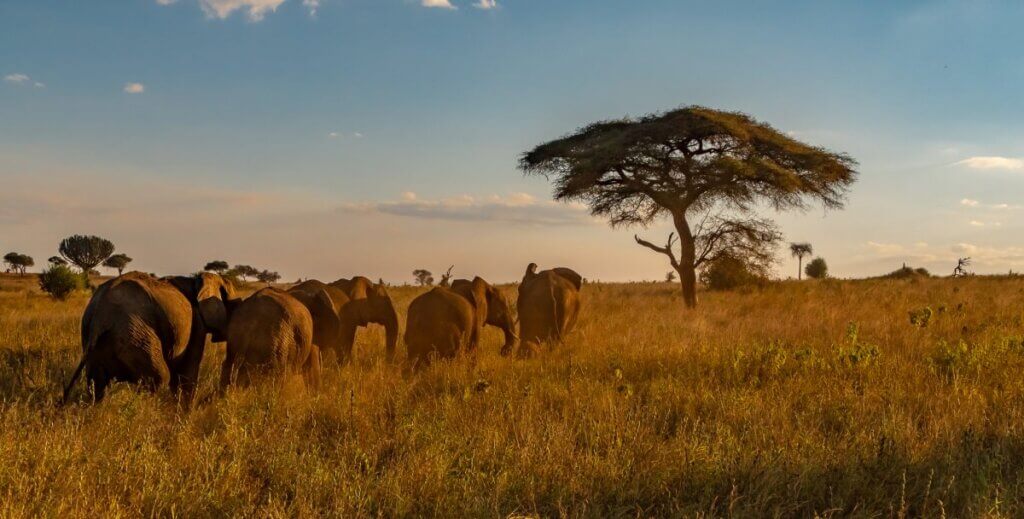
Furthermore, the Serengeti offers excellent wildlife viewing even when the migrating herds are not nearby. Resident lions, elephants, leopards, buffaloes, giraffes, and many other animals remain part of the ecosystem.
Consequently, spending more time in the Serengeti can reward you regardless of the exact location of the wildebeest.
Should You Add Ngorongoro Crater to a Migration Safari?
Many travelers choose to combine the Great Migration with Ngorongoro Crater. This combination can create a more complete Tanzania safari.
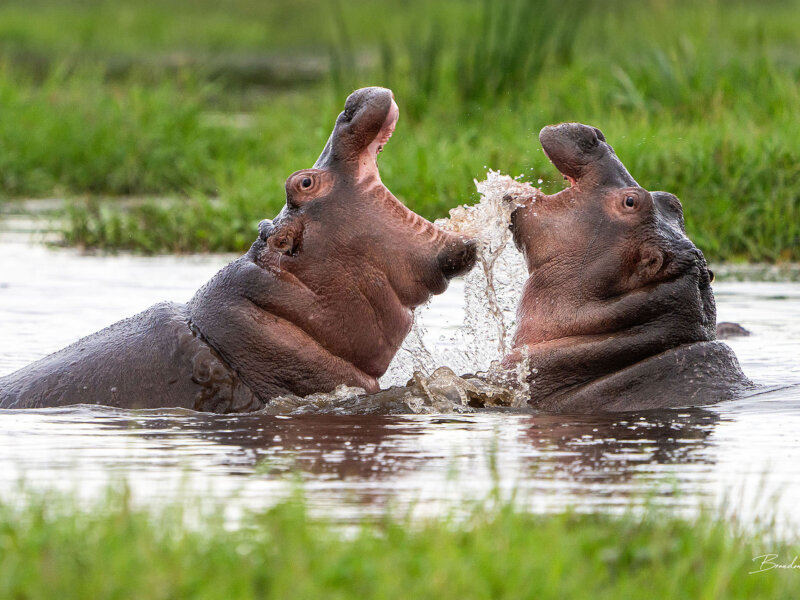
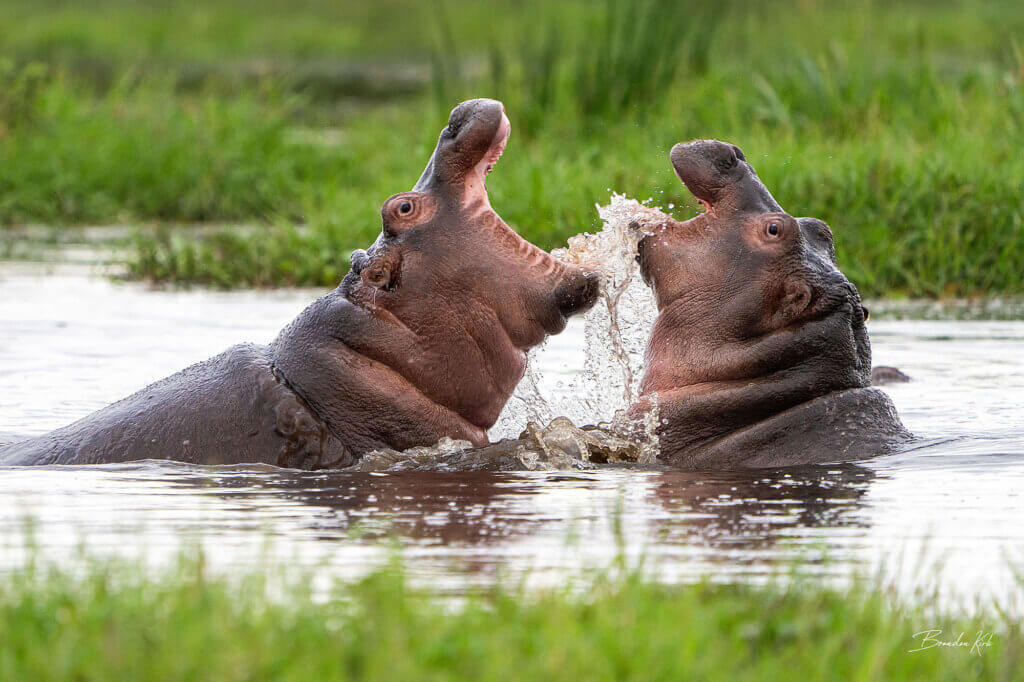
Ngorongoro offers a very different experience from the open plains of the Serengeti. The crater provides a concentrated wildlife environment where travelers can often see lions, elephants, buffaloes, hippos, zebras, and other species.
Adding Ngorongoro usually requires at least one or two nights, depending on your itinerary. If you have seven days, you can combine the crater with several nights in the Serengeti.
However, travelers with limited time should avoid adding too many destinations. Every transfer takes time, and long drives can reduce your time for game viewing.
The best approach involves balancing travel and wildlife. If migration remains your main goal, spend the majority of your safari in the region where the herds are likely to be.
If you have more than a week, you can comfortably combine the Serengeti with Ngorongoro and perhaps Tarangire.
How Many Days Do You Need for a Luxury Migration Safari?
Luxury migration safaris often work best with seven to ten days. This length allows travelers to enjoy premium accommodation while moving through Tanzania at a comfortable pace.
Luxury travel does not simply mean staying in expensive lodges. It also involves having enough time to enjoy each destination without rushing.
A longer itinerary allows you to spend several nights in carefully selected camps that place you close to wildlife areas. You can also include private game drives, scenic flights, cultural experiences, and time for relaxation.
During the migration season, luxury travelers may choose mobile tented camps that follow seasonal wildlife movements. This can provide an immersive experience while maintaining high standards of comfort.
However, the most important factor remains location. A luxury property far from the migration may offer excellent service but require long drives to reach the herds.
A well designed luxury migration safari should give you enough time to enjoy Tanzania’s landscapes, wildlife, food, hospitality, and culture without constantly watching the clock.
How Many Days Are Ideal for a Family Migration Safari?
Families should usually consider seven to ten days for a migration safari. Children often benefit from a slower pace that includes rest periods between game drives.
A rushed itinerary can become tiring, especially for younger travelers. Therefore, families should avoid changing accommodation every night.
Instead, choose a few well located camps and spend several nights in each. This approach creates stability and allows children to become comfortable with their surroundings.
Families can also include activities beyond traditional game drives. Depending on age and location, cultural experiences, nature walks, and educational activities can add variety.
The migration itself provides an excellent learning opportunity. Children can observe animal behavior, predator relationships, seasonal movement, and the importance of conservation.
Parents should also consider travel distances. A safari that looks short on a map can involve long driving times because of road conditions and park routes.
Consequently, families should prioritize quality time in fewer destinations rather than trying to see everything.
A seven day itinerary can often provide enough time for wildlife, relaxation, and family bonding.
How Many Days Should You Spend for the Complete Tanzania Safari?
Travelers who want a complete Tanzania safari experience should consider ten to fourteen days. This length allows you to combine the migration with several major destinations without rushing.
A longer journey can include Tarangire National Park, Ngorongoro Conservation Area, the Serengeti, and perhaps the northern Serengeti during the migration season.
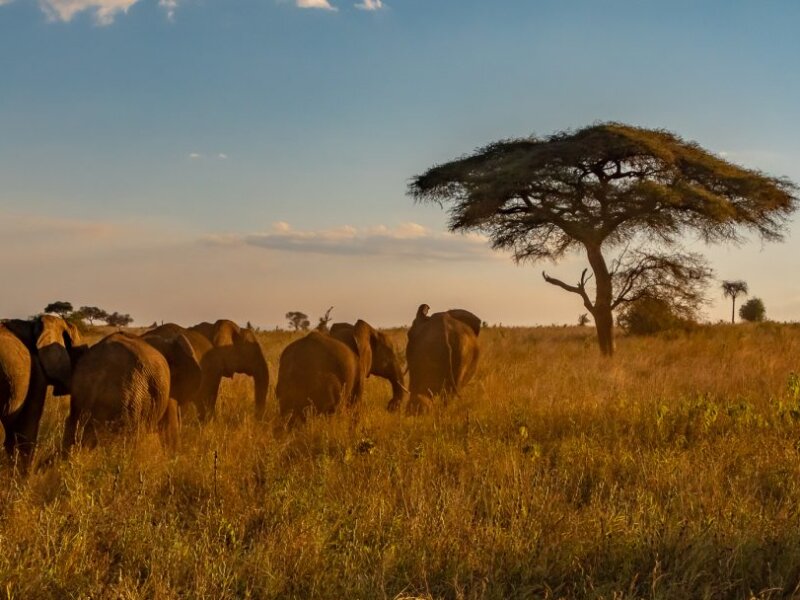
Each destination offers a different experience. Tarangire provides excellent elephant viewing and dramatic landscapes. Ngorongoro offers a concentrated wildlife environment, while the Serengeti provides the vast plains and seasonal movements associated with the Great Migration.
Travelers can also add cultural experiences or spend time in local communities.
However, the itinerary should remain seasonal. The best migration experience depends on where the herds move during your travel dates.
Giant Holiday Safaris can help travelers build a longer Tanzania itinerary that connects major wildlife regions while keeping the pace comfortable and realistic.
A ten to fourteen day safari provides enough time to appreciate Tanzania as a complete destination rather than viewing the migration as an isolated event.
How Should You Choose the Right Number of Safari Days?
The right number of days depends on your priorities, budget, travel season, and available time. Travelers who mainly want to experience the migration can consider five to seven days.
Those hoping to see Mara River crossings should spend at least three to five nights in the northern Serengeti. Travelers who want a complete Tanzania experience may benefit from ten to fourteen days.
Your budget also matters. Longer safaris require more accommodation, meals, park fees, transportation, and guiding costs.
However, adding more days does not always mean creating a better safari. The itinerary must remain well planned.
A seven day safari with excellent timing and strategic accommodation can provide a better experience than a fourteen day trip that spends too much time driving between distant destinations.
Therefore, focus on the quality of your itinerary rather than simply counting days.
Choose the right region for your travel season, allow enough time to enjoy wildlife, and avoid unrealistic promises about migration events.
With careful planning, your safari can feel exciting, comfortable, and deeply rewarding.
Making the Most of Your Time on the Great Migration
When deciding how many days do I need for migration safari, most travelers will find that five to seven days offers a practical starting point, while seven to ten days provides greater flexibility and comfort. If your main goal involves seeing a particular migration event, such as Mara River crossings, spend several nights in the northern Serengeti during the appropriate season. However, remember that wildlife follows nature rather than a travel calendar.
The best migration safari combines good timing, strategic accommodation, experienced guiding, and realistic expectations. A longer stay gives you more opportunities, but the quality of your itinerary matters just as much as the number of days.
For first time travelers, a five to seven day safari can deliver a powerful introduction to Tanzania. For families and luxury travelers, seven to ten days often creates a more relaxed journey. Those seeking a complete Tanzania experience can consider ten to fourteen days.
Ultimately, the answer to how many days do I need for migration safari depends on your personal travel goals. Give yourself enough time to slow down, watch the landscape change, follow the wildlife, and appreciate the journey. The Great Migration is not simply one event to check off a travel list. It is a living natural cycle, and the more time you give yourself to experience it, the greater your opportunity to connect with the wild heart of Tanzania.