What Is Luxury Migration Safari Tanzania
July 30, 2026
How Many Days Do I Need for Migration Safari
July 30, 2026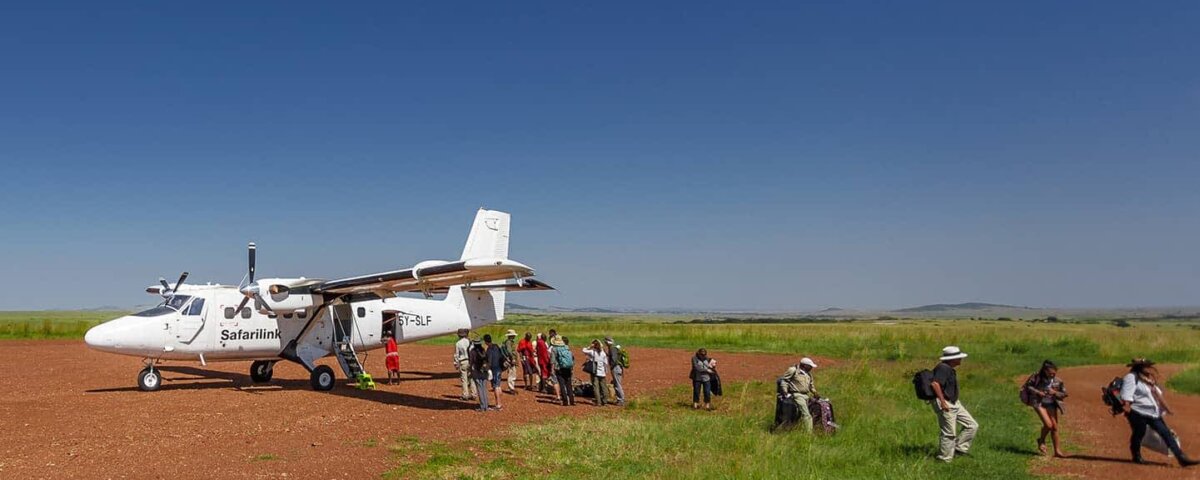
Can You Fly Directly to Masai Mara?
Masai Mara stands among the most iconic safari destinations in Africa, attracting travelers from every corner of the world who dream of seeing lions, elephants, cheetahs, wildebeest, and the breathtaking landscapes of Kenya’s wilderness. One of the most common questions international travelers ask before planning their safari is, “Can you fly directly to Masai Mara?” Understanding the available flight options helps visitors create a smooth travel experience and maximize their time inside the reserve.
The answer depends on the traveler’s starting point. While most international visitors cannot board a direct commercial flight from their home country straight into Masai Mara, they can easily connect through Kenya’s main aviation hubs and take scheduled domestic flights directly into the reserve’s airstrips. This convenient system allows travelers to move from major cities to the heart of the African wilderness within a few hours.
Kenya has developed a strong safari transport network that combines international airports, domestic airlines, and well managed airstrips located near safari camps and lodges. As a result, visitors can enjoy a comfortable journey without spending long hours on rough roads. Flying to Masai Mara provides an efficient option, especially for travelers with limited vacation time who want to focus more on wildlife experiences rather than transportation.
Planning a Masai Mara safari requires understanding the different routes, airlines, airports, and travel connections available. With the right information, visitors can choose the best option based on their budget, schedule, and preferred safari style.
Combined Uganda, Kenya, Rwanda and Tanzania Safaris
17 days Kenya Tanzania and Uganda safari
19 Days Uganda Kenya and Tanzania Safari
16 Days Kenya Tanzania and Uganda Safari
14 Days Kenya Uganda and Tanzania Safari
14 Days Kenya Uganda and Rwanda Safari
12 Day Gorilla Trekking and Tanzania Safari
Can You Fly Directly Into Masai Mara?
Yes, travelers can fly directly into Masai Mara, but the meaning of “directly” depends on the type of flight being considered. Masai Mara does not have a large international airport that receives long haul flights from destinations such as Europe, North America, Asia, or the Middle East. Instead, the reserve has several small airstrips designed specifically for safari aircraft. These airstrips connect visitors from Kenya’s major airports and towns directly to the wildlife area.
Most travelers begin their journey at Jomo Kenyatta International Airport in Nairobi after arriving on an international flight. From Nairobi, visitors can take a short domestic flight operated by local safari airlines to one of the airstrips located inside or near Masai Mara. The flight usually takes around 45 minutes to one hour, depending on the destination airstrip and weather conditions.
This travel arrangement creates a unique safari experience because visitors quickly transition from a busy city environment to open African landscapes filled with wildlife. During the flight, travelers often enjoy incredible views of Kenya’s countryside, including forests, farmland, mountains, and endless savannah plains.
Furthermore, flying directly to Masai Mara saves valuable time compared to driving from Nairobi, which can take approximately five to six hours depending on road conditions and traffic. Although road transfers offer scenic views and can suit travelers who enjoy overland journeys, flights provide convenience and comfort for those who want more time for game drives and relaxation.
Therefore, while Masai Mara does not receive international flights, visitors can still enjoy a direct safari flight connection from Kenya’s main travel points. This makes reaching the reserve easier and more accessible for international tourists.
How International Travelers Reach Masai Mara by Air
International travelers usually begin their Masai Mara journey by flying into Kenya through Nairobi. Nairobi serves as the country’s main international gateway and connects Kenya with many global destinations. Airlines from Europe, the Middle East, Africa, and other regions operate regular flights into the city, making it the most common starting point for a Masai Mara safari.
After arriving in Nairobi, travelers normally connect to a domestic flight heading toward Masai Mara. Several safari airlines operate daily flights from Nairobi’s smaller airports, especially Wilson Airport, which specializes in regional and safari flights. This airport provides quick access to Kenya’s famous national parks and reserves.
The connection process remains simple when travelers plan properly. Many safari packages include airport transfers, flight arrangements, and assistance with luggage handling. This approach reduces stress because professional safari planners coordinate the different stages of the journey.
Additionally, travelers should consider the timing between their international arrival and domestic departure. International flights often arrive at Jomo Kenyatta International Airport, while safari flights usually depart from Wilson Airport. Since these airports operate separately, visitors need enough transfer time between them. A well organized itinerary allows comfortable movement between airports without unnecessary delays.
For travelers coming from countries outside Africa, the journey to Masai Mara becomes a combination of international aviation and local safari aviation. This system works efficiently because Kenya has built strong tourism infrastructure around wildlife travel.
Moreover, choosing a reliable safari operator helps visitors manage flight schedules, airport transfers, accommodation bookings, and park activities. With professional planning, international travelers can enjoy a seamless transition from their home country to the heart of Kenya’s wilderness.
Which Airports Serve Masai Mara Safaris?
Masai Mara does not operate with one large airport like major cities around the world. Instead, it uses several small airstrips strategically located near different camps, lodges, and areas of the reserve. These airstrips allow safari aircraft to land close to accommodation facilities, reducing travel time after arrival.
Some of the commonly used airstrips include Keekorok Airstrip, Olkiombo Airstrip, Serena Airstrip, Musiara Airstrip, and Kichwa Tembo Airstrip. Each airstrip serves specific lodges and camps, allowing travelers to arrive closer to their chosen accommodation. The location of the airstrip often depends on where visitors stay within the Masai Mara ecosystem.
This network of airstrips creates flexibility because travelers do not need to travel long distances after landing. Instead, safari vehicles usually meet guests immediately after their flight and begin the transfer to the lodge or start a game drive.
Furthermore, these airstrips provide access throughout the year, although flight schedules can change depending on weather conditions and operational factors. Safari flights use smaller aircraft designed for remote destinations, which makes them ideal for reaching areas where large airports cannot operate.
Travelers should always confirm their arrival airstrip when booking accommodation because different camps use different landing locations. This information helps with proper planning and ensures smooth coordination between flights, vehicles, and accommodation providers.
The airport network around Masai Mara demonstrates how Kenya combines aviation and tourism expertise to make remote wildlife destinations accessible. This system allows visitors from around the world to experience one of Africa’s greatest natural wonders with greater comfort and efficiency.
How Long Does It Take to Fly From Nairobi to Masai Mara?
The flight from Nairobi to Masai Mara takes approximately 45 minutes to one hour, making air travel one of the fastest ways to reach the reserve. The short flight duration allows visitors to spend more time enjoying wildlife activities instead of traveling on long road journeys.
Safari flights usually depart from Wilson Airport in Nairobi, which handles many flights to Kenya’s national parks and reserves. Once the aircraft leaves Nairobi, travelers quickly experience a dramatic change in scenery. The city landscape disappears, and beautiful views of Kenya’s countryside, valleys, and grasslands appear below.
Although the flight itself is short, travelers should remember that safari aircraft operate differently from large commercial airlines. The planes are smaller, and flights may involve stops at different airstrips to drop off or collect passengers. These stops are normal and form part of the safari aviation experience.
Despite these additional stops, the overall journey remains efficient. Many travelers appreciate this style of flying because it offers a closer connection with the destination. Instead of simply moving from one airport to another, passengers begin experiencing the safari environment from the moment they take off.
For visitors with limited time, flying from Nairobi to Masai Mara creates a major advantage. A traveler arriving in Kenya in the morning can often reach the reserve the same day and enjoy an afternoon game drive. This allows more opportunities to discover wildlife and explore the beauty of the African savannah.
Choosing a flight connection also reduces physical tiredness, allowing guests to arrive at their lodge refreshed and ready for adventure. For honeymooners, families, photographers, and luxury safari travelers, this convenience makes flying an excellent choice.
What Are the Benefits of Flying Directly to Masai Mara?
Flying directly to Masai Mara offers several important advantages for travelers who want a comfortable, efficient, and memorable safari experience. The biggest benefit comes from saving valuable time. Kenya’s wildlife destinations cover large distances, and road journeys from Nairobi to Masai Mara can take several hours. By choosing a flight, visitors reduce travel time and arrive at the reserve faster, giving them more opportunities to enjoy game drives, photography, and relaxation.
Additionally, flying provides a higher level of comfort, especially for travelers arriving after long international journeys. Instead of spending many hours on busy roads, visitors can enjoy a peaceful flight over Kenya’s beautiful landscapes before landing close to their safari accommodation. This creates a smoother transition from international travel to wilderness exploration.
Another major advantage involves convenience. Safari flights connect directly with many camps and lodges around Masai Mara. Once visitors land, safari vehicles usually wait at the airstrip to transfer them to their accommodation or begin their first wildlife adventure. This organized process reduces delays and allows guests to settle into their safari experience quickly.
Moreover, flying creates opportunities for travelers with shorter holiday schedules. Many international visitors have limited vacation time, so every hour becomes valuable. A flight connection allows them to maximize their stay inside the reserve instead of spending a large part of their trip traveling by road.
Flying also offers a unique perspective of Kenya’s natural beauty. From the aircraft, travelers can see changing landscapes, rivers, forests, villages, and endless grasslands. This aerial view adds another exciting layer to the safari journey.
However, choosing to fly does not mean missing the adventure of the journey. Instead, it creates a different type of experience that combines modern travel convenience with the magic of African wilderness. For travelers seeking efficiency, comfort, and more time with wildlife, flying to Masai Mara remains one of the best transportation options.
Which Airlines Operate Flights to Masai Mara?
Several specialized safari airlines provide flights between Nairobi and Masai Mara. These airlines focus on connecting tourists with Kenya’s national parks and remote safari destinations. They operate smaller aircraft designed to land on short airstrips located near wildlife areas.
AirKenya Express is one of the well known operators offering scheduled flights to Masai Mara and other safari destinations in Kenya. The airline provides connections from Nairobi to different airstrips within the Masai Mara ecosystem, making it easier for travelers to access camps and lodges.
Safarilink also provides safari flights connecting Nairobi with Masai Mara and other popular wildlife destinations. The airline focuses on tourism routes and offers convenient schedules for travelers visiting Kenya’s national parks.
These airlines operate using aircraft suitable for remote safari environments. Because many Masai Mara airstrips have simple facilities rather than large airport buildings, passengers experience a more natural arrival process. Instead of walking through large terminals, travelers often step directly onto the African landscape.
Furthermore, safari airlines understand the needs of international visitors. Their schedules often connect with popular safari itineraries, allowing travelers to combine Masai Mara with other destinations such as Amboseli National Park, Samburu National Reserve, and coastal destinations.
When selecting an airline, travelers should consider flight schedules, luggage restrictions, and their accommodation location. Safari aircraft usually have limited luggage capacity, so visitors should pack according to airline guidelines. Soft sided bags often work best because they fit easily into smaller aircraft storage areas.
A professional safari planner can help coordinate flights with accommodation, transfers, and activities. This ensures every part of the journey connects smoothly from arrival in Kenya until departure.
What Should You Know Before Flying to Masai Mara?
Before booking a flight to Masai Mara, travelers should understand a few important details that make the journey easier and more enjoyable. Preparation helps avoid unexpected challenges and allows visitors to focus on the excitement of their safari.
First, luggage requirements differ from international flights. Safari aircraft usually have limited space, so airlines often apply weight restrictions. Travelers should pack lightweight clothing, essential travel items, cameras, and personal belongings in soft bags rather than large hard suitcases. Packing efficiently creates a smoother boarding process and avoids additional complications.
Secondly, flight schedules can change because safari flights depend on weather conditions and operational factors. Kenya’s climate varies throughout the year, and occasional weather changes can affect small aircraft operations. Travelers should maintain flexibility and allow enough time between connecting flights, especially when planning international departures.
Additionally, travelers should consider the location of their accommodation. Masai Mara covers a large area, and different camps connect to different airstrips. Choosing the correct arrival airstrip prevents unnecessary transfers and ensures quick access to the lodge.
Another important factor involves travel seasons. During peak safari periods, especially the Great Migration season between July and October, flight demand increases. Booking flights and accommodation early helps secure preferred travel dates and locations.
Furthermore, visitors should prepare for the unique experience of safari aviation. Small aircraft provide an exciting and personal travel experience, but they operate differently from commercial airplanes. Passengers may experience short stops at different airstrips, which is a normal part of safari travel.
Finally, travelers should work with experienced tourism professionals who understand Kenya’s safari systems. Proper planning creates a stress free journey and ensures visitors receive the best possible experience from arrival to departure.
Is Flying to Masai Mara Better Than Driving?
The choice between flying and driving to Masai Mara depends on personal preferences, travel time, budget, and the type of experience a visitor wants. Both options provide unique advantages, but flying often suits travelers who prioritize comfort and time efficiency.
Driving from Nairobi to Masai Mara offers an opportunity to experience Kenya’s countryside at ground level. Travelers can see local communities, farmland, towns, and changing landscapes along the route. The journey can also include stops at interesting locations, making it a valuable experience for visitors who enjoy road adventures.
However, the road journey requires several hours, and conditions may vary depending on weather and traffic. Some travelers may find the long drive tiring, especially after arriving from an international flight. Additionally, spending many hours on the road reduces the time available for wildlife activities.
On the other hand, flying allows visitors to reach Masai Mara quickly and comfortably. This option works especially well for luxury travelers, photographers, honeymooners, families with children, and visitors with limited vacation time. The shorter travel period means more time for morning and evening game drives, which are among the best moments for wildlife viewing.
Furthermore, flying creates a premium safari experience because guests arrive closer to their accommodation and begin their adventure sooner. The convenience makes it easier to combine Masai Mara with other destinations in Kenya or East Africa.
However, budget conscious travelers may prefer driving because it usually costs less and provides a longer connection with Kenya’s landscapes. The best choice depends on individual priorities.
Ultimately, both transportation methods can create unforgettable memories. The important factor involves choosing the option that matches the traveler’s goals, schedule, and expectations for their African adventure.
Best Time to Fly to Masai Mara for a Safari Experience
The best time to fly to Masai Mara depends on what travelers want to experience during their safari. Kenya welcomes visitors throughout the year, and each season offers unique opportunities for wildlife viewing, photography, and exploration.
The period between July and October remains one of the most popular times to visit because it coincides with the Great Migration. During this season, millions of wildebeest and other animals move through the Masai Mara ecosystem in search of fresh grazing areas. Travelers from around the world visit during this period to witness dramatic river crossings and incredible predator activity.
However, the high demand during migration season means flights and accommodations often fill quickly. Travelers planning to visit during this time should organize their safari well in advance to secure their preferred arrangements.
The months between January and March also provide excellent safari conditions. During this period, the weather is generally favorable, and wildlife viewing remains rewarding. Many animals gather around water sources, creating excellent opportunities for photography.
The rainy seasons, usually occurring around March to May and October to December, create a different type of experience. The landscape becomes greener, bird activity increases, and fewer tourists visit the reserve. Travelers who prefer quieter safaris may enjoy this period.
Regardless of the season, flying to Masai Mara remains convenient because flights operate throughout the year. The right travel period depends on personal interests, budget, and the type of wildlife experience desired.
Professional safari planning helps visitors choose the ideal season and create an itinerary that matches their expectations. With proper timing, every journey to Masai Mara can deliver unforgettable moments.
Conclusion: Fly to Masai Mara for an Unforgettable African Safari Adventure
Flying directly to Masai Mara provides one of the easiest, fastest, and most comfortable ways to begin a Kenyan safari. Although international travelers cannot fly directly from overseas destinations into the reserve, Kenya’s excellent aviation network makes the journey simple through connections from Nairobi. Safari flights transport visitors from major airports into the heart of the wilderness within a short time, allowing more hours for wildlife encounters and unforgettable experiences.
Masai Mara continues to attract travelers because it combines breathtaking landscapes, incredible wildlife, and authentic African culture. Whether visitors travel during the Great Migration or choose a quieter season, reaching the reserve by air creates a smooth start to their adventure.
A successful safari depends on careful planning, reliable transportation, and expert knowledge of the destination. Choosing the right flight connections, accommodation, travel season, and safari activities ensures that every moment becomes meaningful. The journey itself becomes part of the adventure, from the first flight over Kenya’s landscapes to the first sighting of animals across the savannah.
For travelers seeking a trusted partner to organize a seamless Masai Mara experience, Giant Holiday Safaris provides professional guidance, reliable safari planning, and unforgettable African adventures. With strong destination knowledge and a commitment to quality travel experiences, Giant Holiday Safaris helps guests discover Kenya’s wilderness with confidence, comfort, and lasting memories.