
Which Camps Are Best in Tarangire
August 12, 2026
Is Tarangire Good for Photography
August 12, 2026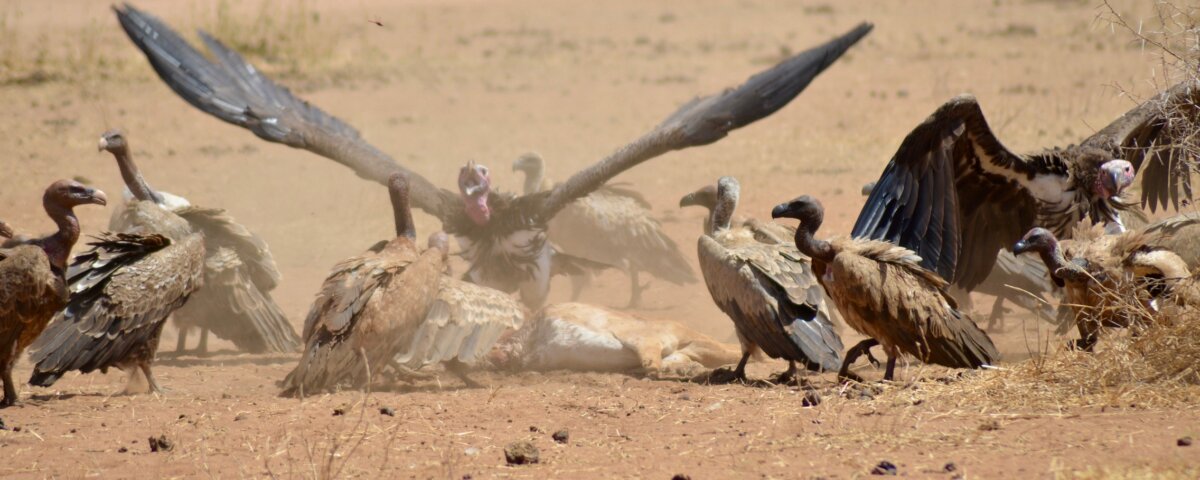
What Birds Can I See in Tarangire
Tarangire National Park is widely known for its giant elephant herds and ancient baobab trees, but it is also one of Tanzania’s finest birdwatching destinations. Visitors who ask what birds can I see in Tarangire often discover that the park is home to more than 550 recorded bird species, making it a paradise for both experienced birders and first-time safari travelers. From colorful kingfishers and elegant bee-eaters to powerful birds of prey and towering ostriches, Tarangire offers incredible bird diversity throughout the year.
The park’s rich variety of habitats creates ideal conditions for birdlife. Permanent rivers, seasonal swamps, open grasslands, acacia woodlands, and scattered wetlands attract resident birds as well as thousands of migratory species. Every game drive presents new opportunities to observe birds displaying remarkable colors, fascinating behaviors, and beautiful songs.
At Giant Holiday Safaris, we encourage travelers to look beyond the famous mammals and appreciate Tarangire’s impressive birdlife. Birdwatching adds another exciting dimension to every safari while allowing visitors to discover species that many people overlook. This guide explores the remarkable birds found in Tarangire, the best places to see them, and the seasons that offer outstanding birdwatching opportunities.
Combined Uganda, Kenya, Rwanda and Tanzania Safaris
17 days Kenya Tanzania and Uganda safari
19 Days Uganda Kenya and Tanzania Safari
16 Days Kenya Tanzania and Uganda Safari
14 Days Kenya Uganda and Tanzania Safari
14 Days Kenya Uganda and Rwanda Safari
12 Day Gorilla Trekking and Tanzania Safari
Why Tarangire Is One of Tanzania’s Top Birdwatching Destinations
Tarangire National Park stands among East Africa’s premier birdwatching locations because it combines exceptional species diversity with varied natural habitats. Unlike parks that feature only one dominant landscape, Tarangire offers rivers, marshes, floodplains, rocky hills, woodland, and open savannah. Each habitat attracts different bird communities throughout the year.
The Tarangire River plays a particularly important role in supporting birdlife. Even during the dry season, it provides reliable water that attracts waterbirds, waders, fish-eating birds, and numerous woodland species. Nearby swamps remain productive feeding grounds where visitors regularly observe herons, storks, ibises, and egrets gathering in impressive numbers.
The park’s ancient baobab trees also contribute to its bird diversity. Their massive trunks and broad branches provide nesting sites, resting places, and food sources for many species. Colorful barbets, hornbills, rollers, and woodpeckers frequently appear around these iconic trees, offering excellent photography opportunities.
Tarangire also supports healthy populations of birds of prey. Eagles, vultures, hawks, falcons, and owls patrol the skies or perch in tall trees while searching for prey. Their presence reflects the park’s healthy ecosystem and balanced food chain.
Whether you are an experienced birder carrying binoculars or simply enjoy watching wildlife during your safari, Tarangire provides rewarding bird encounters that complement its famous mammal sightings.
Colorful Birds That Brighten Every Safari
Many visitors searching for what birds can I see in Tarangire are amazed by the incredible range of colors displayed by the park’s resident bird species. Bright feathers, striking patterns, and unique behaviors make these birds some of the most memorable wildlife encounters during a safari.
The Lilac-breasted Roller is one of Tarangire’s most photographed birds. Its brilliant combination of blue, turquoise, green, lilac, and chestnut feathers creates a spectacular display, especially when it glides gracefully between tree branches. This species frequently perches in open areas where photographers can capture excellent images.
Lovebirds also add vibrant color to the landscape. The Yellow-collared Lovebird, which is common in northern Tanzania, often appears in noisy flocks feeding on seeds or resting in acacia trees. Their bright green plumage and cheerful behavior delight birdwatchers throughout the year.
Bee-eaters contribute another splash of color. Species such as the Little Bee-eater and White-fronted Bee-eater display vivid green, blue, yellow, and chestnut feathers while catching insects in midair with remarkable precision. Watching these agile birds perform graceful aerial hunts becomes one of the highlights of many safaris.
Other colorful residents include kingfishers, barbets, starlings, and weavers. Together, they create a constantly changing display of movement and color that enhances every game drive. Their presence reminds visitors that Tarangire offers far more than large mammals alone.
Birds of Prey Found in Tarangire National Park
Tarangire provides excellent opportunities to observe Africa’s impressive birds of prey. These powerful hunters play a vital role in maintaining healthy ecosystems and often become favorites among wildlife enthusiasts because of their strength, speed, and remarkable hunting skills.
Martial Eagles rank among the park’s most impressive raptors. As one of Africa’s largest eagles, they soar high above the plains before diving with incredible speed to capture prey. Their sharp eyesight allows them to detect movement from great distances.
African Fish Eagles frequently appear near rivers and wetlands. Their distinctive black, white, and chestnut plumage makes them easy to recognize, while their unmistakable call has become one of Africa’s most iconic wildlife sounds. Visitors often spot them perched above the Tarangire River waiting to catch fish.
Several vulture species also inhabit the park, including White-backed Vultures, Lappet-faced Vultures, and Rüppell’s Griffon Vultures. Although they receive less attention than colorful birds, these scavengers perform an essential ecological role by cleaning the environment and limiting the spread of disease.
Other notable birds of prey include Bateleurs, Tawny Eagles, African Harrier Hawks, kestrels, and falcons. Observing these magnificent raptors adds excitement to every safari while showcasing another important part of Tarangire’s extraordinary biodiversity.
Waterbirds and Wetland Species in Tarangire
Although Tarangire is famous for its dry savannah and towering baobab trees, its rivers, swamps, and seasonal wetlands support an impressive variety of waterbirds. Travelers asking what birds can I see in Tarangire often discover that these wet habitats provide some of the park’s richest birdwatching opportunities. During both the dry and wet seasons, birds gather around permanent water sources to feed, rest, and breed.
The Tarangire River remains the park’s most important water source throughout the year. Along its banks, visitors regularly spot African Openbills, Saddle-billed Storks, Yellow-billed Storks, Sacred Ibises, and several species of herons and egrets. These birds patiently search the shallow water for fish, frogs, insects, and other small aquatic animals.
The park’s swamps also attract colorful waterfowl. Egyptian Geese, Spur-winged Geese, African Jacanas, and various ducks move through the wetlands while feeding among floating vegetation. African Jacanas stand out because of their unusually long toes, which allow them to walk across floating lily pads with ease.
Kingfishers add even more excitement to these areas. Malachite Kingfishers, Pied Kingfishers, and Giant Kingfishers perch quietly above the water before diving with remarkable speed to catch fish. Watching these birds hunt offers an unforgettable wildlife experience.
Exploring Tarangire’s wetlands allows birdwatchers to enjoy a completely different side of the park while discovering species that rarely appear in the surrounding woodlands and grasslands.
Migratory Birds That Visit Tarangire Throughout the Year
One reason bird enthusiasts continue returning to Tarangire is the arrival of migratory birds that increase the park’s already remarkable diversity. Visitors interested in what birds can I see in Tarangire during different seasons will find that migration adds new species and exciting birdwatching opportunities throughout the year.
Many migratory birds travel from Europe, Asia, and other parts of Africa to spend part of the year in Tanzania. Most arrive between November and April, when food becomes abundant after seasonal rains. During this period, Tarangire’s wetlands, grasslands, and woodlands become even more active with visiting species.
European Bee-eaters bring brilliant colors and graceful flight displays as they hunt flying insects above open plains. European Rollers also appear during migration, adding vibrant blue plumage to the landscape. Several species of swallows, wagtails, cuckoos, and sandpipers join Tarangire’s resident birds, creating exceptional variety for photographers and birdwatchers.
Migratory shorebirds often gather around seasonal pools and marshes where they feed alongside resident waterbirds. Their arrival transforms these wetlands into lively feeding grounds filled with constant movement and activity.
Because resident and migratory birds share the same habitats during these months, visitors can observe an extraordinary number of species within a single game drive. Birdwatching during the green season therefore becomes one of Tarangire’s hidden highlights, rewarding travelers with colorful sightings that complement the park’s famous wildlife safaris.
The Best Places to Spot Birds in Tarangire
Knowing where to search makes birdwatching even more rewarding. While birds appear throughout the park, several areas consistently attract greater numbers of species because they provide reliable food, water, nesting sites, and shelter. Travelers wondering what birds can I see in Tarangire should spend time exploring these productive habitats with the help of an experienced safari guide.
The Tarangire River remains the park’s premier birdwatching location. Permanent water attracts fish-eating birds, waders, raptors, and woodland species throughout the year. Early morning visits often provide the best opportunities because birds become highly active shortly after sunrise.
Silale Swamp is another outstanding location, especially during the dry season when wildlife gathers around remaining water sources. The wetland supports large numbers of storks, herons, ibises, geese, jacanas, and many migratory birds. Bird activity remains high throughout the day, making this area particularly rewarding for photographers.
The acacia woodlands surrounding the river host colorful rollers, hornbills, barbets, woodpeckers, weavers, and numerous songbirds. Meanwhile, the ancient baobab trees provide nesting sites for several species while attracting birds searching for insects and fruit.
Open grasslands offer excellent opportunities to observe ostriches, secretary birds, bustards, lapwings, and birds of prey searching for food. By visiting a variety of habitats during your safari, you maximize your chances of seeing both common and rare species while gaining a deeper appreciation of Tarangire’s extraordinary birdlife.