
Kenya Safari Food and Dining Experience
April 21, 2026
What to Wear on a Kenya Safari
April 21, 2026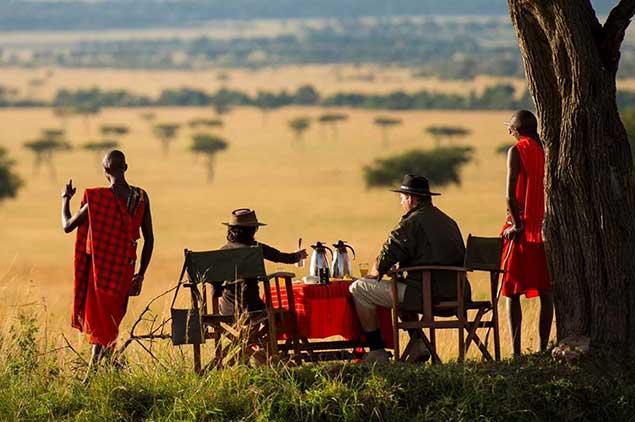
Kenya Safari Language and Culture Guide
Kenya Safari Culture Guide: Kenya safari culture guide helps you explore more than wildlife. It gives you the tools to connect with people, understand traditions, and travel with confidence. From the moment you arrive, culture shapes every experience, from greetings to meals and daily interactions.
Kenya offers rich diversity with over 40 ethnic groups, each with unique traditions and languages. Because of this, cultural awareness becomes essential. Understanding how people communicate and live makes your journey more meaningful and smooth.
At the same time, culture builds trust. Locals respond warmly when you show respect and curiosity. Deeper conversations, better service, and authentic experiences naturally follow.
This guide gives you clear insights into language, customs, etiquette, and beliefs. As a result, you gain confidence, avoid common mistakes, and position yourself as a respectful global traveler. In the end, your safari becomes a complete cultural journey, not just a wildlife adventure.
Languages You Will Hear on a Kenya Safari
Kenya safari culture guide starts with language because communication shapes every interaction. Kenya uses two official languages: English and Swahili. In tourism settings, English dominates, making it easy for international travelers to communicate with guides, hotel staff, and service providers.
However, Swahili connects people across the country. It is widely heard in markets, towns, and everyday conversations. Because of this, learning a few Swahili words improves your experience instantly and shows effort that locals appreciate.
Beyond these, Kenya has over 40 indigenous languages. Communities like Kikuyu, Luo, Luhya, Maasai, and Kalenjin each have their own language. These languages reflect identity, history, and pride.
Although you may not learn them, knowing they exist adds depth to your journey. Kenya begins to feel like a collection of vibrant cultures rather than a single destination.
In addition, language often shifts depending on context. People may switch between English and Swahili in one conversation, showing how dynamic communication feels in Kenya.
Embracing this diversity opens doors to better conversations, deeper understanding, and stronger connections throughout your safari.
Kenya Safari Culture Guide to Swahili Phrases
Kenya safari culture guide becomes practical when you learn simple Swahili phrases. These words help you connect quickly and create positive interactions.
Start with greetings because they matter deeply in Kenyan culture. Saying “Jambo” or “Habari” sets a friendly tone, while replying “Nzuri” keeps the conversation flowing.
Polite expressions should also be part of your daily use. “Asante” means thank you, while “Tafadhali” means please. Such words show respect and kindness in every situation.
During your safari, practical phrases help even more. For example, “Bei gani?” helps when shopping, and “Ndiyo” or “Hapana” allows you to respond clearly. Saying “Karibu” when welcomed also shows cultural awareness.
Although your pronunciation may not be perfect, effort matters more than accuracy. A genuine attempt is often met with warmth and appreciation.
As a result, interactions improve, communication becomes smoother, and meaningful connections form. Language becomes a bridge that enhances every part of your safari experience.
Kenya Safari Culture Guide to Ethnic Diversity
Kenya safari culture guide highlights the country’s cultural diversity as one of its greatest strengths. Over 40 ethnic groups contribute to unique traditions and lifestyles.
The Maasai stand out for their strong identity. Their red clothing, beadwork, and traditional practices are widely recognized. A deep connection with nature and livestock shapes their daily life.
Meanwhile, the Kikuyu focus on farming and business, valuing land, family, and community responsibility. The Luo community, on the other hand, thrives near Lake Victoria, where fishing plays a major role.
Among the Luhya, vibrant ceremonies filled with music and dance reflect strong community bonds and cultural pride.
As you travel, differences in clothing, language, and customs become clear. Even so, shared values such as hospitality and respect unite these communities.
Understanding this diversity allows you to appreciate Kenya beyond wildlife. Rich stories, traditions, and identities begin to shape a more meaningful journey.
Kenya Safari Culture Guide to Etiquette
Kenya safari culture guide emphasizes etiquette because respect shapes your entire experience. Even small actions can create strong positive impressions.
Always greet people when you meet them. In Kenya, greetings build trust and show respect, so skipping them may seem rude. Taking a moment to acknowledge others sets the right tone.
Respect for elders remains important. Many communities value age and experience, so greeting older individuals first and maintaining politeness is expected.
Modest dressing is recommended, especially in rural areas. While cities may feel more relaxed, conservative clothing reflects cultural awareness.
Before taking photos, ask for permission. This simple step respects privacy and strengthens trust.
Public displays of affection should also remain limited. Many communities prefer modest behavior, and respecting this helps you fit in comfortably.
Following these etiquette practices helps avoid misunderstandings and encourages positive relationships. Your safari becomes smoother and more enjoyable.
Kenya Safari Culture Guide to Food and Dining
Kenya safari culture guide includes food because cuisine reflects culture and community. Meals bring people together and reveal insights into daily life.
Ugali serves as a staple dish across Kenya. It pairs with vegetables, meat, or stew and provides energy for daily activities.
Nyama choma stands out as a favorite dish. This grilled meat often brings people together during social gatherings and represents celebration and connection.
Along the coast, cuisine offers something different. Coconut rice, seafood, and rich spices reflect historical trade and cultural influences.
Dining etiquette also plays a role. Many people wash their hands before eating, especially when using their hands. Sharing meals reflects unity and hospitality.
Accepting food when offered shows respect. Even a small portion demonstrates appreciation for the host’s effort.
Trying local dishes enhances your experience. Cultural understanding deepens as you enjoy flavors that define Kenyan life.
Kenya Safari Culture Guide to Cultural Experiences
Kenya safari culture guide encourages cultural experiences because they enrich your journey beyond wildlife. These moments create lasting memories.
Visits to local villages provide insight into daily life. Traditions, crafts, and community values often come alive through storytelling and dance.
Museums and cultural centers also offer valuable knowledge. They present Kenya’s history, art, and heritage in engaging ways.
Traditional performances bring culture to life through music and dance, reflecting identity and beliefs in vibrant ways.
Markets present another opportunity for interaction. Exploring handmade goods and engaging with locals allows you to practice language skills while enjoying the experience.
Including such activities creates a balanced safari. The journey becomes more than sightseeing as real connections and stories emerge.
Kenya Safari Culture Guide to Religion and Beliefs
Kenya safari culture guide explains religion because beliefs influence daily life. Understanding them helps you travel respectfully.
In many regions, Christianity dominates, with churches serving as key social and community centers.
Along the coast, Islam plays a strong role. Its influence appears in dress, architecture, and daily routines.
Traditional beliefs also remain present, with many communities connecting to ancestors and nature through spiritual practices.
Religious tolerance is widely practiced in Kenya. Different beliefs coexist peacefully, creating a welcoming environment for visitors.
As a traveler, avoid sensitive discussions unless invited. Dressing appropriately and respecting customs at religious sites is important.
Respect for beliefs builds trust and enhances your overall cultural experience.
Kenya Safari Culture Guide to Communication Tips
Kenya safari culture guide ends with communication tips because they shape your daily interactions. Clear communication makes your safari smooth and enjoyable.
Use simple and clear language to avoid confusion. At the same time, listening carefully and staying patient improves conversations.
Making an effort to use Swahili phrases strengthens connections. Even small attempts leave a positive impression.
Non-verbal cues also matter. Smiling, maintaining eye contact, and using polite gestures help create a welcoming atmosphere.
Keeping an open mind is essential. Cultural differences may influence communication styles, and responses may sometimes be indirect.
When unsure, ask questions respectfully. Most locals appreciate curiosity and are willing to share their knowledge.
At Giant Holiday Safaris, communication is tailored to ensure every traveler feels comfortable and understood. Guides support you throughout your journey, helping you connect easily with local communities while enjoying a smooth and enriching safari experience.
Conclusion
Kenya safari food adds flavor, comfort, and cultural depth to your journey. Every meal becomes part of the adventure, from bush breakfasts to elegant dinners under the stars. Exploring local dishes, respecting customs, and enjoying diverse settings creates a richer travel experience. Food connects you with people, traditions, and Kenya beyond its wildlife. At Giant Holiday Safaris, we design every safari with attention to detail, including exceptional dining. Each meal reflects quality, authenticity, and comfort, so you enjoy both the journey and the destination. In the end, your safari becomes more than a visual adventure—it transforms into a complete sensory journey where food, culture, and exploration create lasting memories.
Combined Uganda, Kenya, Rwanda and Tanzania Safaris
17 days Kenya Tanzania and Uganda safari
19 Days Uganda Kenya and Tanzania Safari
16 Days Kenya Tanzania and Uganda Safari
14 Days Kenya Uganda and Tanzania Safari
14 Days Kenya Uganda and Rwanda Safari