
Kenya Safari Visa Requirements
April 21, 2026
Kenya Safari Food and Dining Experience
April 21, 2026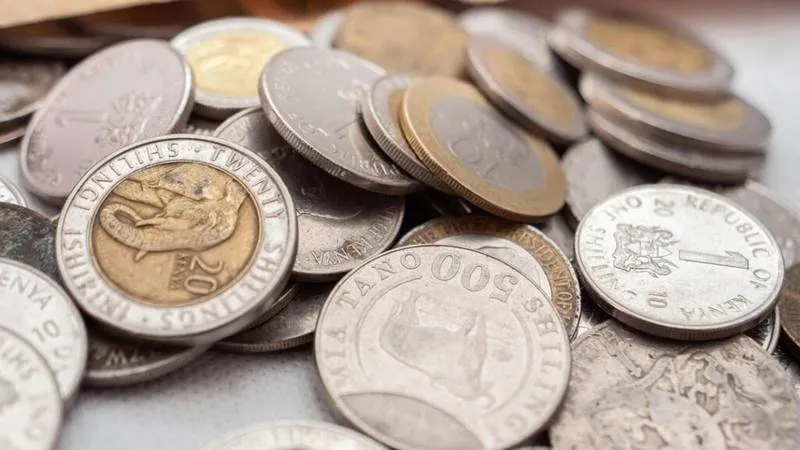
Kenya Safari Currency and Payment Guide
Kenya Safari Currency and Payment Guide helps travelers navigate financial transactions with ease while exploring Africa’s most iconic safari destinations. Moreover, understanding how money works in Kenya ensures smooth experiences, whether you are paying for park entry, tipping guides, or buying souvenirs. Consequently, this guide provides practical insights into local currency, payment methods, and budgeting strategies. By mastering these basics, you avoid unnecessary stress and focus on enjoying the adventure. In addition, with clear explanations and actionable tips, this guide empowers travelers to manage money confidently, making your safari both memorable and hassle‑free.
Understanding Kenya’s Currency
Kenya’s national currency is the Kenyan Shilling (KES), with banknotes available in 50, 100, 200, 500, and 1,000 shilling values, and coins spanning from 1 to 40 shillings. Therefore, getting familiar with these values before your trip can help prevent mix-ups when paying for things.
You can exchange money at various locations, including banks, foreign exchange bureaus, and airports. However, since rates differ between providers, shopping around can help you get more for your money. Additionally, having smaller notes and coins on hand is a good idea for tips and small everyday purchases.
Although electronic payments are increasingly accepted for larger transactions, cash is still a necessity in remote safari regions. Thus, a smart approach for any Kenya safari trip is to maintain a healthy mix of physical cash and digital payment methods to cover all situations comfortably.
Payment Options in Kenya Safari Guide
When going on a safari in Kenya, it helps to have several payment options at your disposal. Major hotels, lodges, and city restaurants generally accept credit and debit cards, with Visa and Mastercard being the most widely recognized. Nevertheless, more remote safari camps often prefer cash payments. Furthermore, mobile money, especially M-Pesa, is deeply embedded in everyday Kenyan life, allowing travelers to cover everything from meals and transport to national park entry fees using just their phone.
While ATMs can be found in larger towns, it’s a good idea to withdraw cash before venturing into less populated areas. Ultimately, a smart approach combines cards, cash, and mobile payments to ensure you’re covered in any situation.
Budgeting Tips from Kenya Safari Currency Guide
Budgeting ensures you enjoy your safari without financial surprises. Daily expenses include park fees, meals, tips, and optional activities. For example, national park entry fees vary, with popular reserves like Maasai Mara charging higher rates. Additionally, tipping guides and drivers is customary, usually 5–10 USD per day. Souvenirs, snacks, and local crafts add to expenses.
Travelers should set aside emergency funds for unexpected costs. Moreover, using a mix of cash and mobile money helps manage spending efficiently. This Kenya Safari Currency and Payment Guide encourages travelers to plan budgets carefully, ensuring a stress‑free adventure.
Currency Exchange Tips
Exchanging currency wisely saves money. Forex bureaus often offer better rates than airports or hotels. Therefore, travelers should avoid exchanging large amounts at once; instead, convert gradually to match daily needs. In addition, keeping receipts from exchanges helps track spending and proves useful for re‑converting unused shillings.
Avoid street vendors offering currency exchange, as they may be unsafe or unreliable. This Kenya Safari Currency and Payment Guide advises travelers to rely on reputable institutions for secure transactions.
Mobile Money in Kenya Safari Payment Guide
Kenya leads Africa in mobile money innovation, with M‑Pesa as the most popular platform. Travelers can register with a local SIM card to access M‑Pesa services. Consequently, payments are instant, secure, and widely accepted, even in rural safari lodges.
Mobile money reduces the need to carry large amounts of cash, enhancing safety. Furthermore, digital payments simplify group travel, allowing easy cost‑sharing among companions. This Kenya Safari Currency and Payment Guide highlights mobile money as a game‑changer for modern safari experiences.
Safety Tips in Safari Currency Guide Kenya
Handling money safely is crucial during a safari. Travelers should avoid displaying large amounts of cash in public. Instead, using hotel safes to store extra currency and valuables is recommended. Moreover, when withdrawing from ATMs, choose secure locations like banks.
Mobile money offers added security, reducing risks associated with carrying cash. Additionally, travelers should remain cautious of scams and counterfeit notes. This Kenya Safari Currency and Payment Guide emphasizes vigilance and smart practices to protect finances throughout the journey.
Tipping on Safari in Kenya
Tipping is an important part of safari culture. Guides, drivers, and lodge staff often rely on tips as part of their income. Standard tips range from 5–10 USD per person per day for guides and 1–2 USD for lodge staff. Travelers should prepare small denominations in shillings or dollars for tipping. Moreover, offering tips in envelopes adds a professional touch.
At Giant Holiday Safaris, we encourage respectful tipping practices that support local communities and enhance service quality. By showing appreciation through fair tips, you help sustain the dedicated teams who make your safari experience memorable.
Common Mistakes to Avoid
Travelers often make mistakes with money management on safari. For instance, carrying only large bills can cause problems when paying for small items. Similarly, relying solely on cards may leave you stranded in rural areas. Ignoring mobile money options limits convenience. Exchanging currency at poor rates reduces value. Finally, forgetting to budget for tips and souvenirs can strain finances.
This Kenya Safari Currency and Payment Guide helps beginners avoid these pitfalls, ensuring smooth financial management during their adventure.
For a well‑planned safari experience, consider traveling with Giant Holiday Safaris. With their expertise, you are positioned in the best locations for photography and enjoy a smooth journey from start to finish.
Combined Uganda, Kenya, Rwanda and Tanzania Safaris
17 days Kenya Tanzania and Uganda safari
19 Days Uganda Kenya and Tanzania Safari
16 Days Kenya Tanzania and Uganda Safari
14 Days Kenya Uganda and Tanzania Safari
14 Days Kenya Uganda and Rwanda Safari