Climb the Northern Circuit and Explore Every Side of Kilimanjaro
April 20, 2026
Kenya Safari Insurance Guide
April 20, 2026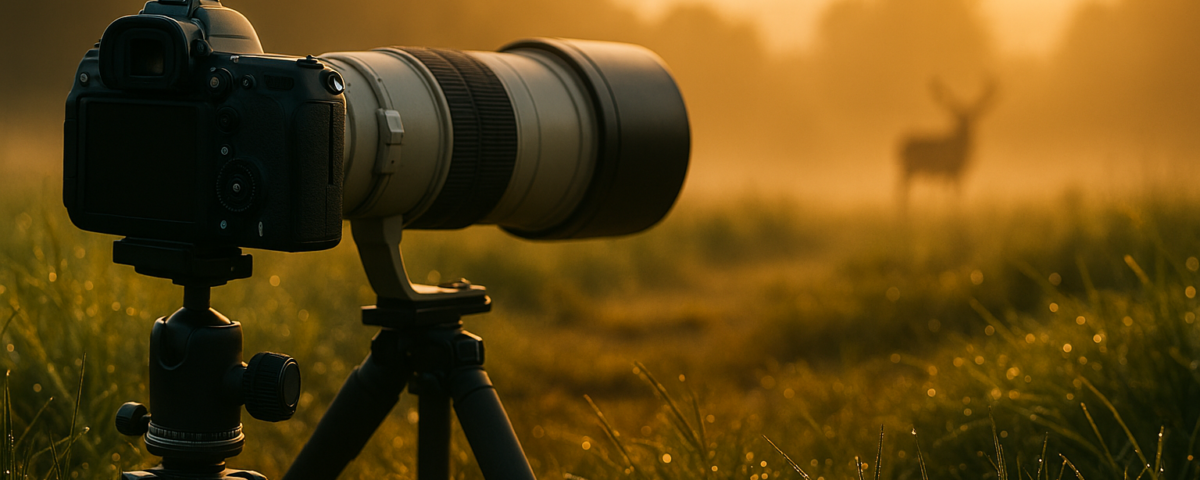
Kenya Safari Photography Beginner’s Guide
The Kenya Safari Photography Guide offers beginners the chance to capture Africa’s raw beauty in unforgettable frames. From golden savannahs dotted with acacia trees to wildebeest crossing rivers, every moment tells a story worth preserving. Moreover, photography on safari is not just about pointing a camera; it is about anticipating wildlife behavior, mastering light, and respecting nature. With this guide, you gain practical skills, confidence, and insights that transform your safari into a gallery of memories.
Why a Kenya Safari Photography Guide Matters
Photography plays a vital role in preserving Africa’s heritage. Each image records wildlife behavior, migration patterns, and conservation efforts. In addition, beginners develop awareness of the delicate balance between humans and nature. Capturing a lion’s gaze or an elephant’s stride reminds us why conservation is essential. Furthermore, sharing these images allows travelers to inspire responsible tourism and support local communities.
Essential Gear for Kenya Safari Photography Guide
Choosing the right gear makes a huge difference. Beginners should start with a DSLR or mirrorless camera with interchangeable lenses. A zoom lens, ideally 70–300mm, helps capture animals at a safe distance, while wide‑angle lenses are perfect for landscapes. In addition, extra batteries and memory cards are essential for long drives. A sturdy camera bag protects equipment from dust and bumps, and tripods are useful for steady shots at dawn or dusk. Rather than chasing expensive upgrades, versatile gear ensures adaptability in different safari conditions.
Kenya Safari Photography Lighting and Timing Guide
Light defines photography, and timing is everything. Early mornings and late afternoons provide soft, golden light that enhances colors and textures. Although midday sun can be harsh, careful settings still produce striking results. Beginners should also learn aperture and shutter speed to balance exposure. Equally important, timing matters in wildlife behavior: predators hunt at dawn, while elephants gather near waterholes in the evening. By combining light awareness with patience, photographers capture authentic moments.
Composition Techniques
Composition transforms ordinary photos into compelling stories. For instance, applying the rule of thirds by placing subjects off‑center creates dynamic balance. Leading lines, such as rivers or tracks, guide the viewer’s eye, while foreground elements like grass or rocks add depth. Additionally, avoiding clutter by focusing on one subject strengthens impact. Patience is key; waiting for eye contact or unique behavior produces powerful images. Experimenting with angles elevates safari photography from snapshots to art.
Wildlife Etiquette and Safety
Respecting wildlife ensures both safety and ethical photography. Animals are not props; they are living beings in their natural habitat. Therefore, keep a safe distance, avoid loud noises, and never feed or provoke wildlife. Guides provide valuable instructions, and following them is essential. Moreover, ethical photography means avoiding flash at night. Responsible practices strengthen Kenya’s reputation as a sustainable safari destination.
Practical Tips for Beginners
Preparation before stepping into the savannah makes a big difference. Practice camera settings at home, learn manual mode, and carry a notebook for observations. In addition, dress in neutral colors to blend in, and remember hydration and sun protection. Most importantly, stay patient; wildlife does not perform on cue. By combining preparation with adaptability, beginners maximize their chances of capturing Kenya’s magic.
Enhancing the Safari Experience Through Photography
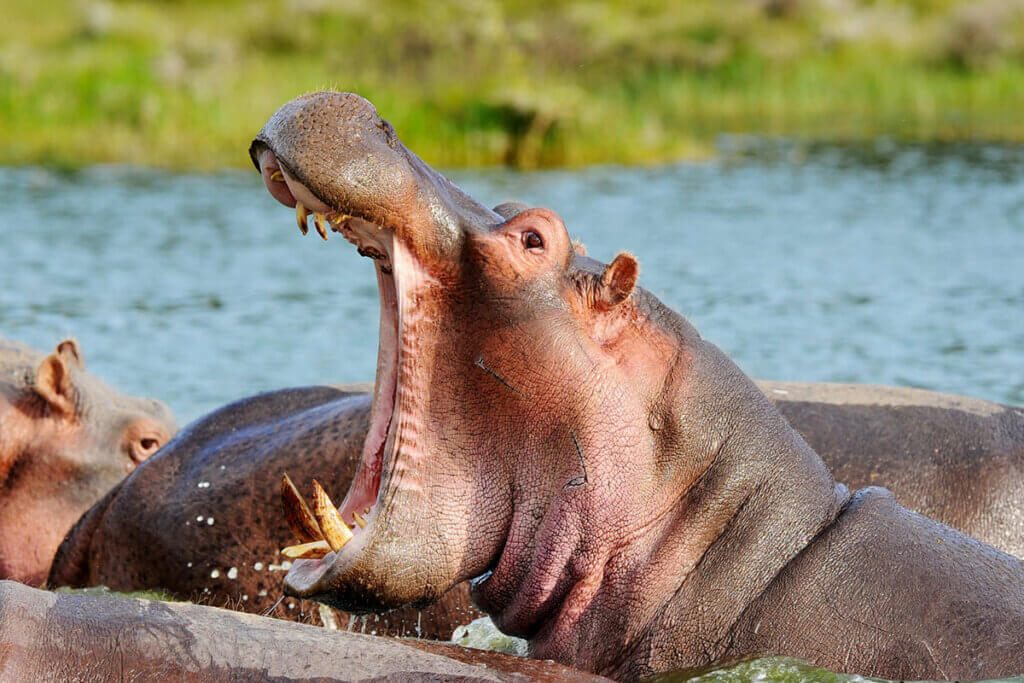
At Giant Holiday Safaris, we believe photography is more than just capturing images it’s about deepening your connection with Kenya’s wilderness. A camera sharpens observation skills, helping guests notice the subtle flick of a lion’s tail, the ripple of water disturbed by a hippo, or the playful antics of cubs in the grasslands. Each photograph becomes a personal memory, a story that ties you to the land and its wildlife.
Sharing these images extends the safari far beyond Kenya, inspiring friends and family across the globe to appreciate Africa’s natural beauty. That’s why our Kenya Safari Photography Guide is designed to show travelers that photography is not only about technical skill, but about experiencing the safari with heightened awareness, patience, and gratitude. With Giant Holiday Safaris, every shot enriches your journey and transforms it into a lasting celebration of Kenya’s majestic landscapes.
Conclusion
Kenya Safari Photography Guide is a gateway to storytelling, conservation, and personal growth. With the right gear, awareness of light, and respect for wildlife, anyone can capture Africa’s wonders. Photography transforms a safari from sightseeing into a meaningful experience, where every image carries emotion and purpose. Beginners who embrace patience, practice, and responsibility not only improve their skills but also contribute to Kenya’s tourism legacy. This guide empowers new photographers to step into the savannah with confidence, ready to preserve memories that inspire the world.
For a well-planned safari experience, consider traveling with Giant Holiday Safaris. Their expertise helps position you in the best locations for photography and ensures a smooth journey.
Combined Uganda, Kenya, Rwanda and Tanzania Safaris
17 days Kenya Tanzania and Uganda safari
19 Days Uganda Kenya and Tanzania Safari
16 Days Kenya Tanzania and Uganda Safari
14 Days Kenya Uganda and Tanzania Safari
14 Days Kenya Uganda and Rwanda Safari