Tanzania Safari for Rare Bird Species
May 20, 2026
Can You Combine a Safari and Beach Holiday?
May 20, 2026
Tanzania Safari for Endangered Species
Tanzania Safari for Endangered Species gives travelers a powerful opportunity to experience Africa’s rarest wildlife while supporting conservation efforts across some of the continent’s most important protected ecosystems. Tanzania remains one of Africa’s leading safari destinations because it protects vast wilderness areas where endangered animals continue to survive in natural habitats. From black rhinos and African wild dogs to chimpanzees and rare bird species, the country offers unforgettable wildlife encounters filled with meaning, education, and adventure.
Unlike ordinary wildlife holidays, endangered species safaris create deeper emotional connections between travelers and nature. Every sighting feels valuable because many of these animals face growing threats from habitat loss, poaching, climate change, and human expansion across Africa.
Tanzania’s national parks, conservation areas, wetlands, forests, and remote savannahs provide safe environments where vulnerable species can continue breeding and thriving under active conservation management.
Travelers also gain important insight into wildlife protection efforts while learning how responsible tourism directly contributes to conservation success. Park fees, eco tourism, research projects, and community partnerships all help preserve endangered species for future generations.
These safaris combine excitement with education because travelers not only observe wildlife but also understand the environmental challenges affecting Africa’s ecosystems today.
Giant Holiday Safaris carefully creates immersive safari experiences that allow visitors to explore Tanzania’s endangered wildlife while supporting sustainable tourism and responsible conservation practices throughout the journey.
Best Parks for Tanzania Safari for Endangered Species
Several protected areas across Tanzania provide exceptional opportunities to observe endangered wildlife species within healthy natural ecosystems.
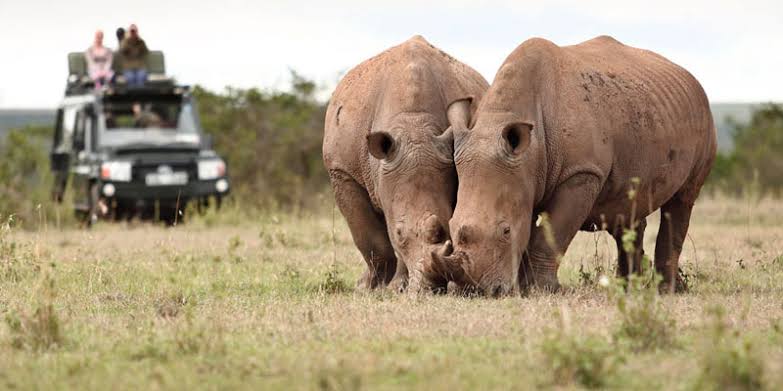
Ngorongoro Conservation Area stands among the country’s top destinations for black rhino sightings. The crater’s protected environment supports one of Tanzania’s most important remaining rhino populations.
Travelers exploring the crater often witness rhinos grazing peacefully alongside zebras, buffaloes, elephants, and lions across the open grasslands.
Serengeti National Park additionally protects endangered species such as African wild dogs, vultures, and cheetahs throughout its vast wilderness ecosystem.
Ruaha National Park creates another remarkable Tanzania Safari for Endangered Species because the remote landscape supports predators, elephants, rare antelope species, and healthy biodiversity with fewer tourism crowds.
Mahale Mountains National Park and Gombe Stream National Park provide extraordinary chimpanzee trekking experiences within dense forest habitats along Lake Tanganyika.
Nyerere National Park also supports vulnerable wildlife populations across rivers, wetlands, forests, and savannah ecosystems in southern Tanzania.
Tarangire National Park attracts conservation focused travelers due to its large elephant populations and important migratory wildlife corridors.
Each destination contributes differently to wildlife protection by preserving habitats, reducing poaching threats, and supporting ecological balance across Tanzania’s ecosystems.
These diverse safari regions make Tanzania one of Africa’s strongest leaders in endangered wildlife conservation tourism.
Tanzania Wildlife Safaris and Rhino Conservation Experiences
Tanzania wildlife safaris create unforgettable moments for travelers hoping to observe black rhinos, one of Africa’s most endangered large mammals.
Rhinos once roamed widely across East Africa, but heavy poaching drastically reduced populations during past decades. Today, protected conservation areas remain critical for their survival.
Ngorongoro Crater provides one of the best places in Tanzania to search for these rare animals because conservation authorities closely monitor the remaining rhino population.
Seeing a black rhino in the wild creates a deeply emotional safari experience because travelers understand the importance of every surviving individual within the ecosystem.
Professional safari guides help visitors track rhinos carefully while respecting strict conservation rules designed to minimize stress and disturbance around the animals.
Rhino conservation efforts involve anti poaching patrols, scientific monitoring, habitat management, and international wildlife protection partnerships.
Travelers who experience rhino safaris often become stronger supporters of wildlife conservation after witnessing these magnificent animals in their natural environment.
The safari experience also highlights the challenges conservation teams face while protecting endangered species from illegal wildlife trade and habitat destruction.
These educational wildlife encounters transform ordinary safaris into meaningful conservation journeys that inspire long term environmental awareness and global support for endangered species protection.
Tanzania Safari for Endangered Primates and Chimpanzees
Tanzania Safari for Endangered Species also introduces travelers to one of Africa’s most fascinating primates through chimpanzee trekking adventures.
Chimpanzees remain highly endangered because of habitat loss, disease risks, and deforestation across many African regions. Tanzania protects important chimpanzee populations inside remote forest ecosystems near Lake Tanganyika.
Mahale Mountains National Park offers one of the world’s most extraordinary chimpanzee tracking experiences. Dense tropical forests, mountain scenery, and remote lake shores create an unforgettable wilderness setting.
Travelers hike through forest trails while expert trackers search for chimpanzee communities moving through the trees.
Watching chimpanzees interact naturally creates powerful emotional experiences because their behavior closely resembles human social interaction. Families groom each other, play, communicate, and care for young members throughout the forest.
Gombe Stream National Park additionally provides famous chimpanzee trekking opportunities connected to decades of primate research and conservation history.
These safaris combine physical adventure with scientific learning because travelers gain deeper understanding of primate behavior, forest ecology, and endangered species protection.
Chimpanzee trekking also supports local conservation economies through eco tourism revenue, employment opportunities, and forest preservation initiatives connected to sustainable travel.
This unique safari experience introduces travelers to a completely different side of Tanzania’s biodiversity beyond the traditional savannah wildlife safari.
Tanzania Predator Safaris for Endangered Carnivores
Tanzania predator safaris reveal the fragile survival challenges facing some of Africa’s most endangered carnivore species.
African wild dogs remain among the continent’s rarest predators due to disease outbreaks, habitat fragmentation, and conflict with human settlements. Fortunately, Tanzania still supports important populations within remote protected ecosystems.
Nyerere National Park and Ruaha National Park provide excellent opportunities for wild dog sightings because these vast wilderness areas allow packs to roam naturally across large territories.
Travelers often describe wild dog encounters as some of the most exciting moments during predator safaris because the animals display remarkable intelligence, teamwork, and social behavior.
Cheetahs also face increasing environmental pressures despite their speed and hunting ability. Serengeti National Park remains one of the best places to observe cheetahs moving across open plains while hunting antelope.
Endangered vultures represent another important focus within Tanzania conservation safaris. These birds play critical ecological roles by cleaning ecosystems and preventing disease spread.
Professional safari guides help travelers understand how predator conservation protects broader ecosystem balance across Tanzania’s wilderness regions.
These predator focused safaris create thrilling wildlife experiences while educating travelers about the importance of protecting vulnerable carnivore populations throughout Africa.
Tanzania Birdwatching Safaris for Rare and Endangered Birds
Tanzania Safari for Endangered Species additionally creates extraordinary opportunities for birdwatchers searching for rare and vulnerable bird species.
The country’s wetlands, forests, mountains, and lakes support several endemic and threatened bird populations that attract birdwatching enthusiasts from around the world.
Rare species such as the Udzungwa Forest Partridge, Southern Ground Hornbill, and Pemba Green Pigeon create exciting birding experiences across different regions.
Wetlands and Rift Valley lakes attract endangered migratory birds while supporting complex aquatic ecosystems essential for breeding and feeding activities.
Birdwatching safaris encourage slower and more detailed wildlife observation because travelers pay closer attention to habitat conditions, sounds, and environmental patterns.
Professional birding guides help travelers identify species through calls, flight behavior, and physical characteristics hidden within forests or wetlands.
Photography opportunities also remain excellent because Tanzania’s colorful birdlife creates dramatic visual moments against beautiful landscapes and natural scenery.
Bird conservation directly benefits from eco tourism because protected wetlands and forests generate revenue that supports environmental protection and scientific monitoring programs.
These birdwatching experiences strengthen appreciation for biodiversity while revealing the delicate balance required to protect endangered ecosystems and wildlife populations.
How Conservation Tourism Supports Tanzania’s Wildlife
Conservation tourism plays a major role in protecting endangered species across Tanzania’s protected areas and wildlife corridors.
Responsible safari travel generates revenue that supports anti poaching operations, park management, scientific research, habitat restoration, and community conservation projects.
National parks rely heavily on tourism income to maintain ranger patrols, wildlife monitoring systems, road maintenance, and ecosystem protection programs.
Local communities also benefit economically through employment opportunities connected to safari lodges, guiding services, transportation, cultural tourism, and conservation initiatives.
When communities benefit directly from wildlife tourism, support for conservation often increases because protected ecosystems provide long term economic value.
Educational safari experiences additionally help travelers become stronger global advocates for wildlife conservation and sustainable tourism practices.
Many travelers leave Tanzania with greater environmental awareness after personally witnessing endangered animals surviving within carefully protected ecosystems.
Conservation tourism also encourages governments and international organizations to continue investing in wildlife protection infrastructure and environmental sustainability.
Giant Holiday Safaris supports responsible tourism principles by promoting ethical wildlife viewing, conservation awareness, and sustainable safari experiences that protect Tanzania’s biodiversity for future generations.
Why Tanzania Safari for Endangered Species Creates Meaningful Adventures
Tanzania Safari for Endangered Species offers travelers much more than wildlife sightseeing alone. These safaris create meaningful adventures filled with education, emotional connection, conservation awareness, and unforgettable encounters with Africa’s rarest animals.
Watching endangered wildlife survive within protected ecosystems reminds travelers how valuable conservation efforts remain for the future of global biodiversity.
Tanzania’s vast landscapes provide exceptional opportunities to observe rhinos, chimpanzees, wild dogs, rare birds, elephants, and countless other vulnerable species within natural habitats.
Travelers also enjoy diverse safari experiences that combine game drives, birdwatching, chimpanzee trekking, photography, luxury camps, and cultural exploration throughout the journey.
The educational value of these safaris often changes how travelers understand environmental protection and wildlife conservation around the world.
Giant Holiday Safaris continues helping travelers explore Tanzania’s endangered wildlife through carefully designed safari adventures focused on responsible tourism, authentic wilderness experiences, and long term conservation awareness.
For conservation travelers, wildlife photographers, nature enthusiasts, and safari lovers, Tanzania Safari for Endangered Species remains one of Africa’s most powerful and rewarding travel experiences.
Combined Uganda, Kenya, Rwanda and Tanzania Safaris
17 days Kenya Tanzania and Uganda safari 19 Days Uganda Kenya and Tanzania Safari
16 Days Kenya Tanzania and Uganda Safari
14 Days Kenya Uganda and Tanzania Safari
14 Days Kenya Uganda and Rwanda Safari