Tanzania Safari for Hyena Sightings
May 20, 2026
Tanzania Safari for Flamingo Viewing
May 20, 2026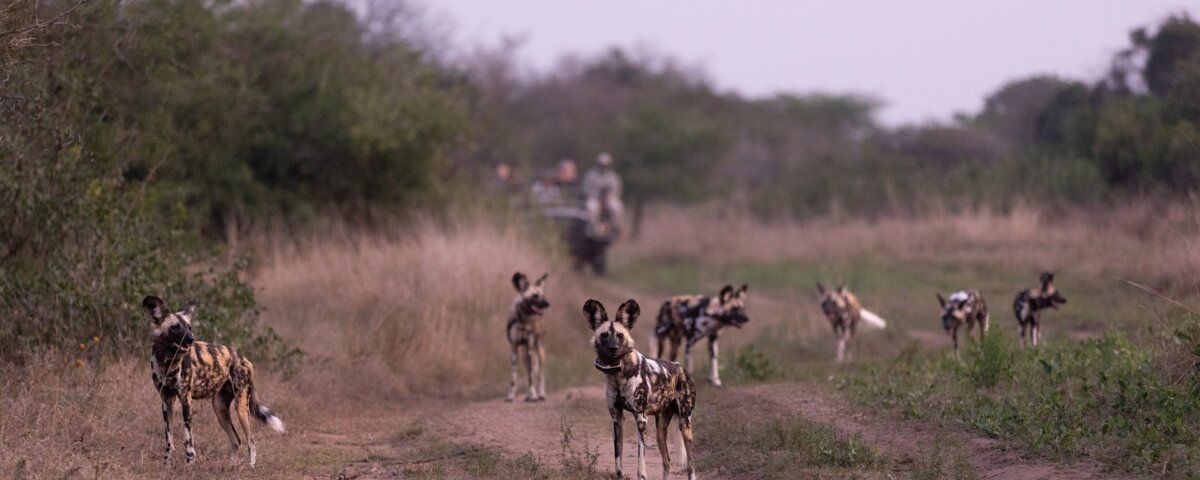
Tanzania Safari for Wild Dog Tracking
Tanzania Safari for Wild Dog Tracking offers one of the rarest and most exciting wildlife adventures in Africa. African wild dogs, also called painted wolves, remain among the continent’s most endangered predators. Their striking coat patterns, incredible teamwork, and energetic hunting style create unforgettable safari experiences for travelers exploring Tanzania’s wilderness.
Unlike lions that rely on strength or leopards that depend on stealth, wild dogs survive through cooperation, intelligence, and speed. Every member of the pack plays an important role during hunts, pup care, and territory protection. Watching a pack move together across the savannah creates powerful wildlife moments filled with energy and emotion.
Tanzania provides some of Africa’s best opportunities for wild dog sightings because the country protects large remote ecosystems where these predators can roam freely. National parks such as Nyerere National Park, Ruaha National Park, and parts of the southern safari circuit support important wild dog populations within healthy wilderness habitats.
Travelers seeking deeper safari experiences increasingly choose predator tracking adventures that focus on rare wildlife rather than only the traditional Big Five. Tanzania Safari for Wild Dog Tracking introduces visitors to fascinating predator behavior, conservation stories, and authentic African wilderness encounters.
Every tracking experience feels unpredictable because wild dogs travel long distances while constantly changing direction during hunts and daily movement. This creates thrilling safari drives where travelers actively search for one of Africa’s most elusive predators.
Giant Holiday Safaris designs carefully planned wild dog safaris that combine expert guiding, remote wilderness exploration, comfortable safari camps, and unforgettable wildlife encounters across Tanzania’s spectacular landscapes.
Why Tanzania Safari for Wild Dog Tracking Feels Different
Tanzania Safari for Wild Dog Tracking creates a completely different safari atmosphere compared to many traditional wildlife experiences. Wild dogs move quickly, communicate constantly, and interact closely with pack members throughout the day.
Travelers often notice the energy immediately after locating a pack. Unlike lions that rest for long periods, wild dogs remain highly active while exploring territory, playing, greeting one another, and preparing for hunts.
Their strong social bonds also create emotional wildlife moments during safaris. Pack members care for injured dogs, feed young pups, and cooperate closely during survival activities. These interactions reveal remarkable intelligence and teamwork inside the wild.
Tracking wild dogs further increases safari excitement because sightings feel rare and rewarding. Guides search carefully for fresh tracks, movement patterns, and predator activity across remote landscapes where the animals roam naturally.
Many travelers describe wild dog encounters as more personal and immersive because the animals display constant movement and interaction rather than long periods of inactivity.
Photography enthusiasts especially appreciate these safaris because painted wolves create visually striking wildlife images with their colorful coats, alert ears, and energetic behavior.
Wild dog tracking also attracts travelers interested in conservation because African wild dogs face serious threats from habitat loss, disease, and human wildlife conflict throughout many parts of Africa.
These combined experiences make Tanzania Safari for Wild Dog Tracking one of the continent’s most meaningful and adventurous safari journeys.
Best Places for Tanzania Wild Dog Safaris
Several safari destinations in Tanzania offer excellent opportunities for wild dog tracking, especially within remote and less crowded wilderness regions.
Ruaha National Park stands out as one of Tanzania’s top wild dog destinations. The park’s vast landscapes, low tourism traffic, and healthy predator ecosystems provide ideal conditions for painted wolf populations.
Travelers exploring Ruaha often encounter wild dogs moving through open plains, rocky terrain, and woodland habitats while hunting antelope and other prey species.
Nyerere National Park also provides exceptional Tanzania wild dog safaris because the enormous protected area supports large predator territories across rivers, wetlands, forests, and savannahs.
The southern safari circuit remains especially attractive for wild dog tracking because these remote ecosystems experience less safari vehicle pressure compared to northern parks.
In some seasons, parts of the Serengeti ecosystem also produce rewarding wild dog sightings, particularly in quieter and less visited regions.
Katavi National Park introduces another extraordinary wilderness experience where travelers explore untouched landscapes filled with predators and abundant wildlife.
Each safari destination creates unique tracking opportunities because environmental conditions influence pack movement, prey availability, and hunting behavior throughout the year.
Travelers choosing Tanzania Safari for Wild Dog Tracking often enjoy more exclusive wildlife experiences since many tracking areas remain remote and less commercialized compared to heavily visited safari circuits.
Tanzania Predator Safaris and the Intelligence of Wild Dogs
Tanzania predator safaris reveal how intelligent and highly organized African wild dogs truly are. These predators rely on communication, strategy, and cooperation more than physical strength alone.
Wild dogs live within structured packs led by dominant breeding pairs. Every pack member contributes to hunting success, pup protection, and group survival across the wilderness.
Unlike many predators, wild dogs achieve extremely high hunting success rates because of their teamwork and endurance. Packs chase prey over long distances while coordinating movement carefully during pursuit.
Travelers observing hunts often witness remarkable strategy and discipline among pack members. Some dogs direct prey movement while others position themselves ahead during the chase.
Communication also plays a major role during pack activities. Wild dogs use vocal sounds, body posture, and physical contact to strengthen social bonds and coordinate movement.
Young pups create especially memorable safari moments because they display playful behavior near den sites while adults protect and feed them carefully.
Professional safari guides help travelers understand these complex social systems during wildlife drives while explaining predator ecology and conservation challenges.
Many visitors leave Tanzania with greater appreciation for wild dogs after observing their intelligence, loyalty, and cooperation inside natural ecosystems.
These educational experiences transform ordinary safaris into deeper wildlife journeys focused on understanding predator behavior and ecosystem balance across Africa’s wilderness.
Rare Wildlife Encounters During Tanzania Safari Adventures
One of the most exciting parts of Tanzania Safari for Wild Dog Tracking involves the rarity of the encounters themselves. Wild dogs cover huge territories, making every sighting feel special and unforgettable.
Travelers often spend time exploring remote roads, dry riverbeds, and open grasslands before locating a moving pack. This anticipation creates stronger emotional connections once the predators finally appear.
Unlike predictable wildlife sightings near crowded safari routes, wild dog encounters feel raw and authentic because the animals move naturally through isolated habitats.
Morning game drives frequently offer the best opportunities because packs become highly active during cooler temperatures before resting later in the day.
Some safari experiences reveal dramatic hunting scenes filled with speed and coordination, while others focus on peaceful pack interactions near resting sites.
The unpredictability of these encounters keeps travelers fully engaged throughout the safari because every drive introduces new possibilities and changing wildlife behavior.
Remote safari regions also improve the overall wilderness experience by reducing vehicle traffic and allowing travelers to enjoy quieter and more intimate wildlife observations.
Giant Holiday Safaris carefully selects safari routes and timing to maximize opportunities for meaningful wild dog sightings across Tanzania’s most rewarding predator regions.
Tanzania Safari Photography and Painted Wolf Encounters
Tanzania Safari for Wild Dog Tracking creates outstanding wildlife photography opportunities because painted wolves display constant movement, expressive behavior, and unique coat patterns.
Photographers especially enjoy capturing the contrast between the dogs’ colorful markings and Tanzania’s dramatic landscapes. Every animal carries a completely unique coat pattern, which makes each image visually distinctive.
Golden sunrise and sunset lighting further enhance photography conditions across open savannahs and woodland areas where wild dogs travel and hunt.
Action photography opportunities frequently appear during predator tracking safaris. Travelers may witness running hunts, playful pack greetings, or intense communication between adults and pups.
The energetic nature of wild dogs creates dynamic compositions filled with movement and emotion that differ greatly from more static wildlife photography subjects.
Professional safari guides help photographers anticipate pack movement and position vehicles carefully for better angles and lighting conditions.
Private safaris and luxury mobile camps also improve photography flexibility because travelers spend more time following wildlife activity rather than rushing between locations.
Even travelers using smartphones capture extraordinary moments because wild dog behavior naturally creates emotional and dramatic safari scenes.
These rewarding photography experiences help travelers preserve unforgettable memories from one of Africa’s rarest predator encounters.
Conservation Stories Behind Tanzania Wild Dog Tracking
Tanzania Safari for Wild Dog Tracking also introduces travelers to important wildlife conservation efforts protecting one of Africa’s most vulnerable predators.
African wild dogs face serious conservation threats including habitat fragmentation, disease transmission from domestic animals, and conflict with expanding human settlements.
Protected national parks and remote conservation landscapes play critical roles in maintaining healthy wild dog populations across Tanzania.
Responsible safari tourism directly supports these conservation efforts through park fees, local employment, anti poaching programs, and community development projects connected to wildlife protection.
Research teams monitor pack movement, breeding success, and habitat use while helping conservation organizations better understand wild dog survival needs.
Travelers often gain stronger appreciation for conservation after personally witnessing these endangered predators thriving within protected ecosystems.
Local communities also benefit economically from wildlife tourism activities connected to safari lodges, guiding services, transportation, and conservation employment opportunities.
Educational safari experiences further encourage travelers to support sustainable tourism and wildlife protection efforts long after returning home.
These combined conservation initiatives continue helping Tanzania remain one of Africa’s most important destinations for authentic wild dog tracking safaris.
Tanzania Wilderness Safaris Beyond the Big Five
Tanzania Safari for Wild Dog Tracking proves that Africa’s most rewarding wildlife experiences often extend far beyond the traditional Big Five safari checklist.
Wild dogs represent a different side of the African wilderness filled with intelligence, cooperation, movement, and emotional connection. Tracking them through remote ecosystems creates immersive safari adventures that feel both educational and deeply personal.
Travelers exploring Tanzania’s southern safari circuit additionally enjoy quieter landscapes, fewer crowds, and more authentic wilderness atmospheres compared to heavily visited tourism areas.
Safari experiences often include far more than predator tracking alone. Travelers may enjoy walking safaris, cultural encounters, birdwatching, river excursions, and luxury tented camp experiences throughout the journey.
The diversity of landscapes also strengthens the adventure. Open plains, rocky escarpments, river systems, forests, and woodlands all contribute to changing wildlife encounters across Tanzania.
Giant Holiday Safaris continues helping travelers discover these extraordinary predator experiences through carefully designed safari journeys focused on conservation, authentic wildlife encounters, and immersive African travel.
For wildlife lovers, photographers, conservation travelers, and adventure seekers, Tanzania Safari for Wild Dog Tracking remains one of the most exciting and meaningful safari experiences available anywhere in Africa.
Combined Uganda, Kenya, Rwanda and Tanzania Safaris
17 days Kenya Tanzania and Uganda safari 19 Days Uganda Kenya and Tanzania Safari
16 Days Kenya Tanzania and Uganda Safari
14 Days Kenya Uganda and Tanzania Safari
14 Days Kenya Uganda and Rwanda Safari