Tanzania Safari with Local Community Visits
May 23, 2026
What Animals Live in Amboseli National Park?
May 23, 2026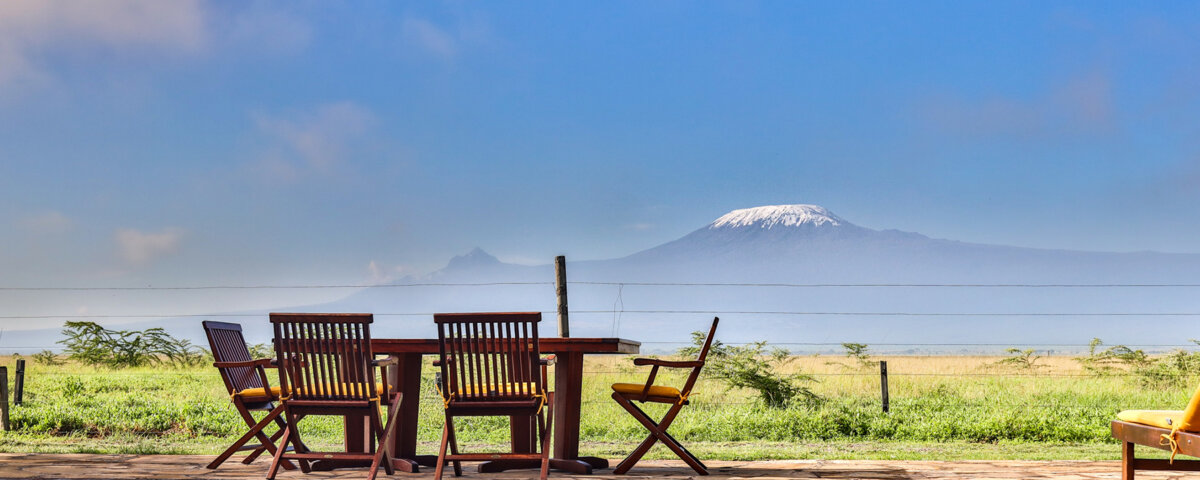
What is the best time to visit Amboseli?
What is the best time to visit Amboseli? This question matters a lot for travelers planning a Kenya safari because timing can shape the entire experience. Amboseli National Park stands out as one of Kenya’s most iconic safari destinations, known for its large elephant herds, wide open plains, and dramatic views of Mount Kilimanjaro. However, the experience changes with every season, and choosing the right time helps travelers enjoy better wildlife sightings, clearer scenery, and more comfortable safari conditions.
Amboseli sits in southern Kenya near the Tanzania border. The park offers year round wildlife viewing, but weather patterns influence animal movement, vegetation, and road conditions. During dry seasons, animals gather around water sources, making them easier to spot. On the other hand, wet seasons transform the landscape into a green paradise filled with birds and newborn animals.
In addition, Amboseli attracts photographers, nature lovers, and adventure travelers from around the world. Each group has different expectations, so understanding the best travel season helps create a more rewarding safari experience. Whether someone wants to see elephants walking in dust or capture Mount Kilimanjaro in clear skies, timing plays a key role.
This guide explores the best time to visit Amboseli in detail. It explains each season, highlights what travelers can expect, and helps visitors plan a safari that matches their goals. As a result, travelers can make informed decisions and enjoy a memorable African safari experience.
Dry Season in Amboseli National Park
The dry season offers the most popular time to visit Amboseli National Park. This period usually runs from June to October and again from January to February. During these months, the park receives very little rainfall, which creates ideal conditions for wildlife viewing.
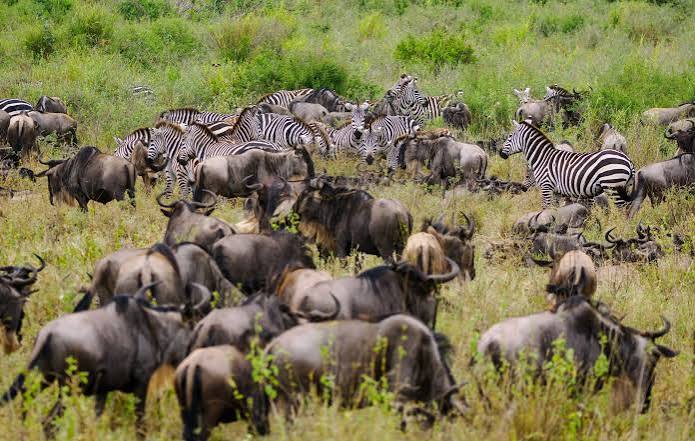
As vegetation becomes thinner, animals move closer to water sources such as swamps and springs. This movement increases the chances of spotting large herds of elephants, buffaloes, zebras, and wildebeests in one area. Predators like lions and hyenas also become easier to track because they follow prey animals that gather near water.
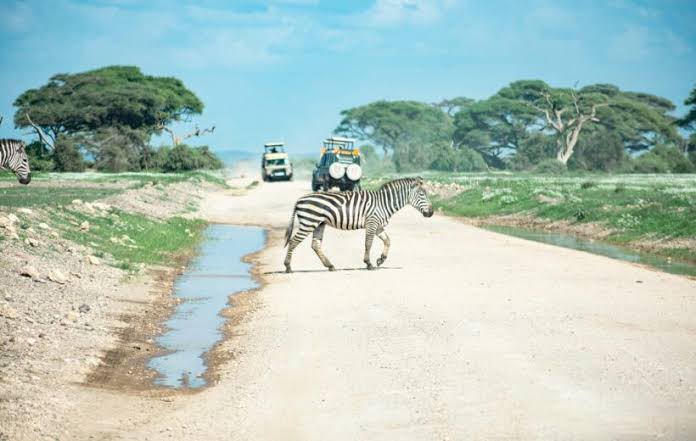
In addition, roads remain dry and accessible during this season. Safari vehicles move easily across the park, which allows guides to cover more ground and improve wildlife sightings. Travelers spend less time dealing with muddy tracks and more time enjoying game drives.
The dry season also provides some of the clearest views of Mount Kilimanjaro. Early mornings often reveal the snow capped peak before clouds build up later in the day. This creates perfect conditions for photography, especially when elephants walk across the plains in front of the mountain.
However, the dry season also attracts more visitors. Lodges and camps may fill up quickly, so early booking becomes important. Despite the higher number of tourists, many travelers still prefer this season because of reliable wildlife sightings and excellent safari conditions.
Overall, the dry season delivers the classic Amboseli safari experience with predictable animal activity and stunning landscapes.
Wet Season and Green Landscapes
The wet season in Amboseli National Park runs from March to May and again in November and December. During this time, rainfall transforms the park into a lush green environment filled with fresh grass, blooming plants, and active birdlife.
Although some travelers avoid the rainy season, it actually offers a different and rewarding safari experience. Wildlife spreads out across the park because food and water become more available. As a result, animals may not gather in large groups like in the dry season, but sightings still remain frequent.
Birdwatchers especially enjoy this season because migratory birds arrive in large numbers. Wetlands and swamps attract pelicans, herons, cranes, and many colorful species. Therefore, bird photography becomes more exciting and diverse.
In addition, the wet season brings newborn animals. Many species give birth during or just after the rains when food is abundant. Visitors may see baby zebras, wildebeests, and antelopes taking their first steps across the plains. These moments create emotional and memorable safari experiences.
The scenery also becomes more dramatic. Green grasslands stretch across the park, clouds form around Mount Kilimanjaro, and rain showers create beautiful lighting for photography. However, travelers should prepare for occasional muddy roads and short rainfall interruptions.
On the positive side, the wet season attracts fewer tourists. This allows visitors to enjoy quieter game drives and more personal safari experiences. Accommodation rates may also become more affordable compared to peak season.
Therefore, the wet season suits travelers who value photography, birdwatching, and peaceful safari experiences over guaranteed big game sightings.
Best Months for Wildlife Viewing
Certain months offer the best wildlife viewing opportunities in Amboseli National Park. July to October stands out as one of the strongest safari periods because the dry conditions concentrate animals around water sources. During these months, elephants, buffaloes, zebras, and other herbivores gather in large numbers, making game drives highly productive.
Predator sightings also increase during this time. Lions and hyenas follow prey animals closely, which improves chances of witnessing natural hunting behavior. Cheetahs also become easier to spot in open grasslands.
January and February also offer excellent safari conditions. These months fall in the short dry season and provide clear skies, good road access, and active wildlife movement. In addition, Mount Kilimanjaro often appears clearly in the early mornings, which benefits photographers.
Although wildlife remains present year round, these months provide more predictable sightings. Guides can track animals more easily, and visitors often enjoy multiple species in a single game drive.
On the other hand, April and May usually bring heavy rains. Wildlife spreads across the park, making sightings less concentrated. However, this period still offers beautiful green scenery and fewer tourists.
Ultimately, the best months depend on personal travel goals. Travelers who want dense wildlife encounters should choose the dry season. Those who prefer photography and quiet travel should consider the green season.
Weather Conditions and Safari Experience
Weather plays a major role in shaping the Amboseli safari experience. The park experiences a tropical climate with alternating dry and wet seasons. Temperatures remain warm throughout the year, usually ranging between 20 and 30 degrees Celsius during the day.
During the dry season, the weather stays sunny and clear. Dusty winds often move across the plains, creating classic African safari scenes. These conditions improve wildlife visibility because animals gather in predictable locations. However, travelers may experience hotter afternoons and cooler mornings and evenings.
During the wet season, the weather changes quickly. Short rains or long rains may occur depending on the month. Even so, rainfall rarely lasts the entire day. Instead, it often comes in short bursts followed by sunshine. This creates dramatic skies and vibrant landscapes.
Humidity increases during rainy months, especially in forested and swamp areas. Travelers should prepare for occasional muddy roads, especially when exploring deeper parts of the park.
Despite these variations, Amboseli remains accessible throughout the year. Safari vehicles operate in all seasons, and wildlife remains active due to permanent water sources from Mount Kilimanjaro’s underground streams.
Understanding weather conditions helps travelers pack appropriately and set realistic expectations. Light clothing works well for daytime, while warmer layers help during early morning game drives.
In general, Amboseli’s weather supports year round safaris, but each season offers a unique experience that appeals to different types of travelers.
Photography Opportunities Throughout the Year
Amboseli National Park offers outstanding photography opportunities in every season. However, timing significantly influences lighting, wildlife behavior, and background scenery. With Giant Holiday Safaris as your trusted tour operator, photographers benefit from expert guidance on the best times and locations to capture Amboseli’s most iconic images.
During the dry season, photographers capture iconic images of elephants walking across dusty plains with Mount Kilimanjaro in the background. Clear skies and golden sunlight create sharp and dramatic photos. Early mornings often produce the best lighting conditions. Giant Holiday Safaris designs itineraries that maximize these moments, ensuring travelers return with breathtaking shots.
The wet season, on the other hand, offers a completely different photography style. Green landscapes, cloudy skies, and fresh vegetation create soft and colorful images. Baby animals also appear during this period, which adds emotional depth to wildlife photography. Giant Holiday Safaris tailors safaris for those seeking artistic and vibrant compositions.
Bird photography becomes especially rewarding during rainy months. Migratory birds add color and diversity to wetlands and swamps. Reflections in water bodies also enhance creative compositions. With Giant Holiday Safaris, birdwatching safaris are carefully planned to highlight these seasonal spectacles.
Lighting changes throughout the day also influence photography. Sunrise and sunset offer warm tones that highlight wildlife silhouettes. Midday light may feel harsh, but it still works well for capturing animal behavior and movement. Giant Holiday Safaris schedules game drives to align with these optimal lighting conditions.
Mount Kilimanjaro plays a major role in Amboseli photography. Clear views of the mountain depend on weather conditions, with the best visibility often occurring early in the morning during dry months. Giant Holiday Safaris ensures travelers are in the right place at the right time to capture this iconic backdrop.
Overall, Amboseli offers year round photography potential. However, photographers seeking dramatic wildlife shots often prefer the dry season, while those seeking artistic and colorful landscapes enjoy the wet season. With Giant Holiday Safaris, every safari becomes a curated photography journey, blending wildlife encounters, cultural experiences, and conservation focused travel.
Conclusion
The answer depends on what kind of safari experience travelers want. Amboseli National Park offers incredible wildlife, scenic landscapes, and rich cultural experiences throughout the year, but each season delivers something unique. With Giant Holiday Safaris as your trusted tour operator, visitors receive expert guidance to match their travel goals with the ideal season.
The dry season provides the best wildlife viewing, easier travel conditions, and clear views of Mount Kilimanjaro. The wet season offers green landscapes, fewer crowds, and excellent birdwatching opportunities. In addition, transitional months like January and February create balanced conditions for both scenery and wildlife activity. Giant Holiday Safaris tailors itineraries to maximize these seasonal advantages, ensuring travelers enjoy Amboseli at its finest.
Amboseli remains one of Kenya’s most reliable safari destinations because animals stay active year round thanks to permanent water sources. Elephants, lions, giraffes, zebras, and hundreds of bird species continue to thrive regardless of season. With Giant Holiday Safaris, guests are guaranteed rewarding encounters through carefully planned game drives and sustainable safari practices.
Travelers who plan their visit carefully enjoy more rewarding experiences, better photography opportunities, and smoother safari adventures. Therefore, understanding the best time to visit Amboseli helps create unforgettable memories in one of Africa’s most iconic national parks. Giant Holiday Safaris ensures every safari is seamlessly organized, whether for wildlife action, cultural immersion, or photography.
Ultimately, what is the best time to visit Amboseli? It is the time that matches your travel goals, whether that means peak wildlife action, peaceful green landscapes, or stunning photography under Mount Kilimanjaro made even more memorable with the expertise and care of Giant Holiday Safaris.
Combined Uganda, Kenya, Rwanda and Tanzania Safaris
17 days Kenya Tanzania and Uganda safari 19 Days Uganda Kenya and Tanzania Safari
16 Days Kenya Tanzania and Uganda Safari
14 Days Kenya Uganda and Tanzania Safari
14 Days Kenya Uganda and Rwanda Safari