Kenya Safari Travel Apps You Need
April 22, 2026
Kenya Safari Sustainable Tourism Guide
April 22, 2026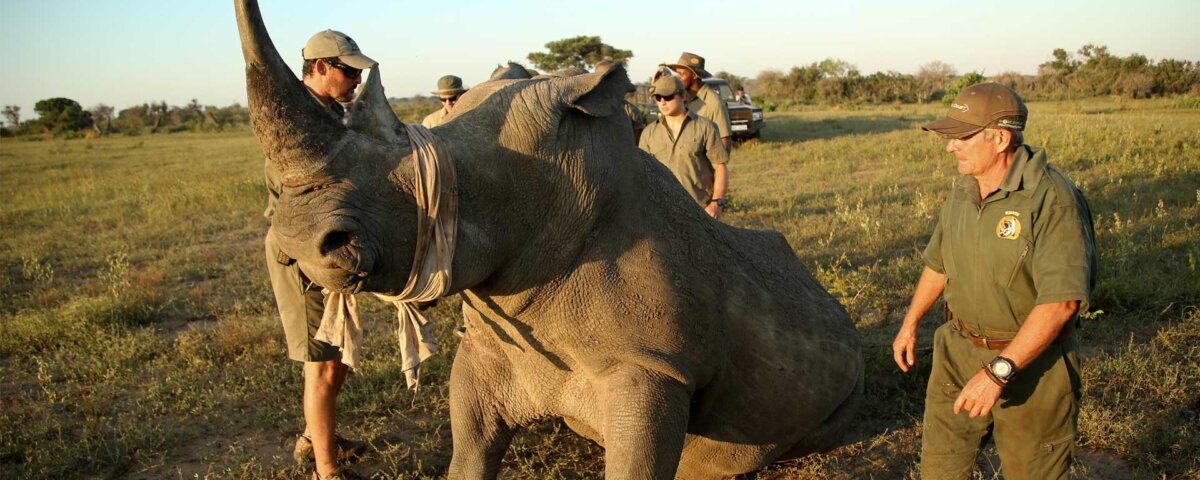
The Kenya Safari Conservation Efforts
Kenya safari conservation efforts protect some of the most important wildlife habitats on Earth. When you travel on a safari in Kenya, you step into a system that depends on strong conservation work. These efforts protect animals, support local communities, and preserve natural ecosystems. Therefore, understanding Kenya safari conservation efforts helps you travel with purpose and make responsible choices.
Kenya offers world-famous wildlife experiences, from large elephant herds to powerful predators. However, these species face real threats such as habitat loss, climate change, and illegal hunting. Because of this, conservation plays a critical role in keeping Kenya’s wildlife safe. At the same time, tourism supports many of these conservation programs.
In this guide, you will explore how Kenya safari conservation efforts work, who supports them, and how you can contribute. With the right knowledge, your safari becomes more than a trip—it becomes a meaningful contribution to Africa’s future.
What Are Kenya Safari Conservation Efforts?
Kenya safari conservation efforts include all actions that protect wildlife, habitats, and ecosystems. These efforts aim to balance tourism, conservation, and community development. Instead of focusing only on tourism, Kenya builds systems that support long-term sustainability.
First, conservation protects wildlife populations. Rangers and conservation teams monitor animals, prevent illegal hunting, and track migration patterns. This work helps maintain healthy ecosystems.
Next, habitat protection plays a key role. National parks, reserves, and conservancies safeguard land from development and environmental damage. These protected areas give wildlife safe spaces to live and thrive.
In addition, conservation programs support research and education. Scientists study animal behavior, while organizations teach communities about conservation benefits. This creates awareness and long-term support.
Moreover, tourism contributes to conservation funding. Park fees, safari tours, and lodge stays generate income that supports conservation work.
Why Kenya Safari Conservation Efforts Matter
Kenya safari conservation efforts matter because they protect biodiversity and ensure long-term sustainability. Without these efforts, many species would face serious risks.
First, conservation protects endangered animals. Species such as elephants and rhinos depend on strong protection systems. Anti-poaching units and monitoring programs help reduce threats.
Next, conservation supports ecosystems. Every species plays a role in maintaining balance. When one species declines, the entire system can suffer. Conservation helps maintain this balance.
In addition, conservation benefits local communities. Tourism creates jobs and provides income. When communities benefit, they support conservation efforts and protect wildlife.
Moreover, conservation enhances the safari experience. Healthy ecosystems attract more wildlife, which improves sightings and overall travel quality.
Role of National Parks in Conservation
National parks play a central role in Kenya safari conservation efforts. These protected areas preserve wildlife habitats and prevent environmental damage.
Kenya’s parks provide safe spaces for animals to live and breed. Rangers patrol these areas to protect wildlife and enforce conservation laws. This helps reduce illegal activities and maintain balance.
In addition, parks support research and monitoring. Scientists track animal populations, study behavior, and collect data that guides conservation strategies.
National parks also generate revenue through tourism. Entrance fees support park management, infrastructure, and conservation programs. This creates a sustainable funding system.
Moreover, parks educate visitors about conservation. Guided tours and information centers help travelers understand the importance of protecting wildlife.
Community Conservancies and Local Impact
Community conservancies form an important part of Kenya safari conservation efforts. These areas involve local communities in conservation and tourism.
In a conservancy, local people manage land for both wildlife and economic benefit. They protect habitats while earning income from tourism. This creates a strong link between conservation and community development.
First, conservancies create jobs. Local residents work as guides, rangers, and lodge staff. This improves livelihoods and reduces reliance on harmful activities.
Next, conservancies promote education and awareness. Communities learn the value of wildlife and conservation. This encourages long-term protection.
In addition, conservancies reduce human-wildlife conflict. Proper land management helps separate human activities from wildlife areas.
Anti-Poaching and Wildlife Protection Programs
Anti-poaching programs play a critical role in Kenya safari conservation efforts. These programs protect animals from illegal hunting and trade.
Rangers patrol protected areas daily. They monitor wildlife, track suspicious activity, and respond quickly to threats. This constant presence helps reduce poaching.
In addition, technology supports conservation. Tools such as GPS tracking and drones help monitor large areas. This improves efficiency and response time.
Moreover, conservation organizations work with governments and communities to strengthen protection systems. Training and resources help improve effectiveness.
Education also plays a role. Awareness campaigns teach communities about the importance of wildlife protection. This reduces support for illegal activities.
Sustainable Tourism and Conservation Connection
Sustainable tourism strengthens Kenya safari conservation efforts by creating a balance between travel and protection.
Tourism generates income that funds conservation programs. Park fees, accommodation, and activities all contribute to wildlife protection.
In addition, eco-friendly lodges reduce environmental impact. They use renewable energy, manage waste, and conserve water. This protects natural resources.
Responsible travel behavior also supports conservation. Visitors who follow rules and respect wildlife help maintain safe environments.
Challenges Facing Kenya Safari Conservation Efforts
Kenya safari conservation efforts face several challenges. Understanding these issues helps you appreciate the importance of conservation.
First, habitat loss remains a major problem. Human activities such as farming and development reduce wildlife space. This creates pressure on ecosystems.
Next, climate change affects water sources and migration patterns. Animals must adapt to changing conditions, which can impact survival.
In addition, human-wildlife conflict increases as populations grow. Animals may enter communities in search of food or water.
Limited funding also affects conservation programs. Without enough resources, protection efforts become less effective.
However, partnerships between governments, organizations, and operators help address these challenges.
How Travelers Can Support Conservation Efforts
Travelers play a key role in Kenya safari conservation efforts. Your choices directly impact wildlife and communities.
First, choose responsible safari operators. Giant Holiday Safari offers eco-friendly experiences that support conservation.
Next, follow park rules and respect wildlife. Keep a safe distance and avoid disturbing animals.
In addition, support local communities. Buy local products and participate in community-based tourism.
Reduce your environmental impact by avoiding plastic waste and conserving resources.
Moreover, learn about conservation and share your knowledge with others. Awareness helps promote responsible travel.
Every small action contributes to conservation. When you travel responsibly, you become part of the solution.
Conclusion
Kenya safari conservation efforts protect wildlife, support communities, and preserve natural ecosystems. These efforts ensure that Kenya remains one of the world’s top safari destinations.
From national parks to community conservancies, every part of the system plays a role. Conservation programs protect animals, while tourism provides essential funding.
To make a positive impact, choose a responsible operator like Giant Holiday Safari .. Their commitment to sustainable tourism ensures your safari supports conservation efforts.
With the right approach, your Kenya safari becomes more than a journey. It becomes a meaningful experience that contributes to protecting Africa’s natural heritage for future generations.
Combined Uganda, Kenya, Rwanda and Tanzania Safaris
17 days Kenya Tanzania and Uganda safari
19 Days Uganda Kenya and Tanzania Safari
16 Days Kenya Tanzania and Uganda Safari
14 Days Kenya Uganda and Tanzania Safari
14 Days Kenya Uganda and Rwanda Safari