How to Tell if a Safari Company is Legitimate
September 12, 2025
Things to Do in Mgahinga Gorilla National Park
September 12, 2025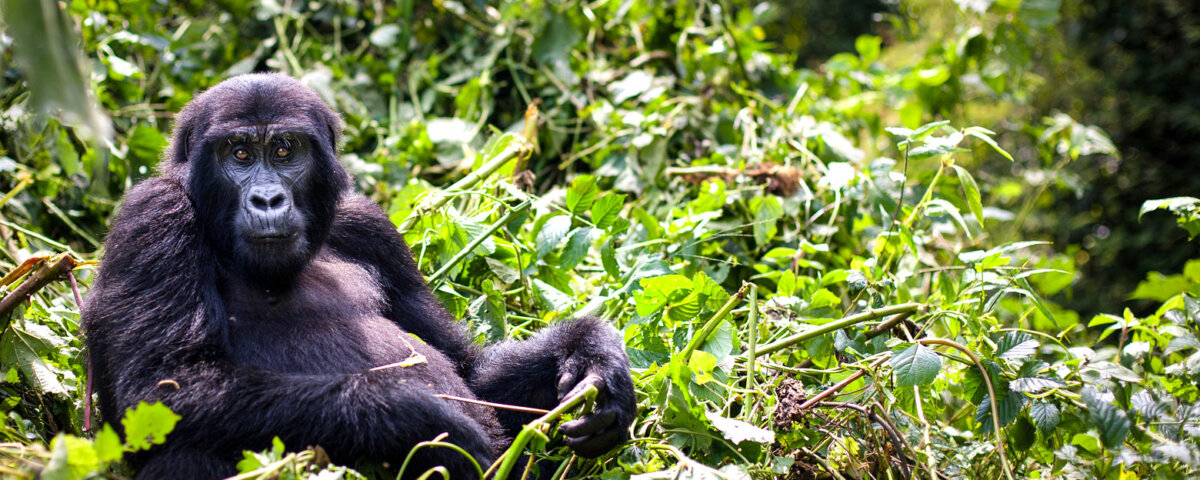
Things to Do in Bwindi Impenetrable Forest National Park
Things to do in Bwindi impenetrable forest national park: tucked into the southwestern edge of Uganda, stands as one of Africa’s most celebrated safari destinations. This UNESCO World Heritage Site is not only a sanctuary of biodiversity but also a place where nature and culture harmoniously meet. Covering over 321 square kilometers of dense tropical rainforest, Bwindi is one of the world’s oldest ecosystems, dating back more than 25,000 years. Its rich vegetation, hidden valleys, towering trees, and mist-covered hills create an atmosphere that immediately immerses visitors into Africa’s wild heart. Travelers seeking more than just adventure find in Bwindi a transformative journey that combines exploration, conservation, and cultural immersion.
Most visitors first hear of Bwindi because of its famous Uganda gorilla trekking opportunities. The park is home to almost half of the world’s mountain gorillas, making it the premier location to witness these magnificent primates in their natural environment. Yet Bwindi offers more than gorilla trekking. It provides an extensive safari experience that blends wildlife encounters, birdwatching, nature hikes, cultural tours, eco-tourism, and community-led conservation. Every trail introduces a new perspective, every encounter shares a story, and every moment deepens appreciation for Africa’s wilderness.
Choosing Bwindi means choosing an experience that stretches far beyond typical safari expectations. It is a destination for wildlife enthusiasts, photographers, bird lovers, cultural explorers, and eco-conscious travelers. Whether combined with a Rwanda safari or enjoyed as a standalone Uganda safari holiday, Bwindi reveals Africa at its most authentic. Exploring this remarkable park ensures not only unforgettable memories but also direct contributions to conservation and community development.
Gorilla Trekking: The Iconic Bwindi Experience
The highlight of any Bwindi safari is undoubtedly gorilla trekking. Few wildlife encounters compare to standing a few feet away from a silverback gorilla, observing its calm power and gentle interactions with its family. Each trek begins with a detailed briefing led by Uganda Wildlife Authority rangers, who guide visitors into the forest in search of habituated gorilla groups. The journey often involves climbing steep hills, pushing through tangled vegetation, and crossing streams, but the reward at the end is beyond measure. Spending an hour with a gorilla family changes perspectives forever and creates memories that last a lifetime.
Bwindi is home to more than 20 habituated gorilla families, spread across different sectors such as Buhoma, Rushaga, Ruhija, and Nkuringo. Each sector offers unique landscapes and trekking experiences, giving travelers flexibility in planning. With over half the world’s gorilla population here, the chances of sightings are very high. Permits cost $800 per person as of 2024–2026, making Uganda’s experience more affordable than Rwanda’s $1,500 fee while offering the same intensity and intimacy. Importantly, this fee directly supports conservation, anti-poaching patrols, and local community projects.
Many travelers choose to fly into Kigali, Rwanda, then cross into Uganda for trekking. This route is shorter and convenient, especially for those combining a Uganda safari with a Rwanda tour. Whether as a standalone journey or part of a longer East African itinerary, gorilla trekking in Bwindi remains the crown jewel of African wildlife safaris. For adventurous travelers, the trek is more than an activity it is a deeply personal and emotional journey into the heart of the wild.
Birdwatching in the Albertine Rift – Things to do in Bwindi impenetrable forest national park
Beyond gorillas, Bwindi is a treasure trove for bird enthusiasts. The park lies within the Albertine Rift, a globally recognized biodiversity hotspot that hosts rare and endemic bird species. With more than 350 recorded species, including 23 found only in this region, Bwindi ranks among Africa’s top birding destinations. Here, visitors can spot extraordinary species like the African Green Broadbill, Shelley’s Crimsonwing, and the Handsome Francolin. For birders chasing lifetime sightings, Bwindi’s mist-shrouded canopies offer endless surprises.
Birdwatching tours in Bwindi usually follow scenic trails such as the Mubwindi Swamp Trail in Ruhija and the Buhoma Waterfall Trail. Knowledgeable local birding guides accompany visitors, identifying calls, explaining ecological behaviors, and ensuring travelers don’t miss key sightings. Early morning or late afternoon walks provide the best opportunities, as the forest comes alive with a chorus of bird calls. These excursions are peaceful, contrasting with the intensity of gorilla trekking, making them a perfect balance within a Uganda safari itinerary.
What makes Bwindi special for birders is not just the species count but also the opportunity to observe birds in pristine rainforest habitats rarely disturbed by human activity. Multi-day birding safaris are highly recommended, allowing travelers to combine Bwindi with Kibale National Park for chimpanzee tracking or Nyungwe Forest in Rwanda, another birding haven. For serious birders and casual enthusiasts alike, Bwindi delivers unmatched avian diversity, making each walk a rewarding adventure.
Hiking and Nature Walks – Things to do in Bwindi impenetrable forest national park
Bwindi Impenetrable Forest is not only for primate seekers but also for nature lovers drawn to its diverse landscapes and hiking opportunities. The park features a network of well-established trails that reveal its rich ecological systems. Options include the Munyaga River Trail, with its waterfalls and orchids, the Ivy River Trail, famous for bird sightings, and the Rushura Hill Trail, which offers panoramic views of the Virunga Volcanoes and the Western Rift Valley. Each path presents a chance to encounter wildlife such as L’Hoest’s monkeys, bush pigs, or even elusive forest elephants.
Guided nature walks in Bwindi allow travelers to engage deeply with the park’s ecology. Expert guides explain the medicinal properties of plants, traditional uses of forest resources, and the intricate balance that sustains this ancient ecosystem. Hiking here goes beyond sightseeing; it becomes an educational experience that enriches understanding of conservation and cultural heritage.
For travelers extending their Uganda safari, combining gorilla trekking with day hikes offers variety and balance. Short trails suit families or those seeking relaxed exploration, while longer treks challenge adventure seekers. Visitors arriving from Rwanda often add Bwindi hikes to create a well-rounded cross-border safari that blends culture, wildlife, and landscapes. In every case, hiking in Bwindi opens up layers of natural beauty that few places in Africa can match, ensuring that the journey is as memorable as the destination itself.
Cultural Encounters with the Batwa: Guardians of the Forest
No safari in Bwindi feels complete without meeting the Batwa, the forest’s first inhabitants. For centuries, the Batwa pygmies lived harmoniously within the dense rainforest, relying on hunting, gathering, and spiritual practices tied deeply to nature. When Bwindi became a protected national park, they were displaced, yet their culture remains an integral part of the forest’s story. Today, travelers can experience this heritage through immersive cultural encounters designed to preserve Batwa traditions and empower communities.
The Batwa Cultural Experience offers guided forest walks where visitors learn about ancient survival techniques such as fire-making, hunting with bows, and identifying medicinal plants. Traditional music and dance performances provide insight into their storytelling, while shared meals create opportunities for genuine interaction. These experiences allow travelers to connect on a human level, understanding how conservation reshaped lives and how tourism supports their resilience today.
Adding a Batwa visit to your Uganda safari introduces a cultural dimension that complements wildlife adventures. Instead of only observing animals, travelers also learn about the people who once shared the forest with them. This balance between culture and conservation deepens appreciation for Bwindi’s heritage. Visitors coming from Rwanda safaris, where cultural tours like Iby’Iwacu Village showcase modern traditions, find the Batwa experience refreshingly unique and authentic. It demonstrates the continuity of indigenous knowledge and its significance in modern eco-tourism. For those seeking meaningful travel, meeting the Batwa transforms a safari into an exchange of wisdom and respect, ensuring memories that go beyond wildlife encounters.
The Batwa Trail – Things to do in Bwindi impenetrable forest national park
For travelers who want to go beyond surface-level cultural experiences, the Batwa Trail delivers an immersive journey into indigenous heritage. Unlike short performances or brief village visits, this guided trek, led by Batwa elders, takes you into the depths of the forest along ancestral paths. Along the way, guides demonstrate age-old survival skills, from making bamboo cups and herbal remedies to traditional hunting practices. The experience culminates in a sacred cave once used for spiritual rituals, offering a rare glimpse into Batwa cosmology.
What sets the Batwa Trail apart is its authenticity and its community-driven management. Revenues from the trail directly benefit Batwa families, ensuring that their cultural identity remains alive while supporting livelihoods. By walking the Batwa Trail, visitors not only learn history but also actively contribute to cultural preservation and sustainable development.
Eco-conscious travelers find the Batwa Trail particularly appealing because it aligns with principles of responsible tourism. It transforms sightseeing into an interactive learning process where travelers engage with living history. Combining the trail with gorilla trekking or chimpanzee tracking creates a holistic safari that balances wildlife adventures with cultural exploration. For those who also explore Rwanda, the Batwa Trail offers a deeper contrast to modern cultural villages, presenting raw heritage unfiltered by modernization. Ultimately, the Batwa Trail is not just a hike it is a bridge between past and present, nature and culture, creating an unforgettable connection with Uganda’s ancestral heritage.
Hidden Waterfalls – Things to do in Bwindi impenetrable forest national park
Bwindi’s wild beauty is not only about gorillas and culture; it also hides serene waterfalls that reward adventurous explorers. Deep within the forest, cascading waters like the Munyaga Waterfall and the Ruizi River Falls offer tranquil retreats where nature reveals its gentler side. Reaching these waterfalls often involves trekking along forested trails, crossing streams, and passing through thickets alive with birds and butterflies. The journey itself becomes part of the reward, combining physical activity with moments of discovery.
Waterfalls in Bwindi provide the perfect balance to more demanding activities like gorilla trekking. After a strenuous hike, sitting beside a waterfall with mist cooling your face feels restorative and calming. Families, photographers, and nature lovers especially enjoy these excursions, as they provide opportunities for relaxation, reflection, and striking photography. Each waterfall showcases a different perspective of Bwindi’s landscape, from moss-covered rocks to sunlit pools surrounded by ferns.
Travelers often integrate waterfall visits into multi-day Uganda safari itineraries, using them as rest-day activities between primate treks. For those entering from Rwanda, where safaris often focus on game drives and volcano trekking, Bwindi’s waterfalls offer refreshing contrast, emphasizing quiet beauty rather than adrenaline. Waterfall trails also appeal to eco-tourists interested in low-impact exploration, allowing visitors to engage with the forest without disrupting its delicate ecosystem. By including these hidden gems in your safari, you experience Bwindi as more than a gorilla destination it becomes a place where every step uncovers new wonders of nature.
Community Eco-Tourism and Sustainable Travel
One of Bwindi’s greatest strengths lies in its model of community involvement and eco-tourism. Conservation here is not only about protecting gorillas but also about improving human lives. Surrounding communities play a vital role in safeguarding the forest, and tourism provides the economic foundation for these partnerships. Travelers can directly engage with this vision through eco-tourism initiatives that combine conservation, culture, and economic empowerment.
Local cooperatives produce a wide range of handmade crafts including woven baskets, jewelry, and wood carvings. Purchasing these souvenirs supports women, youth, and reformed poachers, providing alternatives to unsustainable practices. Community-run cultural centers offer performances, storytelling sessions, and educational workshops, ensuring that tourism dollars stay within local economies. Meanwhile, eco-lodges like Buhoma Lodge and Gorilla Mist Camp reinvest profits into community projects and environmental education.
For travelers committed to responsible tourism, these initiatives provide assurance that their safari contributes positively. They see firsthand how gorilla permit revenues fund schools, healthcare centers, and clean water projects. Every visit reinforces the value of protecting gorillas and forests by ensuring local people benefit from tourism.
When combined with Rwanda safaris, travelers can compare and appreciate different models of community-based conservation across borders. Supporting eco-tourism in Bwindi demonstrates how ethical travel choices can shape entire regions. For visitors, the experience becomes more than personal adventure it becomes active participation in Africa’s conservation success story. Choosing Bwindi means choosing a safari that uplifts both wildlife and people, leaving behind lasting impact beyond memories.
Photography Safaris
For photographers, Bwindi is a dream destination. The interplay of mist, towering trees, and diverse wildlife creates dramatic compositions at every turn. Photography safaris here offer opportunities to capture everything from close-up gorilla portraits to sweeping landscapes dotted with waterfalls and volcanic backdrops. Every angle reveals the forest’s soul, whether through the gentle gaze of a silverback or the delicate wings of a butterfly.
Specialized photography tours cater to both amateurs and professionals, with expert guides providing insights into lighting, positioning, and wildlife behavior. These guides understand animal movement patterns and help position visitors for the best possible shots while respecting conservation guidelines. Early mornings often produce magical images, with golden sunlight filtering through misty canopies, while afternoons highlight the forest’s deep, moody character.
Photography safaris often integrate with broader Uganda safari packages, combining Bwindi with destinations like Queen Elizabeth National Park or Murchison Falls. Travelers also link them with Rwanda tours, especially Volcanoes National Park, for cross-border photography adventures. This creates diverse portfolios featuring gorillas, chimpanzees, savannah wildlife, and cultural moments.
More than just a technical pursuit, photography in Bwindi becomes storytelling. Each image carries the emotion of an encounter, the thrill of discovery, or the serenity of nature. For travelers eager to share their journeys with global audiences, these photographs inspire others to explore Africa while highlighting the importance of conservation. A photography safari in Bwindi is not only about images but also about capturing the timeless essence of Africa’s wilderness.
Plan Your Ultimate Bwindi Safari
Planning a safari with Giant Holiday Safaris in Bwindi Impenetrable Forest requires thoughtful consideration, but the rewards are extraordinary. Whether your focus is gorilla trekking, birdwatching, cultural immersion, or eco-tourism, the park offers flexible itineraries to suit every traveler. Working with expert operators ensures seamless logistics, knowledgeable guides, and personalized experiences that align with your travel style. From luxury lodges perched on forested hillsides to budget-friendly camps offering authentic wilderness stays, Bwindi provides accommodation options for all preferences.
When planning, consider the best time to visit. Dry seasons from June to August and December to February provide easier trekking conditions and clearer trails. However, the rainy seasons bring lush greenery and increased bird activity, ideal for photography and birdwatching. Travelers arriving from Rwanda often use Kigali as a convenient entry point, cutting travel time compared to Kampala routes. This makes it possible to combine a Uganda safari with Rwanda safaris, maximizing your East African adventure.
Above all, a Bwindi safari is more than a holiday it is a transformative journey. It offers the chance to connect with endangered species, engage with indigenous culture, and contribute to sustainable conservation. Every trek, every interaction, and every photo taken becomes part of a larger story where travelers join hands with local communities in protecting Africa’s natural treasures.
With the expertise of reliable operators, your Bwindi adventure transforms into a seamless, enriching, and unforgettable experience. Choosing Bwindi is choosing Africa’s wild heart, a place where travel becomes both personal discovery and lasting contribution.