Things to do in Bwindi impenetrable forest national park
September 12, 2025
Things to Do in Murchison Falls National Park
September 13, 2025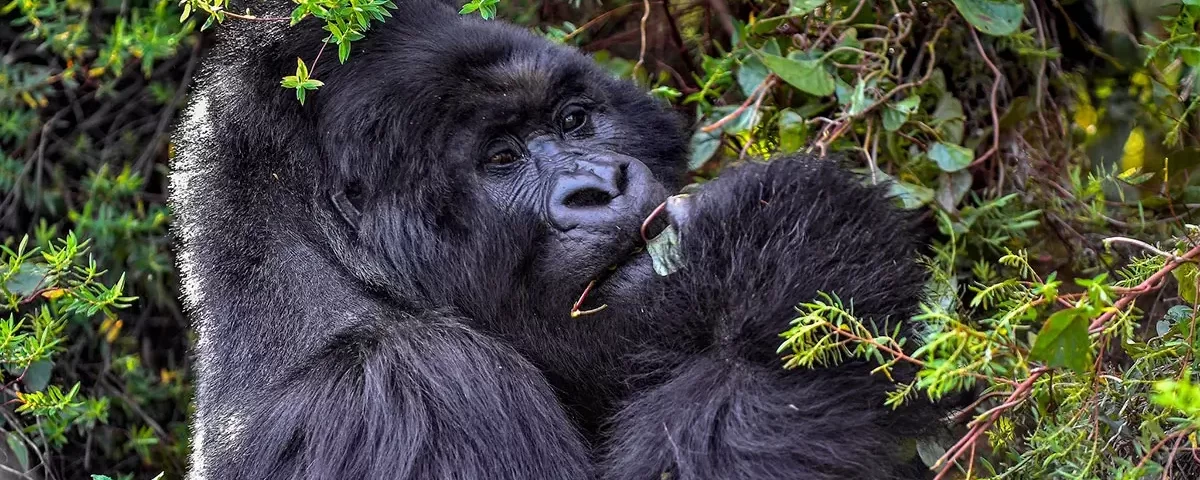
Top Things to Do in Mgahinga Gorilla National Park
Things to Do in Mgahinga Gorilla National Park: Nestled in the southwestern corner of Uganda, Mgahinga Gorilla National Park stands as one of Africa’s most rewarding destinations for travelers seeking adventure, culture, and wildlife. Covering 33.7 square kilometers, this small but diverse park forms part of the greater Virunga Conservation Area, which stretches across Uganda, Rwanda, and the Democratic Republic of Congo. Mgahinga is often described as a hidden gem, yet it offers experiences that rival, and sometimes even surpass, larger national parks in East Africa. Visitors who journey here find a unique combination of dramatic volcanic landscapes, rich cultural heritage, rare primates, and breathtaking biodiversity.
The park is most famous for hosting mountain gorillas and golden monkeys, two endangered primates that attract conservationists, researchers, and tourists from around the world. Beyond primates, Mgahinga offers challenging volcano hikes, scenic forest walks, birdwatching opportunities, and deep encounters with the indigenous Batwa people who once lived within its forests. Whether you are passionate about trekking through high-altitude landscapes, learning about ancient cultures, or observing rare wildlife, Mgahinga provides an unforgettable safari experience.
For travelers considering Uganda as a safari destination, Mgahinga blends adventure with authenticity. Unlike more crowded parks, it gives a sense of exclusivity, allowing guests to explore at a slower pace and connect more deeply with both nature and community. This guide highlights the top things to do in Mgahinga Gorilla National Park, offering expert insights to help you plan a safari that is safe, memorable, and transformative.
Gorilla Tracking – The Highlight of Mgahinga
The crown jewel of Mgahinga is mountain gorilla trekking. The park is home to the famous Nyakagezi gorilla family, which is habituated and open for visitors. Gorilla trekking begins early in the morning with a detailed briefing at the park headquarters before adventurers set off into the dense forest in search of these gentle giants. The trek can last between one and five hours depending on the gorillas’ movement, but the reward is extraordinary. Spending one hour with the Nyakagezi family provides intimate insight into gorilla behavior, from nurturing mothers to playful juveniles and the dominance of the silverback.
Because only eight permits are issued daily, gorilla trekking in Mgahinga feels more exclusive compared to Bwindi Impenetrable National Park. The permit costs $800 for foreign non-residents, $700 for foreign residents, and UGX 300,000 for East African citizens, making it one of the most valuable wildlife encounters in Africa. The activity requires moderate fitness as treks can be steep, but the experience of standing a few meters from a gorilla family in their natural habitat is life-changing. Gorilla trekking here not only supports conservation but also empowers local communities through tourism revenue.
Golden Monkey Tracking – Meeting the Playful Primates
While mountain gorillas steal the spotlight, golden monkeys provide another rare and exciting primate encounter in Mgahinga. These colorful monkeys, with their striking golden-orange fur, are endemic to the Virunga ranges and found nowhere else in the world. Tracking them begins with a briefing at Ntebeko Visitor Center before guests head into the bamboo forests. Unlike gorilla trekking, golden monkey tracking tends to be less strenuous because the monkeys live at lower altitudes and move in larger, more visible groups.
The experience is lively, as the monkeys leap gracefully from tree to tree and interact in curious ways. Their playful nature and photogenic appearance make this activity especially appealing for wildlife photographers. Golden monkey tracking permits are affordable and easier to secure than gorilla permits, making it an excellent add-on for visitors who wish to experience multiple primate species in a single trip.
For travelers seeking even more time with these primates, the golden monkey habituation experience offers a unique opportunity. This full-day activity allows guests to join researchers and rangers in the process of habituating monkeys to human presence. Visitors spend several hours observing troop dynamics, feeding habits, and social behaviors while contributing to scientific understanding. It is a deeper, conservation-driven alternative for those who want more than just a short encounter.
Volcano Hiking – Conquering the Virunga Peaks
Mgahinga lies within the Virunga Volcanoes, a chain of eight majestic mountains shared by Uganda, Rwanda, and DR Congo. Three of these – Mount Muhabura (4,127 meters), Mount Sabinyo (3,669 meters), and Mount Gahinga (3,470 meters) – stand proudly within the Ugandan side of the park, offering challenging but rewarding hikes. Each peak provides a different experience, and adventurous travelers often attempt multiple climbs during their stay.
- Mount Muhabura, the tallest, offers panoramic views of the Virunga chain, Lake Edward, and even the Rwenzori Mountains on clear days.
- Mount Sabinyo presents a thrilling hike with rugged ridges that place trekkers at the exact point where Uganda, Rwanda, and Congo meet. Standing at its summit means standing in three countries at once.
- Mount Gahinga is the least challenging, leading hikers through bamboo zones and ending at a massive swamp-filled crater on the summit.
Volcano hiking requires fitness, proper gear, and early starts, but the reward is unforgettable. Few places in Africa allow visitors to stand on volcanic peaks, watch mist rise from forest canopies, and look across three nations at once. Hiking here is more than physical achievement; it is a chance to immerse in landscapes shaped by geological forces that continue to define the Virunga ecosystem.
Batwa Cultural Trail – A Journey Into Indigenous Heritage
Before the creation of the park, the Batwa pygmies lived as hunter-gatherers within these forests, relying on nature for food, medicine, and shelter. Today, the Batwa Cultural Trail offers a respectful and immersive way to learn about their traditions while supporting community livelihoods. Guided by Batwa elders, visitors walk through the forest as they explain how their ancestors hunted, gathered honey, made fire, and used medicinal plants.
The trail often concludes with storytelling, traditional songs, and dances that reveal the resilience of the Batwa community. This cultural experience is more than performance; it is a journey into a way of life that has survived centuries despite displacement. The activity, which costs $80 per person, empowers the Batwa by creating a sustainable income source while giving travelers authentic insights into Uganda’s cultural diversity.
For travelers seeking more meaningful safaris, engaging with indigenous groups adds depth beyond wildlife encounters. The Batwa trail demonstrates how conservation and cultural preservation can work together, creating experiences that educate and inspire both visitors and hosts.
Nature Walks and Birdwatching
Not every activity in Mgahinga requires strenuous trekking. For travelers who prefer gentle exploration, guided nature walks through the park’s forests reveal incredible biodiversity. Walking through bamboo, montane, and afro-alpine zones allows visitors to learn about plant species, discover smaller mammals, and enjoy the serenity of the forest. Nature walks are especially refreshing after demanding treks because they allow a slower pace of discovery.
Birdwatching in Mgahinga is equally rewarding. With over 127 bird species, including several Albertine Rift endemics, the park is a paradise for birders. Species such as the Rwenzori turaco, white-starred robin, and dusky crimsonwing make this a must-visit destination for ornithologists. Because Mgahinga is less crowded, birdwatchers often enjoy peaceful and uninterrupted sightings. The combination of varied habitats and high-altitude ecosystems ensures that birding here is always exciting and full of surprises.
Community Encounters – Meeting the People of Kisoro
Beyond the park’s boundaries, the nearby town of Kisoro provides opportunities to connect with local cultures. A village walk introduces travelers to the daily lives of the Bafumbira and Bakiga communities. Visitors can explore local markets, participate in traditional dances, taste local foods, and learn about farming techniques. These community visits create meaningful interactions, reminding travelers that Uganda’s tourism is not only about wildlife but also about people.
Engaging with communities gives a fuller picture of how conservation and tourism impact livelihoods. By supporting local businesses and cultural activities, visitors help strengthen the bond between people and nature, ensuring that the benefits of tourism are shared widely.
Wildlife Viewing – Beyond Primates
Although gorillas and golden monkeys dominate Mgahinga’s reputation, the park is also home to 76 mammal species. Buffaloes, bush pigs, duikers, giant forest hogs, leopards, and civets roam the forests, though they are harder to spot because of the dense vegetation and nocturnal habits. Tracks, sounds, and occasional sightings make wildlife encounters here unpredictable yet thrilling. For adventurous explorers, the possibility of stumbling upon wild cats or shy antelopes adds mystery to the safari.
When to Visit and How to Get There
The best time to visit Mgahinga is during the dry seasons from January to February and June to early September. Trails are less slippery, and visibility is clearer, making trekking and hiking more enjoyable. However, the park remains open year-round, and each season brings unique experiences.
Travelers can access the park by road from Kampala or Entebbe, a scenic 8–9-hour drive through rolling hills and lush countryside. Alternatively, one can drive from Kigali, Rwanda, which takes only 2–3 hours. For those who prefer flying, domestic airlines such as Aerolink operate scheduled and chartered flights from Entebbe to Kisoro airstrip, followed by a short transfer to lodges near the park.
Where to Stay in Mgahinga Gorilla National Park
Accommodation options around Mgahinga range from luxury lodges to budget-friendly guesthouses. Properties like Mount Gahinga Lodge, Lake Chahafi Resort, Lake Mulehe Safari Lodge, and Kisoro Traveler’s Inn cater to different budgets while providing comfort, warm hospitality, and spectacular views. Choosing a lodge near the park ensures early access for trekking activities and a relaxing environment after adventurous days.
Why Mgahinga Should Be on Your Safari List
Mgahinga Gorilla National Park embodies the essence of African adventure. It combines gorilla encounters, volcanic landscapes, rare primates, cultural depth, and natural beauty within a compact but diverse environment. Visitors leave with memories of standing face-to-face with gorillas, climbing volcanoes that overlook three countries, watching golden monkeys leap across bamboo forests, and learning from the Batwa about ancient forest life.
For travelers planning a safari in Uganda, Mgahinga deserves a place alongside Bwindi, Queen Elizabeth, and Murchison Falls. It is intimate, less crowded, and rich in experiences that blend conservation, culture, and exploration. By visiting Mgahinga, travelers contribute to protecting endangered species while supporting local communities, ensuring that this treasure continues to inspire generations.
Giant Holiday Safaris specializes in organizing unforgettable journeys to Mgahinga, providing expert guidance, reliable bookings, and tailored packages that suit every traveler’s needs. Whether you dream of gorilla trekking, volcano hiking, or cultural discovery, we ensure your safari is safe, well-organized, and deeply rewarding. With us, your journey into the heart of Mgahinga will be more than a trip it will be a story worth telling.