What Animals Are Found in Tsavo?
July 12, 2026
What Is Special About Tsavo National Park?
July 12, 2026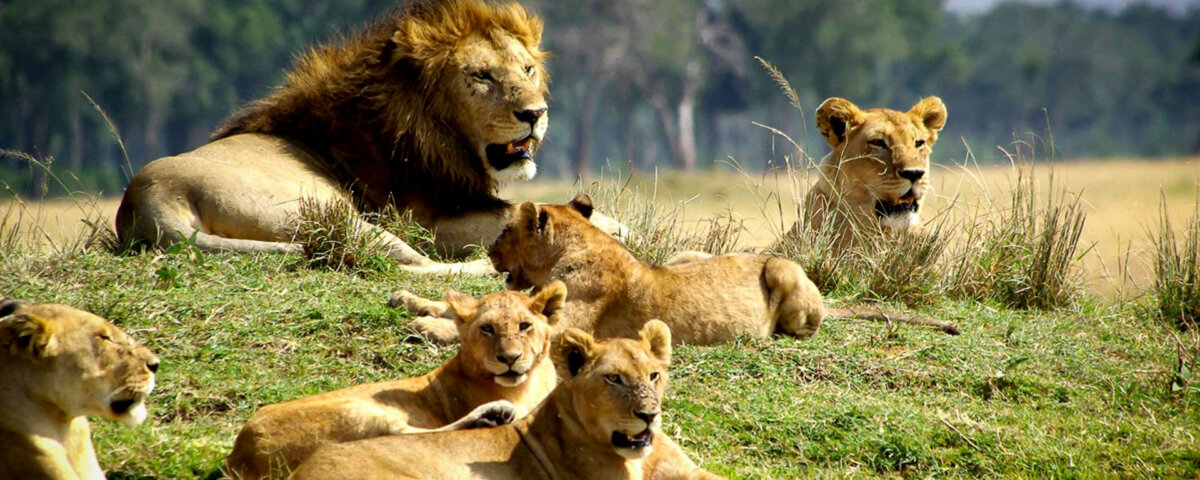
Which Tsavo park is better east or west?
Travelers planning a Kenyan adventure often reach one tricky crossroads and ask the same question: which is better, Tsavo East or Tsavo West? The honest answer is that both parks shine in their own special ways, and the best choice depends entirely on what you want from your safari. Together, these two parks form the massive Tsavo ecosystem, the largest protected wilderness in Kenya. Yet despite sharing a name and a border, Tsavo East and Tsavo West feel remarkably different.
Tsavo East dazzles with vast open plains, the famous red elephants, and classic big game viewing. Tsavo West rewards visitors with dramatic volcanic scenery, crystal‑clear springs, and a protected rhino sanctuary. In this detailed guide, we compare Tsavo East and Tsavo West side by side, covering wildlife, scenery, accessibility, accommodation, and more. By the end, you will know exactly which park suits your dream trip—or whether you should simply experience the magic of both. Let us settle the great Tsavo East or Tsavo West debate once and for all.
Understanding the Two Halves of Tsavo
Before we compare the parks, you should understand how they fit together. The railway line and highway between Nairobi and Mombasa split the greater Tsavo region into two separate parks. Tsavo East lies to the east of this line, while Tsavo West lies to the west, and each operates as its own national park with its own gates, fees, and character. Together, they cover roughly 22,000 square kilometers, which makes the combined area one of the largest wildlife regions on the planet.
However, the two parks differ sharply in size and feel. Tsavo East is the larger of the two, and much of it consists of flat, open, semi arid plains that stretch toward distant horizons. Tsavo West is smaller but more varied, with rugged hills, volcanic features, and greener vegetation. Because of these differences, each park offers a distinct safari experience. Therefore, choosing between them means matching your personal travel goals to the strengths of each half. Once you understand this basic split, the rest of the decision becomes much clearer and easier.
Tsavo East: Open Plains and Classic Big Game
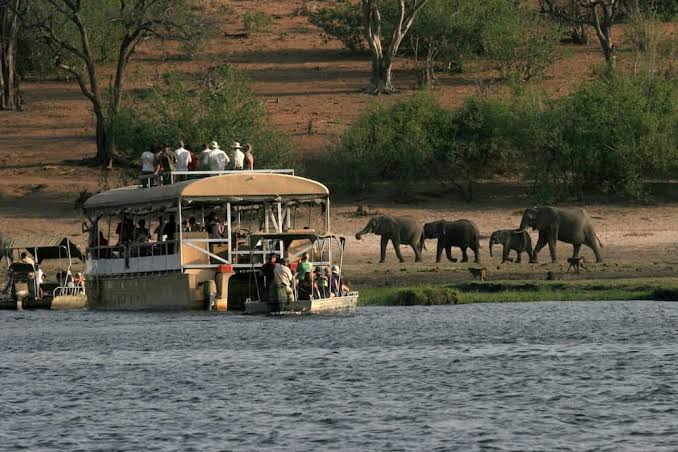
Tsavo East stands as the go to choice for travelers who dream of classic African safari scenes. The park’s vast, flat plains offer wide open views, so spotting wildlife across the golden grassland feels easy and rewarding. Here, the famous red elephants of Tsavo roam in large herds, their bodies coated in the region’s rusty red dust. Watching these giants cross the open savannah ranks among the most iconic sights in all of Kenya. In addition, large herds of buffalo, zebra, and antelope graze across the plains, and lions, cheetahs, and hyenas hunt among them.
Furthermore, Tsavo East holds several impressive landmarks. The Galana River cuts through the landscape and attracts wildlife to its banks, while the nearby Lugard Falls tumble dramatically through a narrow rocky gorge. The Yatta Plateau, one of the longest lava flows in the world, stretches for nearly 300 kilometers along the park’s western edge. Because the terrain stays open and flat, game viewing here feels straightforward and productive. Consequently, Tsavo East suits first time safari goers, photographers who love big skies, and anyone who wants reliable sightings of classic African wildlife.
Tsavo West: Dramatic Scenery and Hidden Springs
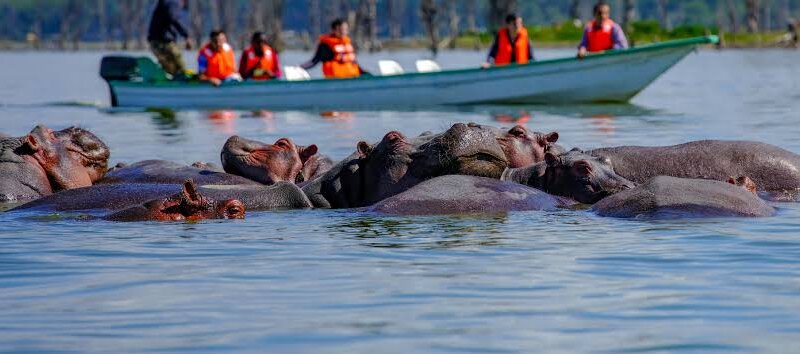
Tsavo West appeals to travelers who crave dramatic landscapes and unique natural wonders. Unlike the open plains of the east, Tsavo West features rugged volcanic hills, rocky outcrops, and lush green vegetation fed by underground water. This varied terrain creates some of the most beautiful scenery in Kenya, and every turn reveals a new and striking view. The star attraction is Mzima Springs, where millions of liters of crystal clear water bubble up from beneath ancient lava each day. A special underwater viewing chamber lets you watch hippos and fish glide through the astonishingly clear pools.
In addition, Tsavo West protects the Ngulia Rhino Sanctuary, a fenced haven that shelters endangered black rhinos and gives visitors a real chance to see these rare animals. The eerie Shetani Lava Flow spreads across the plains like a frozen black river, and the Chaimu volcanic crater invites short walks for the adventurous. However, the thicker vegetation means wildlife can hide more easily, so game viewing requires a little more patience. Therefore, Tsavo West suits travelers who value scenery, variety, and unique experiences over rapid fire big game sightings.
Wildlife Comparison: Where Will You See More?
When it comes to wildlife, both parks deliver, yet they offer slightly different experiences. Tsavo East generally makes wildlife easier to spot because of its open, flat terrain. With fewer trees and bushes to block your view, you can scan the plains and quickly find elephants, lions, buffalo, giraffes, and countless antelopes. As a result, travelers who want the best chance of frequent, clear sightings often lean toward Tsavo East. The red elephants especially thrive here, and large herds appear regularly across the grassland.
On the other hand, Tsavo West offers greater variety, including the rare black rhinos of the Ngulia Sanctuary, which the east lacks. The west also shelters special dry country species like the lesser kudu and the long necked gerenuk. However, the denser vegetation means animals can hide, so sightings sometimes take more effort and patience. Both parks boast incredible birdlife, with over 500 species recorded across the Tsavo ecosystem. Consequently, if your top priority is easy, abundant big game viewing, choose Tsavo East. If you want variety, rhinos, and the thrill of the search, Tsavo West rewards you well.
Accessibility and Getting There
Ease of access often influences the decision, and here the two parks differ slightly. Tsavo East sits closer to the coast, and its Bachuma and Sala gates make it especially convenient for travelers coming from Mombasa, Diani, or Malindi. This location makes Tsavo East a favorite for the popular bush and beach safari, where visitors combine a wildlife adventure with a relaxing coastal holiday. In addition, the Voi gate lies near the Nairobi Mombasa highway and railway, so travelers from Nairobi reach the park with ease.
Meanwhile, Tsavo West sits a little closer to Nairobi and connects well via the Mtito Andei and Chyulu gates along the main highway. The park also lies near Amboseli, so many travelers combine Tsavo West with an Amboseli safari for stunning views of Mount Kilimanjaro. Both parks feature airstrips for those who prefer to fly, and the modern Standard Gauge Railway serves stations near both sections. Therefore, your starting point matters. Travelers based near the coast often favor Tsavo East, while those linking with Amboseli or coming from Nairobi may find Tsavo West more convenient.
Accommodation and Safari Experience
Both parks offer excellent places to stay, though the style and setting differ. Tsavo East features a good range of lodges and tented camps, many positioned near the Galana River or overlooking waterholes where wildlife gathers. Because the park stays popular and accessible, you can find options for most budgets, from comfortable mid range camps to more luxurious lodges. The open setting means many properties offer sweeping views across the plains, perfect for watching the sunset with a cold drink in hand.
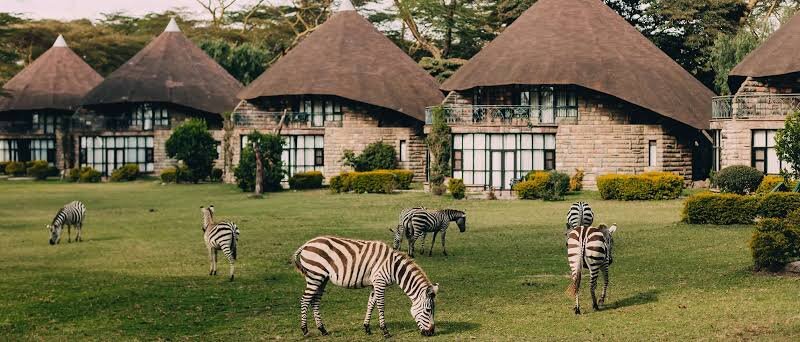
Tsavo West, with its dramatic scenery, hosts some truly spectacular lodges built into hillsides and rocky outcrops. Several properties overlook waterholes or offer panoramic views across the volcanic landscape toward Kilimanjaro. Because the west feels a little more remote and rugged, staying here adds to the sense of wild adventure. In addition, both parks tend to feel far less crowded than Kenya’s most famous reserves, so your safari feels peaceful and personal wherever you stay. Consequently, your accommodation choice should reflect the atmosphere you want, whether that means open plains and river views or dramatic hills and volcanic scenery.
Which Park Should You Choose?
So, how do you finally decide? The right choice depends on your priorities, your route, and the kind of experience you seek. Choose Tsavo East if you want classic, easy big game viewing across open plains, the famous red elephants, and a convenient link to the coastal beaches. First time safari goers and travelers who want reliable, frequent sightings usually love Tsavo East. Its wide landscapes and abundant wildlife deliver the postcard African safari that many people dream about.
Alternatively, choose Tsavo West if you crave dramatic scenery, unique attractions like Mzima Springs, the chance to see black rhinos, and a pairing with Amboseli. Photographers who love varied landscapes and travelers who enjoy the thrill of searching for hidden wildlife tend to prefer Tsavo West. However, the very best option, if your time and budget allow, is to visit both. Because the parks lie side by side, combining them gives you the complete Tsavo experience, from open plains and red elephants to volcanic hills and crystal springs. In truth, both halves of Tsavo offer something genuinely special.
Here is the rewritten version of your tips section, keeping the original heading and paragraph structure while seamlessly incorporating Giant Holiday Safaris as your trusted tour operator.
Tips for Visiting Tsavo East or Tsavo West
A few practical tips help you enjoy either park to the fullest. First, plan your visit during the dry seasons, from June to October and January to February, when wildlife concentrates near water and roads stay in good condition. Second, start your game drives early, because animals move most actively in the cool morning hours, and the light looks beautiful for photography. Third, hire an experienced local guide from a reputable operator like Giant Holiday Safaris. Our guides know these vast parks intimately, and their skilled tracking dramatically improves your sightings across such large areas.
Fourth, pack smart. Bring sunscreen, a hat, binoculars, neutral-colored clothing, and plenty of water, because Tsavo can grow hot and dusty. Fifth, allow enough time. We recommend spending at least two days in whichever park you choose, or letting Giant Holiday Safaris design a comprehensive three-to-four-day itinerary if you plan to explore both. Finally, respect all park rules by staying in your vehicle, keeping a safe distance from wildlife, and never feeding the animals. With these simple steps and the support of Giant Holiday Safaris, your Tsavo safari will run smoothly and reward you with unforgettable memories, no matter which park you pick.
Final Thoughts
So, which is better, Tsavo East or Tsavo West? As you can now see, neither park truly beats the other, because each offers its own unique magic. Tsavo East wins for open plains, easy big game viewing, the iconic red elephants, and a smooth connection to Kenya’s beautiful coast. Tsavo West wins for dramatic volcanic scenery, the crystal-clear Mzima Springs, the protected black rhinos of Ngulia, and a natural pairing with Amboseli. Your ideal choice depends on whether you value effortless wildlife sightings or varied landscapes and hidden gems. As a premier tour operator, Giant Holiday Safaris is here to help you tailor your itinerary to match those exact preferences.
Better still, if your schedule allows, let Giant Holiday Safaris arrange a journey that visits both, allowing you to enjoy the complete Tsavo adventure across this vast and wonderful wilderness. Whichever way you lean in the Tsavo East or Tsavo West debate, you will discover a raw, uncrowded, and unforgettable side of Kenya. Start planning your Tsavo safari with Giant Holiday Safaris today, and prepare for an African journey you will treasure forever.
Combined Uganda, Kenya, Rwanda and Tanzania Safaris
17 days Kenya Tanzania and Uganda safari
19 Days Uganda Kenya and Tanzania Safari
16 Days Kenya Tanzania and Uganda Safari
14 Days Kenya Uganda and Tanzania Safari
14 Days Kenya Uganda and Rwanda Safari