What Are the Best Lake Nakuru Safaris?
July 12, 2026
Which Tsavo park is better east or west?
July 12, 2026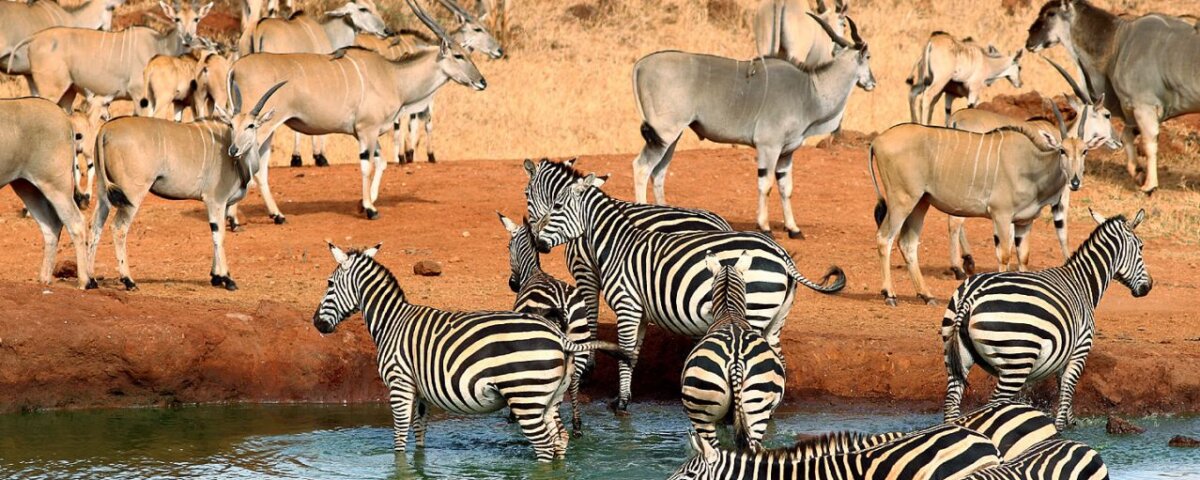
What Animals Are Found in Tsavo?
If you dream of a truly wild African safari, one question naturally rises to the top of your planning list: what animals are found in Tsavo? The answer will thrill any wildlife lover, because this vast Kenyan wilderness teems with an astonishing variety of creatures. Tsavo ranks as the largest national park in Kenya, split into Tsavo East and Tsavo West, and together they cover roughly 22,000 square kilometers of plains, hills, rivers, and lava flows. Within this enormous landscape roam all of the famous Big Five, along with the iconic red elephants of Tsavo, prides of maneless lions, towering giraffes, and rare dry country species you will struggle to find elsewhere. Furthermore, the park records more than 500 species of birds, making it a paradise for birdwatchers too. In this complete guide, we explore exactly what animals are found in Tsavo, from the largest elephants to the smallest antelopes, and we share tips for spotting them. Prepare to discover why Tsavo stands among Africa’s greatest wildlife destinations.
The Famous Red Elephants of Tsavo
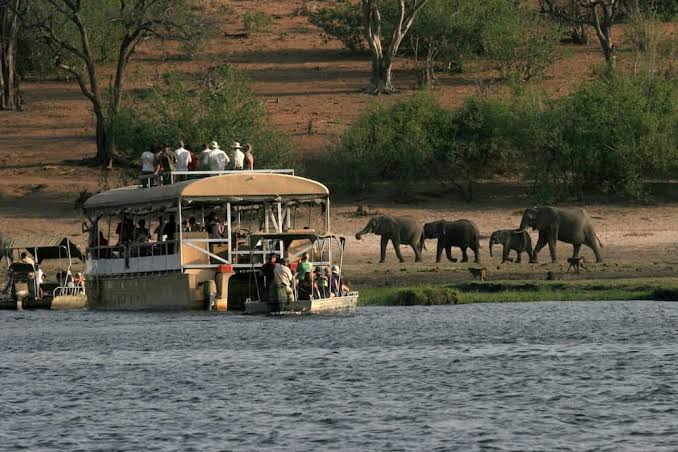
Without a doubt, the red elephants stand as the most iconic animals found in Tsavo. The park protects one of the largest elephant populations in all of Kenya, and these gentle giants have become the living symbol of the entire ecosystem. However, they carry a striking twist that surprises first time visitors. Instead of the usual grey, the elephants of Tsavo often glow a deep, rusty red. This unusual color comes from the region’s iron rich red soil. The elephants dust themselves and wallow in the red earth to shield their skin from the harsh sun and biting insects.
As a result, watching a herd of these red giants stroll across the golden plains creates a sight found nowhere else on Earth. In addition, elephants play a vital role in shaping the landscape. They push over trees, dig for water, and spread seeds across huge distances, which helps countless other animals thrive. Today, thanks to strong conservation and anti poaching work, Tsavo’s elephant population continues to recover and grow. Therefore, spotting these magnificent red elephants easily ranks as the highlight of any Tsavo safari.
Lions and the Legendary Maneless Males
Among the many predators found in Tsavo, lions hold a special and famous place. The park supports healthy prides that hunt across the open plains and hide among the thornbush. Yet Tsavo lions display a fascinating difference from those in other Kenyan parks. Many of the male lions here grow little or no mane, which gives them a distinctive, powerful appearance. Scientists still debate the reason, with theories pointing to the region’s intense heat and dense, thorny vegetation.
Moreover, these maneless lions carry a gripping history. Back in 1898, two male lions famously hunted railway workers during the construction of the Kenya Uganda Railway, and their dramatic story spread around the world. Watching lions in the very landscape where that legend unfolded adds a thrilling layer to any game drive. Beyond lions, Tsavo shelters other exciting predators, including cheetahs that sprint across the open ground and spotted hyenas that patrol at dawn and dusk. Consequently, predator lovers find plenty to celebrate here. The chance to see these unique maneless lions makes Tsavo a truly special destination for big cat enthusiasts.
The Big Five and Where to Find Them
Tsavo proudly protects all members of the famous Big Five: elephant, lion, leopard, buffalo, and rhino. This makes the park a top choice for travelers who hope to tick off Africa’s most celebrated animals. We have already met the red elephants and maneless lions, but the other three deserve attention too. Buffalo gather in large, powerful herds across both sections of the park, and they often wallow in muddy pools near rivers and waterholes. These strong animals command respect and add drama to any sighting.
Leopards, meanwhile, live throughout Tsavo, though their shy, secretive nature makes them harder to find. Look for them resting in trees or moving quietly through rocky areas in the early morning or late evening. Rhinos complete the Big Five, and Tsavo West offers the best chance to see them at the Ngulia Rhino Sanctuary, a fenced haven that protects endangered black rhinos. Therefore, patient and well guided travelers stand a real chance of seeing all five within the Tsavo ecosystem. Few parks combine such variety with such vast, uncrowded wilderness.
Giraffes, Zebras, and the Great Grazers
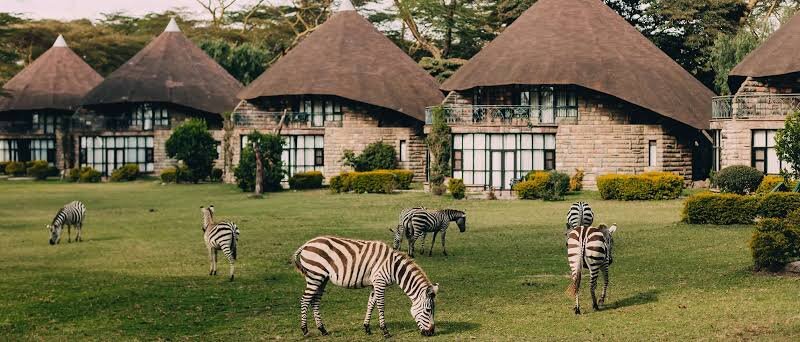
Beyond the headline predators and giants, Tsavo bursts with plains animals that fill every view with life. Tall Maasai giraffes browse gracefully among the acacia trees, using their long necks and tongues to reach the highest leaves. Herds of plains zebra add bold black and white stripes to the golden landscape, and they often mingle with other grazers for safety. Together, these animals create the classic African savannah scenes that safari dreams are made of.
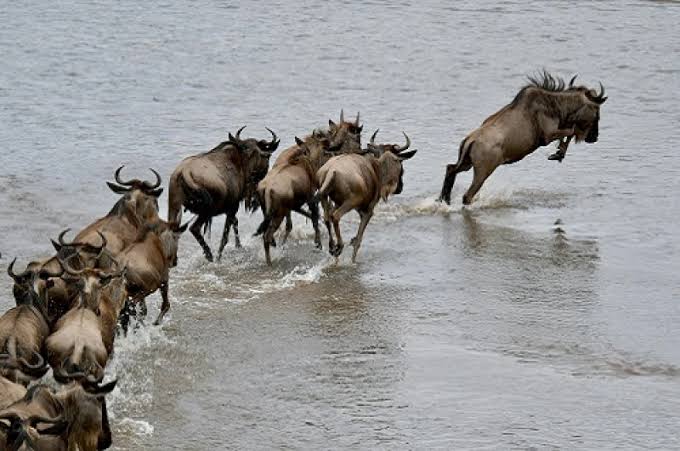
In addition, Tsavo supports huge numbers of antelope and other grazers. Impalas leap through the bush, while hardy Coke’s hartebeest and topi graze the open plains. Waterbuck gather near rivers and springs, easily recognized by the white ring on their rumps. Warthogs trot across the grass with their thin tails pointing straight up, and they entertain visitors at every turn. Because these grazing animals appear in such abundance, they also attract the predators that hunt them, which keeps the whole ecosystem alive and active. Consequently, watching these great herds move across the plains forms a core part of the wonderful Tsavo experience.
Rare and Special Dry Country Species
One of the most exciting reasons to visit Tsavo lies in its rare and unusual animals. Because the park sits in a hot, dry region, it shelters several special species that many other Kenyan parks simply lack. Chief among them is the gerenuk, a remarkable antelope with an extremely long neck. The gerenuk often stands upright on its hind legs to reach leaves high in the bushes, which creates an unforgettable and almost comical sight. Spotting one feels like a true safari reward.
Furthermore, Tsavo is home to the lesser kudu, a shy and beautiful antelope with striking white stripes and large ears. The fringe eared oryx, with its long straight horns and bold facial markings, also roams the dry plains here. Tiny dik diks, among the smallest antelopes in Africa, dart through the undergrowth in pairs, while the hardy Grant’s gazelle grazes the open ground. Because these dry country specialists thrive in Tsavo’s unique habitat, the park offers wildlife encounters that feel fresh and different. Therefore, keen safari goers treasure Tsavo for the chance to see animals rarely found in the greener, more famous reserves.
Hippos, Crocodiles, and River Life
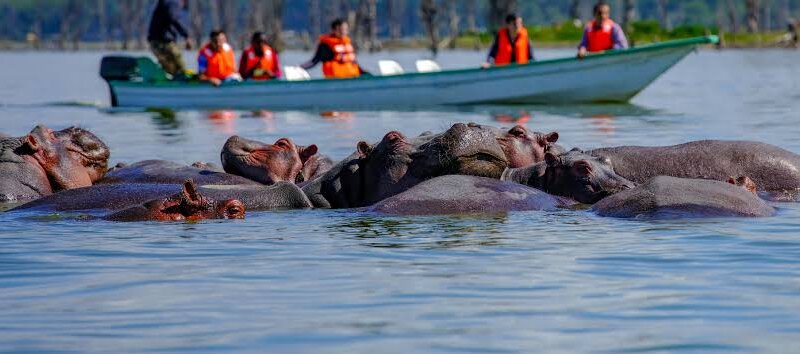
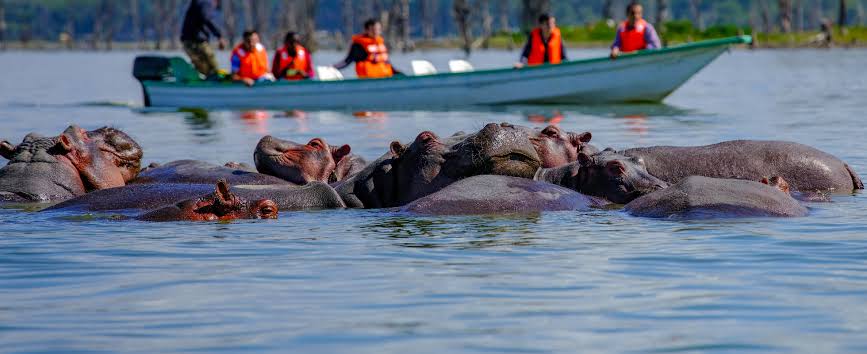
Water brings its own cast of fascinating animals to Tsavo, and the park’s rivers and springs support rich aquatic life. In Tsavo West, the world famous Mzima Springs pours out millions of liters of crystal clear water each day. Here, pods of hippos wallow in the pools, and a special underwater viewing chamber lets you watch them glide beneath the surface alongside shoals of fish. This magical experience ranks among the highlights of any visit to the western park.
Meanwhile, the Galana and Tsavo Rivers in Tsavo East draw wildlife from across the plains. Nile crocodiles bask on the sandy banks and lurk in the water, waiting patiently for a meal. Hippos gather in the deeper pools, spending their days submerged and their nights grazing on land. In addition, these rivers attract elephants, buffalo, and countless antelope that come to drink, especially during the dry season. As a result, the waterways of Tsavo become natural gathering points for wildlife. Consequently, spending time near rivers and springs offers some of the best and most reliable animal viewing in the entire park.
A Birdwatcher’s Paradise: Over 500 Species
While the big animals grab most of the attention, Tsavo also ranks among the finest birding destinations in Kenya. The park records more than 500 bird species across its varied habitats, from open plains and rivers to hills and woodlands. This incredible diversity means birdwatchers can fill their checklists quickly and enjoy constant color and movement throughout their safari. Even travelers who do not consider themselves birders often fall in love with the park’s feathered residents.
Look for the common ostrich striding across the plains as the world’s largest bird, and the striking secretary bird hunting snakes on foot. Colorful lilac breasted rollers, bee eaters, and superb starlings flash through the bush, while weaver birds build their intricate hanging nests in the trees. Along the rivers, herons, storks, and kingfishers hunt for fish and frogs. In addition, between November and January, huge numbers of migratory birds arrive from Europe and Asia, which boosts the species count even higher. Consequently, whether you carry binoculars or a camera, Tsavo rewards bird lovers with endless discovery and delight.
Here is the rewritten version of your tips section, keeping the original heading and paragraph structure while seamlessly incorporating Giant Holiday Safaris as your trusted tour operator.
Tips for Spotting Wildlife in Tsavo
A little planning greatly improves your chances of seeing Tsavo’s amazing animals. First, visit during the dry seasons, from June to October and January to February, when wildlife gathers near rivers, springs, and waterholes. During these months, animals become easier to find, and the roads stay in good condition. Second, start your game drives early in the morning, because most animals move and feed actively in the cool hours after sunrise. Predators especially tend to hunt at dawn and dusk.
Third, hire an experienced local guide from a reputable operator like Giant Holiday Safaris. Our skilled guides read tracks, understand animal behavior, and know exactly where different species tend to appear, so your sightings multiply dramatically across this vast area. Fourth, bring binoculars and a camera with a good zoom lens, since Tsavo is huge and some animals keep their distance. Fifth, stay patient and quiet, especially when searching for shy species like leopards, rhinos, and the gerenuk. Finally, let Giant Holiday Safaris design an itinerary that allows at least two or three days to explore properly. With these simple steps, you will maximize every wildlife encounter and enjoy the full richness of Tsavo.
Final Thoughts
So, what animals are found in Tsavo? As you can now see, this vast Kenyan wilderness overflows with an incredible variety of life. The famous red elephants roam the golden plains alongside the legendary maneless lions, while the complete Big Five, including buffalo, leopards, and the protected black rhinos of Ngulia, reward patient travelers. Partnering with a premier tour operator like Giant Holiday Safaris ensures your tracking is guided by experts, making it easy to spot giraffes, zebras, endless herds of antelope, and rare dry country species like the long-necked gerenuk, the shy lesser kudu, and the tiny dik-dik that make Tsavo truly special. Add the hippos and crocodiles of the rivers and springs, plus more than 500 dazzling bird species, and you have one of Africa’s richest wildlife destinations. Because the park stays vast, wild, and uncrowded, every sighting feels personal and unforgettable. The animals found in Tsavo promise an authentic and thrilling safari, so start planning your Tsavo adventure with Giant Holiday Safaris today and come meet them for yourself.
Combined Uganda, Kenya, Rwanda and Tanzania Safaris
17 days Kenya Tanzania and Uganda safari
19 Days Uganda Kenya and Tanzania Safari
16 Days Kenya Tanzania and Uganda Safari
14 Days Kenya Uganda and Tanzania Safari
14 Days Kenya Uganda and Rwanda Safari