
Tsavo West National Park
May 7, 2026
Bwindi gorilla trekking honeymoon safari
May 7, 2026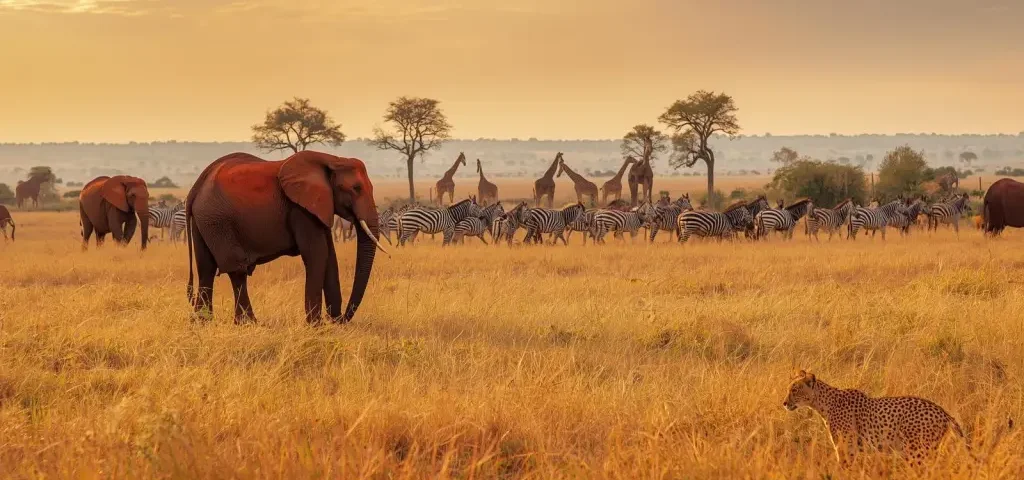
Tsavo East vs West
Tsavo East vs West: Tsavo East National Park and Tsavo West National Park stand among the most iconic safari destinations in Africa. Together, they form the greater Tsavo ecosystem, one of the largest wildlife conservation areas on the continent. Although both parks share the famous Tsavo name, they offer very different safari experiences. Travelers who understand these differences can plan a more rewarding and memorable African adventure.
Tsavo East attracts visitors with wide open plains, large elephant herds, and dramatic red dust landscapes. On the other hand, Tsavo West delivers a greener and more diverse environment filled with volcanic hills, springs, rocky outcrops, and thick bushland. Both parks provide exceptional wildlife encounters, yet each one appeals to different travel styles and safari expectations.
Many travelers often ask which park offers the best safari experience. However, the answer depends on personal interests, travel goals, wildlife expectations, photography preferences, and safari activities. Some visitors prefer the vast wilderness and easier game viewing in Tsavo East, while others enjoy the scenic beauty and varied landscapes of Tsavo West.
This detailed comparison explores every important aspect of these two remarkable parks. From wildlife and landscapes to accessibility, accommodation, safari activities, and photography opportunities, this guide helps travelers choose the right destination for their African safari. At the same time, it offers valuable insights for travelers who may wish to combine both parks into one unforgettable Kenya safari experience.
Location and Accessibility
Tsavo East National Park lies in southeastern Kenya between Nairobi and Mombasa. The park covers a massive area and stretches across semi-arid wilderness dominated by open savannahs and flat plains. Its location along the major Nairobi-Mombasa highway and railway line makes it one of the easiest safari parks to access in Kenya. Travelers can reach the park by road from Nairobi in about six to seven hours, while visitors from Mombasa usually take around three to four hours.
Several entry gates serve Tsavo East, including Voi Gate, Buchuma Gate, and Manyani Gate. Additionally, airstrips inside the park allow convenient fly-in safaris from Nairobi and coastal destinations. This flexibility makes Tsavo East suitable for both luxury safaris and budget friendly adventures.
In contrast, Tsavo West National Park sits adjacent to Tsavo East but offers more rugged terrain and thicker vegetation. The park stretches from the Tanzanian border toward the Nairobi-Mombasa transport corridor. Travelers can access Tsavo West through gates such as Mtito Andei Gate, Chyulu Gate, and Maktau Gate. Road access remains convenient, although some internal roads become challenging during heavy rains due to rocky terrain and muddy conditions.
Tsavo West also features several airstrips that support fly-in safaris. Moreover, its proximity to Amboseli and the Chyulu Hills allows travelers to combine multiple destinations within one safari itinerary. Overall, both parks offer good accessibility, but Tsavo East generally provides easier navigation and shorter game drive routes because of its flatter terrain.
Landscape and Scenery
One of the biggest differences between these parks appears in their landscapes. Tsavo East National Park presents vast open spaces covered with dry grasslands, acacia woodlands, scattered baobab trees, and dusty plains. The scenery feels raw, wild, and untamed. Long horizons create a classic African safari atmosphere that many travelers imagine before visiting Africa.
The Yatta Plateau, one of the world’s longest lava flows, adds geological significance to Tsavo East. Meanwhile, the Galana River cuts through the park and attracts large numbers of animals throughout the year. Aruba Dam also creates a rich wildlife zone where visitors often enjoy excellent game viewing.
Tsavo East’s open landscapes improve wildlife visibility. Visitors can spot elephants, giraffes, zebras, buffaloes, and predators from long distances. Additionally, photographers appreciate the golden light and dramatic red soil that create striking safari images.
Meanwhile, Tsavo West National Park offers a completely different atmosphere. The park features rolling hills, volcanic cones, lava fields, dense bushland, natural springs, and rocky escarpments. Green vegetation dominates many sections of the park, especially near water sources. As a result, Tsavo West feels more scenic and diverse than Tsavo East.
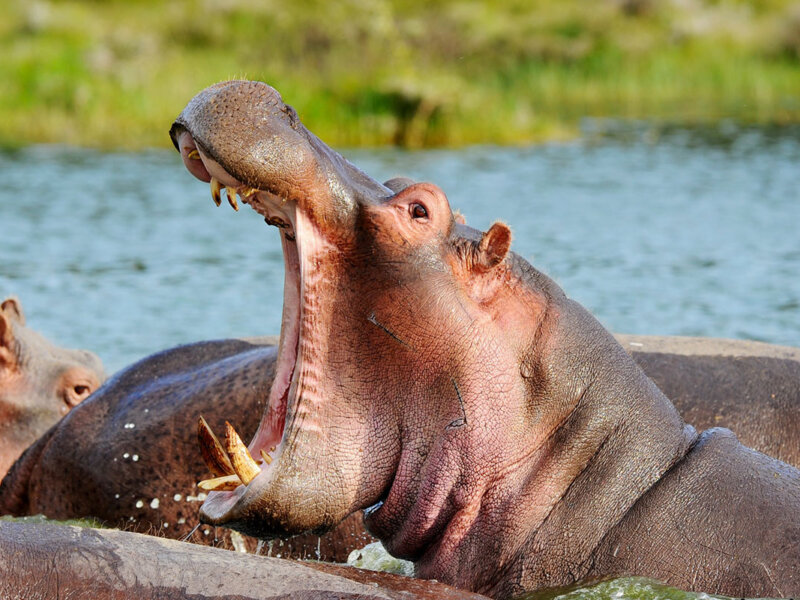
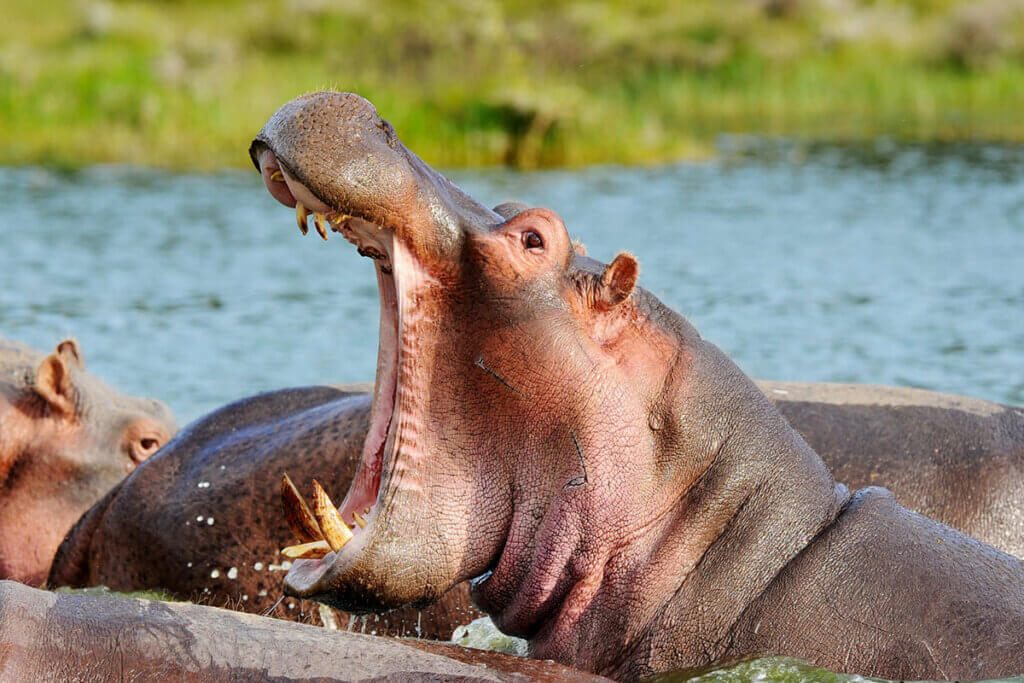
Mzima Springs stands out as one of the park’s most famous attractions. Crystal clear water flows from underground streams and supports hippos, crocodiles, fish, and birdlife. The surrounding greenery creates a peaceful contrast to the dry plains found in Tsavo East.
Additionally, the Shetani Lava Flow adds dramatic volcanic scenery to Tsavo West. The Chyulu Hills nearby further enhance the park’s beauty with rolling green landscapes and panoramic views. Travelers who prioritize scenery often favor Tsavo West because of its varied terrain and natural diversity.
Wildlife Viewing Experience
Wildlife remains the heart of every safari experience, and both parks deliver remarkable encounters. However, the style of wildlife viewing differs greatly between them.
Tsavo East National Park enjoys a strong reputation for easier game viewing because of its open terrain. Visitors frequently encounter large elephant herds coated in the region’s famous red dust. These elephants rank among the most recognizable wildlife icons in Kenya.
Tsavo East also supports lions, leopards, cheetahs, buffaloes, zebras, giraffes, hartebeests, gazelles, and many antelope species. The park’s wide plains allow safari vehicles to spot wildlife from far away, increasing the chances of successful game drives.
Birdwatchers also enjoy excellent opportunities in Tsavo East. The park hosts hundreds of bird species, especially around rivers, dams, and seasonal wetlands. Raptors, ostriches, kingfishers, hornbills, and weaver birds appear regularly during safari drives.
In comparison, Tsavo West National Park offers more challenging but rewarding wildlife viewing. Thick vegetation and rocky terrain sometimes make animals harder to spot. However, patient travelers often experience more intimate and dramatic wildlife encounters.
Tsavo West supports elephants, lions, leopards, buffaloes, rhinos, giraffes, hippos, crocodiles, and numerous smaller mammals. The Ngulia Rhino Sanctuary provides one of the best chances to see endangered black rhinos in Kenya. This protected sanctuary strengthens Tsavo West’s conservation importance.
The park also attracts bird lovers thanks to its wetlands, springs, and forested areas. Migratory birds arrive seasonally, creating even richer birdwatching opportunities. Although wildlife sightings may require more patience in Tsavo West, many travelers appreciate the sense of exploration and unpredictability.
Tsavo East vs West: Safari Activities and Attractions
Both parks offer traditional game drives, but Tsavo West provides a wider variety of attractions and safari experiences.
In Tsavo East National Park, game drives dominate most itineraries. The park’s open terrain supports long wildlife viewing routes and rewarding photography opportunities. Travelers also visit Aruba Dam and the Galana River for concentrated wildlife sightings.
Nature lovers enjoy the remote wilderness atmosphere found throughout Tsavo East. Because the park feels less crowded than many famous safari destinations, visitors often experience a stronger sense of solitude and adventure.
Meanwhile, Tsavo West National Park delivers a more diverse safari experience. Mzima Springs remains the park’s top attraction thanks to its underwater hippo viewing chamber and lush environment. Visitors can walk safely with guides while observing aquatic wildlife and learning about the springs’ ecosystem.
The Shetani Lava Flow offers another unique experience. Visitors explore black volcanic rock fields created by ancient eruptions while learning about the region’s geological history. Additionally, the Ngulia Rhino Sanctuary introduces conservation-focused safari experiences that attract wildlife enthusiasts from around the world.
Rock climbing, guided nature walks, birdwatching, and scenic photography also enrich Tsavo West safaris. The park’s varied terrain creates opportunities for travelers who want more than standard game drives. Therefore, Tsavo West appeals strongly to adventurous travelers and nature lovers seeking diversity.
Tsavo East vs West: Accommodation Options
Accommodation in both parks ranges from luxury lodges to tented camps and budget safari campsites. However, the atmosphere and style differ slightly between the two destinations.
Tsavo East National Park mainly features accommodations designed around classic savannah safari experiences. Many lodges overlook waterholes or open plains where animals gather throughout the day. Guests often enjoy uninterrupted views of elephants, zebras, giraffes, and antelopes directly from their rooms or dining areas.
Luxury lodges in Tsavo East focus on comfort while preserving the wilderness atmosphere. Mid-range camps and budget options also provide excellent value for travelers seeking affordable Kenya safaris. Additionally, the park’s accessibility makes it popular for short safari extensions from the Kenyan coast.
On the other hand, Tsavo West National Park offers accommodations that blend closely with dramatic natural surroundings. Many lodges sit near hillsides, springs, or volcanic landscapes, creating highly scenic environments.
Some luxury properties in Tsavo West emphasize exclusivity and privacy. Elevated viewpoints, panoramic terraces, and eco-friendly designs enhance the guest experience. Travelers who prioritize scenery and lodge ambiance often prefer Tsavo West because many accommodations integrate beautifully into the surrounding landscape.
Camping opportunities also exist in both parks for adventurous travelers. These camps allow visitors to experience the sounds and atmosphere of the African wilderness more closely.
Tsavo East vs West: Best Park for Photography
Safari photography plays an important role in modern African tourism, and both parks provide outstanding opportunities for photographers.
Tsavo East National Park suits wildlife photographers who want clear visibility and dramatic safari imagery. The open plains allow photographers to capture animals against expansive African landscapes. The park’s famous red soil creates strong visual contrast, especially when elephants dust themselves during dry conditions.
Sunrise and sunset photography thrives in Tsavo East because the open horizons produce golden light across the savannah. Wildlife action shots also become easier because animals remain more visible across the plains.
Meanwhile, Tsavo West National Park appeals to photographers who value scenic composition and environmental storytelling. Volcanic landscapes, green springs, lava fields, and rocky hills create visually rich backgrounds for wildlife photography.
Mzima Springs offers rare opportunities to photograph hippos and crocodiles in crystal clear water settings. The dramatic terrain also supports unique landscape photography that differs from traditional savannah safari images.
Ultimately, photographers who focus mainly on wildlife often prefer Tsavo East, while those interested in both wildlife and scenery usually favor Tsavo West.
Tsavo East vs West: Weather and Best Time to Visit
Both parks experience warm temperatures throughout the year, but seasonal weather affects safari conditions differently.
Tsavo East National Park remains generally hotter and drier because of its semi-arid environment. Dry seasons from June to October and January to February usually provide the best wildlife viewing opportunities. During these months, animals gather around limited water sources, making sightings easier and more predictable.
The dry weather also improves road conditions and photography visibility. However, temperatures can rise significantly during midday hours, especially in open areas.
Meanwhile, Tsavo West National Park receives slightly more rainfall because of its varied terrain and higher elevations. Vegetation becomes greener and denser during rainy seasons, creating beautiful scenery but sometimes reducing wildlife visibility.
The park remains attractive year round due to its diverse ecosystems and permanent water sources. However, travelers should prepare for occasional muddy roads during heavy rains.
For travelers seeking classic dry season safaris with easier wildlife viewing, Tsavo East often becomes the preferred choice. In contrast, visitors interested in lush scenery and varied landscapes may enjoy Tsavo West throughout different seasons.
Tsavo East vs West: Which Park Is Better?
Choosing between Tsavo East and Tsavo West depends on safari preferences. Giant Holiday Safaris helps travelers select the right park or combine both for a complete experience.
Tsavo East offers wide savannahs, large elephant herds, and easier wildlife viewing. Its open plains and red dust scenery create iconic safari moments. With Giant Holiday Safaris, guests enjoy smooth access and excellent wildlife photography opportunities.
Tsavo West appeals to those seeking diverse landscapes, volcanic features, springs, and adventurous activities. Rugged terrain, green scenery, and attractions like Mzima Springs make it visually rich. Giant Holiday Safaris’ expert guides highlight rhino conservation and unique exploration opportunities.
Many travelers choose to visit both parks. Giant Holiday Safaris designs combined itineraries, balancing Tsavo East’s classic safari atmosphere with Tsavo West’s scenic diversity.
Together, the parks showcase Kenya’s wildlife, landscapes, and conservation efforts. By traveling with Giant Holiday Safaris, visitors enjoy authentic safaris while supporting sustainable tourism across the legendary Tsavo ecosystem.
Conclusion
Tsavo East and Tsavo West each deliver unique safari experiences that highlight Kenya as one of Africa’s top wildlife destinations. Giant Holiday Safaris helps travelers explore both parks with tailored itineraries, ensuring smooth logistics and unforgettable adventures.
Tsavo East offers vast plains, iconic red elephants, and easier wildlife sightings. Tsavo West, on the other hand, captivates with volcanic landscapes, springs, and diverse safari activities. With Giant Holiday Safaris, visitors enjoy the best of both worlds through expertly guided tours.
Travelers seeking traditional safaris often choose Tsavo East, while those wanting scenic diversity favor Tsavo West. Giant Holiday Safaris combines both parks for the ultimate Tsavo safari, creating a complete and enriching experience.
As tourism grows, these parks remain essential destinations. By traveling with Giant Holiday Safaris, visitors support conservation, enjoy authentic wilderness, and build lasting memories in Kenya’s legendary Tsavo ecosystem.