Gorilla trekking in Uganda Bwindi
April 21, 2026
Best gorilla trekking in Uganda
April 21, 2026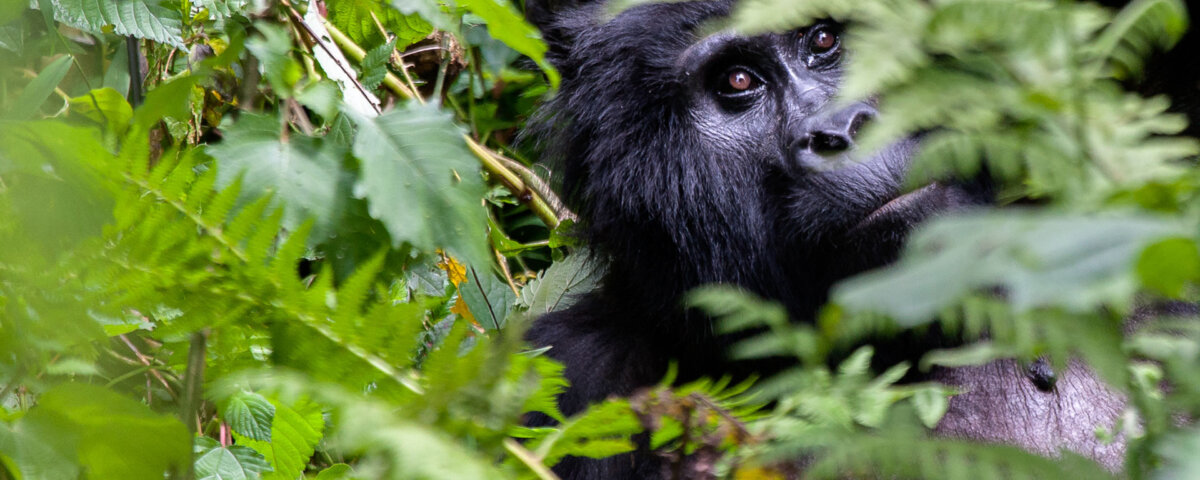
Uganda Gorilla Safari Experience
The Uganda gorilla safari experience delivers one of the most powerful wildlife encounters on Earth. In this journey, travelers step into ancient rainforests, follow expert guides through dense vegetation, and finally meet mountain gorillas in their natural home. This moment feels raw, real, and deeply moving. Uganda stands out as a top destination because it protects more than half of the world’s remaining mountain gorillas, mainly in Bwindi Impenetrable National Park and Mgahinga Gorilla National Park.
Moreover, Uganda offers a complete safari experience. Visitors enjoy wildlife, culture, landscapes, and warm hospitality all in one trip. The country’s tourism sector continues to grow with strong conservation values, making it a trusted and responsible destination. As a result, travelers not only see gorillas but also support conservation and local communities.
What Makes the Uganda Gorilla Safari Experience Unique
The Uganda gorilla safari experience stands out because it combines adventure, intimacy, and conservation. First, travelers trek through thick forests that feel untouched. The terrain challenges the body, yet it rewards every step with stunning scenery and rare wildlife. Then, the moment of meeting a gorilla family creates a deep emotional connection.
Unlike many wildlife experiences, gorilla trekking limits visitor numbers. Each group allows only a few people per day. As a result, the encounter feels personal and respectful. Visitors spend one full hour with the gorillas, observing their behavior, social structure, and interactions.
Additionally, Uganda offers diverse trekking conditions. Some trails feel easy, while others demand effort. This range allows different fitness levels to participate. Skilled guides and trackers also enhance the experience. They share knowledge, ensure safety, and help locate gorilla families efficiently.
Furthermore, Uganda’s pricing remains more accessible compared to other destinations. This advantage attracts travelers seeking value without sacrificing quality. Overall, the Uganda gorilla safari experience blends authenticity, affordability, and unforgettable moments.
Gorilla Trekking in Bwindi Impenetrable National Park
Bwindi Impenetrable National Park offers the most popular gorilla trekking experience in Uganda. This UNESCO World Heritage Site holds dense vegetation, steep hills, and rich biodiversity. It hosts the largest population of mountain gorillas in the world.
The park features four main trekking sectors: Buhoma, Ruhija, Rushaga, and Nkuringo. Each sector provides a unique trekking environment. Some trails move through thick vines, while others pass open forest sections. Therefore, every trek feels different and exciting.
Trekkers begin early in the morning with a briefing. Guides explain rules, safety measures, and expectations. Afterward, small groups head into the forest with armed rangers and trackers. The trek may last one to six hours, depending on the gorilla family’s location.
Once visitors find the gorillas, the experience becomes magical. Gorillas move, feed, play, and interact naturally. Visitors observe quietly and capture photos without flash. This close encounter builds a strong emotional impact.
Gorilla Trekking in Mgahinga Gorilla National Park
Mgahinga Gorilla National Park provides a quieter and more exclusive gorilla trekking experience. The park sits in the Virunga Mountains and features stunning volcanic landscapes. Its scenery includes bamboo forests, open slopes, and dramatic peaks.
Although Mgahinga hosts fewer gorilla families than Bwindi, it offers a more intimate setting. Travelers often enjoy less crowded treks and more personalized experiences. This advantage appeals to those seeking privacy and calm surroundings.
The trekking process remains similar. Visitors receive a briefing, then follow guides into the forest. However, the terrain in Mgahinga can feel more open compared to Bwindi’s dense jungle. This difference sometimes allows clearer views of gorillas.
In addition, Mgahinga offers unique cultural experiences. The Batwa cultural trail introduces visitors to the forest’s original inhabitants. This experience highlights traditional lifestyles, survival skills, and deep cultural heritage.
Furthermore, Mgahinga connects easily with neighboring countries. Travelers can combine Uganda with Rwanda or Congo for a broader safari itinerary. This flexibility enhances the overall travel experience.
What to Expect During a Gorilla Trek
The Uganda gorilla safari experience begins early in the morning. Visitors gather at the park headquarters for registration and briefing. Guides explain trekking rules, safety tips, and gorilla behavior. This preparation ensures a smooth and respectful encounter.
Next, groups head into the forest with trackers and rangers. The trek varies in difficulty. Some routes feel short and manageable, while others require more time and effort. Weather conditions also influence the experience, as rain can make trails slippery.
During the trek, guides share knowledge about plants, birds, and other wildlife. This information enriches the journey and adds value beyond gorilla viewing. Meanwhile, trackers communicate with teams ahead to locate the gorillas.
When visitors reach the gorilla family, they spend one hour observing. This time feels intense and unforgettable. Gorillas may move close, groom each other, or rest peacefully. Visitors maintain a safe distance and follow strict rules to protect the animals.
After the trek, visitors return to the starting point. Many feel tired yet fulfilled. The experience leaves lasting memories and a deeper appreciation for wildlife conservation.
Best Time for a Uganda Gorilla Safari Experience
The Uganda gorilla safari experience runs all year, but certain seasons offer better conditions. The dry seasons, from June to September and December to February, provide the best trekking environment. Trails stay less muddy, and movement becomes easier.
During these months, visibility also improves. Clear skies and less rain allow better photography and comfortable trekking. Therefore, many travelers prefer this period.
However, the wet seasons bring their own advantages. From March to May and October to November, the forest becomes lush and vibrant. Gorilla trekking still continues, and fewer visitors create a more exclusive experience.
In addition, permit availability often improves during low seasons. Travelers may secure bookings more easily and sometimes find better accommodation rates.
Ultimately, the best time depends on personal preference. Travelers who value comfort may choose the dry season, while those seeking fewer crowds may prefer the wet season.
Gorilla Trekking Permits and Costs
Gorilla trekking permits form a key part of the Uganda gorilla safari experience. Every visitor must secure a permit in advance. The permit allows one trek and one hour with a gorilla family.
Uganda Wildlife Authority manages these permits and limits daily numbers. This system protects gorillas and ensures sustainable tourism. As a result, early booking becomes essential, especially during peak seasons.
The permit cost in Uganda remains competitive compared to other destinations. This affordability attracts travelers worldwide. Despite the cost, the experience offers exceptional value due to its uniqueness and conservation impact.
Additionally, the permit fee supports wildlife protection and community development. A portion funds ranger salaries, anti-poaching efforts, and local projects. Therefore, visitors directly contribute to conservation.
Travelers should also budget for accommodation, transport, and guiding services. Many tour operators offer packages that simplify planning and provide a seamless experience.
Accommodation Options for Gorilla Safaris
The Uganda gorilla safari experience includes a wide range of accommodation choices. Travelers can choose from luxury lodges, mid-range options, and budget camps. Each option provides comfort and proximity to trekking areas.
Luxury lodges offer high-end services, stunning views, and personalized experiences. Guests enjoy spacious rooms, fine dining, and excellent service. These lodges often sit close to park entrances, reducing travel time.
Mid-range accommodations balance comfort and affordability. They provide good facilities, clean rooms, and friendly service. Many travelers prefer this category for value and convenience.
Budget options suit adventurous travelers. Camps and guesthouses offer basic amenities but still provide a comfortable stay. These options help reduce overall travel costs.
Moreover, many lodges support eco-friendly practices. They use solar power, manage waste responsibly, and employ local staff. This approach aligns with sustainable tourism values.
Conservation and Responsible Tourism
The Uganda gorilla safari experience plays a vital role in conservation. Mountain gorillas once faced serious threats, but tourism has helped protect them. Controlled trekking, strict rules, and community involvement support their survival.
Visitors follow guidelines such as keeping distance, avoiding flash photography, and staying home when sick. These measures protect gorillas from human diseases and stress.
In addition, tourism creates jobs for local communities. People work as guides, porters, lodge staff, and artisans. This income reduces reliance on forest resources and promotes conservation.
Furthermore, community tourism programs allow visitors to engage with local cultures. These experiences build understanding and mutual respect.
Responsible tourism ensures long-term sustainability. Travelers who respect rules and support local businesses contribute to conservation success.
Combining Gorilla Trekking with Other Safari Experiences
The Uganda gorilla safari experience becomes even richer when combined with other adventures. Uganda offers diverse attractions that create a complete safari journey.
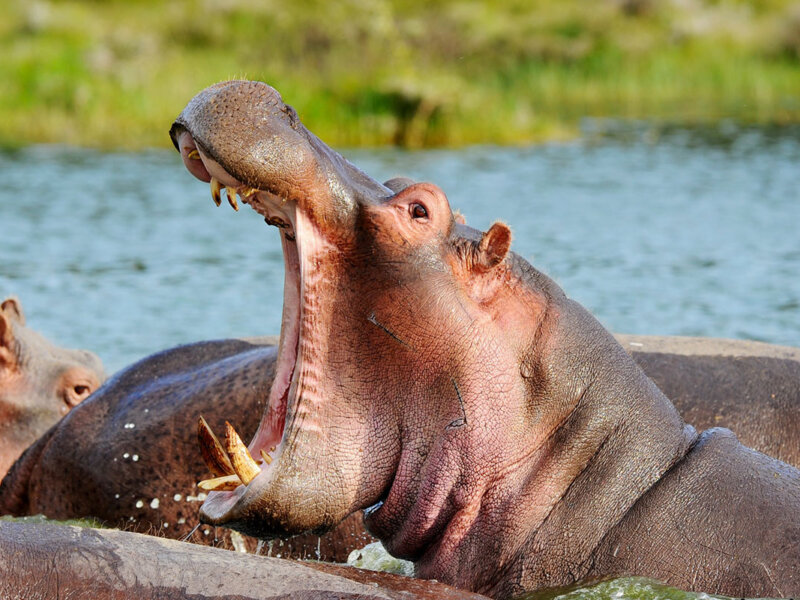
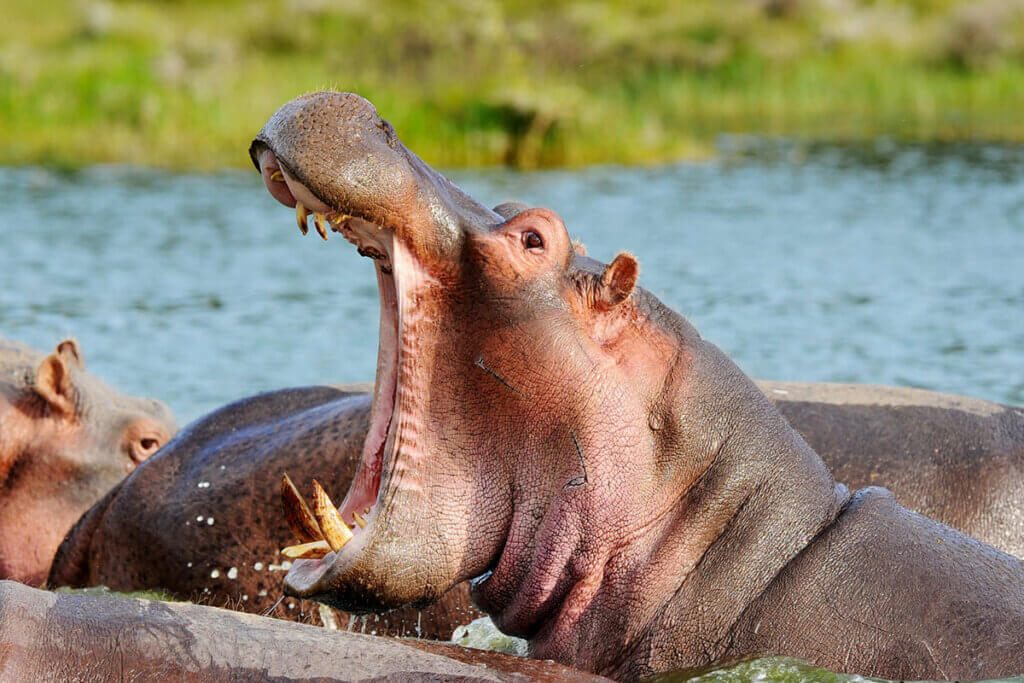
Visitors can explore Queen Elizabeth National Park for wildlife viewing. This park hosts lions, elephants, buffaloes, and hippos. Game drives and boat safaris provide exciting experiences.
In Murchison Falls National Park, travelers witness the powerful Nile River forcing through a narrow gorge. The park also offers game drives and river cruises.
Chimpanzee tracking in Kibale Forest adds another primate experience. Visitors observe active and playful chimpanzees in their natural habitat.
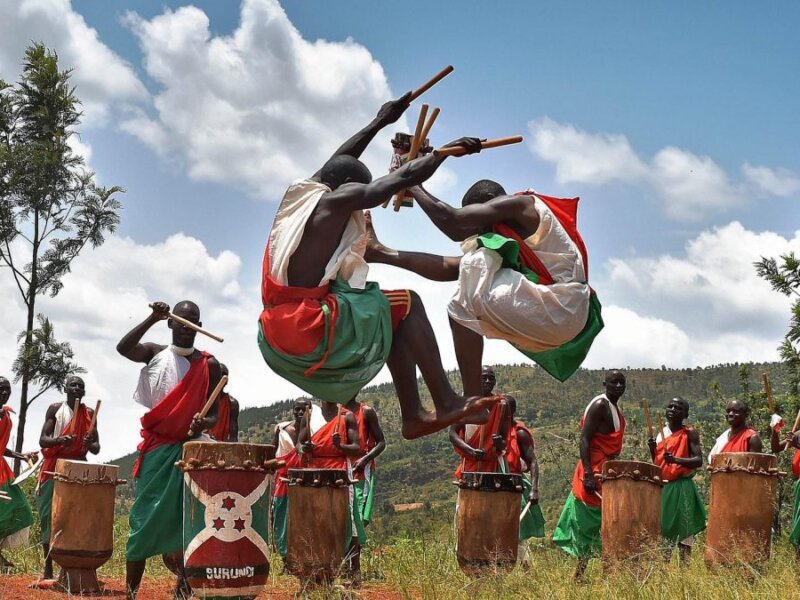
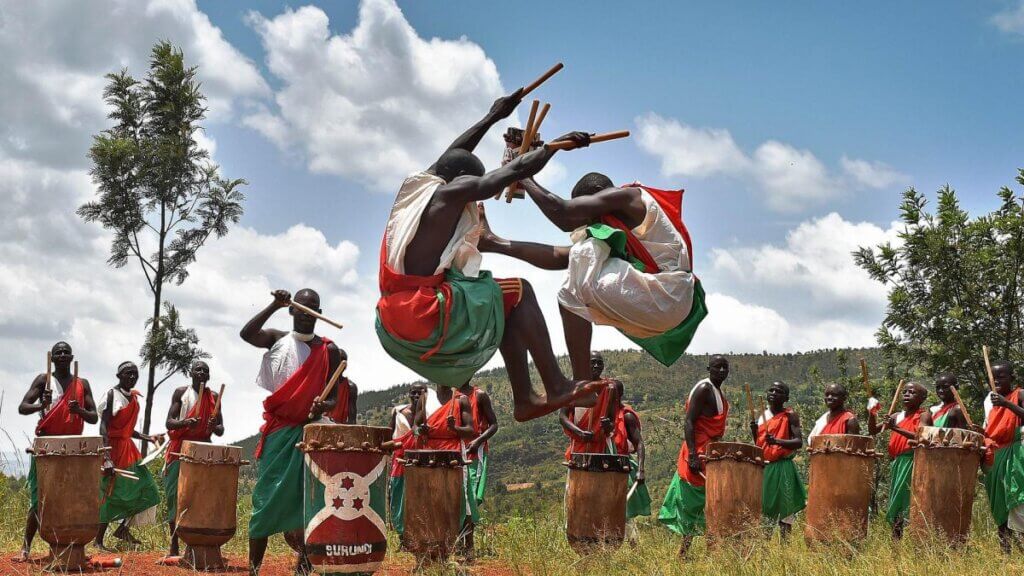
Additionally, cultural tours introduce Uganda’s traditions, music, and cuisine. These experiences enrich the journey and create lasting memories.
By combining activities, travelers enjoy a well-rounded African safari that highlights Uganda’s diversity.
Final Thoughts on the Uganda Gorilla Safari Experience
The Uganda gorilla safari experience delivers more than a wildlife encounter. It creates a deep connection with nature, supports conservation, and transforms perspectives. Every step through the forest leads to a meaningful and unforgettable moment.
Uganda stands as a trusted destination for gorilla trekking. Its commitment to sustainability, community involvement, and visitor satisfaction strengthens its reputation. Travelers who choose Uganda gain authentic experiences and lasting memories.
With proper planning, expert guidance, and responsible travel, this journey becomes smooth and rewarding. Therefore, the Uganda gorilla safari experience remains one of Africa’s greatest adventures and a must-do for global travelers seeking something truly extraordinary.
Combined Uganda, Kenya, Rwanda and Tanzania Safaris
17 days Kenya Tanzania and Uganda safari
19 Days Uganda Kenya and Tanzania Safari
16 Days Kenya Tanzania and Uganda Safari
14 Days Kenya Uganda and Tanzania Safari
14 Days Kenya Uganda and Rwanda Safari