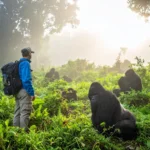
Uganda gorilla trekking rain season tips
April 28, 2026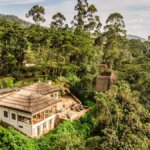
Uganda gorilla trekking eco lodges
April 28, 2026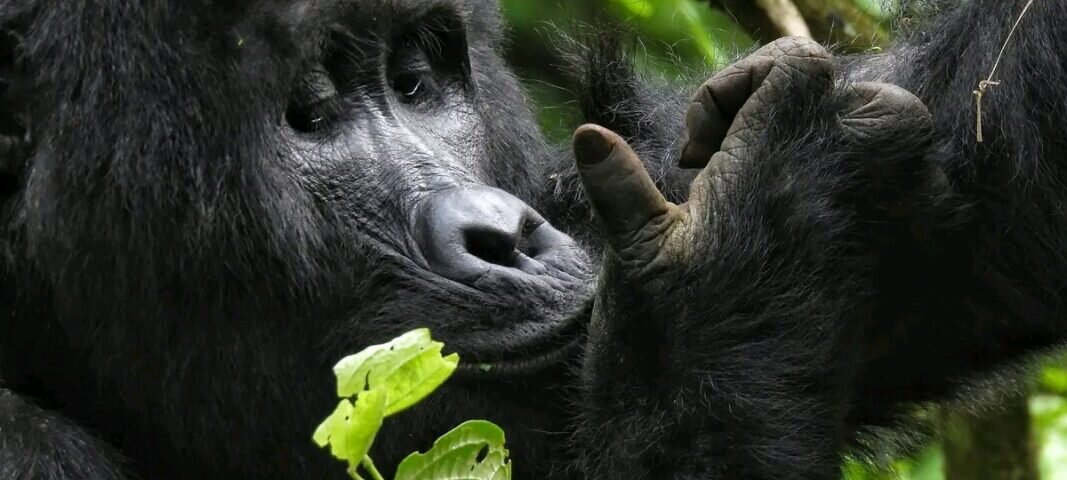
Uganda Gorilla Trekking Dry Season Guide
Uganda gorilla trekking dry season guide: Uganda offers one of the most powerful wildlife experiences in Africa gorilla trekking. Meeting mountain gorillas in their natural forest home creates memories that last a lifetime. For many travelers, the best time to enjoy this adventure is during the dry season. The trails become easier to walk, photography improves, and the entire safari feels more comfortable.
This Uganda gorilla trekking dry season guide helps travelers understand why the dry months attract visitors from around the world. Uganda protects more than half of the world’s remaining mountain gorillas, mainly in Bwindi Impenetrable National Park and Mgahinga Gorilla National Park. These two parks provide safe, well-managed trekking experiences led by professional rangers and guides.
The dry season usually runs from June to September and from December to February. During these months, rainfall reduces, forest paths stay less muddy, and travel between destinations becomes smoother. As a result, many visitors prefer this period for gorilla safaris.
Uganda gorilla trekking dry season guide
However, planning a gorilla trekking safari requires more than choosing travel dates. Travelers need to understand permits, packing lists, accommodation options, fitness expectations, and conservation rules. This guide covers everything in detail so visitors can prepare with confidence.
Whether you are planning your first Uganda safari holiday or returning for another African adventure, this guide helps you make smart decisions. Uganda’s gorilla trekking experience is not just a tour—it is a life-changing journey into one of the world’s most extraordinary wilderness areas.
Why the Dry Season Is Best for Gorilla Trekking in Uganda
The dry season gives travelers better conditions for trekking through Uganda’s dense rainforests. Although gorilla trekking happens all year, the dry months create a more comfortable and predictable experience.
First, forest trails remain less slippery. During the rainy season, heavy mud makes hiking difficult, especially in the steep hills of Bwindi Impenetrable National Park. In contrast, dry trails allow visitors to walk more safely and with less physical strain. This matters most for travelers who are not used to mountain hiking.
Second, wildlife photography becomes easier. Clear skies bring better natural light, and gorillas often stay in more open areas of the forest. Because of this, visitors capture stronger and clearer photos without struggling with heavy rain or fog.
Additionally, road access improves during the dry season. Many safari lodges sit in remote areas, and rough roads become harder to use during heavy rains. Dry weather helps travelers reach lodges, parks, and airstrips with fewer delays.
The dry season also matches peak safari travel across East Africa. Many visitors combine gorilla trekking with game drives in Queen Elizabeth National Park or chimpanzee tracking in Kibale Forest National Park. This creates a complete Uganda safari holiday.
Even though the dry season brings higher demand and earlier bookings, the comfort and quality of the trekking experience make it the preferred time for most international travelers.
Best Dry Season Months for Gorilla Trekking
Understanding the best dry season months helps travelers plan better gorilla trekking safaris in Uganda. The country experiences two main dry seasons each year, and both offer excellent trekking opportunities.
The longest dry season runs from June to September. This period attracts the highest number of travelers because weather conditions remain stable and trekking trails stay manageable. July and August are especially popular since many international visitors travel during summer holidays. Therefore, gorilla permits sell out quickly during these months.
The shorter dry season happens from December to February. This period also provides great trekking conditions and often attracts holiday travelers escaping winter in Europe and North America. January is one of the strongest months for gorilla trekking because the forest remains greener while still offering dry walking paths.
Each dry season has its own advantages. June to September works well for travelers combining gorilla trekking with East African wildlife safaris in Kenya or Tanzania. December to February fits perfectly for festive travel and year-end safari holidays.
Still, travelers should remember that Uganda is a tropical country. Light rain can happen even during dry months. For this reason, packing waterproof gear remains important.
Booking early is also necessary. Gorilla permits are limited because Uganda protects gorilla families through controlled tourism. Securing permits at least three to six months in advance helps avoid disappointment, especially during peak dry season months.
Gorilla Trekking Destinations in Uganda During Dry Season
Uganda has two main destinations for mountain gorilla trekking: Bwindi Impenetrable National Park and Mgahinga Gorilla National Park. Both parks offer unforgettable dry season trekking experiences, but each one feels different.
Bwindi Impenetrable National Park is the most famous gorilla trekking destination in Uganda. It protects the largest population of mountain gorillas in the country and offers several trekking sectors, including Buhoma, Ruhija, Rushaga, and Nkuringo. Each sector has unique landscapes, accommodation choices, and gorilla families.
During the dry season, Bwindi becomes more accessible. Forest paths improve, and travelers can move between sectors more easily. Many visitors choose Bwindi because it offers more permit availability and a wide range of luxury, mid-range, and budget lodges.
Mgahinga Gorilla National Park provides a quieter and more exclusive experience. It lies in southwestern Uganda near the borders of Rwanda and the Democratic Republic of Congo. The park is smaller, but it offers beautiful volcanic scenery and fewer crowds.
Dry season trekking in Mgahinga feels especially rewarding because clear skies reveal stunning views of the Virunga volcanoes. Visitors also enjoy golden monkey tracking and cultural encounters with the Batwa community.
Choosing between the two parks depends on personal travel style, budget, and availability of permits. Both destinations deliver extraordinary encounters with mountain gorillas and support important conservation efforts across the region.
Gorilla Permits and Why Early Booking Matters
A gorilla permit is the most important part of planning your Uganda gorilla trekking safari. Without this permit, trekking is not possible. The Uganda Wildlife Authority controls access to protect the gorillas and ensure sustainable tourism.
Each permit allows one person to spend one hour with a habituated gorilla family after the trek. This limited time protects the gorillas from stress while giving visitors a meaningful wildlife experience.
During the dry season, permits become highly competitive. Since many travelers prefer June to September and December to February, demand rises quickly. Waiting too long can leave travelers without access to their preferred trekking dates or park sectors.
Booking early gives more flexibility. It allows travelers to choose better lodge locations near their assigned gorilla family and helps tour operators create smoother safari itineraries. Most experienced safari companies recommend booking permits at least three to six months in advance.
Permits also support conservation. The money helps protect gorilla habitats, supports ranger patrols, and benefits local communities living near the parks. This makes gorilla tourism one of the strongest conservation success stories in Africa.
Travelers should work with trusted tour operators to secure permits safely and correctly. Reliable safari companies handle permit reservations, accommodation planning, and transport logistics, making the entire journey easier and more secure.
Early planning always creates a stronger gorilla trekking experience, especially during Uganda’s popular dry season.
What to Pack for Dry Season Gorilla Trekking
Even during the dry season, gorilla trekking requires smart packing. Uganda’s rainforest weather changes quickly, and forest conditions still demand strong preparation.
Start with hiking boots. Good waterproof boots with strong grip help visitors walk safely on steep and uneven trails. Even dry season paths may still have wet sections, roots, and loose soil. Comfortable socks also reduce foot pain during long hikes.
Long-sleeved shirts and long trousers protect against insects, thorny plants, and sun exposure. Neutral colors like green, brown, or khaki work best because they blend naturally into the forest environment.
A lightweight rain jacket remains essential. Short rain showers can happen without warning, even in dry months. Packing a waterproof jacket prevents discomfort during the trek.
Garden gloves help when holding branches or climbing steep sections. Many travelers forget this item, yet it makes trekking easier and safer.
Carry a small backpack with drinking water, snacks, sunscreen, insect repellent, and a camera. Energy snacks help during long hikes, especially for visitors trekking uphill for several hours.
A walking stick also helps balance on forest trails. Most lodges or park offices provide one before the trek begins.
Finally, bring a good camera without flash. Gorilla photography becomes one of the highlights of the safari, and visitors want quality memories from this once-in-a-lifetime encounter.
Fitness and Trekking Expectations During the Dry Season
Many travelers ask if gorilla trekking requires strong physical fitness. The answer depends on the assigned gorilla family and the gorillas’ movement that day. Some treks take one hour, while others last several hours through steep forest terrain.
The dry season makes trekking easier because trails stay less muddy and slippery. However, the hike still requires moderate fitness. Visitors should prepare for walking uphill, crossing uneven paths, and moving through thick vegetation.
Age does not decide trekking success preparation does. Many older travelers complete gorilla treks successfully with the help of guides, porters, and walking sticks. Hiring a porter is highly recommended because they carry bags and provide physical support on difficult slopes.
Travelers should stay active before arrival. Simple walking, stair climbing, and light hiking improve comfort during the trek. Good preparation reduces fatigue and helps visitors enjoy the experience fully.
Trekking begins early in the morning with a briefing from Uganda Wildlife Authority rangers. Visitors receive safety rules and group assignments based on fitness levels. Rangers often consider age and physical ability when assigning gorilla families.
The reward at the end of the hike makes every step worth it. Standing face-to-face with mountain gorillas creates deep emotional moments that few wildlife experiences can match.
Dry season trekking reduces physical challenges, but mental preparation and realistic expectations remain just as important for a successful safari.
Conservation Rules and Responsible Gorilla Tourism
Gorilla trekking is not only a safari activity it is also a conservation responsibility. Every visitor plays a role in protecting mountain gorillas and their fragile forest habitat.
Uganda follows strict trekking rules to keep gorillas safe. Visitors must maintain a safe distance of at least seven meters from the gorillas. This reduces the risk of spreading human diseases, which can seriously harm gorilla families.
People who feel sick should not trek. Even a common cold can threaten gorilla health because gorillas share many human biological similarities. Responsible travel means protecting wildlife first.
Flash photography is not allowed because sudden bright light can disturb the animals. Visitors should also keep voices low and avoid sudden movements during the encounter.
Eating, drinking, or leaving waste near gorillas is prohibited. Clean tourism protects both wildlife and the forest environment.
Hiring local guides and staying in community-supported lodges also strengthens conservation. Tourism revenue supports education, healthcare, and jobs for people living near national parks. When local communities benefit, wildlife protection becomes stronger.
Choosing ethical tour operators matters as well. Trusted safari companies respect park regulations, support conservation projects, and create sustainable tourism experiences.
Responsible gorilla trekking ensures future generations can enjoy the same powerful wildlife encounters. Conservation and tourism must work together, and every traveler becomes part of that success story in Uganda’s protected forests.