Uganda gorilla trekking checklist
April 28, 2026
Uganda gorilla trekking dry season guide
April 28, 2026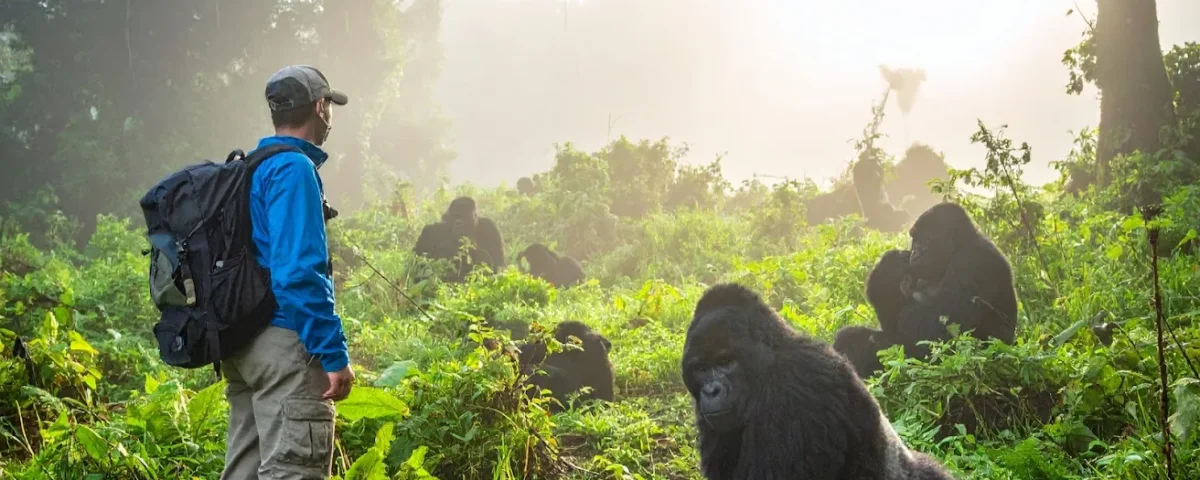
Uganda Gorilla Trekking Rain Season Tips
Uganda gorilla trekking rain season tips: Uganda offers one of the most powerful wildlife experiences in Africa, mountain gorilla trekking. Deep inside the misty forests of Bwindi Impenetrable National Park and Mgahinga Gorilla National Park, travelers meet endangered mountain gorillas in their natural home. While many visitors prefer the dry season, the rainy season also creates a unique and rewarding trekking experience.
Rain season gorilla trekking in Uganda brings greener landscapes, fewer crowds, and a more peaceful jungle atmosphere. The forests become fresh, vibrant, and alive with birds, butterflies, and beautiful plant life. Gorilla families also stay closer to lower slopes because food becomes more available, which can sometimes make trekking shorter.
However, the rainy season also comes with challenges. Trails become muddy, steep paths get slippery, and sudden showers can change the trekking pace. Good preparation makes all the difference. With the right clothing, proper hiking gear, and smart planning, travelers can enjoy an unforgettable safari even during wet months.
Understanding the best Uganda gorilla trekking rain season tips helps visitors stay comfortable, safe, and fully prepared. At Giant Holiday Safaris, we guide travelers through every step of the journey to ensure a smooth and memorable adventure. Rain should never stop anyone from discovering Uganda’s greatest wildlife treasure.
Understand Uganda’s Rainy Seasons Before Booking
Before planning a gorilla trekking safari, it helps to understand Uganda’s rainy seasons. This simple step allows travelers to choose the right travel dates and prepare better for forest conditions.
Uganda usually experiences two rainy seasons each year. The long rainy season runs from March to May, while the short rainy season happens from October to November. During these months, forests receive regular rainfall, and trekking trails become wetter and more slippery.
Even though rain falls often, it rarely rains the whole day. Many mornings begin dry, and showers usually come later in the afternoon. This makes early morning trekking possible and enjoyable. In fact, many gorilla treks start early for this reason.
Rainy season travel also offers excellent value. Some lodges reduce their rates, and visitors enjoy less crowded trekking groups. This creates a quieter and more personal wildlife experience.
Still, travelers must expect changing weather. Sunshine can quickly turn into rain, so flexibility becomes important. Choosing an experienced safari company like Giant Holiday Safaris helps guests manage these conditions smoothly.
Knowing the rainy seasons helps visitors avoid surprises and enjoy the trek with confidence. Preparation starts long before arriving in Uganda.
Pack the Right Rainy Season Gorilla Trekking Gear
Packing the right gear is one of the most important Uganda gorilla trekking rain season tips. Good equipment improves comfort, protects against bad weather, and makes the trek much easier.
A waterproof rain jacket should come first on the packing list. Heavy forest rain can start without warning, so strong rain protection is necessary. Waterproof trousers also help keep clothes dry during long walks through wet vegetation.
Hiking boots with strong grip are essential. Trails in Bwindi Impenetrable National Park often become muddy and slippery during the rainy season. Waterproof boots with ankle support protect both comfort and safety.
Travelers should also carry gaiters to stop mud and water from entering boots. Long-sleeved shirts and long trousers protect against scratches, insects, and stinging plants. Neutral colors like green, brown, or khaki work best for jungle trekking.
A waterproof backpack keeps cameras, passports, and extra clothing safe. Dry bags inside the backpack offer extra protection for electronics.
Garden gloves are also useful because trekkers often hold branches or vines while climbing steep paths.
Finally, extra socks make a big difference after a wet trek. Dry feet improve comfort greatly.
Smart packing turns a difficult rainy trek into a smooth and enjoyable gorilla safari experience.
Uganda gorilla trekking rain season tips: Choose Strong and Comfortable Hiking Boots
Footwear can decide whether a gorilla trek feels enjoyable or exhausting. During Uganda’s rainy season, strong hiking boots become more important than almost any other item.
The mountain forests of Bwindi Impenetrable National Park feature steep hills, uneven ground, thick mud, and slippery roots. Simple sneakers cannot handle these conditions well. Instead, waterproof hiking boots with deep grip help travelers stay stable and safe.
Boots should cover the ankles for better support. Gorilla trekking often involves climbing uphill, walking downhill, and crossing narrow muddy paths. Without ankle support, injuries become more likely.
Travelers should break in their boots before arriving in Uganda. New boots can cause painful blisters during long treks. Walking with them at home for a few days helps soften the material and improves comfort.
Good socks also matter. Thick hiking socks reduce friction and keep feet warm during wet weather. Carrying an extra dry pair adds comfort after the trek ends.
Some travelers rent gaiters from lodges or trekking centers. These protect boots from mud and stop water from entering from the top.
Comfort starts from the ground up. Strong boots give trekkers confidence, improve movement, and help them focus fully on the incredible gorilla encounter ahead.
Uganda gorilla trekking rain season tips: Hire a Porter for Extra Support
Many travelers underestimate the value of hiring a porter, especially during the rainy season. In reality, a porter can transform the entire gorilla trekking experience.
Porters assist by carrying backpacks, helping trekkers on steep paths, and offering physical support through muddy sections. During rainy months, slippery trails become harder to manage, and this extra help becomes very useful.
A porter also allows visitors to save energy for the main highlight the gorilla encounter itself. Instead of struggling with a heavy backpack, trekkers can focus on walking safely and enjoying the forest surroundings.
Most porters come from nearby local communities around Bwindi Impenetrable National Park and Mgahinga Gorilla National Park. Hiring one directly supports local families and strengthens community conservation efforts. This creates a positive impact beyond tourism.
Porter fees are affordable compared to the value they provide. Many guests later say it was one of the best decisions of the trip.
Even physically fit travelers benefit from porter assistance because rain changes trail conditions quickly.
Choosing a porter is not a sign of weakness. Instead, it is a smart travel decision that improves safety, comfort, and community support. It also makes the adventure much more enjoyable.
Start the Trek with Energy and Stay Hydrated
Rainy season trekking demands more physical effort than dry season hiking. Wet ground, slippery slopes, and thick forest paths require more strength and concentration. Because of this, starting the day with enough energy becomes very important.
A good breakfast should never be skipped before heading to the park headquarters. Most lodges near Bwindi Impenetrable National Park provide early meals before trekking begins. Foods like eggs, fruits, toast, porridge, and tea help prepare the body for the long walk ahead.
Hydration matters just as much. Even during cool rainy weather, the body loses water through walking, climbing, and sweating. Travelers should carry enough drinking water inside a waterproof daypack.
Energy snacks also help during the trek. Bananas, nuts, granola bars, and biscuits provide quick strength during breaks. These small items make a big difference during long climbs.
Trekkers should avoid carrying unnecessary heavy items. A lighter bag saves energy and reduces stress on difficult trails.
Getting enough rest the night before also improves performance. Gorilla trekking starts early, so sleep helps the body stay strong and focused.
Strong preparation supports a stronger trekking experience. Energy and hydration keep travelers comfortable and ready for every step of the gorilla safari journey.
Uganda gorilla trekking rain season tips: Protect Cameras and Important Items from Rain
Rainy season gorilla trekking creates beautiful photography opportunities, but moisture can easily damage valuable equipment. Protecting cameras and important travel items should always be part of the preparation plan.
Mountain gorilla encounters often happen in thick forest with mist, light rain, or wet vegetation. Cameras, phones, passports, and travel documents need proper waterproof protection throughout the trek.
A waterproof backpack offers the first level of safety. Inside the bag, travelers should use dry bags or zip-lock waterproof pouches for extra protection. This double layer helps prevent unexpected water damage.
Camera users should carry lens cloths because moisture and fog can quickly affect photo quality. A rain cover for professional cameras also helps during active rainfall.
Phones should stay inside waterproof cases, especially for travelers using them for photography. Power banks should also remain dry because charging options in remote forest lodges may be limited.
Travelers should avoid opening bags too often during rain. Quick access planning helps reduce exposure to water.
Even simple items like passports, permits, and cash need protection. Wet documents create unnecessary travel problems.
Uganda’s rain season offers stunning forest beauty and unforgettable gorilla moments. Protecting valuables ensures those memories stay safe and clear long after the trek ends.
Be Flexible with Weather and Trekking Conditions
One of the best Uganda gorilla trekking rain season tips is learning to stay flexible. Rainforest weather changes quickly, and successful travelers understand that patience improves the entire safari experience.
A sunny morning can become a rainy afternoon within minutes. Trekking routes may also change depending on gorilla movement, trail safety, and weather conditions. Rangers always make decisions based on visitor safety and gorilla conservation.
Sometimes gorilla families move deeper into the forest, while other days they remain close to lower slopes. Rain often increases food availability, which may keep gorillas nearby and shorten trekking time. However, this cannot be guaranteed.
Travelers should avoid fixed expectations about trekking length. Some treks take one hour, while others may last several hours. Mental flexibility helps visitors enjoy the experience without frustration.
Road conditions between lodges and trekking points may also change during heavy rain. Starting early and allowing extra travel time helps avoid unnecessary stress.
Experienced safari operators like Giant Holiday Safaris manage these adjustments professionally. Our local guides monitor conditions closely and prepare travelers for smooth movement throughout the trip.
Nature follows its own rhythm. When travelers accept that rhythm, the rainy season becomes not a problem, but part of the authentic adventure. Flexibility creates better memories and a richer gorilla trekking experience.
Why Rain Season Gorilla Trekking Can Be Better
Many travelers assume dry season is always the best time for gorilla trekking, but rainy season travel offers special advantages that many visitors later prefer.
First, the forests become incredibly green and beautiful. Mist covers the hills, plants grow richly, and the entire environment feels more alive. This creates a true jungle experience that many photographers love.
Second, trekking groups are often smaller. Fewer tourists visit during rainy months, which means quieter lodges, less crowded trails, and a more peaceful safari atmosphere. Many travelers value this privacy greatly.
Third, gorilla families sometimes stay closer to lower elevations because food becomes more available during rainy months. This can reduce trekking time and make the experience easier for some visitors.
Rainy season also brings better travel value. Some lodges offer discounted rates, allowing travelers to enjoy luxury gorilla safaris at lower costs.
Bird watchers also benefit because Uganda’s forests become highly active with birdlife during wetter months.
Most importantly, gorilla permits remain just as valid and the gorilla experience stays equally powerful. Standing face to face with a mountain gorilla in the wild remains life-changing in every season.
Rain should not discourage adventure. With proper planning, rainy season gorilla trekking can become the best safari decision a traveler ever makes.