Uganda gorilla trekking budget safaris
April 28, 2026
Uganda gorilla trekking solo travel
April 28, 2026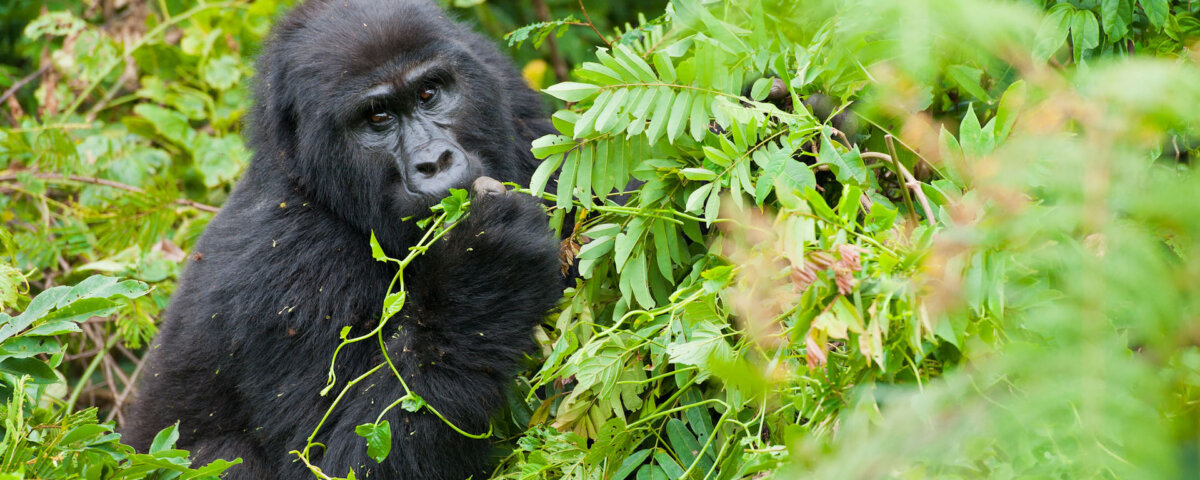
Uganda Gorilla Trekking Family Groups
Uganda gorilla trekking family groups offer one of the most powerful wildlife experiences on Earth. Travelers from all over the world come to Uganda to meet these rare mountain gorillas in their natural forest homes. These gorillas live in structured family groups that follow strong social bonds, led by a dominant silverback. Each family group behaves differently, which makes every trekking experience unique and unforgettable.
Uganda protects most of the world’s remaining mountain gorillas, especially in the lush forests of Bwindi Impenetrable National Park and Mgahinga Gorilla National Park. These protected areas give visitors a rare chance to walk through dense jungle and observe gorilla families as they feed, play, groom, and care for their young.
Understanding Uganda Gorilla Family Groups
Uganda gorilla trekking family groups consist of social units of mountain gorillas that live together under the leadership of a silverback male. Each group usually includes females, infants, juveniles, and sometimes young adult males called blackbacks. The silverback protects the group, makes decisions, and ensures safety during movement and feeding.
These family groups form strong emotional bonds. Gorillas groom each other, play together, and communicate through gestures, facial expressions, and vocal sounds. Unlike many wild animals, gorillas show calm behavior when they feel safe. This allows tourists to observe them at close range under the guidance of trained rangers.
In Uganda, gorilla families go through a process called habituation. This process helps them get used to human presence without changing their natural behavior. It usually takes several years before a gorilla group becomes ready for trekking visits. As a result, each habituated family group offers a safe yet wild experience.
Understanding these family dynamics helps travelers appreciate the intelligence, emotions, and social structure of mountain gorillas. It also builds respect for conservation rules that protect both visitors and gorillas during every trek.
Where to See Gorilla Family Groups in Uganda
Uganda offers two main destinations for seeing gorilla trekking family groups: Bwindi Impenetrable National Park and Mgahinga Gorilla National Park. These parks sit in the southwestern region of Uganda and form part of the larger Virunga Conservation Area.
Bwindi Impenetrable National Park hosts the largest number of habituated gorilla families in Uganda. The forest divides into four trekking sectors: Buhoma, Ruhija, Rushaga, and Nkuringo. Each sector hosts different gorilla families, giving visitors multiple trekking options depending on permit allocation and physical fitness levels.
Mgahinga Gorilla National Park offers a more intimate trekking experience with fewer but highly protected gorilla groups. The park sits on the slopes of the Virunga Volcanoes and provides scenic views of volcanic landscapes and bamboo forests.
Both destinations deliver world-class gorilla encounters. However, Bwindi offers more variety in family groups, while Mgahinga offers a quieter, less crowded experience. Travelers often choose based on travel style, accessibility, and safari itinerary. Together, these parks position Uganda as one of the most important gorilla trekking destinations in Africa.
Popular Habituated Gorilla Families in Uganda
Uganda hosts several well-known gorilla trekking family groups, each with unique behavior and history. In Bwindi’s Buhoma sector, the Mubare Gorilla Family stands as the first group ever opened for tourism in Uganda. Nearby, the Habinyanja family attracts visitors with its large size and dynamic social structure led by powerful silverbacks.
In Rushaga sector, the Nshongi Gorilla Family once held the record as the largest known group. Today, it remains active and offers exciting encounters for trekkers. The Bweza and Mishaya families also provide thrilling experiences with active juveniles and strong leadership.
In the Ruhija sector, the Bitukura and Oruzogo families stand out. Bitukura is known for its peaceful nature, while Oruzogo often entertains visitors with playful young gorillas.
In Nkuringo sector, the Nkuringo Gorilla Family offers one of the most challenging but rewarding treks due to its steep terrain. The group rewards trekkers with stunning encounters in a dramatic forest landscape.
In Mgahinga Gorilla National Park, the Nyakagezi Gorilla Family remains the main habituated group. This family often moves across borders but regularly returns to Uganda, giving visitors a rare chance to track them in a volcanic environment.
These Uganda gorilla trekking family groups create diverse experiences that make each safari unique and unforgettable.
Gorilla Trekking Permits and How Family Groups Are Assigned
Gorilla trekking in Uganda requires a valid permit issued by the Uganda Wildlife Authority. Each permit allows one visitor to track a specific gorilla family group on a chosen day. Authorities assign visitors to groups based on fitness level, location, and group availability.
Each morning, park rangers divide trekkers into small groups and assign them to different gorilla families. This system ensures minimal disturbance to the gorillas and creates a balanced visitor flow in the forest. Some families live deeper in the forest, while others stay closer to trailheads, which affects trekking difficulty.
Permit allocation plays a key role in conservation. By controlling the number of visitors per group, Uganda protects gorilla families from stress and maintains their natural behavior. This system also supports research, anti-poaching efforts, and community development around national parks.
Travelers should book permits early, especially during peak seasons. Working with experienced safari operators like Giant Holiday Safaris helps secure permits and plan smooth trekking experiences. Understanding how assignment works helps travelers prepare mentally and physically for their chosen gorilla family adventure.
Best Time to Visit Uganda for Gorilla Family Group Trekking
Uganda offers year-round gorilla trekking opportunities, but some seasons provide better conditions. The dry seasons from June to September and December to February offer easier hiking trails and clearer forest paths. During these months, travelers find less mud and improved visibility in the forest canopy.
The wet seasons from March to May and October to November bring heavier rainfall, which makes trekking more challenging. However, these months also offer fewer crowds and lush green landscapes that enhance photography and forest beauty.
Gorilla family groups remain active throughout the year, so sightings remain consistent regardless of season. The key difference lies in trekking comfort and trail conditions rather than animal behavior.
Travelers should choose timing based on preference. Those who enjoy easier hiking conditions often prefer dry months, while adventurous travelers may enjoy the quiet and greenery of the wet season. Proper preparation, including waterproof gear and sturdy boots, ensures a successful trek in any season.
What to Expect During a Family Gorilla Trekking Experience
A Uganda gorilla trekking family groups experience starts early in the morning with a briefing from park rangers. Trekkers receive safety guidelines and learn about gorilla behavior before entering the forest. The trek can last from one to several hours depending on the location of the assigned family group.
Once trackers locate the gorillas, visitors spend one unforgettable hour observing them. During this time, travelers see gorillas feeding, grooming, resting, and interacting with each other. The silverback often stays alert, watching over the group with calm authority.
The forest environment feels dense and alive, filled with birds, insects, and unique plant life. Trekkers often move through thick vegetation, uneven terrain, and misty trails. However, the moment of first contact with a gorilla family makes every step worth the effort.
Guides maintain strict safety rules, ensuring a respectful distance between humans and gorillas. This creates a safe and meaningful experience that connects visitors deeply with nature.
Tips for Families and First-Time Trekkers
First-time trekkers and family travelers should prepare well for Uganda gorilla trekking family groups experiences. Physical fitness plays an important role because forest terrain can be steep and challenging. Regular walking or light hiking before the trip helps improve endurance.
Travelers should wear comfortable hiking boots, long-sleeved clothing, and waterproof gear. A light backpack with water, snacks, and a camera ensures comfort during the trek. Hiring a porter also helps support local communities while reducing physical strain.
Families traveling with older children should confirm age requirements before booking permits. Uganda usually requires trekkers to be at least 15 years old. Guides also adjust trekking pace based on group ability, making the experience accessible for most visitors.
Respect for gorillas remains essential. Visitors should avoid loud noise, sudden movements, and direct eye contact with gorillas. Following ranger instructions ensures safety and enhances the overall experience.
Conservation and Why Gorilla Family Groups Matter
Uganda gorilla trekking family groups play a vital role in global conservation efforts. Mountain gorillas remain endangered, and their survival depends on protected habitats and responsible tourism. Revenue from trekking permits directly supports conservation programs, anti-poaching patrols, and community development.
Local communities near Bwindi and Mgahinga benefit from tourism through jobs, education, and infrastructure development. This creates a strong link between conservation and human well-being. As a result, communities actively participate in protecting gorilla habitats.
Each gorilla family group also provides valuable scientific data. Researchers study their behavior, health, and reproduction patterns to improve conservation strategies. This continuous monitoring helps Uganda maintain a stable gorilla population.
Responsible tourism ensures that future generations will also experience these incredible animals. Every visit contributes to protection efforts, making travelers part of the conservation journey.
Why Choose Uganda for Gorilla Family Group Safaris
Uganda stands out as a top destination for gorilla trekking because it offers diversity, accessibility, and strong conservation success. Uganda gorilla trekking family groups provide more viewing options compared to many other destinations. Bwindi alone hosts multiple habituated families spread across different trekking sectors.
Uganda also combines gorilla trekking with other safari experiences such as wildlife viewing in Queen Elizabeth National Park, chimpanzee tracking in Kibale Forest, and scenic adventures around Lake Bunyonyi.
Tour operators like Giant Holiday Safaris design personalized itineraries that match different travel styles, from luxury safaris to budget adventures. This flexibility makes Uganda suitable for solo travelers, families, and international explorers.
Most importantly, Uganda offers authentic wildlife experiences rooted in conservation and community engagement. Every gorilla family encounter reflects a success story of protection, research, and responsible tourism.
For travelers seeking a meaningful African adventure, Uganda delivers one of the most powerful wildlife encounters in the world through its remarkable gorilla family groups.
18 Days Best Uganda Adventure Safaris
14-Days Uganda Gorillas & Wildlife Tour
12 Days Gorillas, Chimps & Wildlife Safari
10 days Uganda primates & wildlife safari
10 Days Uganda Gorillas and Game Safari
7 Days Gorillas & Wildlife Safari
6 Days Gorillas and Chimps Trek Safari
3 Day Bwindi Gorilla Trekking Safari