Uganda gorilla trekking family groups
April 28, 2026
Kenya Safari Animal Checklist
April 28, 2026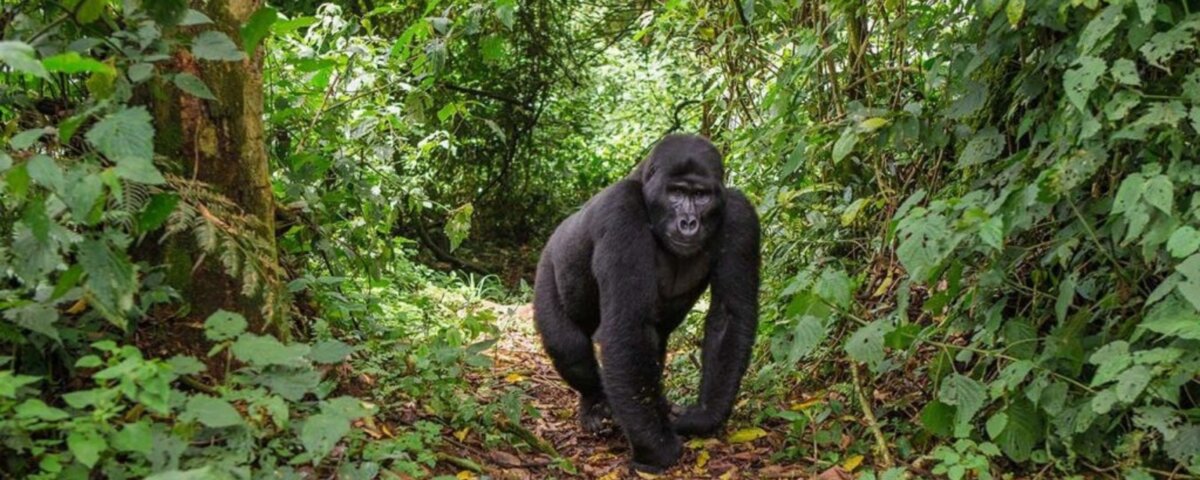
Uganda Gorilla Trekking Solo Travel
Uganda gorilla trekking solo travel offers one of the most powerful wildlife experiences in the world. Travelers who choose this journey step into the heart of East Africa and explore the untouched rainforests where mountain gorillas live freely. Uganda delivers a rare mix of adventure, safety, and authentic nature encounters that attract solo travelers from every continent. In particular, the experience connects visitors with nature in a deep and unforgettable way.
Moreover, solo travel in Uganda creates freedom and flexibility. You choose your pace, your route, and your moments of discovery without compromise. As a result, many travelers feel more connected to the environment and wildlife. Uganda stands out because it protects most of the world’s remaining mountain gorillas, especially in places like Uganda and its famous forests.
18 Days Best Uganda Adventure Safaris
14-Days Uganda Gorillas & Wildlife Tour
12 Days Gorillas, Chimps & Wildlife Safari
10 days Uganda primates & wildlife safari
10 Days Uganda Gorillas and Game Safari
7 Days Gorillas & Wildlife Safari
6 Days Gorillas and Chimps Trek Safari
3 Day Bwindi Gorilla Trekking Safari
4 Days Gorilla Trekking & Boat Cruise
9 Days Uganda Luxury Safari Tour
Why Solo Gorilla Trekking in Uganda
Solo gorilla trekking in Uganda gives travelers full control over their adventure. First, it allows personal reflection in a quiet natural environment. Unlike group tours, solo trekking gives you space to connect deeply with nature without distractions. This creates a powerful sense of independence and achievement.
Furthermore, Uganda provides a well-organized trekking system that supports solo visitors. Professional guides lead every trek, ensuring safety and smooth navigation through the dense forests. This structure gives solo travelers confidence even in remote areas. At the same time, you still enjoy flexibility in planning your journey.
In addition, solo travel encourages cultural interaction. Travelers often engage more with local communities, guides, and porters. These interactions enrich the experience and create lasting memories. Uganda’s hospitality also makes solo visitors feel welcomed and secure throughout their stay.
Finally, solo trekking allows personal pacing. You decide how long to stay, when to rest, and how to explore surrounding attractions. This freedom enhances the overall experience, especially for travelers seeking meaningful wildlife encounters in Africa.
Best National Parks for Gorilla Trekking in Uganda
Uganda hosts two main gorilla trekking destinations that attract global travelers. The most famous is Bwindi Impenetrable National Park, a UNESCO World Heritage Site with dense forests and the largest population of mountain gorillas. This park offers multiple trekking sectors, each with unique gorilla families and landscapes. Solo travelers find Bwindi especially rewarding due to its variety of trails and lodge options.
Another important destination is Mgahinga Gorilla National Park, located in the southwestern corner of Uganda. Although smaller than Bwindi, Mgahinga provides a more intimate trekking experience. The park sits within the Virunga Mountains and offers stunning volcanic scenery. Solo travelers often enjoy its peaceful environment and fewer crowds.
Both parks operate under strict conservation rules managed by the Uganda Wildlife Authority. This ensures safety for both visitors and gorillas. Additionally, trained guides accompany every trek, which supports solo travelers in navigating challenging forest terrain. As a result, Uganda maintains a strong reputation as a safe and reliable gorilla trekking destination.
Gorilla Trekking Permits and Booking Process
Gorilla trekking in Uganda requires a permit issued by the Uganda Wildlife Authority. This permit grants access to one gorilla family for a guided trekking experience. Solo travelers must secure this permit in advance due to high demand and limited availability.
The booking process starts by selecting your travel dates and preferred national park. After that, travelers purchase permits through a licensed tour operator or directly from the authority. Early booking improves chances of securing a spot, especially during peak travel seasons.
In addition, solo travelers benefit from organized safari companies that handle logistics such as transportation, accommodation, and trekking arrangements. This simplifies planning and reduces stress. Once confirmed, the permit becomes your official entry to the gorilla trekking experience.
Moreover, each permit includes one hour with a habituated gorilla family. This time offers a rare opportunity to observe gorilla behavior, social interaction, and natural movement. Therefore, securing a permit marks the most important step in planning a successful solo gorilla trekking adventure in Uganda.
Safety and Solo Travel Tips in Uganda
Uganda remains one of the safest safari destinations in Africa, especially for guided activities like gorilla trekking. However, solo travelers should still follow important safety practices. First, always rely on licensed guides during treks. These professionals understand forest conditions and gorilla behavior, ensuring a secure experience.
Second, maintain communication with your tour operator. Sharing your travel plans improves coordination and support. Additionally, choose trusted accommodations near national parks to reduce travel distance and improve convenience.
Furthermore, respect local customs and park rules. Uganda values conservation and community engagement, so responsible behavior enhances your experience. Solo travelers also benefit from staying alert while traveling between destinations, especially in rural areas.
Finally, carry essential items like identification, permits, and emergency contacts. These small preparations increase confidence and security. With proper planning, solo travelers enjoy a smooth and rewarding gorilla trekking journey across Uganda’s natural landscapes.
Cost of Solo Gorilla Trekking in Uganda
The cost of solo gorilla trekking in Uganda depends mainly on the permit, accommodation, and transport. A gorilla trekking permit forms the largest expense. This fee supports conservation and park management efforts.
In addition, accommodation options range from budget lodges to luxury eco-resorts. Solo travelers can choose based on comfort level and budget. Many lodges near Bwindi offer packages that include meals and transport to trekking points.
Transport also affects overall cost. Most solo travelers use guided safari vehicles arranged by tour operators. These services ensure safe movement between parks and cities.
Moreover, Uganda offers better affordability compared to other gorilla trekking destinations in Africa. This makes it attractive for solo travelers seeking high-value wildlife experiences. Despite the costs, the experience delivers unmatched value due to its rarity and emotional impact.
Best Time for Gorilla Trekking
Uganda offers year-round gorilla trekking, but some seasons provide better conditions. The dry seasons, which run from June to September and December to February, offer easier hiking conditions. Trails stay less muddy, and visibility improves in the forest.
However, the wet seasons also provide unique advantages. Forests appear greener and more vibrant, and visitor numbers remain lower. Solo travelers who prefer quiet experiences often choose these months.
In addition, gorilla movements remain consistent throughout the year since they live in stable habitats. Therefore, travelers can plan based on personal preference rather than strict seasonal limitations.
Weather in Uganda remains generally warm, so trekkers should prepare for changing forest conditions. With proper timing and preparation, solo travelers enjoy a smooth and rewarding trekking experience in all seasons.
Accommodation Options for Solo Travelers
Uganda provides a wide range of accommodation options near gorilla trekking parks. Solo travelers can choose from budget guesthouses, mid-range lodges, and luxury eco-lodges. Many of these accommodations sit close to Bwindi Impenetrable National Park and offer direct access to trekking starting points.
Budget lodges provide simple but comfortable rooms ideal for solo adventurers. Mid-range options offer better amenities such as private bathrooms, guided services, and scenic views. Luxury lodges provide premium comfort, often with forest-facing balconies and personalized services.
In addition, most lodges include meal plans and transportation support. This simplifies travel logistics for solo visitors. Staff members also assist with organizing trekking schedules and local activities.
Solo travelers benefit from staying in lodges that encourage social interaction. These environments allow sharing experiences with other travelers while still enjoying personal space. As a result, accommodation becomes part of the overall adventure experience.
What to Pack for Gorilla Trekking
Packing correctly improves the success of Uganda gorilla trekking solo travel. First, travelers need strong hiking boots for muddy and uneven terrain. Comfortable clothing that covers arms and legs helps protect against insects and vegetation.
In addition, a waterproof jacket becomes essential due to changing weather conditions in rainforest environments. Lightweight backpacks help carry water, snacks, and personal items during the trek.
Moreover, gloves protect hands while moving through dense vegetation. A camera also captures unforgettable moments, but travelers should avoid flash photography near gorillas.
Solo travelers should also pack energy snacks and enough drinking water. These items maintain energy levels during long hikes. Finally, carrying a small first aid kit ensures preparedness for minor injuries.
Proper packing increases comfort and confidence, allowing travelers to focus fully on the gorilla trekking experience.
Responsible Tourism and Conservation
Uganda gorilla trekking depends heavily on responsible tourism practices. Every visitor plays a role in protecting mountain gorillas and their habitat. Respecting park rules ensures the long-term survival of these endangered animals.
In addition, maintaining a safe distance from gorillas prevents stress and disease transmission. Guides enforce these rules strictly to protect both animals and visitors. Solo travelers must follow instructions carefully during encounters.
Furthermore, tourism revenue supports local communities around parks such as Mgahinga Gorilla National Park and Bwindi. This funding improves education, healthcare, and infrastructure development.
Responsible behavior also includes reducing waste and respecting nature. Travelers should avoid littering and use eco-friendly practices throughout their journey. By doing so, solo travelers contribute to sustainable tourism growth in Uganda.
Ultimately, conservation remains at the heart of gorilla trekking. Every responsible traveler helps protect one of the world’s most important wildlife treasures.