Uganda gorilla trekking health requirements
April 24, 2026
Leopard Sightings in Kenya: Best Locations
April 24, 2026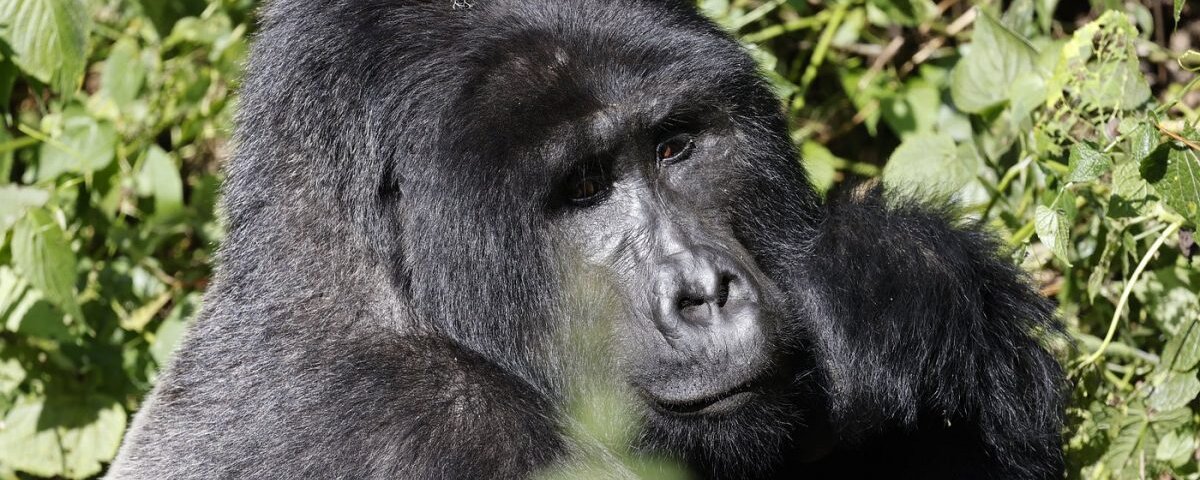
Uganda Gorilla Trekking Fitness Level Needed
Uganda gorilla trekking fitness level needed: Uganda gorilla trekking offers one of the most powerful wildlife experiences in the world. Travelers step into the lush rainforests of Bwindi Impenetrable Forest and Mgahinga Gorilla National Park to meet endangered mountain gorillas in their natural habitat. However, this adventure requires more than excitement and curiosity. It demands a clear understanding of the fitness level needed to complete the trek safely and comfortably.
Many travelers assume gorilla trekking requires extreme athletic ability. In reality, most healthy individuals can complete the experience with basic to moderate fitness. Still, the trek involves walking through dense forest, climbing uneven terrain, and sometimes hiking for several hours. Because of this, preparation becomes a key part of the journey.
Understanding Gorilla Trekking in Uganda
Gorilla trekking in Uganda involves hiking through tropical rainforest in search of a habituated gorilla family. Rangers guide small groups of travelers through dense vegetation while tracking gorilla movements based on daily sightings. This process makes every trek unique, as no two journeys follow the same route or duration.
The experience begins early in the morning with a briefing at the park headquarters. After group allocation, trekkers enter the forest and begin the search. The hike may take anywhere from one hour to several hours depending on where the gorillas moved during the night. Once visitors find the gorilla family, they spend a magical hour observing their behavior.
Unlike typical hiking trails, gorilla trekking paths do not have clear markings. Rangers often create paths through thick vegetation, steep slopes, and muddy sections. As a result, trekkers must stay flexible and ready for changing conditions. Even though the trek feels challenging at times, it remains achievable for most travelers with moderate fitness and determination.
Understanding this process helps travelers prepare mentally and physically. It also sets realistic expectations, which improves the overall experience and reduces stress during the hike.
Physical Fitness Level Required for Gorilla Trekking
Uganda gorilla trekking requires a moderate level of physical fitness. Travelers do not need professional hiking experience, but they must handle continuous walking on uneven ground. The ability to walk for 2 to 6 hours becomes essential, depending on the gorilla family’s location.
Good cardiovascular endurance helps a lot. Trekking involves climbing hills, descending slopes, and moving through thick forest. Legs and core strength play a major role in maintaining balance and stability. Travelers who regularly walk, jog, or engage in light exercise often find the trek manageable.
However, fitness does not mean perfection. Many visitors with average fitness levels successfully complete gorilla trekking each year. The key lies in pacing, hydration, and mental readiness. Rangers also adjust the speed based on the group’s ability, which ensures safety and comfort.
Altitude also influences physical effort. Uganda’s forested regions sit at moderate elevations, which can slightly increase fatigue. Travelers should prepare for slower movement and frequent rest stops.
Ultimately, gorilla trekking rewards effort rather than speed. A steady, consistent pace allows travelers to enjoy the forest and conserve energy for the return journey.
Hiking Terrain in Bwindi and Mgahinga: Uganda gorilla trekking fitness level needed
The terrain in Bwindi Impenetrable Forest and Mgahinga Gorilla National Park directly affects the fitness level needed for trekking. These parks feature dense vegetation, steep hills, and slippery trails, especially after rainfall.
Bwindi, in particular, presents a rugged landscape. The forest includes thick vines, tangled roots, and narrow pathways. Trekking often involves climbing uphill for long stretches, followed by steep descents. This terrain challenges balance and leg strength, making proper footwear very important.
Mgahinga offers slightly more open terrain, but it still includes volcanic slopes and rocky paths. Hikers must maintain stability while navigating uneven surfaces. Weather conditions also impact difficulty. Rain can turn trails into muddy paths, increasing the physical demand of the trek.
Despite these challenges, trained park rangers lead the way and assist travelers throughout the journey. They cut through vegetation when needed and provide support during difficult sections. This guidance significantly improves safety and reduces strain.
Understanding the terrain helps travelers prepare mentally and physically. It also encourages proper planning, including wearing suitable hiking boots and carrying light but essential gear.
How Long Gorilla Trekking Takes
The duration of Uganda gorilla trekking varies widely. On average, treks last between 2 and 6 hours, but some journeys extend longer depending on gorilla movement. This unpredictability makes endurance an important part of fitness preparation.
The trek begins with a hike into the forest, followed by a search phase where rangers track signs such as nests, droppings, and feeding areas. Once the gorillas get located, travelers spend one hour observing them before returning.
The return journey may feel shorter or longer depending on terrain and fatigue levels. Uphill sections often feel more demanding, especially after the gorilla encounter when energy levels decrease.
Because of this time variation, travelers must prepare for sustained physical effort. Even if the gorillas appear close, dense vegetation can still make the hike challenging. Patience and stamina play a major role in completing the experience successfully.
Understanding trek duration helps visitors plan better, including choosing appropriate footwear, carrying water, and pacing themselves effectively throughout the journey.
Preparing Your Body Before the Trek
Physical preparation significantly improves the gorilla trekking experience. Travelers benefit from starting light training several weeks before arrival in Uganda. Simple activities such as walking, jogging, cycling, or stair climbing help build endurance.
Leg strength remains especially important. Exercises like squats and lunges improve stability for uphill climbs and uneven ground. Core strength also supports balance while moving through slippery sections of the forest.
Cardiovascular fitness helps maintain energy during long hikes. Regular walking or light jogging improves breathing efficiency, which becomes useful in high-effort sections of the trek.
Travelers should also practice walking with a small backpack. This helps simulate real trekking conditions and prepares the body for carrying essentials like water, snacks, and cameras.
Stretching before and after exercise reduces muscle stiffness and improves flexibility. This preparation helps reduce fatigue during the actual trek.
While training improves comfort, overtraining is not necessary. Consistency matters more than intensity. With moderate preparation, most travelers adapt easily to Uganda’s trekking conditions.
Age and Health Considerations for Gorilla Trekking
Uganda gorilla trekking remains open to a wide age range, typically from 15 years and above. However, physical health matters more than age alone. Travelers with good general health and mobility usually complete the trek without major challenges.
Individuals with heart conditions, knee problems, or respiratory issues should assess their fitness carefully before booking. Consulting a medical professional helps ensure safety and readiness for the hike.
Older travelers often complete gorilla trekking successfully by requesting porter assistance or using hiking support services. Rangers also adjust pacing to match group ability, which improves accessibility.
Younger travelers usually adapt quickly but still need proper preparation. Energy alone does not guarantee success; endurance and pacing remain essential.
Health conditions like fatigue sensitivity or joint pain require additional planning. Wearing supportive footwear, using trekking poles, and taking regular breaks can make a significant difference.
Uganda’s gorilla trekking experience welcomes diverse travelers, but responsible preparation ensures safety and enjoyment for everyone involved.
What to Pack to Support Fitness and Comfort
Proper packing improves comfort and reduces physical strain during Uganda gorilla trekking. Lightweight hiking boots with strong grip help navigate muddy and uneven terrain. These boots provide ankle support, which prevents injuries on steep slopes.
Long-sleeved shirts and trousers protect the skin from scratches caused by vegetation. Breathable materials also help regulate body temperature during long hikes.
A small backpack carries essential items such as water, snacks, insect repellent, and a rain jacket. Staying hydrated plays a key role in maintaining energy levels throughout the trek.
Gloves improve grip when holding vegetation during climbs. A walking stick, often provided at the park, helps maintain balance on slippery paths.
Travelers should also pack sunscreen and a hat for open forest sections. Even in rainforest environments, sunlight exposure can still occur during clearings.
Smart packing reduces unnecessary weight, which directly improves trekking comfort. Light and functional gear allows travelers to conserve energy and focus on the experience.
Tips to Make Gorilla Trekking Easier
Several practical strategies help travelers manage the physical demands of Uganda gorilla trekking. First, maintaining a steady pace conserves energy and prevents early fatigue. Rushing increases exhaustion and reduces enjoyment.
Second, taking short breaks during climbs allows the body to recover. Rangers often encourage rest stops, especially on steep sections.
Third, staying hydrated keeps energy levels stable. Drinking small amounts of water throughout the hike works better than consuming large quantities at once.
Fourth, using trekking poles improves balance and reduces pressure on knees during descents. This simple tool greatly improves comfort on uneven ground.
Fifth, listening carefully to ranger instructions enhances safety and efficiency. Rangers understand the terrain and guide travelers through the safest routes.
These small adjustments significantly improve the trekking experience. They allow travelers to manage physical effort while still enjoying the beauty of Uganda’s rainforest environment.
Hiring Porters and Why It Helps
Hiring a porter during gorilla trekking provides major physical relief. Porters carry backpacks, assist on steep sections, and offer stability support when needed. This service benefits all fitness levels, especially travelers who want to conserve energy for the main experience.
Porters understand the terrain deeply because they work in the forest regularly. They guide travelers through difficult sections and help maintain balance on slippery paths. Their support reduces physical strain and improves safety.
Using a porter also allows travelers to focus more on photography and wildlife observation rather than carrying weight. This makes the overall experience more enjoyable and less tiring.
In addition, hiring a porter supports local communities. Many porters come from nearby villages and depend on tourism for income. This creates a positive impact beyond the trekking experience itself.
For travelers who feel unsure about fitness levels, porter assistance provides an excellent solution. It ensures that physical challenges do not prevent anyone from enjoying Uganda gorilla trekking.
Common Mistakes Travelers Make
Many travelers underestimate the physical demands of Uganda gorilla trekking. One common mistake involves poor footwear selection. Wearing light sneakers instead of hiking boots increases discomfort and reduces stability on muddy trails.
Another mistake involves insufficient hydration. Some travelers fail to drink enough water before and during the trek, which leads to fatigue.
Overpacking also creates unnecessary strain. Heavy backpacks reduce energy levels and make uphill sections more difficult.
Some travelers ignore basic fitness preparation. Even light exercise before the trip significantly improves endurance, yet many skip this step.
Rushing through the trek also reduces enjoyment. Gorilla trekking requires patience and steady movement rather than speed.
Avoiding these mistakes improves the overall experience and ensures a smoother journey through Uganda’s forests. Preparation and awareness remain key to success.
Why Uganda Gorilla Trekking Is Worth the Effort
Uganda gorilla trekking fitness level needed: The physical effort required transforms the experience into something deeply rewarding. Standing a few meters away from mountain gorillas in their natural habitat creates a lasting emotional impact.
The journey through Bwindi Impenetrable Forest or Mgahinga Gorilla National Park reveals stunning biodiversity, rich landscapes, and rare wildlife encounters. Every step through the forest builds anticipation for the final moment with the gorillas.
Although the trek demands energy, it remains accessible to most travelers with moderate fitness. Proper preparation, pacing, and support make the experience achievable and enjoyable.
Giant Holiday Safaris continues to guide travelers through this journey with expertise, ensuring safety, comfort, and unforgettable memories. Uganda gorilla trekking stands not just as a physical adventure but as a life-changing wildlife experience that rewards every step taken in the forest.