Uganda gorilla trekking visa requirements
April 24, 2026
Uganda gorilla trekking fitness level needed
April 24, 2026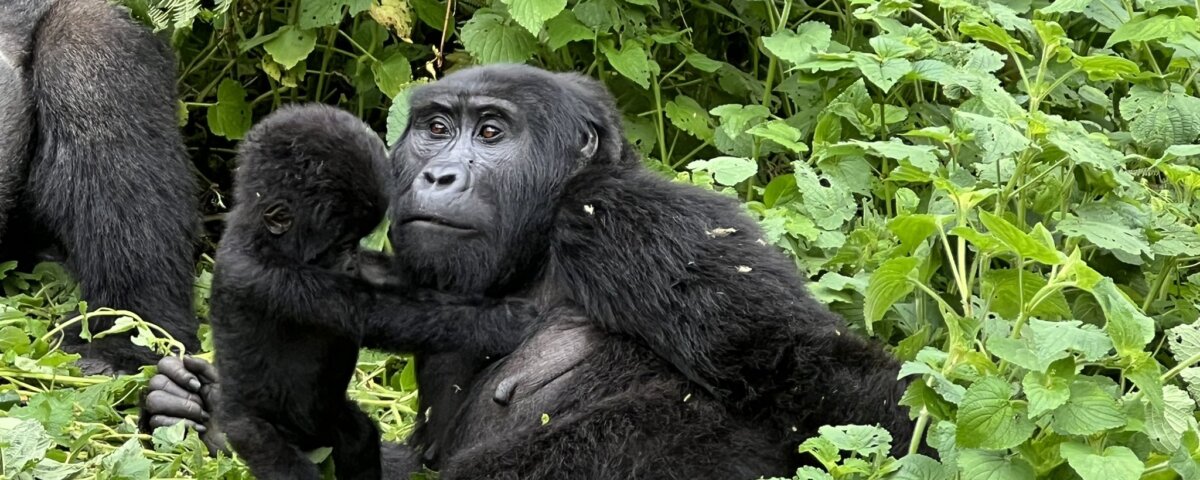
Uganda Gorilla Trekking Health Requirements
Uganda gorilla trekking health requirements: Uganda gorilla trekking offers one of the most powerful wildlife encounters in the world. Travelers step into the dense forests of Bwindi Impenetrable National Park and Mgahinga Gorilla National Park to observe mountain gorillas in their natural habitat. However, this rare experience requires strong health preparation because gorillas share close genetic links with humans. As a result, Uganda Wildlife Authority sets strict health requirements to protect both visitors and gorilla families.
These health rules do more than protect wildlife. They also safeguard trekkers from avoidable risks in remote forest environments. Therefore, every traveler must understand and respect these requirements before setting foot on the trail. Health readiness influences not only your safety but also the success of your trekking experience. When travelers follow the right guidelines, they improve their chances of a smooth, safe, and meaningful encounter with gorillas.
Why Health Requirements Matter for Gorilla Trekking
Health requirements exist for a serious reason: mountain gorillas are highly vulnerable to human diseases. Even a simple cold or flu can pose a threat to their survival. Because gorillas share more than 98% of human DNA, they can easily catch infections from visitors. Therefore, Uganda enforces strict health protocols to reduce any risk of disease transmission.
In addition, gorilla trekking takes place in remote rainforest environments. Medical facilities remain far from trekking areas, which makes prevention more important than treatment. Travelers must arrive in good health to reduce the risk of emergencies during the hike. Rangers also monitor trekkers closely to ensure compliance with safety rules.
Furthermore, health requirements help maintain the sustainability of gorilla tourism. This activity supports conservation efforts, local communities, and national revenue. When visitors respect health guidelines, they contribute directly to protecting gorillas for future generations. As a result, every rule plays a role in balancing tourism, conservation, and safety.
Required Vaccinations for Uganda Gorilla Trekking
Vaccinations form a key part of Uganda gorilla trekking health requirements. Travelers must prioritize protection against diseases that exist in tropical environments. The most important vaccination is the Yellow Fever vaccine. Uganda requires proof of Yellow Fever vaccination for all international visitors entering the country. Travelers must carry an official Yellow Fever certificate to present at immigration.
In addition, health experts strongly recommend vaccines for Hepatitis A, Typhoid, and Tetanus. These diseases can spread through contaminated food, water, or injuries during trekking. Since gorilla trekking involves hiking through dense vegetation and uneven terrain, small cuts or scratches can occur, making Tetanus protection especially important.
Malaria prevention also plays a major role in Uganda travel health preparation. Although no vaccine exists for malaria, travelers should use antimalarial medication and mosquito protection methods. Wearing long sleeves, using insect repellent, and sleeping under treated nets reduces infection risk.
When travelers complete these vaccinations, they build a strong health foundation for a safe gorilla trekking experience. Proper immunization not only protects the individual but also supports responsible wildlife tourism.
Physical Fitness and Altitude Readiness
Gorilla trekking demands a reasonable level of physical fitness. The activity involves hiking through steep slopes, thick forests, and sometimes muddy terrain. Treks can last between one and eight hours depending on gorilla movement. Therefore, travelers must prepare their bodies before the journey.
Cardio exercises such as walking, jogging, and stair climbing help improve stamina. Strength training also supports leg muscles needed for uphill climbs. Even moderate fitness levels allow most travelers to complete the trek successfully when they prepare in advance.
Altitude also affects trekking conditions. Bwindi and Mgahinga sit at high elevations, which can cause mild altitude discomfort for some visitors. Symptoms may include shortness of breath or fatigue. Gradual movement, hydration, and steady pacing help the body adjust more easily.
Porter assistance also improves comfort during the trek. Local porters carry bags and provide support on challenging sections of the trail. This service allows travelers to focus on the experience while reducing physical strain. Overall, preparation ensures a safer and more enjoyable gorilla trekking adventure.
Illness Restrictions and Park Entry Rules
Uganda enforces strict illness-related rules during gorilla trekking to protect both wildlife and visitors. Anyone showing signs of contagious illness such as flu, cough, or diarrhea may not join the trek. Rangers monitor health conditions before group assignments begin. This rule protects gorilla families from exposure to human diseases.
Visitors must also maintain a safe distance from gorillas during the encounter. The minimum distance remains seven meters, although gorillas sometimes move closer. In such cases, trekkers must avoid direct contact and follow ranger instructions at all times.
Additionally, trekkers must avoid sneezing or coughing directly toward gorillas. Wearing a face mask becomes necessary when visitors feel unwell or during close encounters. This simple action significantly reduces disease transmission risk.
Hand hygiene also plays an important role. Travelers must sanitize hands before and after the trek, especially when touching shared surfaces or equipment. These rules create a controlled environment where both humans and gorillas remain safe throughout the experience.
Hygiene and Safety Protocols During Trekking
Hygiene plays a central role in Uganda gorilla trekking health requirements. The forest environment exposes travelers to natural elements, so maintaining cleanliness helps reduce infection risks. Tour operators and rangers emphasize hygiene from the start of the trek until the end.
Travelers must avoid littering inside national parks. Even organic waste can disrupt the natural ecosystem. Rangers ensure that all visitors carry out what they bring in. This practice protects both wildlife and the forest environment.
Proper hand hygiene remains essential. Alcohol-based sanitizers help maintain cleanliness when water is not available. Clean hands reduce the risk of transferring bacteria or viruses during the trek.
In addition, trekkers should wear protective clothing such as long trousers, long-sleeved shirts, and waterproof boots. These items protect the body from insect bites, scratches, and plant irritation. Safety also includes listening carefully to ranger instructions, especially during close encounters with gorillas.
By following hygiene and safety protocols, travelers contribute to a responsible tourism system that prioritizes conservation and human well-being.
What to Pack for Health and Safety
Packing correctly supports a safe and healthy gorilla trekking experience. Travelers must prepare for changing weather conditions, physical exertion, and remote environments. A well-prepared kit improves comfort and reduces health risks.
Essential items include a small first aid kit with bandages, pain relievers, and antiseptic cream. These items help manage minor injuries that may occur during trekking. Insect repellent also plays a vital role in preventing mosquito bites and other insect-related discomfort.
Protective clothing remains important. Waterproof hiking boots, long socks, and quick-dry clothing protect against wet forest conditions. A lightweight rain jacket also helps during sudden rainfall, which is common in Uganda’s rainforest regions.
Travelers should also carry sufficient drinking water to stay hydrated. Dehydration can affect energy levels during long hikes. Energy snacks such as nuts or bars also help maintain stamina.
Finally, face masks and hand sanitizers support hygiene when needed. These simple items contribute significantly to health safety throughout the trekking journey.
Travel Insurance and Medical Evacuation Importance
Travel insurance plays a critical role in Uganda gorilla trekking health requirements. The remote nature of national parks makes emergency response more complex compared to urban areas. Therefore, insurance coverage provides financial and medical protection during unexpected situations.
Comprehensive travel insurance should include medical treatment, emergency evacuation, and trip interruption coverage. In case of injury or sudden illness, evacuation services help transport travelers to appropriate medical facilities quickly. This level of preparedness ensures safety even in remote trekking locations.
In addition, insurance gives travelers peace of mind. It allows full focus on the trekking experience without worrying about unforeseen medical costs. Some insurance providers also cover trekking-related activities, which adds extra protection for adventure travelers.
Choosing a reliable insurance plan demonstrates responsible travel behavior. It shows commitment to personal safety and respect for the challenges of wildlife tourism in remote environments. As a result, insurance becomes a key part of any well-planned gorilla trekking safari.
Tips to Stay Healthy Before and During the Trek
Staying healthy before and during gorilla trekking requires simple but consistent habits. Travelers should begin preparation weeks before arrival in Uganda. Proper rest, hydration, and balanced nutrition strengthen the immune system and improve physical readiness.
Avoiding alcohol and unhealthy foods before trekking also helps the body perform better. A strong body handles long hikes and changing weather conditions more effectively. Regular light exercise builds stamina and reduces fatigue during the trek.
During the trek, pacing remains very important. Travelers should move steadily instead of rushing. Rangers guide the group based on terrain and gorilla location, so patience improves both safety and enjoyment.
Hydration also plays a major role. Drinking water at regular intervals helps maintain energy levels and prevents exhaustion. Listening to ranger instructions ensures safe movement through the forest.
Most importantly, travelers should respect all health rules without exception. These guidelines protect both humans and gorillas. When followed correctly, they create a safe and rewarding wildlife experience.
Conclusion
Uganda gorilla trekking health requirements form the foundation of a safe and responsible wildlife experience. These guidelines protect travelers, support conservation, and ensure the survival of mountain gorillas. From vaccinations and physical fitness to hygiene practices and insurance coverage, every requirement plays a meaningful role in the trekking journey.
When travelers prepare properly, they increase their chances of enjoying a smooth and unforgettable encounter with gorillas in their natural habitat. Health readiness builds confidence, improves safety, and enhances the overall safari experience.
Ultimately, responsible preparation transforms gorilla trekking into more than a tour. It becomes a powerful conservation experience that connects travelers to one of the world’s most extraordinary species while supporting the future of Uganda’s wildlife tourism industry.