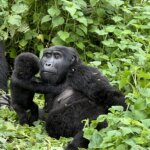
What to expect on Uganda gorilla safari
April 22, 2026
Kilimanjaro Climb Timing – How Timing Affects Cost, Crowds, and Success
April 22, 2026
Uganda Gorilla Trekking Packing List
Uganda gorilla trekking packing list: Planning a gorilla trekking safari in Uganda creates excitement and curiosity at the same time. You picture dense rainforests, misty hills, and the unforgettable moment of standing face-to-face with mountain gorillas. However, your experience depends heavily on how well you prepare, and packing the right gear makes a huge difference.
Gorilla trekking takes place in remote forests like Bwindi Impenetrable National Park and Mgahinga Gorilla National Park. These areas feature thick vegetation, steep terrain, and unpredictable weather. Therefore, smart packing ensures comfort, safety, and a smoother adventure.
This Uganda gorilla trekking packing list gives you a clear and practical guide. It focuses on essentials that improve your trekking experience while keeping your luggage manageable. Whether you travel for the first time or return for another safari, this guide helps you prepare with confidence.
As you read through, you will understand what to pack, why each item matters, and how it enhances your overall journey. With the right gear, you enjoy the trek fully and focus on the magical encounter with gorillas.
Uganda gorilla trekking packing list – Essential Clothing for Gorilla Trekking
Clothing plays a key role in your gorilla trekking experience. The forests of Uganda stay humid, muddy, and sometimes cold, especially in the morning. Therefore, you need clothing that protects your body while keeping you comfortable throughout the trek.
Start with long-sleeved shirts and long trousers. These protect your skin from scratches, insects, and stinging plants. Choose lightweight and breathable fabrics so you stay cool even during long hikes. Neutral colors such as green, brown, and khaki work best because they blend with the environment and avoid attracting insects.
Next, pack a waterproof jacket. Rain can start suddenly in the forest, and you need to stay dry to remain comfortable. A light rain jacket works well because it does not add too much weight.
In addition, bring warm layers like a fleece or sweater. Early mornings in areas like Bwindi Impenetrable National Park can feel chilly. Layering allows you to adjust easily as temperatures change during the day.
Finally, pack a hat and a pair of gloves. A wide-brim hat protects you from both sun and rain, while gloves shield your hands when you grab branches or climb steep paths. With the right clothing, you move freely and stay protected in every condition.
Uganda gorilla trekking packing list – Footwear and Trekking Gear
Footwear can make or break your gorilla trekking experience. The terrain in Uganda’s gorilla parks often includes steep slopes, muddy trails, and slippery paths. Therefore, you need strong and reliable hiking boots.
Choose waterproof hiking boots with good ankle support. These boots help you maintain balance on uneven ground and protect your feet from mud and water. Break them in before your trip to avoid blisters during the trek.
In addition to boots, pack a pair of thick hiking socks. These provide extra comfort and reduce friction while walking long distances. You may also carry extra socks in case your feet get wet.
Gaiters also add great value. They prevent mud, water, and insects from entering your boots. This simple item keeps your legs clean and comfortable throughout the trek.
Moreover, a walking stick improves stability. You can either carry a collapsible trekking pole or use one provided at the park headquarters. It helps you climb steep hills and descend safely, especially in dense forests like Mgahinga Gorilla National Park.
When you combine proper footwear with supportive gear, you reduce fatigue and increase confidence on the trail. As a result, you focus more on the experience rather than discomfort.
Uganda gorilla trekking packing list – Health and Safety Essentials
Health and safety should always come first during your gorilla trekking safari. The remote forest environment requires preparation to handle minor issues quickly and effectively.
Start with a basic first aid kit. Include items like pain relievers, bandages, antiseptic wipes, and any personal medication. This allows you to manage small injuries or discomfort during the trek.
Next, pack insect repellent. Forest areas host mosquitoes and other insects, so protecting yourself reduces the risk of bites. Choose a strong, travel-friendly repellent for best results.
You should also carry sunscreen. Even though the forest canopy provides shade, exposure still occurs, especially in open areas. Apply sunscreen before the trek and reapply when necessary.
Hand sanitizer and wet wipes also play an important role. They help maintain hygiene when clean water is not readily available. This keeps you fresh and reduces the risk of infections.
In addition, consider carrying a reusable water bottle. Staying hydrated supports your energy levels and helps you complete the trek comfortably.
By preparing these essentials, you protect your health and ensure a smooth, worry-free gorilla trekking experience in Uganda.
Important Documents and Permits
Proper documentation ensures a stress-free gorilla trekking experience. Without the right papers, you cannot access the trekking sites or participate in the activity.
The most important document is your gorilla trekking permit. This permit grants you access to track a specific gorilla family in parks like Bwindi Impenetrable National Park. Always keep a printed copy along with a digital backup.
You also need a valid passport. Ensure it remains valid for at least six months beyond your travel date. Immigration officers will check this upon arrival in Uganda.
In addition, carry travel insurance documents. Good insurance covers medical emergencies, evacuation, and unexpected cancellations. This gives you peace of mind throughout your trip.
Vaccination certificates also matter, especially for diseases like yellow fever. Uganda requires proof of vaccination, so keep your certificate easily accessible.
Furthermore, include copies of hotel bookings, safari itineraries, and emergency contacts. These help you stay organized and prepared at all times.
By organizing your documents carefully, you avoid delays and focus fully on your adventure.
Photography and Electronics
Capturing your gorilla trekking experience allows you to relive the moment long after your trip ends. Therefore, packing the right photography gear enhances your overall experience.
Start with a good camera. A DSLR or mirrorless camera offers high-quality images, but even a modern smartphone can deliver great results. Choose equipment that you feel comfortable using.
Carry extra batteries because cold weather and long trekking hours can drain power quickly. You do not want to miss the chance to photograph a gorilla due to a dead battery.
In addition, pack enough memory cards or storage space. Gorilla encounters provide many photo opportunities, so you need sufficient storage to capture them all.
A waterproof camera bag or dry bag protects your equipment from rain and moisture. Since the forest environment can change quickly, protection becomes essential.
Avoid using flash photography because it disturbs gorillas. Instead, rely on natural light and adjust your camera settings accordingly.
With proper planning, your photography gear allows you to document your journey while respecting wildlife guidelines in Mgahinga Gorilla National Park.
Uganda gorilla trekking packing list – Food, Snacks, and Hydration
Gorilla trekking can last several hours, depending on the location of the gorilla family. Therefore, carrying enough food and water keeps your energy levels high throughout the day.
Start with drinking water. Carry at least 2 liters per person. Hydration helps you maintain strength and prevents fatigue during long hikes.
Next, pack energy-rich snacks. Items like energy bars, nuts, dried fruits, and biscuits work well. These snacks provide quick energy and are easy to carry.
Some lodges provide packed lunches, especially for longer treks. However, bringing your own backup snacks ensures you remain prepared in every situation.
You should also consider lightweight and reusable containers. These reduce waste and support eco-friendly travel practices.
Avoid carrying heavy or perishable food items. Instead, focus on simple, nutritious options that sustain your energy without adding extra weight.
When you stay well-fed and hydrated, you enjoy the trek more and maintain a positive attitude even during challenging moments in the forests of Uganda.
Additional Useful Items
Beyond the basics, several extra items can greatly improve your comfort during gorilla trekking. These small additions often make a big difference.
A backpack is essential. Choose a lightweight and waterproof daypack to carry your items comfortably. Ensure it has enough space without becoming too bulky.
Binoculars also add value. While trekking, you may spot other wildlife and birds. Binoculars allow you to enjoy these moments even more.
A poncho or rain cover provides extra protection during heavy rain. It keeps both you and your backpack dry.
You should also carry a small towel. It helps you clean up after the trek and stay fresh.
Cash in small denominations comes in handy for tipping guides and porters. Supporting local staff enhances your experience and contributes to the community.
Finally, pack a positive attitude and a sense of adventure. Gorilla trekking involves effort, but the reward feels truly unmatched. When you prepare well, every step leads to an unforgettable encounter with one of the world’s most incredible animals.
Combined Uganda, Kenya, Rwanda and Tanzania Safaris
17 days Kenya Tanzania and Uganda safari
19 Days Uganda Kenya and Tanzania Safari
16 Days Kenya Tanzania and Uganda Safari
14 Days Kenya Uganda and Tanzania Safari
14 Days Kenya Uganda and Rwanda Safari