What is Crescent Island famous for?
August 27, 2026
Can you do boat safaris in Kenya?
August 27, 2026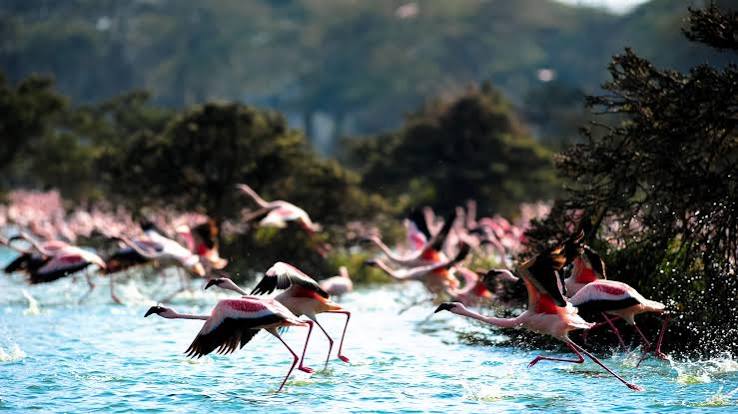
What Animals Can You See at Lake Naivasha?
Lake Naivasha offers one of the most rewarding wildlife experiences in Kenya’s Great Rift Valley. Although many travelers first associate Kenyan safaris with the Maasai Mara, Amboseli, or Tsavo, Lake Naivasha creates a different kind of safari experience. The freshwater lake, surrounding grasslands, acacia woodland, rocky areas, and nearby conservation spaces support a surprising range of wildlife. A visit here allows travelers to experience animals from a closer and often quieter perspective while enjoying the beauty of one of Kenya’s most scenic lakes.
The animals you can see at Lake Naivasha include hippopotamuses, giraffes, zebras, buffalos, waterbucks, impalas, elands, gazelles, warthogs, monkeys, and many smaller mammals. The lake also attracts an impressive variety of birds, making the destination especially valuable for birdwatchers. Furthermore, the wildlife experience changes depending on where you explore, the season, the time of day, and whether you take a boat ride, walk through a sanctuary, or visit the surrounding areas.
Lake Naivasha stands out because wildlife does not exist separately from the landscape. Instead, animals gather around water, move through the vegetation, rest beneath trees, and interact with the changing environment. This makes every safari activity feel different. Travelers can therefore combine scenic sightseeing, wildlife viewing, birdwatching, photography, and cultural experiences in one destination. Understanding the animals you may encounter also helps you plan a more rewarding Kenya safari.
Combined Uganda, Kenya, Rwanda and Tanzania Safaris
17 days Kenya Tanzania and Uganda safari
19 Days Uganda Kenya and Tanzania Safari
16 Days Kenya Tanzania and Uganda Safari
14 Days Kenya Uganda and Tanzania Safari
14 Days Kenya Uganda and Rwanda Safari
12 Day Gorilla Trekking and Tanzania Safari
Hippopotamuses at Lake Naivasha
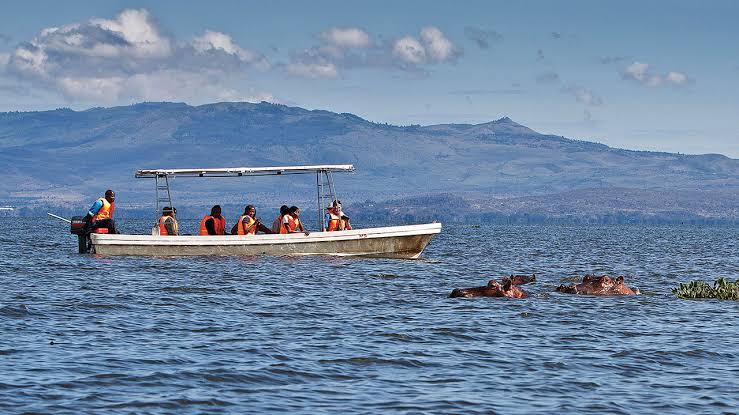
Hippopotamuses are among the most famous animals at Lake Naivasha, and they provide one of the destination’s most memorable wildlife encounters. These huge semi-aquatic mammals spend much of the day in the water, where they keep their bodies cool and protect themselves from the strong African sun. When conditions become cooler, especially around dawn and later in the afternoon, hippos may leave the water to graze on nearby grass.
Boat trips provide an excellent opportunity to observe hippos from a safe distance. You may see only their rounded backs, ears, eyes, and nostrils above the water at first. However, a closer look can reveal how much of their body remains submerged. Their quiet appearance can seem peaceful, but travelers should never forget that hippos remain powerful and potentially dangerous wild animals.
Lake Naivasha supports a strong hippo population because the surrounding environment provides both water and grazing areas. Their presence also adds character to boat excursions because you may encounter several hippos resting together in shallow areas. At times, you can see them opening their enormous mouths, moving through the water, or watching boats with alert eyes.
Responsible wildlife viewing remains essential. Boats should maintain a safe distance and avoid aggressive approaches. With a knowledgeable guide and careful navigation, watching hippos becomes a fascinating part of the Lake Naivasha experience.
Giraffes Around Lake Naivasha
Giraffes add an elegant presence to the Lake Naivasha landscape. Their long necks, distinctive patterned coats, and slow, graceful movements make them easy to recognize even from a distance. Travelers can encounter giraffes in areas surrounding the lake, particularly within wildlife-rich habitats such as Crescent Island and nearby conservancies.
Giraffes spend much of their day browsing on leaves from trees and shrubs. Their height gives them access to vegetation that many other herbivores cannot reach. Watching a giraffe stretch its neck toward a high branch provides a clear example of how wildlife adapts to its environment. Their long tongues also help them select leaves while avoiding many of the sharp thorns found on acacia trees.
Crescent Island offers a particularly special way to experience giraffes because some walking safaris allow visitors to explore the landscape on foot with trained guides. Walking near giraffes creates a more immersive experience than viewing them from a safari vehicle. However, travelers must always follow guide instructions and maintain an appropriate distance.
Photographers often appreciate giraffes because the open landscape around Lake Naivasha provides attractive backgrounds. A giraffe standing against the Rift Valley scenery can create an unforgettable safari image. Early morning and late afternoon often provide softer light and cooler conditions, which can make wildlife viewing more comfortable and visually appealing.
Zebras in the Lake Naivasha Area
Zebras are another common and highly recognizable animal around Lake Naivasha. Their black-and-white stripes create one of the most iconic sights in African wildlife, and seeing a group moving across open grassland provides an excellent safari experience. The surrounding habitats offer grazing opportunities for these adaptable herbivores, particularly in areas with suitable grass cover.
Zebras usually live in groups, and their social behavior makes them interesting to watch. A herd may graze quietly while individuals remain alert to potential danger. You may also see zebras walking between feeding areas, resting, or moving across the landscape in search of better grazing conditions.
One fascinating feature of zebras is that every individual has a unique stripe pattern. The stripes also create a striking visual effect when a herd moves together. From a distance, the group can appear almost like a moving pattern across the grassland. With a good guide, visitors can learn to observe differences in body size, behavior, and individual markings.
Lake Naivasha does not offer the same vast plains as the Maasai Mara, so zebra encounters here feel different. Instead of focusing only on large herds, travelers can appreciate the relationship between the animals and the lake’s surrounding ecosystem. A zebra sighting can become even more rewarding when combined with giraffes, antelopes, birds, and other wildlife within the same area.
Buffaloes and Other Large Herbivores
African buffaloes contribute to the diversity of large mammals around Lake Naivasha. These powerful herbivores often move in groups and spend considerable time grazing in grassland habitats. Their dark bodies and heavy horns make them easy to identify, although travelers should never approach them too closely.
Buffaloes play an important role in the ecosystem because their grazing influences vegetation and creates opportunities for other species. As they feed, they help shape the grassland environment. Their movements also contribute to the natural rhythm of the landscape, especially where herds travel between feeding and resting areas.
Besides buffaloes, travelers can encounter several other herbivores around the Lake Naivasha region. Waterbucks are particularly interesting because they prefer habitats close to water. Their sturdy bodies and characteristic markings make them easy to distinguish once you know what to look for. You may also encounter impalas, gazelles, elands, and other antelope species depending on the location and conditions.
Wildlife sightings remain unpredictable because these are free-ranging animals. A traveler may see several species within a short period on one day and encounter fewer animals on another. That unpredictability forms an important part of a genuine safari. Instead of treating wildlife as a guaranteed checklist, travelers should appreciate every encounter as part of a living ecosystem.
Warthogs and Smaller Mammals
Lake Naivasha also provides opportunities to see smaller and less celebrated mammals. Warthogs are among the most entertaining animals you may encounter. Their unusual faces, tusks, large heads, and habit of kneeling while feeding make them instantly recognizable. They often move through open areas while searching for grass, roots, and other food.
Warthogs can sometimes appear nervous when they sense danger. They may raise their tails as they run, creating a distinctive sight as they disappear through the grass. Despite their funny appearance, they remain wild animals and deserve the same respect as larger species.
Other small mammals may appear around the lake and its surrounding habitats. Depending on the area, visitors may encounter different monkey species, rodents, antelopes, and other smaller wildlife. These animals often require more careful observation because they can hide within vegetation or move quickly.
This smaller wildlife adds depth to a Lake Naivasha safari. A strong wildlife experience does not depend only on seeing the largest animals. Learning to identify smaller species can make the journey more educational and rewarding. Experienced guides can help travelers notice tracks, feeding signs, calls, movement, and other clues that reveal wildlife nearby.
Monkeys and Primates Around Lake Naivasha
Primates add another layer of excitement to wildlife viewing around Lake Naivasha. Depending on the location, visitors can encounter monkeys moving through trees, feeding near forested areas, or traveling across the ground. Their quick movements and social behavior often make them particularly enjoyable to watch.
Vervet monkeys are among the primates that travelers may encounter in suitable habitats around the region. They can move rapidly between trees and open spaces while searching for fruits, leaves, insects, and other food. Their social groups also create interesting opportunities for observation because individuals interact through movement, calls, grooming, and feeding.
Monkeys require careful viewing because their intelligence allows them to adapt quickly to human activity. Visitors should never feed them or leave food exposed. Feeding wildlife can change natural behavior, encourage animals to approach people, and create safety problems for both animals and visitors.
Instead, travelers should watch from a respectful distance and allow the animals to continue their normal activities. A monkey climbing through branches or grooming another member of its group can provide a memorable wildlife moment without any direct interaction.
For travelers interested in photography, primates can also offer challenging but rewarding subjects. Their fast movements require patience and good timing. Rather than expecting every photograph to be perfect, take time to observe their behavior first. Often, the best image comes after understanding where the animal is likely to move next.
Birds at Lake Naivasha
Birdlife is one of the greatest attractions at Lake Naivasha. The freshwater environment, shoreline vegetation, open grasslands, and surrounding trees create excellent habitats for many bird species. As a result, Lake Naivasha appeals not only to traditional safari travelers but also to serious birdwatchers and photographers.
You can encounter African fish eagles, pelicans, herons, egrets, cormorants, kingfishers, weavers, ibis, storks, and many other water associated and terrestrial birds. The African fish eagle is particularly impressive. Its strong call and striking appearance make it one of the most memorable birds to encounter around the lake.
Birdwatching works especially well from a boat because the water provides access to areas where many birds feed, rest, or gather. A skilled guide can help identify species and explain their behavior. You may see birds diving for fish, standing along the shoreline, flying above the water, or gathering in trees.
The bird population can also change with seasonal conditions and migration patterns. Therefore, travelers who return at different times of the year may experience different birding opportunities. Carrying binoculars makes a major difference because many birds remain some distance away.
For anyone interested in African wildlife beyond the Big Five, Lake Naivasha provides an excellent introduction to Kenya’s rich bird diversity. The destination proves that a safari can offer extraordinary wildlife experiences without focusing only on lions, elephants, leopards, rhinos, and buffaloes.
Waterbucks, Impalas, Gazelles, and Elands
Antelopes form an important part of the Lake Naivasha ecosystem, and several species can add variety to a wildlife excursion. Waterbucks, impalas, gazelles, and elands each have different body shapes, feeding habits, and preferred habitats. Learning to identify them makes wildlife viewing more interesting and helps travelers understand the complexity of the ecosystem.
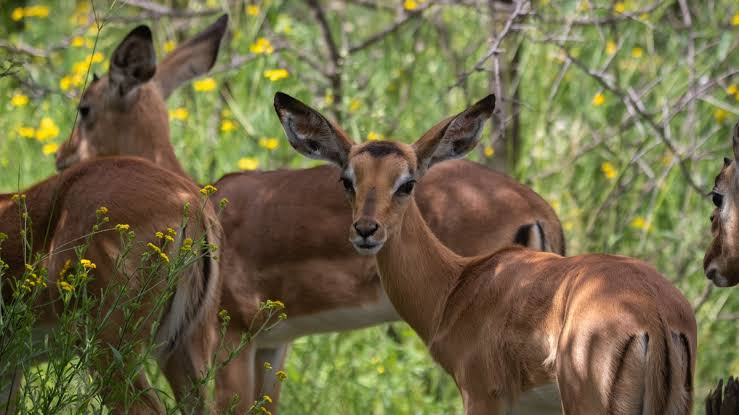
Waterbucks often remain close to water and can appear near rivers, lakeshores, and areas with dense vegetation. Their large bodies and distinctive markings make them easier to identify once you understand their features. Impalas, by contrast, are highly agile antelopes that can move quickly when threatened. Their ability to leap over obstacles makes them fascinating to watch.
Gazelles bring another type of beauty to the landscape. They are lighter and more delicate than larger antelopes and often spend time feeding in open areas. Elands are much larger and represent some of the biggest antelopes in Africa. Seeing one can therefore be an impressive wildlife moment.
These animals also form an important part of the food chain. Herbivores depend on vegetation, while predators depend on herbivores. Even when travelers do not encounter predators during a Lake Naivasha visit, the presence of antelopes demonstrates that the wider ecosystem supports a complex network of life.
Where to See Wildlife Near Lake Naivasha
Wildlife viewing around Lake Naivasha does not depend on one single location. Different areas provide different experiences, so travelers should choose activities according to their interests. The lake itself works particularly well for boat excursions and birdwatching, while nearby wildlife areas offer opportunities to see terrestrial animals.
Crescent Island is one of the most distinctive places for wildlife viewing near the lake. Walking among wildlife creates a strong connection with the landscape because there is no vehicle separating you from the surrounding environment. However, trained guides remain essential because even apparently calm herbivores can behave unpredictably.
Hell’s Gate National Park also lies within the wider Lake Naivasha region and offers a very different experience. The park features dramatic cliffs, gorges, grasslands, and wildlife habitats. Visitors can explore parts of the area through walking, cycling, or vehicle-based activities, depending on current park rules and conditions. Giraffes, zebras, buffaloes, baboons, and various antelopes can occur in the park.
The wider Naivasha area therefore works well for travelers who want more than a standard game drive. You can combine a boat ride with a wildlife walk, a visit to a conservation area, or exploration of the surrounding Rift Valley scenery. This variety makes Lake Naivasha particularly valuable for travelers with limited time in Kenya.
Best Time to See Animals at Lake Naivasha
Wildlife viewing at Lake Naivasha can work throughout the year, but conditions may influence what you see and how comfortable your experience feels. Early mornings and late afternoons generally provide excellent opportunities for wildlife observation because temperatures tend to be more comfortable and many animals become more active.
During cooler periods, animals may spend more time feeding or moving through open areas. As the day becomes hotter, some species seek shade or remain closer to water. Therefore, planning activities around cooler parts of the day can improve both comfort and wildlife viewing.
The rainy seasons can transform the landscape. Grass and vegetation become greener, water becomes more available, and many animals benefit from improved feeding conditions. The scenery can look especially beautiful during these periods. However, rainfall can also affect road conditions and outdoor activities.
Dry periods can make some wildlife easier to locate around reliable water sources. Since Lake Naivasha provides permanent water, the lake remains an important attraction even when surrounding areas become drier.
Travelers should also remember that wildlife never follows a fixed schedule. A good safari does not promise a specific animal at a specific time. Instead, experienced guides use knowledge of animal behavior, habitat, weather, recent sightings, and environmental conditions to improve the chances of rewarding encounters.
Why Lake Naivasha Deserves a Place on a Kenya Safari
Lake Naivasha deserves attention because it provides a different side of Kenya’s wildlife tourism. The destination combines freshwater scenery, wildlife, birdlife, walking experiences, boat trips, and the dramatic landscape of the Great Rift Valley. Instead of focusing only on the traditional Big Five safari, travelers can experience a broader view of African nature.
The variety of wildlife creates another major advantage. Hippos provide memorable water encounters, giraffes bring elegance to the grasslands, zebras create striking scenes, and antelopes demonstrate the diversity of herbivore life. Meanwhile, monkeys and smaller mammals encourage travelers to pay attention to details. Above the water, hundreds of bird species add another dimension to the experience.
Lake Naivasha also works well within a wider Kenya itinerary. Travelers can combine it with destinations such as the Maasai Mara, Lake Nakuru, Amboseli, or other attractions depending on their route and available time. Its location in the Rift Valley makes it a practical stop for many safari itineraries through southern Kenya.
Most importantly, Lake Naivasha teaches travelers to slow down and observe. Wildlife tourism becomes more meaningful when visitors understand animal behavior, respect natural habitats, and appreciate ecosystems rather than simply counting species. That approach creates a richer and more responsible African safari experience.
How to Enjoy a Responsible Wildlife Experience at Lake Naivasha
Responsible tourism should remain central to every wildlife experience at Lake Naivasha. Wild animals need space, and travelers have a duty to protect the environment they come to enjoy. Simple decisions can make a meaningful difference, from following guide instructions to avoiding litter and refusing to feed wildlife.
During boat excursions, maintain a safe distance from hippos and other animals. Never attempt to attract wildlife for photographs. Close encounters may look exciting, but they can create stress for animals and put people at unnecessary risk. Instead, use binoculars or a camera with a suitable zoom lens.
On walking experiences, stay with your trained guide and follow established routes. Never separate from the group to approach an animal. Even herbivores can become defensive when they feel threatened, particularly when protecting young ones.
Responsible travelers should also support conservation focused tourism businesses and local communities. Choosing professional guides, locally operated services, and reputable accommodation can help tourism create economic value beyond the immediate wildlife encounter.
Finally, remember that Lake Naivasha is more than a tourist attraction. It is a living ecosystem that supports wildlife, communities, agriculture, tourism, and many other activities. Protecting its natural environment benefits both present visitors and future generations. A responsible safari therefore leaves travelers with memories while minimizing their impact on the destination.
Conclusion
Lake Naivasha offers an exceptional wildlife experience for travelers who want to discover more than the traditional safari highlights. Hippopotamuses, giraffes, zebras, buffaloes, waterbucks, impalas, gazelles, elands, warthogs, monkeys, and many bird species can make a visit remarkably diverse. Each animal contributes to the character of the ecosystem, while the lake and surrounding Rift Valley landscape provide a beautiful setting for exploration.
The destination also rewards travelers who take time to observe rather than rush from one sighting to another. A quiet boat ride can reveal hippos and waterbirds, while a guided wildlife walk can bring you closer to giraffes and antelopes. Furthermore, nearby wildlife areas expand the range of experiences available.
For international travelers planning a Kenya safari, Lake Naivasha provides an excellent balance of wildlife, scenery, adventure, and relaxation. With careful planning, responsible viewing, and expert local guidance, the destination can become one of the most memorable stops on a Kenyan journey.
For travelers seeking dependable planning, authentic African experiences, and carefully designed Kenya safari itineraries, Giant Holiday Safaris stands as a trusted tour operator ready to connect visitors with the wildlife, landscapes, and cultures that make Africa extraordinary.