
Are Night Safaris Allowed in Kenya?
July 24, 2026
Which Kenya Parks Are Best for Zebras?
July 24, 2026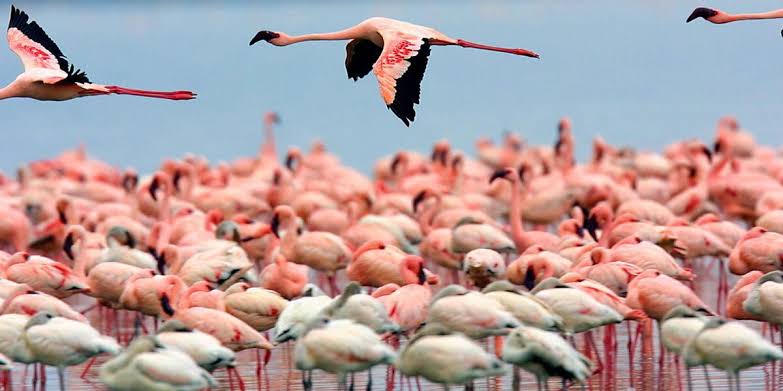
What birds can you see on Kenya safari?
Kenya offers one of the most exciting bird-watching experiences in Africa. The country combines vast savannah plains, tropical forests, wetlands, mountains, and coastal habitats, creating a perfect home for hundreds of bird species. A Kenya safari does not only bring visitors close to elephants, lions, giraffes, and other famous wildlife; it also opens the door to a colourful world of birds that adds deeper meaning to every adventure.
Bird lovers from around the world visit Kenya because the country provides remarkable opportunities to observe both resident and migratory birds throughout the year. From the powerful African fish eagle flying above lakes to the tiny sunbirds moving between flowers, every destination reveals something unique. Furthermore, Kenya’s diverse landscapes allow travellers to experience different bird species within a single safari journey.
A bird-focused safari in Kenya creates unforgettable moments because each sighting connects visitors with nature in a personal way. The sound of birds calling across the wilderness, the sight of large birds soaring above open plains, and the discovery of rare species hiding in forests create memories that last for a lifetime.
Kenya’s position along important migration routes also makes it a valuable destination for international bird enthusiasts. Millions of migratory birds travel through Africa, and many choose Kenya’s protected areas as resting and feeding grounds. Therefore, visitors can enjoy a constantly changing bird population depending on the season.
For travellers seeking authentic African experiences, Kenya provides more than traditional wildlife viewing. Bird watching adds another layer of exploration and allows visitors to understand the balance between different species and their environments. With expert guides, well-managed parks, and rich ecosystems, Kenya remains one of Africa’s leading bird safari destinations.
Combined Uganda, Kenya, Rwanda and Tanzania Safaris
17 days Kenya Tanzania and Uganda safari
19 Days Uganda Kenya and Tanzania Safari
16 Days Kenya Tanzania and Uganda Safari
14 Days Kenya Uganda and Tanzania Safari
14 Days Kenya Uganda and Rwanda Safari
12 Day Gorilla Trekking and Tanzania Safari
Kenya’s National Parks Offer Amazing Bird Watching Opportunities
Kenya’s national parks provide some of the best locations for bird watching in Africa. Each park has its own environment, which attracts different bird species. Visitors can explore grasslands, forests, rivers, and wetlands while discovering a wide variety of birds living naturally in these areas.
The famous Maasai Mara National Reserve stands among the top safari destinations for bird enthusiasts. Although many travellers visit the Mara for the Great Migration and big cats, the reserve also supports an impressive bird population. Open grasslands attract birds of prey, ground birds, and colourful species that move through the ecosystem. Visitors may spot vultures feeding near wildlife activity, secretary birds walking across the plains, and ostriches moving through the landscape.
Meanwhile, Amboseli National Park offers a completely different birding experience. The park’s wetlands attract water-loving birds, while the dry plains support species that survive in open environments. The view of Mount Kilimanjaro combined with birds flying across the horizon creates one of Kenya’s most beautiful safari scenes.
In addition, Lake Nakuru National Park provides excellent opportunities to observe water birds. The lake environment supports flamingos, pelicans, and many other species that depend on aquatic habitats. Bird lovers can enjoy close encounters with birds while also exploring a park famous for rhinos and other wildlife.
Furthermore, Kenya’s coastal forests and inland reserves introduce visitors to rare and specialised birds. Locations such as Arabuko-Sokoke Forest and Kakamega Forest protect unique habitats where bird watchers can discover species that rarely appear in open landscapes.
Colourful Birds You Can Spot During a Kenya Safari
Kenya’s bird population includes some of the most beautiful and fascinating species in the world. The country’s warm climate and diverse habitats allow birds with different colours, behaviours, and sizes to thrive. Every safari drive can become a visual experience filled with bright feathers, impressive movements, and interesting bird behaviour.
One of the most recognisable birds in Kenya is the lilac-breasted roller. This bird displays a mixture of purple, blue, green, and pink colours, making it a favourite among photographers. It often sits on open branches before flying through the air with impressive movements. Because of its bright appearance, many visitors consider it one of the highlights of a Kenya safari.
Another remarkable species is the superb starling. This small bird features shiny blue and green feathers with a bright orange chest. Superb starlings often move in groups, creating beautiful scenes when they fly across safari landscapes. Their colours stand out strongly against Kenya’s golden grasslands.
The African grey crowned crane also attracts attention because of its elegant appearance. This bird has a golden crown of feathers, a grey body, and graceful movements. It represents one of Africa’s most iconic bird species and often appears in wetlands and open grasslands.
Moreover, Kenya hosts several species of sunbirds. These small birds bring colour and energy to forests and gardens as they feed on flower nectar. Their quick movements and sparkling feathers make them exciting subjects for bird photographers.
The country also supports many kingfishers, hornbills, weavers, and bee-eaters. Each species contributes to the beauty of Kenya’s natural environment. Therefore, bird watching becomes an important part of the safari experience because it reveals the smaller details of Africa’s wilderness.
Birds of Prey: Powerful Hunters of the Kenyan Wilderness
Kenya’s skies belong to some of Africa’s most impressive birds of prey. These powerful hunters play an important role in maintaining healthy ecosystems by controlling animal populations and removing remains from the environment. During a safari, visitors often notice these birds flying high above the plains or resting on tall trees while searching for food.
The African fish eagle remains one of Kenya’s most famous birds of prey. It often lives near lakes, rivers, and wetlands where it hunts fish. Its strong body, sharp claws, and distinctive call make it easy to recognise. Many travellers enjoy watching this eagle move across the water before catching prey with incredible accuracy.
Another impressive bird is the martial eagle, one of Africa’s largest eagles. This powerful predator can hunt various animals and usually lives in areas with open landscapes. Seeing a martial eagle sitting above the savannah creates a memorable safari moment because its size and strength demonstrate the power of nature.
Kenya also provides a home for bateleur eagles, tawny eagles, and several species of vultures. Although vultures often receive less attention than colourful birds, they perform an essential environmental service. They help clean ecosystems by consuming animal remains and reducing the spread of disease.
Furthermore, the secretary bird offers a unique sight because it hunts while walking across the ground instead of flying after prey. Its long legs and unusual appearance make it one of the most interesting birds to observe during a safari.
Birds of prey add excitement to Kenya’s wilderness because they show visitors the relationship between different animals. They represent strength, survival, and the natural balance that keeps Africa’s ecosystems alive.
Migratory Birds That Visit Kenya Throughout the Year
Kenya welcomes many migratory birds that travel thousands of kilometres between continents. These seasonal visitors increase the country’s bird diversity and create additional opportunities for travellers who want to experience international bird migration.
Many migratory species arrive from Europe and Asia during specific periods when they search for warmer climates and better feeding conditions. Wetlands, forests, and grasslands across Kenya provide important resting places where these birds can recover before continuing their journeys.
Species such as European bee-eaters, Eurasian rollers, and various warblers often appear during migration seasons. Their arrival adds new colours and sounds to Kenya’s already rich bird population. Visitors who explore national parks during these periods can experience a wider range of species than they might find during other months.
Lake regions and coastal areas become especially valuable during migration periods because they offer food and shelter. Water birds use these environments to rest and feed, while forest species find protection among trees and vegetation.
Moreover, migratory birds show the importance of protecting natural habitats across borders. These birds depend on several countries during their journeys, which means conservation efforts must continue throughout Africa and beyond.
For international travellers, witnessing migratory birds in Kenya creates a special connection with nature. It shows how wildlife moves across continents and how different ecosystems work together. A Kenya safari therefore becomes not only a wildlife adventure but also an opportunity to observe one of the planet’s greatest natural journeys.
Best Time to See Birds During a Kenya Safari
Kenya offers excellent bird watching throughout the year; however, different seasons provide different experiences. Understanding the best time to visit helps travellers maximise their chances of seeing a wide variety of bird species.
The months between October and April often provide outstanding birding opportunities because many migratory birds arrive in Kenya during this period. During these months, visitors can observe both resident birds and seasonal visitors from other parts of the world. The landscapes also become more active as many species enter breeding periods and display impressive behaviours.
The rainy seasons create another advantage because vegetation grows, insects become more available, and birds become more active. Although some travellers prefer dry seasons for easier wildlife viewing, wet seasons offer incredible bird experiences because nature becomes more vibrant.
January and February often attract many bird enthusiasts because conditions support excellent photography opportunities. Birds display brighter colours, and many species become easier to locate around water sources.
However, every season brings unique benefits. The dry months allow easier movement through parks, and animals often gather near water, creating opportunities to observe birds interacting with other wildlife.
Experienced safari guides help visitors identify birds regardless of the season. They understand bird behaviour, habitats, and migration patterns, making every trip more rewarding. Therefore, Kenya remains a reliable destination for bird lovers throughout the year.
Why Bird Watching Makes Kenya Safari Experiences More Special
Bird watching transforms a normal safari into a deeper exploration of nature. While large animals often receive the most attention, birds reveal important details about the environment and create more complete wildlife experiences.
Birds respond quickly to changes in their surroundings, making them valuable indicators of ecosystem health. When visitors observe different bird species, they gain a better understanding of how forests, wetlands, and grasslands support life. This knowledge creates a stronger connection with conservation and responsible tourism.
Furthermore, bird watching encourages travellers to slow down and appreciate smaller moments. Instead of focusing only on finding large animals, visitors begin noticing movement in trees, sounds across the plains, and colours hidden within the landscape. These moments often become some of the most memorable parts of a safari.
Bird photography also adds excitement because many species offer unique challenges. Capturing a flying eagle, a colourful roller, or a small sunbird requires patience and attention. As a result, visitors develop a stronger appreciation for wildlife behaviour.
Bird tourism also supports conservation because many protected areas rely on responsible tourism income. When travellers visit Kenya for bird experiences, they contribute to efforts that protect habitats and wildlife.
Ultimately, birds complete the safari picture. They represent freedom, beauty, adaptation, and the incredible diversity of Africa. A Kenya safari becomes richer when visitors take time to discover the birds that share these landscapes.
Planning Your Kenya Bird Safari Adventure
A successful bird safari requires thoughtful planning because Kenya offers many different environments and birding experiences. Choosing the right destinations, working with knowledgeable guides, and preparing suitable equipment can greatly improve the journey.
Travellers should consider visiting multiple habitats because different locations attract different species. Combining savannah parks, forests, lakes, and coastal areas creates opportunities to discover a wider range of birds. Each environment provides unique sightings and unforgettable experiences.
A quality pair of binoculars remains one of the most important tools for bird watching. Many birds move quickly or stay high in trees, so good equipment helps visitors observe details clearly. Cameras with suitable lenses also allow travellers to capture special moments without disturbing wildlife.
Additionally, choosing experienced safari operators improves the overall experience. Professional guides understand bird calls, behaviours, and locations. Their knowledge helps visitors identify species and learn fascinating facts about Kenya’s ecosystems.
Visitors should also practise responsible tourism during bird safaris. Respecting wildlife distances, avoiding unnecessary noise, and protecting natural habitats help preserve Kenya’s beauty for future generations.
Kenya offers endless opportunities for discovery, whether someone visits as a professional bird researcher, a wildlife photographer, or a traveller searching for a unique African adventure. With careful planning, every safari can become a journey filled with remarkable bird encounters.
Kenya’s birdlife represents one of Africa’s greatest natural treasures. From colourful forest species to powerful birds of prey and seasonal migrants, every bird adds value to the safari experience. Exploring Kenya’s landscapes through bird watching creates unforgettable memories and allows travellers to experience Africa from a new perspective.
Conclusion
Kenya offers one of Africa’s most exciting bird‑watching experiences, with habitats ranging from savannahs and wetlands to forests and coastal regions. From the lilac‑breasted roller and superb starling to powerful raptors like the African fish eagle and martial eagle, every safari reveals a colorful and dynamic birdlife that enriches the overall adventure.
National parks such as the Maasai Mara, Amboseli, and Lake Nakuru provide diverse opportunities to spot resident and migratory species, while forests like Arabuko‑Sokoke and Kakamega introduce rare and specialized birds. Whether it’s flamingos painting lakes pink, cranes dancing across wetlands, or bee‑eaters flashing through the skies, Kenya’s birdlife adds depth and wonder to every safari.
Bird watching also highlights the importance of conservation. Migratory species remind us of the global connections between ecosystems, while resident birds reflect the health of Kenya’s landscapes. With expert guidance from operators such as Giant Holiday Safaris, travelers can enjoy responsible bird safaris that combine education, photography, and authentic encounters with nature.
Ultimately, Kenya’s birds transform a safari into more than just a search for big game. They create moments of beauty, discovery, and connection that stay with travelers long after the journey ends.