What Are the Best Kenya Safari Adventures?
July 21, 2026
What Are the Newest Safari Lodges in Kenya?
July 21, 2026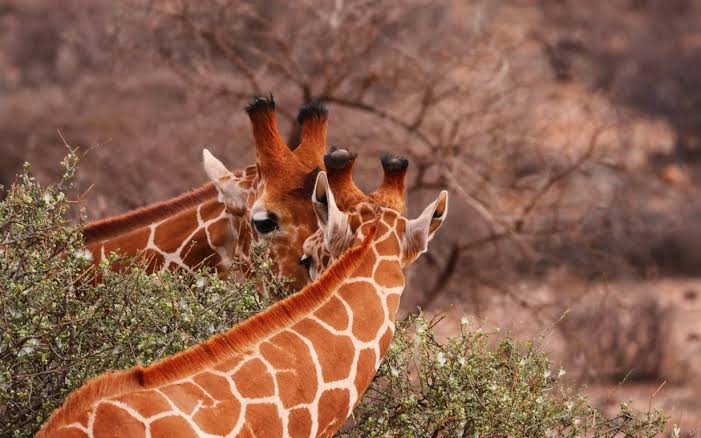
What Are the Best Kenya Eco-Tourism Experiences?
What Are the Best Kenya Eco-Tourism Experiences? Kenya stands among Africa’s most remarkable destinations for travelers who want more than beautiful scenery and unforgettable wildlife encounters. The country offers eco-tourism experiences that connect visitors with nature, local communities, conservation efforts, and authentic African cultures. From the famous savannah landscapes of the Maasai Mara to the peaceful forests of Mount Kenya, Kenya provides meaningful journeys that protect the environment while creating benefits for local people.
Eco-tourism in Kenya focuses on responsible travel. It encourages visitors to explore natural areas while reducing environmental impact and supporting conservation projects. Travelers today want experiences that create lasting memories while also contributing positively to the places they visit. Kenya answers this demand through sustainable safaris, community tourism programs, wildlife protection initiatives, and eco-friendly lodges.
Moreover, Kenya’s commitment to conservation has helped protect some of the world’s most valuable ecosystems. The country protects endangered species, restores natural habitats, and works with communities to preserve cultural traditions. As a result, visitors can enjoy incredible adventures while supporting a tourism model that values nature and people.
For international travelers searching for authentic African experiences, Kenya offers a perfect balance between adventure, education, relaxation, and responsible exploration. Every destination tells a story of resilience, beauty, and cooperation between humans and nature. Through eco-tourism, Kenya allows visitors to experience Africa in a way that creates positive change for future generations.
Combined Uganda, Kenya, Rwanda and Tanzania Safaris
17 days Kenya Tanzania and Uganda safari
19 Days Uganda Kenya and Tanzania Safari
16 Days Kenya Tanzania and Uganda Safari
14 Days Kenya Uganda and Tanzania Safari
14 Days Kenya Uganda and Rwanda Safari
12 Day Gorilla Trekking and Tanzania Safari
Exploring Kenya’s Wildlife Conservation Experiences
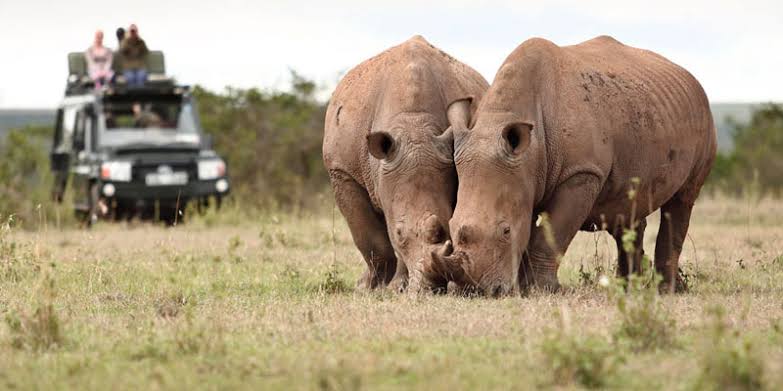
Kenya’s wildlife conservation experiences rank among the best eco-tourism activities in Africa. The country protects some of the world’s most famous animals, including elephants, lions, rhinos, giraffes, and cheetahs. However, modern eco-tourism in Kenya goes beyond simply watching animals. It allows travelers to understand conservation challenges and participate in efforts that protect wildlife.
Visitors can explore protected areas such as national parks, conservancies, and wildlife reserves where conservation teams work every day to maintain healthy ecosystems. These experiences often include guided nature walks, wildlife tracking, educational talks, and responsible game drives. Each activity helps travelers understand the importance of protecting endangered species and maintaining biodiversity.
One of the strongest examples of Kenya’s conservation success comes from private and community-owned conservancies. These areas provide safe habitats for wildlife while creating employment opportunities for local communities. Rangers, guides, researchers, and hospitality workers all contribute to protecting natural resources.
Furthermore, eco-tourism revenue supports conservation programs that fight illegal wildlife trade and habitat destruction. When travelers choose responsible tourism operators, their visits directly support these important initiatives. This connection between tourism and conservation makes Kenya a leading destination for travelers who want their journeys to have a positive impact.
A wildlife experience in Kenya is not only about taking photographs. It is about understanding nature, respecting animals, and becoming part of a global effort to protect Africa’s incredible wildlife heritage.
Visiting Maasai Community-Based Tourism Projects
Kenya’s cultural experiences provide travelers with opportunities to connect directly with local communities and learn about traditional ways of life. Among the most recognized cultural tourism experiences in Kenya involve Maasai communities. These experiences allow visitors to discover ancient traditions, unique customs, and strong connections between people and the environment.
Community-based tourism gives local residents control over tourism activities and ensures that income remains within the community. Travelers can visit villages, participate in cultural demonstrations, learn about traditional crafts, and understand the relationship between communities and surrounding ecosystems.
The Maasai people have maintained deep knowledge of their environment for generations. Their traditional practices often demonstrate respect for wildlife, land, and natural resources. Through responsible tourism, visitors gain valuable insights into sustainable living practices that have existed for centuries.
Additionally, many community tourism projects support education, healthcare, and conservation programs. Revenue from tourism helps improve local services while creating opportunities for young people and families. This approach makes tourism more meaningful because visitors contribute directly to community development.
However, respectful travel remains important when visiting cultural destinations. Travelers should approach these experiences with curiosity, respect, and appreciation. Responsible tourism focuses on genuine connections rather than treating communities as attractions.
By choosing authentic community-based experiences, visitors discover a deeper side of Kenya. They leave with more than memories of beautiful places; they gain knowledge, friendships, and a stronger understanding of Africa’s diverse cultures.
Experiencing Sustainable Safari Adventures in Kenya
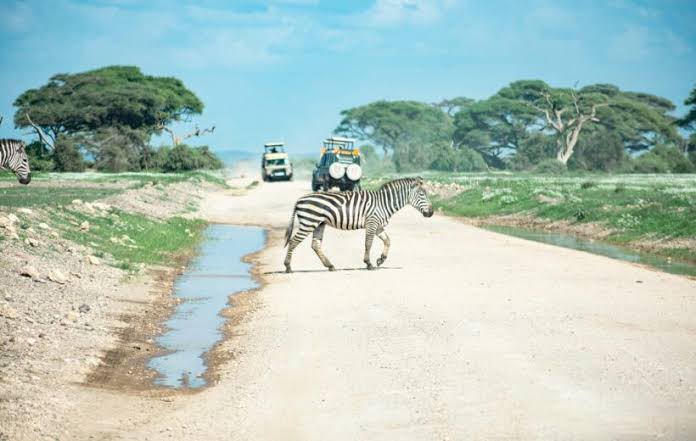
Kenya remains one of the world’s top safari destinations, but modern travelers increasingly seek sustainable safari experiences. Eco-friendly safaris allow visitors to enjoy incredible wildlife encounters while protecting fragile ecosystems and supporting conservation efforts.
Traditional safaris focused mainly on wildlife viewing. Today, sustainable safari experiences combine adventure with environmental responsibility. Many safari operators use low-impact vehicles, support conservation programs, reduce waste, and work closely with local communities. These practices help protect Kenya’s natural landscapes while maintaining high-quality travel experiences.
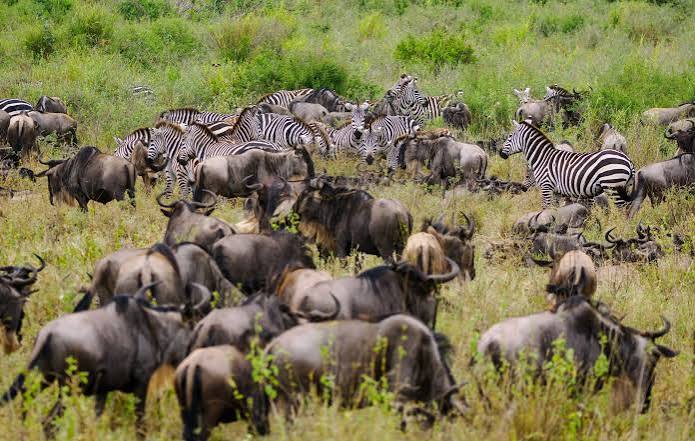
The Maasai Mara National Reserve offers one of the most famous safari experiences in the world. Travelers can witness large animal migrations, observe predators in their natural habitats, and explore endless grasslands. However, nearby conservancies provide even more sustainable options because they limit visitor numbers and protect important wildlife corridors.
Other destinations, including Amboseli National Park and Tsavo National Parks, offer unique safari experiences with different landscapes and wildlife populations. Visitors can enjoy views of Mount Kilimanjaro, encounter large elephant herds, and explore diverse ecosystems.
Moreover, sustainable safaris often provide educational experiences through expert guides. These professionals explain animal behavior, conservation challenges, and environmental issues. Their knowledge transforms a simple wildlife trip into an inspiring learning experience.
Choosing a responsible safari operator allows travelers to enjoy Kenya’s natural beauty while helping preserve it. Sustainable safaris create a future where wildlife, communities, and visitors can continue benefiting from Africa’s extraordinary landscapes.
Discovering Kenya’s Coastal Eco-Tourism Destinations
Kenya’s coastline offers some of Africa’s most beautiful marine and cultural eco-tourism experiences. The Indian Ocean coastline features white sandy beaches, coral reefs, mangrove forests, and historic coastal communities. Beyond relaxation, these destinations provide opportunities for travelers to explore marine conservation and sustainable lifestyles.
Places such as Watamu, Lamu, and Diani attract visitors who want peaceful coastal experiences combined with environmental awareness. Marine conservation programs protect coral reefs, sea turtles, and coastal ecosystems. Travelers can participate in activities such as guided snorkeling, marine education tours, and responsible beach experiences.
Watamu Marine National Park provides an excellent example of coastal conservation. The area protects important marine habitats while supporting research and community involvement. Visitors can explore underwater ecosystems while learning about ocean protection.
Additionally, Kenya’s coastal communities have rich cultural traditions shaped by centuries of interaction with the Indian Ocean. Travelers can discover Swahili architecture, traditional foods, fishing practices, and local crafts. These experiences create meaningful connections between visitors and coastal communities.
Eco-tourism along the Kenyan coast also encourages sustainable accommodation and responsible resource use. Many coastal properties focus on reducing plastic waste, conserving water, and supporting local suppliers.
For travelers seeking a combination of adventure, culture, and relaxation, Kenya’s coastline offers unforgettable experiences. The region proves that tourism can protect natural environments while celebrating the people and traditions that make each destination unique.
Exploring Kenya’s Forests, Mountains, and Natural Landscapes
Kenya’s natural beauty extends far beyond its famous wildlife parks. The country features forests, mountains, wetlands, and highland landscapes that provide exceptional eco-tourism opportunities. These environments allow travelers to experience Kenya’s biodiversity while discovering peaceful destinations away from busy tourist routes.
Mount Kenya, Africa’s second-highest mountain, attracts hikers and nature lovers from around the world. The surrounding ecosystem supports unique plant species, wildlife, and local communities. Hiking experiences provide opportunities to appreciate the mountain’s beauty while learning about environmental conservation.
The forests of Kenya also offer remarkable experiences for eco-conscious travelers. Areas such as Kakamega Forest protect rare plant species and provide habitats for birds, butterflies, and primates. Guided forest walks help visitors understand the importance of protecting these ecosystems.
Furthermore, Kenya’s wetlands and lakes support thousands of bird species and other wildlife. Destinations around the Great Rift Valley provide excellent opportunities for bird watching, photography, and nature exploration.
These landscapes highlight Kenya’s incredible ecological diversity. Each environment plays an important role in maintaining climate balance, protecting wildlife, and supporting communities. By visiting responsibly, travelers contribute to conservation efforts that preserve these natural treasures.
Eco-tourism encourages visitors to slow down and appreciate the smaller details of nature. The sound of birds, the beauty of forests, and the peaceful mountain views create experiences that remain unforgettable long after the journey ends.
Supporting Ethical Wildlife and Conservation Programs
Responsible travelers play an important role in protecting Kenya’s natural heritage. By choosing ethical wildlife experiences and conservation-focused tourism operators, visitors help support programs that protect animals, habitats, and communities.
Ethical wildlife tourism focuses on observing animals in their natural environments without causing harm. Responsible operators follow conservation guidelines, respect animal behavior, and avoid activities that exploit wildlife. These practices ensure that future generations can continue enjoying Kenya’s incredible biodiversity.
Many conservation organizations in Kenya work to protect endangered species and restore ecosystems. Tourism partnerships provide essential funding for research, ranger programs, habitat restoration, and community education. When visitors support these initiatives, they become part of a larger conservation movement.
Additionally, travelers can make responsible choices during their trips. Simple actions such as reducing plastic use, respecting wildlife rules, supporting local businesses, and conserving water create positive impacts.
Conservation is not only the responsibility of governments and organizations. Every visitor contributes through their travel decisions. Choosing eco-friendly experiences demonstrates respect for Kenya’s environment and communities.
Through ethical tourism, Kenya continues building a model where conservation and travel work together. Visitors leave with unforgettable experiences while helping protect the natural wonders that make the country special.
Enjoying Eco-Friendly Accommodation in Kenya
Accommodation plays an important role in creating sustainable tourism experiences. Kenya offers many eco-friendly lodges, camps, and hotels that combine comfort with environmental responsibility. These properties allow travelers to enjoy beautiful surroundings while minimizing their impact on nature.
Many sustainable accommodations use renewable energy, water conservation systems, recycling programs, and locally sourced products. Some properties operate in wildlife conservancies where their presence directly supports habitat protection and community development.
Eco-lodges often provide unique experiences that connect guests with nature. Visitors may wake up to wildlife sounds, enjoy locally prepared meals, and participate in guided environmental activities. These experiences create a closer relationship between travelers and their surroundings.
Furthermore, many eco-friendly accommodations employ local staff and purchase supplies from nearby communities. This approach strengthens local economies and ensures that tourism benefits reach more people.
Travelers should consider sustainability when selecting accommodation in Kenya. A responsible choice supports businesses that protect the environment and value local communities.
Eco-friendly stays prove that comfort and conservation can exist together. Kenya continues to develop tourism experiences where visitors enjoy exceptional hospitality while contributing to a healthier planet.
Why Kenya Remains One of Africa’s Leading Eco-Tourism Destinations
Kenya continues to stand out as one of Africa’s leading eco-tourism destinations because it combines natural beauty, wildlife conservation, cultural diversity, and sustainable travel opportunities. The country offers experiences that appeal to adventure seekers, nature lovers, families, photographers, and travelers who want meaningful journeys.
One major strength of Kenya’s eco-tourism industry comes from its commitment to protecting natural resources. National parks, conservancies, marine reserves, and community projects work together to preserve the country’s incredible landscapes.
Moreover, Kenya provides diverse experiences throughout the year. Visitors can explore wildlife-rich savannahs, climb mountains, relax along the coast, discover forests, and connect with local communities. This variety makes Kenya suitable for different travel interests.
The country’s tourism professionals also contribute significantly to its reputation. Skilled guides, conservation experts, and local communities create authentic experiences built on knowledge and passion. Their dedication helps visitors understand Africa beyond simple sightseeing.
As global travelers become more conscious about sustainability, Kenya remains prepared to offer responsible adventures. The country represents a future where tourism supports conservation, respects cultures, and creates opportunities.
Kenya’s eco-tourism journey demonstrates that travel can become a force for positive change. Every visit has the potential to protect nature, support communities, and inspire greater appreciation for Africa’s extraordinary heritage.
Conclusion: Creating Meaningful Memories Through Kenya Eco-Tourism
Kenya eco‑tourism offers travelers a unique opportunity to explore Africa while making a positive difference. From wildlife conservation experiences and sustainable safaris to cultural connections and coastal adventures, Kenya provides journeys that create lasting memories.
The country’s natural wonders deserve protection, and responsible tourism helps achieve this goal. Every choice a traveler makes from selecting an eco‑friendly lodge to supporting community projects contributes to preserving Kenya’s environment and cultural heritage.
Beyond the landscapes and wildlife, Kenya’s greatest treasure comes from its people. Local communities, conservation experts, and tourism professionals work together to create experiences that welcome visitors while protecting the future. Trusted operators such as Giant Holiday Safaris play a vital role in ensuring these journeys remain both authentic and sustainable.
For travelers searching for authentic African adventures, Kenya offers more than a holiday destination. It provides a chance to learn, connect, and contribute. Eco‑tourism transforms travel into a meaningful experience where exploration and responsibility come together.