What Are the Best Safari Camps With Luxury Tents in Kenya?
May 27, 2026
What Are the Best Safari Lodges for Honeymoon Couples in Kenya?
May 27, 2026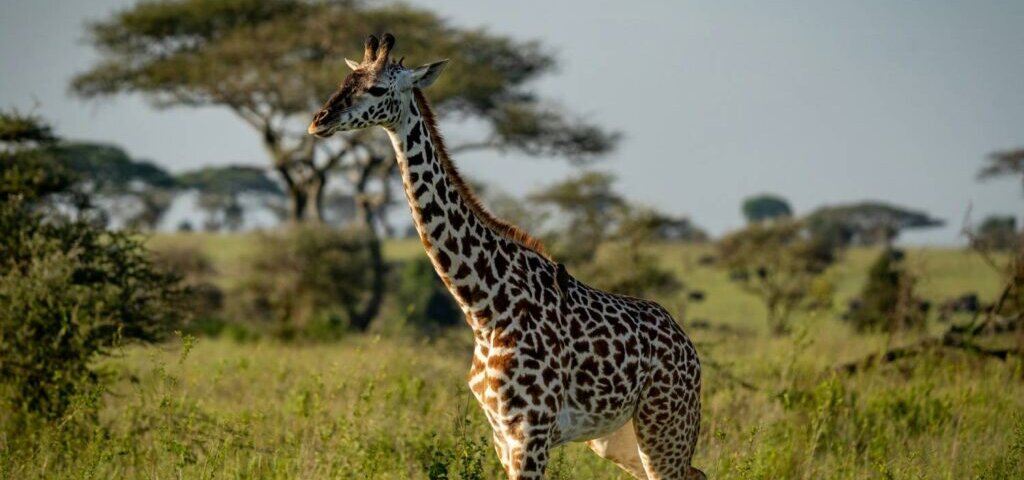
What Are the Best Kenya Safari Destinations for Wildlife Photography?
Kenya stands among the top wildlife photography destinations in the world because it offers breathtaking landscapes, abundant wildlife, dramatic natural events, and authentic safari experiences. Photographers from every corner of the globe visit Kenya to capture powerful moments in nature, from lions hunting across golden plains to elephants walking beneath Mount Kilimanjaro. When travelers ask, “What are the best Kenya safari destinations for wildlife photography?” they often search for locations that provide excellent lighting, diverse wildlife, scenic backdrops, and unforgettable safari encounters.
Kenya delivers all these experiences while maintaining a strong reputation in African tourism. The country protects diverse ecosystems that support thousands of animal species, making every safari rewarding for both beginner and professional photographers. In addition, Kenya offers experienced safari guides, luxury lodges, eco camps, and private conservancies that create ideal conditions for wildlife photography.
Photographers also enjoy the variety of landscapes across Kenya. Some parks feature endless savannahs, while others offer lakes, forests, mountains, deserts, and wetlands. This diversity allows travelers to build rich photography collections that capture the true beauty of Africa. Whether visitors want to photograph the Great Migration, rare bird species, big cats, or stunning sunsets, Kenya provides world class opportunities throughout the year.
This guide explores the best Kenya safari destinations for wildlife photography while helping travelers discover the perfect locations for unforgettable African wildlife images.
Maasai Mara National Reserve
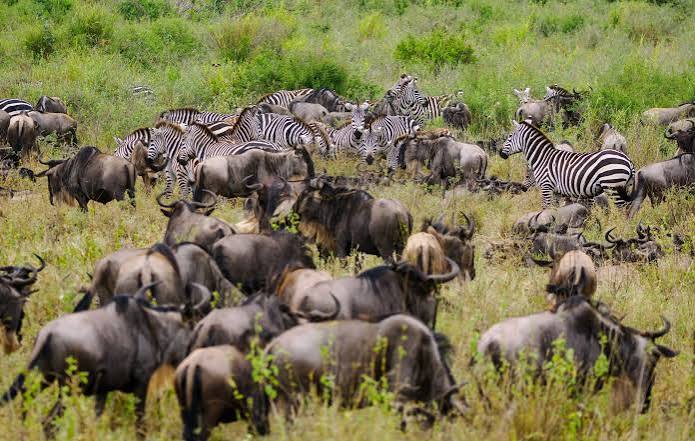
The Maasai Mara National Reserve remains Kenya’s most famous wildlife photography destination. Located in southwestern Kenya, this world renowned reserve forms part of the greater Serengeti ecosystem and hosts one of the greatest wildlife spectacles on Earth, the Great Migration. Photographers travel to the Maasai Mara every year to capture millions of wildebeests, zebras, and gazelles crossing rivers while predators follow closely behind.
The open grasslands create perfect photography conditions because wildlife remains easy to spot throughout the reserve. Lions rest openly on the plains, cheetahs hunt during daylight hours, and elephants move gracefully through the savannah. In addition, the Maasai Mara supports leopards, buffaloes, giraffes, hyenas, and numerous bird species that add variety to photography experiences.
Lighting conditions in the Maasai Mara also attract photographers. Early morning game drives provide soft golden light that enhances wildlife images, while sunsets create dramatic African landscapes filled with warm colors. During migration season, photographers capture action packed moments involving crocodile attacks, predator hunts, and massive animal movements.
Many safari camps in the Maasai Mara cater specifically to photographers. These camps offer customized safari vehicles, flexible game drive schedules, and guides who understand wildlife behavior and photography positioning. Some conservancies also allow off road driving, which improves opportunities for close wildlife encounters.
Photographers who visit the Maasai Mara gain access to one of Africa’s richest ecosystems while experiencing unforgettable wildlife moments. For anyone serious about wildlife photography, the Maasai Mara remains an essential Kenyan safari destination.
Amboseli National Park
Amboseli National Park offers some of the most iconic wildlife photography opportunities in Africa. Located near the Tanzania border, the park provides breathtaking views of Mount Kilimanjaro rising above open plains and swamps. This combination of wildlife and dramatic scenery creates stunning compositions that photographers love.
Amboseli remains especially famous for elephant photography. Large elephant herds move across dusty landscapes with Mount Kilimanjaro in the background, creating unforgettable safari images. Photographers often capture elephants during sunrise or sunset when the lighting adds warmth and depth to every scene.
The park’s flat terrain and sparse vegetation improve visibility, allowing photographers to capture clear wildlife shots without obstruction. In addition to elephants, Amboseli supports lions, cheetahs, giraffes, buffaloes, zebras, hyenas, and hundreds of bird species. Wetland areas attract flamingos, pelicans, herons, and other water birds, which creates excellent opportunities for bird photography.
Dust conditions in Amboseli also enhance photography experiences. During dry months, animals walking across dusty plains create dramatic silhouettes and atmospheric wildlife images. These natural effects make Amboseli especially popular among professional safari photographers.
Photographers appreciate Amboseli because wildlife remains active throughout the year. Dry seasons between June and October and January through February provide especially rewarding game viewing conditions. During these periods, animals gather near water sources, increasing opportunities for close encounters.
Luxury lodges and eco camps around Amboseli support photography tourism by offering private game drives and knowledgeable safari guides. Many guides understand photography timing and help travelers position vehicles for the best possible angles.
For photographers seeking iconic African safari images with wildlife and mountain scenery, Amboseli National Park delivers extraordinary experiences.
Samburu National Reserve
Samburu National Reserve provides a unique wildlife photography experience in northern Kenya. Unlike the green plains of southern Kenya, Samburu features semi-arid landscapes, rocky hills, acacia trees, and golden light that create dramatic photography settings. Travelers who visit Samburu often capture rare wildlife species and untouched wilderness scenes that differ greatly from traditional safari images.
The reserve supports several rare animals known as the Samburu Special Five. These include the Grevy’s zebra, reticulated giraffe, Somali ostrich, gerenuk, and Beisa oryx. Wildlife photographers value these species because they rarely appear in other Kenyan parks. Capturing these animals helps photographers build more diverse and distinctive safari portfolios.
The Ewaso Ng’iro River attracts wildlife throughout the year, creating reliable photography opportunities. Elephants gather along the riverbanks, leopards hunt near the trees, and crocodiles rest beside the water. Bird photographers also enjoy Samburu because the reserve supports numerous colorful bird species.
The golden light in Samburu creates exceptional photography conditions during sunrise and sunset. Dusty landscapes and rocky outcrops add texture and contrast to wildlife images, while dramatic skies enhance scenic photography. In addition, the reserve receives fewer visitors than the Maasai Mara, allowing photographers more freedom and quieter game viewing experiences.
Many safari lodges in Samburu cater to photographers by offering flexible safari schedules and expert guides who understand animal movements and photography techniques. Visitors also enjoy cultural photography opportunities involving the Samburu people and their traditional lifestyle.
For photographers seeking rare wildlife, dramatic landscapes, and exclusive safari experiences, Samburu National Reserve stands among Kenya’s finest wildlife photography destinations.
Lake Nakuru National Park
Lake Nakuru National Park combines wildlife photography with exceptional bird photography opportunities. Located in Kenya’s Rift Valley region, the park attracts photographers who want to capture flamingos, rhinos, leopards, and scenic lake landscapes in one destination.
Lake Nakuru gained international recognition because of its flamingo populations. Although flamingo numbers change depending on water conditions, photographers still enjoy spectacular bird photography throughout the year. Thousands of pelicans, cormorants, herons, and other water birds also gather around the lake, creating vibrant photography scenes.
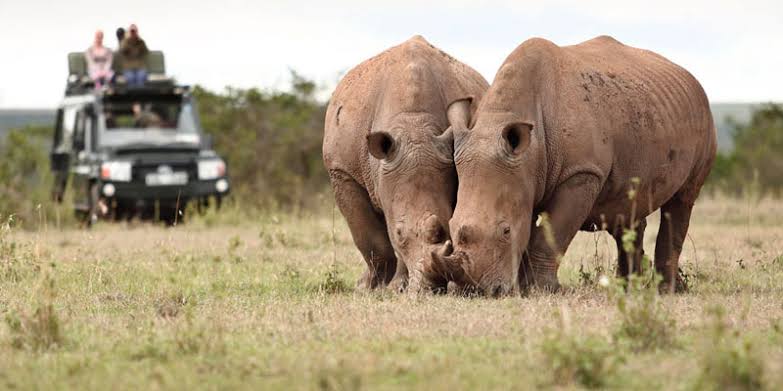
The park serves as an important rhino sanctuary, making it one of Kenya’s best locations for rhino photography. Both black and white rhinos roam the park’s grasslands and forests, often allowing close wildlife encounters. Photographers also regularly capture lions, leopards, buffaloes, giraffes, zebras, and baboons during game drives.
Lake Nakuru’s landscapes add beauty and variety to wildlife images. Forested areas, rocky escarpments, waterfalls, and open lake views create excellent photographic backgrounds. Scenic viewpoints such as Baboon Cliff provide panoramic perspectives of the lake and surrounding Rift Valley scenery.
The park’s compact size allows photographers to cover multiple habitats within a short period. This increases opportunities for diverse wildlife sightings and varied photography compositions during each safari drive.
Photographers who visit Lake Nakuru appreciate the combination of wildlife accessibility, scenic beauty, and rich birdlife. The park fits perfectly into broader Kenyan safari itineraries and offers rewarding experiences for both beginner and experienced wildlife photographers.
Tsavo National Park
Tsavo National Park offers photographers one of Africa’s most dramatic wilderness landscapes. Divided into Tsavo East and Tsavo West, the park covers vast areas of savannah, volcanic hills, lava fields, rivers, and forests. This diversity creates endless opportunities for wildlife and landscape photography.
Tsavo East remains famous for its red elephants. These elephants cover themselves in red volcanic dust, creating striking images that photographers rarely capture elsewhere. Large elephant herds move across open plains, while lions, cheetahs, giraffes, zebras, and antelopes roam freely throughout the park.
Tsavo West offers completely different photography conditions with rugged hills, dense vegetation, volcanic formations, and natural springs. Mzima Springs attracts hippos, crocodiles, birds, and fish, creating excellent aquatic photography opportunities. Underwater viewing chambers also allow photographers to capture unique perspectives beneath the water surface.
The park’s massive size provides a true wilderness atmosphere that many photographers seek. Unlike more crowded reserves, Tsavo allows travelers to photograph wildlife in peaceful and remote environments. This sense of isolation enhances the authenticity of safari photography experiences.
Sunsets in Tsavo create particularly dramatic photography moments. Dust filled skies, volcanic landscapes, and golden lighting produce rich colors and cinematic wildlife scenes. Landscape photographers especially appreciate Tsavo because the park’s scenery remains visually diverse and constantly changing.
Many photographers combine Tsavo with Amboseli or Maasai Mara to create broader wildlife photography itineraries across Kenya. This combination allows travelers to capture different ecosystems, landscapes, and wildlife behaviors within one safari journey.
Meru National Park
Meru National Park remains one of Kenya’s hidden gems for wildlife photography. Located in eastern Kenya, the park features rivers, forests, grasslands, swamps, and rocky landscapes that support diverse wildlife populations. Because Meru receives fewer tourists, photographers enjoy peaceful safari experiences and uninterrupted wildlife encounters.
The park gained international fame through the story of conservationists George and Joy Adamson and their lion Elsa. Today, photographers continue visiting Meru to capture authentic wilderness scenes filled with elephants, lions, cheetahs, leopards, rhinos, and hippos.
Meru’s landscapes create excellent photographic variety. Palm lined rivers contrast beautifully with open savannahs, while distant hills add depth to landscape images. Morning mist around wetlands creates soft atmospheric conditions that photographers love.
Bird photographers also appreciate Meru because the park supports hundreds of bird species. Kingfishers, bee eaters, hornbills, eagles, and herons provide colorful photography subjects throughout the reserve.
Game drives in Meru feel highly exclusive because safari traffic remains low. Photographers often spend long periods observing wildlife without interruptions from multiple vehicles. This freedom allows greater creativity and patience when capturing animal behavior.
Luxury safari lodges and eco camps in Meru support sustainable tourism while providing personalized safari experiences. Experienced guides help photographers track wildlife and position vehicles for the best lighting conditions.
For travelers seeking authentic wildlife photography experiences away from crowded destinations, Meru National Park offers exceptional opportunities and untouched natural beauty.
Best Time for Wildlife Photography in Kenya
Timing plays an important role in wildlife photography safaris across Kenya. Different seasons create unique conditions depending on wildlife movement, lighting, vegetation, and weather. Giant Holiday Safaris helps travelers plan their journeys to match the best photographic opportunities.
The dry season between June and October offers excellent wildlife photography because animals gather near water sources and vegetation thins out. These conditions improve visibility and predator sightings. The Great Migration in the Maasai Mara also peaks between July and October, making this period ideal for dramatic photography.
January and February provide another rewarding season. Warm, dry weather combines with greener landscapes after short rains, while migratory birds arrive, creating superb bird photography opportunities.
Photographers who prefer lush scenery and dramatic skies may choose the green season between March and May. Although rainfall increases, this season delivers vibrant landscapes, fewer tourists, and atmospheric photography moments. Some roads, however, may be harder to access during heavy rains.
Lighting is equally important. Early morning and late afternoon game drives provide soft golden light that enhances wildlife images, while midday light often appears harsh in open savannahs.
Choosing lodges and guides who understand photography needs is essential. Flexible schedules, customized vehicles, and experienced guides like those provided by Giant Holiday Safaris significantly improve chances of capturing unforgettable wildlife images.
Why Kenya Leads Wildlife Photography Tourism in Africa
Kenya continues to lead wildlife photography tourism in Africa because it combines extraordinary biodiversity, stunning landscapes, conservation success, and high‑quality safari experiences. Few countries offer such rich photographic diversity within one destination. Giant Holiday Safaris designs tailored itineraries that maximize these opportunities for photographers of all levels.
Travelers can photograph massive wildlife migrations, rare species, mountain landscapes, wetlands, deserts, forests, and vibrant cultural communities all within Kenya. This diversity allows photographers to build complete African wildlife portfolios during a single safari journey. With Giant Holiday Safaris, guests enjoy seamless access to these varied ecosystems.
Kenya also invests heavily in conservation and sustainable tourism. National parks, private conservancies, local communities, and tourism operators work together to protect wildlife habitats and migration routes. These efforts ensure future generations can continue enjoying wildlife photography safaris. Giant Holiday Safaris actively supports eco‑friendly travel and community partnerships.
Professional safari guides across Kenya understand wildlife behavior, photography timing, and positioning techniques. Their expertise greatly improves photography success rates for visitors of all experience levels. Giant Holiday Safaris provides expert guiding to help photographers capture the perfect shot.
In addition, Kenya offers excellent safari infrastructure, luxury lodges, eco camps, domestic flights, and customized photography safaris that cater specifically to wildlife photographers. This strong tourism network enhances comfort, accessibility, and overall travel experiences. Giant Holiday Safaris ensures every detail is handled, from logistics to personalized safari planning.
For travelers asking, “What are the best Kenya safari destinations for wildlife photography?” Kenya provides extraordinary answers through destinations such as Maasai Mara, Amboseli, Samburu, Lake Nakuru, Tsavo, and Meru. Every safari journey across Kenya reveals why the country remains one of the world’s greatest wildlife photography destinations and a trusted leader in African tourism. With Giant Holiday Safaris as your tour operator, these experiences become seamless, exclusive, and unforgettable.
Combined Uganda, Kenya, Rwanda and Tanzania Safaris
17 days Kenya Tanzania and Uganda safari
19 Days Uganda Kenya and Tanzania Safari
16 Days Kenya Tanzania and Uganda Safari
14 Days Kenya Uganda and Tanzania Safari
14 Days Kenya Uganda and Rwanda Safari