What Are the Best Safari Lodges for Honeymoon Couples in Kenya?
May 27, 2026
What are the best safari camps with luxury amenities in Kenya?
May 27, 2026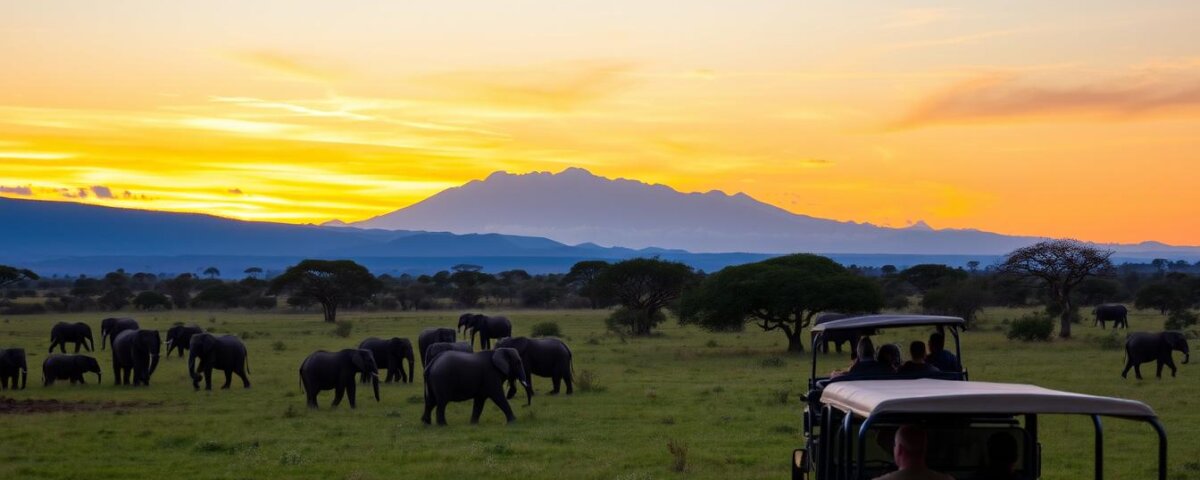
What Are the Best Kenya Safari Parks for Migration Safaris?
Kenya stands among the top safari destinations in Africa because it offers unforgettable wildlife experiences throughout the year. Many travelers visit the country to witness one of the greatest natural events on Earth, the Great Migration. Millions of wildebeests, zebras, and gazelles move across the plains in search of fresh grazing land while predators follow closely behind. This incredible wildlife movement creates dramatic safari moments that attract nature lovers, photographers, researchers, and adventure travelers from around the world. When travelers ask, “What are the best Kenya safari parks for migration safaris?” they usually want destinations that combine wildlife abundance, scenic beauty, authentic safari experiences, and excellent accessibility.
Kenya offers several outstanding safari parks where visitors can experience migration safaris at their best. Each park delivers something unique, from massive river crossings and predator action to peaceful landscapes and cultural encounters. Travelers also enjoy luxury lodges, ecofriendly camps, professional safari guides, and rich biodiversity across these parks. Kenya continues to build a strong reputation in African tourism because it protects wildlife habitats while providing world class safari experiences. Choosing the right safari park can transform an ordinary trip into a life changing adventure. This guide explores the best Kenya safari parks for migration safaris and explains why each destination deserves a place on every traveler’s safari bucket list.
Maasai Mara National Reserve
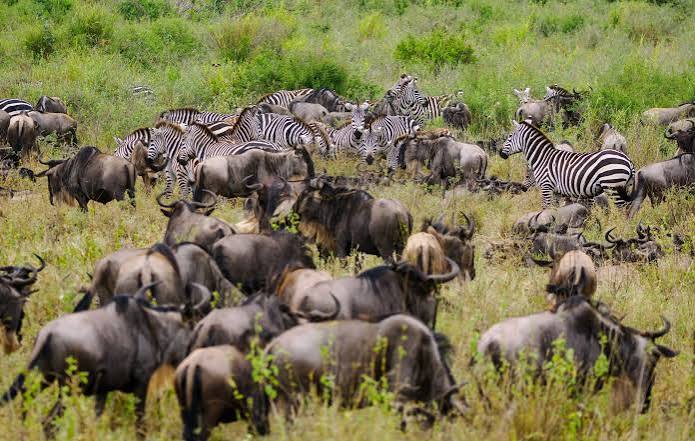
The Maasai Mara National Reserve remains the most famous safari destination in Kenya for migration safaris. Located in southwestern Kenya near the Tanzania border, this reserve forms part of the larger Serengeti ecosystem. Every year between July and October, millions of wildebeests, zebras, and antelopes enter the Maasai Mara from Tanzania in search of greener pastures. This wildlife movement creates one of the most breathtaking natural spectacles in Africa.
Travelers often visit the Maasai Mara to witness dramatic river crossings along the Mara River. During these crossings, crocodiles wait patiently while predators such as lions, cheetahs, and leopards hunt weakened animals. These intense wildlife encounters make the Maasai Mara one of the most exciting safari parks in the world. In addition, the reserve supports the Big Five, including lions, elephants, buffaloes, leopards, and rhinos.
The Maasai Mara also offers exceptional safari infrastructure. Visitors can choose from luxury safari lodges, tented camps, family friendly accommodations, and budget campsites. Professional guides provide game drives, hot air balloon safaris, walking safaris, and cultural visits to Maasai communities. Because of this variety, travelers enjoy personalized experiences that match different budgets and travel styles.
Photographers especially love the Maasai Mara because the open grasslands provide clear visibility for wildlife viewing. Sunrise and sunset game drives produce stunning photography opportunities with golden African landscapes. Furthermore, the reserve maintains strong conservation efforts that support sustainable tourism and wildlife protection.
For travelers seeking the ultimate migration safari in Kenya, the Maasai Mara delivers unmatched wildlife action, breathtaking scenery, and authentic African safari experiences.
Serengeti and Maasai Mara Ecosystem Connection
The migration safari experience in Kenya becomes even more remarkable because of the connection between the Serengeti in Tanzania and the Maasai Mara in Kenya. Together, these ecosystems support the continuous movement of wildlife across East Africa. Wildebeests follow seasonal rainfall patterns, creating a circular migration route that covers thousands of kilometers each year.
This ecosystem connection supports one of the largest remaining wildlife migrations on Earth. Animals move freely between protected areas, which helps maintain ecological balance and biodiversity. Travelers who understand this migration cycle often plan their safaris around the timing of wildlife movements. Kenya’s Maasai Mara usually experiences peak migration activity from July through October.
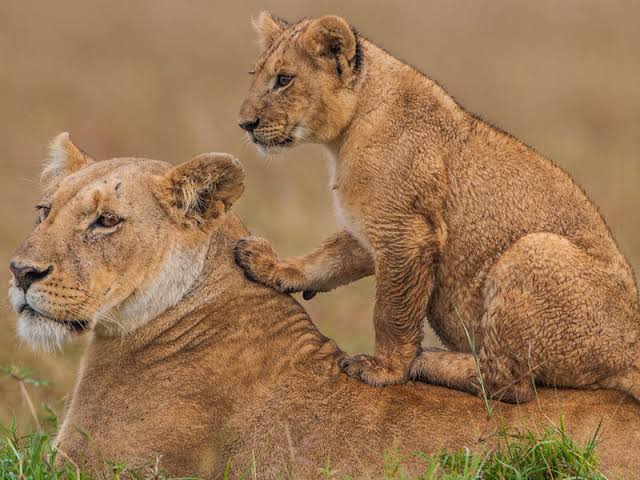
The migration involves more than wildebeests alone. Zebras, gazelles, elands, and predators move alongside the herds. Lions establish territories near migration routes because prey remains abundant during this period. Hyenas, jackals, vultures, and crocodiles also benefit from the migration season.
Safari operators in Kenya closely monitor wildlife movements to provide travelers with the best migration viewing opportunities. Experienced guides communicate with each other daily and adjust safari routes depending on herd locations. As a result, visitors enjoy higher chances of witnessing dramatic wildlife encounters.
The ecosystem connection also highlights the importance of cross border conservation in East Africa. Kenya and Tanzania continue to support wildlife protection initiatives that preserve migration routes and reduce human wildlife conflict. Sustainable tourism plays a major role in funding these conservation efforts.
Travelers who visit Kenya for migration safaris gain more than wildlife sightings. They experience a living ecosystem that demonstrates the power of nature, seasonal cycles, and conservation partnerships across Africa.
Amboseli National Park
Amboseli National Park ranks among Kenya’s most iconic safari destinations. Although it does not host the Great Migration like the Maasai Mara, it remains one of the best safari parks for wildlife lovers who want incredible scenery and excellent animal viewing. Located near the Tanzania border, Amboseli offers breathtaking views of Mount Kilimanjaro, Africa’s highest mountain.
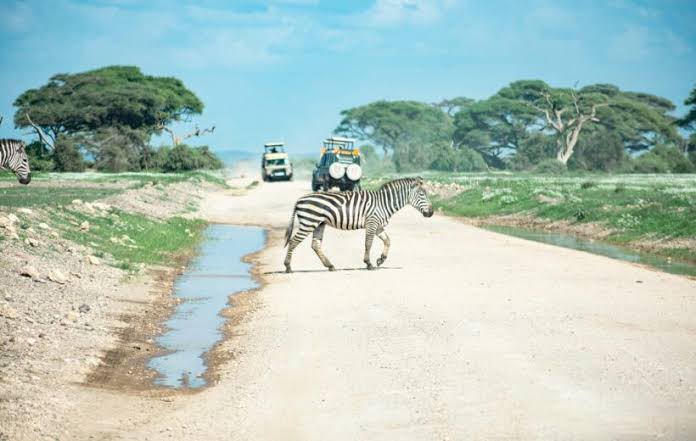
Amboseli attracts visitors because of its large elephant populations. Travelers regularly see massive elephant herds walking across open plains with Mount Kilimanjaro rising in the background. These scenes create some of the most photographed safari images in Africa. In addition, the park supports lions, cheetahs, hyenas, giraffes, zebras, buffaloes, and hundreds of bird species.
The park’s open landscapes improve wildlife visibility, making game drives highly rewarding throughout the year. During dry seasons, animals gather around swamps and water sources, which increases viewing opportunities. Travelers enjoy both morning and evening game drives led by knowledgeable safari guides.
Amboseli also offers strong cultural tourism experiences. Visitors often interact with Maasai communities to learn about traditional lifestyles, cattle herding practices, dances, and local crafts. These cultural encounters help travelers connect more deeply with Kenya’s heritage and tourism diversity.
Luxury lodges and eco camps around Amboseli provide excellent accommodations for travelers seeking comfort and sustainability. Many properties support local conservation programs and community projects that benefit surrounding villages.
Although migration safaris remain strongest in the Maasai Mara, Amboseli complements a Kenyan safari itinerary perfectly. Travelers who combine Amboseli with Maasai Mara gain a broader understanding of Kenya’s wildlife diversity, landscapes, and conservation success.
Tsavo National Park
Tsavo National Park consists of Tsavo East and Tsavo West, making it one of the largest protected wildlife areas in Africa. Together, these parks create a vast wilderness that supports diverse wildlife species and dramatic landscapes. Travelers searching for less crowded safari experiences often choose Tsavo because it provides authentic wilderness adventures away from busy tourist routes.
Tsavo East features open savannahs, red soil landscapes, and large elephant herds covered in red dust. The park also supports lions, leopards, cheetahs, giraffes, zebras, and numerous antelope species. Meanwhile, Tsavo West offers volcanic hills, lava flows, natural springs, and dense vegetation that create a completely different safari environment.
Although Tsavo does not host the Great Migration on the scale of the Maasai Mara, seasonal wildlife movements still occur throughout the ecosystem. During dry periods, animals move toward water sources, creating exciting game viewing opportunities. Predators actively follow prey movements, which increases wildlife encounters during safari drives.
Mzima Springs remains one of the highlights of Tsavo West. Crystal clear waters attract hippos, crocodiles, fish, and birds while underground viewing chambers allow travelers to observe aquatic wildlife beneath the surface. This unique attraction adds diversity to the safari experience.
Tsavo also appeals to adventure travelers because of its remote atmosphere and dramatic scenery. Visitors enjoy guided nature walks, birdwatching, photography safaris, and cultural interactions with local communities. The park’s rich history, including stories of the famous man eating lions of Tsavo, adds even more fascination to the destination.
Travelers seeking longer safari itineraries often combine Tsavo with Amboseli and Maasai Mara to experience different ecosystems across Kenya.
Lake Nakuru National Park
Lake Nakuru National Park offers a unique safari experience that combines wildlife viewing, birdwatching, and beautiful landscapes. Located in Kenya’s Rift Valley region, the park gained global recognition for its flamingo populations that once covered the lake in vibrant pink colors. Although flamingo numbers vary depending on water conditions, Lake Nakuru still attracts large numbers of birds throughout the year.
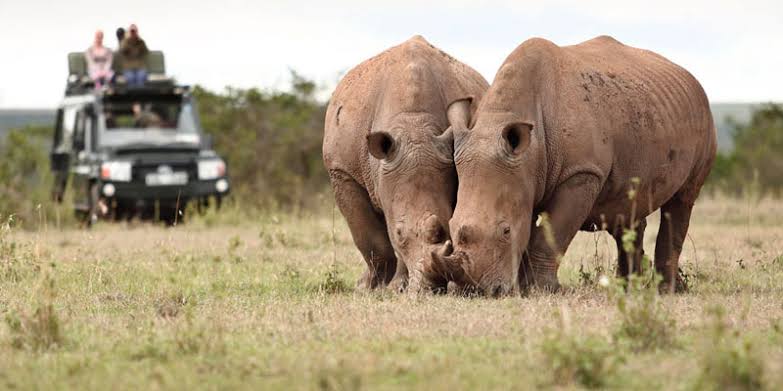
The park also serves as an important rhino sanctuary. Visitors have excellent chances of seeing both black and white rhinos during game drives. In addition, Lake Nakuru supports lions, leopards, buffaloes, giraffes, zebras, baboons, and waterbucks. The park’s compact size makes wildlife viewing relatively easy compared to larger reserves.
Lake Nakuru’s forested areas create excellent opportunities for leopard sightings. Travelers often spot these elusive predators resting in acacia trees or moving quietly through the vegetation. Bird lovers also enjoy seeing pelicans, cormorants, fish eagles, and many migratory bird species around the lake.
The park’s scenic viewpoints provide stunning panoramic views of the Rift Valley landscape. Baboon Cliff and Lion Hill attract photographers and nature enthusiasts who want to capture Kenya’s natural beauty from elevated perspectives.
Travelers appreciate Lake Nakuru because it fits well into shorter safari itineraries. The park lies within driving distance from Nairobi, making it accessible for weekend trips and first time safari visitors. Many travelers combine Lake Nakuru with Maasai Mara and Amboseli to create diverse safari experiences across Kenya.
Strong conservation efforts continue to protect wildlife populations and habitats within the park. As a result, Lake Nakuru remains an important destination for eco tourism and wildlife conservation in East Africa.
Samburu National Reserve
Samburu National Reserve offers a completely different safari experience compared to southern Kenya parks. Located in northern Kenya, Samburu features semi-arid landscapes, unique wildlife species, and rich cultural heritage. Travelers who visit Samburu often enjoy quieter safaris with fewer crowds and highly personalized experiences.
The reserve supports several rare animals commonly known as the Samburu Special Five. These include the Grevy’s zebra, Somali ostrich, reticulated giraffe, gerenuk, and Beisa oryx. These species rarely appear in southern Kenya parks, which makes Samburu especially attractive for repeat safari travelers.
The Ewaso Ng’iro River serves as the lifeline of the reserve. Wildlife gathers along the riverbanks throughout the year, creating excellent game viewing opportunities. Elephants, lions, leopards, crocodiles, and hippos frequently appear near the water sources.
Samburu’s dry landscapes create dramatic photography conditions with golden lighting, rocky hills, and scattered acacia trees. Visitors enjoy game drives, guided nature walks, birdwatching, and cultural visits to Samburu communities. Local guides share deep knowledge about wildlife tracking, traditional customs, and survival techniques in arid environments.
Although Samburu does not experience the Great Migration, seasonal wildlife movements still occur depending on rainfall patterns and water availability. Travelers who include Samburu in their Kenyan safari itineraries gain a broader understanding of Kenya’s ecological diversity.
Luxury lodges and eco camps in Samburu focus strongly on conservation and community partnerships. Many tourism businesses support wildlife protection, education programs, and local employment opportunities. These efforts strengthen sustainable tourism while preserving northern Kenya’s fragile ecosystems.
Best Time to Visit Kenya for Migration Safaris
Timing plays a major role when planning migration safaris in Kenya. Travelers who want to witness river crossings and massive wildlife herds should plan visits between July and October, when wildebeests move from Tanzania’s Serengeti into Kenya’s Maasai Mara. Giant Holiday Safaris ensures guests are positioned at the right locations for unforgettable sightings.
August and September often provide the best opportunities for dramatic river crossings. However, migration patterns depend on rainfall and grass availability, so movements vary each year. Safari experts at Giant Holiday Safaris monitor herd locations closely and adjust itineraries to maximize viewing opportunities.
The dry season also improves wildlife visibility as shorter grass and limited water sources concentrate animals. This creates excellent conditions for photography and predator sightings, while accessible roads enhance safari experiences across many parks.
Travelers seeking fewer crowds may choose June or November. These shoulder months still deliver rewarding wildlife encounters with reduced tourist traffic. The green season between March and May brings lush scenery, migratory birds, and lower rates, though heavy rains can affect road conditions.
Kenya offers year‑round safari opportunities, with each season presenting unique experiences. Amboseli excels during dry months as animals gather around swamps, while Samburu remains rewarding throughout the year thanks to permanent river systems.
Travelers should also consider combining multiple parks within one itinerary. Giant Holiday Safaris designs such journeys to increase wildlife diversity and deliver richer safari experiences across Kenya’s varied ecosystems and landscapes.
Why Kenya Remains a Leading Safari Destination
Kenya continues to lead African tourism because it combines exceptional wildlife, strong conservation, cultural richness, and high‑quality safari services. The country has built one of Africa’s strongest safari industries while protecting vital ecosystems. Giant Holiday Safaris ensures travelers experience this balance of adventure and sustainability.
Kenya’s tourism sector invests in professional guiding, eco‑tourism, and conservation partnerships. Visitors benefit from expert guides who understand animal behavior, migration, and photography techniques, enhancing safari quality.
Beyond wildlife viewing, Kenya offers cultural encounters, luxury lodges, hot air balloon safaris, mountain adventures, beach holidays, and community tourism. Giant Holiday Safaris designs itineraries that blend these diverse experiences seamlessly.
Conservation organizations, communities, private conservancies, and government agencies work together to protect habitats and migration routes. These efforts reduce poaching, support development, and preserve biodiversity.
Kenya’s reputation grows as travelers share unforgettable safaris in Maasai Mara, Amboseli, Tsavo, Samburu, and Lake Nakuru. The country combines accessibility, hospitality, natural beauty, and abundant wildlife like no other. With Giant Holiday Safaris as your trusted operator, every journey reveals why Kenya remains one of Africa’s greatest safari destinations.
Combined Uganda, Kenya, Rwanda and Tanzania Safaris
17 days Kenya Tanzania and Uganda safari
19 Days Uganda Kenya and Tanzania Safari
16 Days Kenya Tanzania and Uganda Safari
14 Days Kenya Uganda and Tanzania Safari
14 Days Kenya Uganda and Rwanda Safari