What Is Tanzania Wildlife Safari
June 3, 2026
What Are the Best Kenya Safari Experiences During Migration Season?
June 3, 2026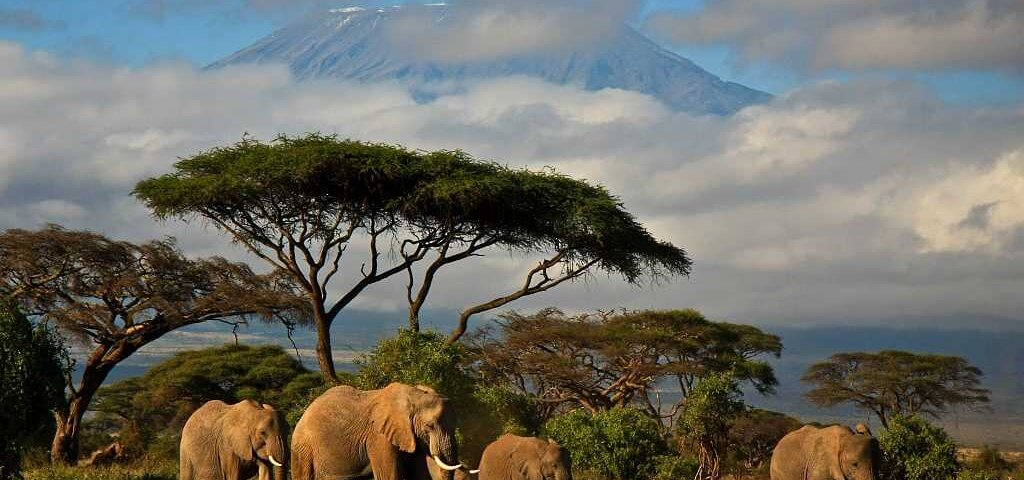
What Are the Best Kenya Safari Parks for Scenic Photography?
Kenya ranks among the world’s most rewarding destinations for scenic and wildlife photography. Its diverse landscapes, dramatic skies, abundant wildlife, and iconic African scenery provide endless opportunities for photographers seeking unforgettable images. From golden savannahs and snow capped mountain backdrops to flamingo filled lakes and rugged wilderness areas, Kenya offers some of the most photogenic safari destinations on the African continent. As a result, many travelers ask an important question: what are the best Kenya safari parks for scenic photography?
The answer depends on the type of photography experience you seek. Some photographers dream of capturing lions at sunrise in the Maasai Mara, while others focus on elephants framed by Mount Kilimanjaro in Amboseli. Many prefer dramatic landscapes, rare wildlife species, colorful birdlife, or remote wilderness settings that provide unique perspectives.
What makes Kenya especially appealing is the variety of photographic opportunities available within a single country. Wildlife photography, landscape photography, cultural photography, bird photography, and conservation storytelling can all be combined into one extraordinary safari adventure. Additionally, Kenya’s year round wildlife viewing and excellent safari infrastructure make it accessible for both amateur and professional photographers.
This guide explores the best Kenya safari parks for scenic photography and explains why these destinations continue to attract photographers from around the world.
Why Kenya Is a Paradise for Scenic Photography
Kenya offers a unique combination of natural elements that create ideal conditions for photography. The country’s diverse ecosystems range from vast grasslands and acacia dotted plains to lakes, forests, mountains, deserts, and coastal environments. This diversity allows photographers to capture a wide variety of scenes during a single journey.
One of Kenya’s greatest strengths involves its spectacular natural light. Early mornings and late afternoons often produce warm golden tones that enhance landscapes and wildlife images. These conditions create dramatic shadows, vibrant colors, and beautiful contrasts that photographers value highly.
Wildlife abundance also contributes significantly to Kenya’s photographic appeal. The country hosts the Big Five, countless bird species, predators, herbivores, and unique endemic animals that provide endless opportunities for compelling wildlife imagery.
Furthermore, Kenya’s open landscapes often make photography easier than in destinations with dense vegetation. Clear sightlines allow photographers to capture wildlife against scenic backdrops without visual obstructions.
Seasonal changes add another dimension to photography. Migration season, green season landscapes, dramatic thunderstorms, and dry season wildlife concentrations each create distinct photographic opportunities.
The combination of remarkable scenery, abundant wildlife, excellent lighting conditions, and professional safari infrastructure makes Kenya one of the finest photography destinations in Africa.
Maasai Mara National Reserve: Kenya’s Most Iconic Photography Destination
The Maasai Mara National Reserve consistently ranks among the best safari parks for scenic photography in Kenya. Its vast open plains, abundant wildlife, dramatic skies, and iconic African landscapes create countless opportunities for extraordinary images.
One of the reserve’s greatest strengths involves its exceptional wildlife density. Photographers regularly encounter lions, cheetahs, leopards, elephants, buffaloes, giraffes, zebras, and numerous antelope species. The abundance of wildlife ensures photographers remain active throughout every game drive.
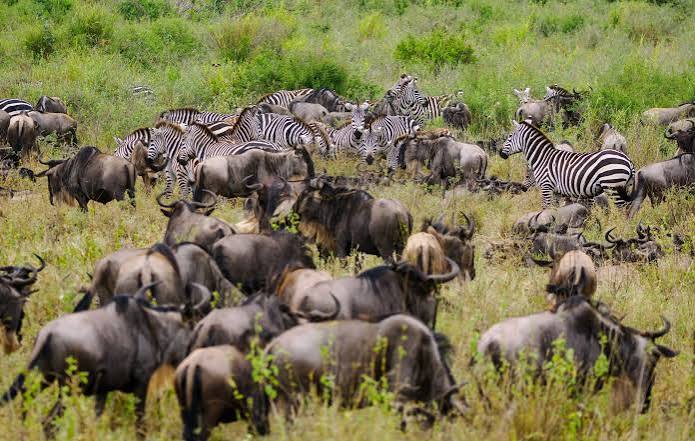
The annual Great Migration elevates the Maasai Mara’s photographic appeal even further. Between July and October, millions of wildebeests and zebras move through the ecosystem, creating spectacular scenes that attract photographers from across the globe. River crossings, predator interactions, and massive herd movements offer world class photography opportunities.
Landscape photography also thrives in the Maasai Mara. Rolling grasslands, scattered acacia trees, golden sunsets, and dramatic cloud formations create timeless African safari images. Sunrise and sunset photography often produce breathtaking results due to the reserve’s expansive horizons.
Many photographers appreciate the Mara’s open terrain, which allows for clean compositions and unobstructed wildlife views. These conditions make it easier to capture animals within their broader environmental context.
For wildlife photographers, nature enthusiasts, and landscape artists alike, the Maasai Mara remains Kenya’s premier destination for scenic photography.
Amboseli National Park: Photography Beneath Mount Kilimanjaro
Amboseli National Park offers one of Africa’s most recognizable photographic settings. The combination of large elephant herds and the majestic silhouette of Mount Kilimanjaro creates images that define the classic African safari experience.
Photographers from around the world visit Amboseli specifically to capture elephants walking across the plains with Africa’s highest mountain rising in the background. These scenes often appear in wildlife documentaries, travel magazines, and conservation campaigns.
The park’s open landscapes enhance visibility and provide excellent conditions for photography. Unlike heavily forested environments, Amboseli allows photographers to observe wildlife across considerable distances while maintaining clear sightlines.
In addition to elephants, the park supports lions, cheetahs, buffaloes, giraffes, zebras, hyenas, and hundreds of bird species. Seasonal wetlands attract large numbers of water birds, creating additional opportunities for bird photography.
Morning photography in Amboseli can be particularly rewarding. Clear skies often reveal spectacular views of Mount Kilimanjaro before afternoon cloud cover develops. Early morning light also creates beautiful conditions for wildlife portraits and landscape compositions.
Dust, reflections, wetlands, and changing weather patterns add variety to photographic opportunities throughout the year. Consequently, photographers often return to Amboseli multiple times to experience different conditions and perspectives.
For travelers seeking iconic African imagery, Amboseli remains one of Kenya’s most photogenic safari destinations.
Lake Nakuru National Park: A Haven for Bird and Landscape Photography
Lake Nakuru National Park offers a completely different photography experience compared to Kenya’s traditional savannah parks. Known for its scenic lake, birdlife, and diverse habitats, the park attracts photographers interested in landscapes, wildlife, and avian photography.
Historically famous for its vast flamingo populations, Lake Nakuru continues to support impressive numbers of water birds throughout the year. Pelicans, cormorants, herons, storks, and numerous migratory species create outstanding opportunities for bird photography.
The lake itself serves as a dramatic photographic centerpiece. Reflections, changing light conditions, and seasonal variations contribute to dynamic landscape compositions. During sunrise and sunset, the lake often produces vibrant colors and striking visual effects.
Lake Nakuru also provides excellent opportunities to photograph endangered rhinos. Both black and white rhinos inhabit the park, giving photographers relatively reliable access to these remarkable animals.
Woodlands, grasslands, rocky escarpments, and shoreline habitats add diversity to photographic subjects. This variety allows photographers to capture multiple ecosystems within a relatively compact area.
The park’s scenic viewpoints offer panoramic perspectives that showcase the lake and surrounding landscapes. These elevated locations prove particularly valuable for wide angle photography and dramatic landscape imagery.
For photographers interested in combining wildlife, birds, and landscapes, Lake Nakuru offers exceptional diversity and visual appeal.
Samburu National Reserve: Unique Wildlife and Dramatic Landscapes
Samburu National Reserve provides one of Kenya’s most distinctive photography experiences. Located in the country’s arid northern region, the reserve features rugged landscapes, unique wildlife species, and striking environmental contrasts.
The Ewaso Ng’iro River forms the lifeblood of the ecosystem and creates beautiful photographic scenes as wildlife gathers along its banks. Palm trees, rocky outcrops, and dry riverine landscapes contribute to Samburu’s unique visual character.
Photographers often visit Samburu to capture species rarely found elsewhere in Kenya. These include Grevy’s zebra, reticulated giraffe, Somali ostrich, Beisa oryx, and gerenuk. The opportunity to photograph these animals adds significant value for wildlife enthusiasts seeking unusual subjects.
Light conditions in Samburu frequently produce dramatic results. The dry environment, warm tones, and expansive skies create stunning sunrise and sunset photography opportunities. Dusty conditions can further enhance images by adding atmosphere and depth.
Predator photography also remains excellent. Lions, leopards, and cheetahs inhabit the reserve, while elephants frequently appear along river corridors. These wildlife encounters occur against distinctive northern Kenyan landscapes that differ substantially from the Maasai Mara.
For photographers seeking unique wildlife and dramatic scenery, Samburu delivers some of Kenya’s most rewarding photographic opportunities.
Tsavo National Parks: Vast Wilderness Photography
Tsavo East and Tsavo West together form one of Africa’s largest protected ecosystems. These parks offer immense landscapes, rugged terrain, volcanic features, and abundant wildlife that appeal to photographers seeking grand wilderness imagery.
The scale of Tsavo creates opportunities to capture wildlife within expansive environmental settings. Rather than focusing solely on animal portraits, photographers can emphasize the relationship between wildlife and landscape.
Tsavo East is famous for its red elephants, which acquire their distinctive appearance from dust bathing in the park’s red volcanic soil. These elephants provide unique photographic subjects found nowhere else in quite the same way.
Tsavo West features dramatic geological formations, lava fields, springs, and mountain views. Mzima Springs, with its crystal clear waters and aquatic wildlife, offers particularly interesting photographic opportunities.
The parks support a wide range of wildlife, including lions, elephants, buffaloes, giraffes, zebras, and numerous bird species. Because visitor numbers often remain lower than in some other parks, photographers frequently enjoy more flexibility at sightings.
Changing weather conditions, dramatic cloud formations, and diverse terrain contribute to the parks’ scenic appeal. For landscape photographers especially, Tsavo offers endless opportunities to create powerful images that convey the scale and beauty of Kenya’s wilderness.
Laikipia Conservancies: Exclusive Photography Experiences
Laikipia has emerged as one of Kenya’s leading destinations for photography focused safaris. Its private conservancies provide exclusive access to wildlife, personalized guiding, and opportunities to photograph species not commonly found elsewhere.
One major advantage involves flexibility. Conservancies often allow off road driving, walking safaris, and night photography experiences that are not available in many national parks. These freedoms enable photographers to pursue creative opportunities and capture unique perspectives.
Wildlife diversity remains exceptional. Photographers frequently encounter elephants, lions, leopards, African wild dogs, Grevy’s zebras, reticulated giraffes, and endangered black rhinos. Many conservancies also support active conservation projects that provide compelling storytelling opportunities.
The landscapes vary from open plains and rolling hills to forested valleys and mountain views. This diversity creates endless possibilities for scenic photography throughout the year.
Professional guides in Laikipia often possess extensive experience working with photographers. Their understanding of wildlife behavior, lighting conditions, and positioning helps guests maximize photographic success.
For serious photographers seeking exclusivity and creative freedom, Laikipia’s conservancies rank among Kenya’s finest safari destinations.
Best Seasons for Scenic Photography in Kenya
While Kenya offers year round photography opportunities, different seasons provide distinct advantages depending on photographic goals.
The dry seasons, typically from June to October and January to March, offer excellent wildlife visibility. Animals concentrate around water sources, vegetation remains shorter, and travel conditions improve significantly. These factors create favorable conditions for wildlife photography.
Migration season, particularly between July and October, provides exceptional opportunities in the Maasai Mara. Massive herds, predator interactions, and dramatic river crossings attract photographers from around the world.
The green seasons bring different advantages. Fresh vegetation, colorful landscapes, newborn animals, migratory birds, and dramatic skies create stunning photographic possibilities. Fewer visitors also mean less competition at wildlife sightings.
Bird photographers often prefer periods when migratory species arrive in Kenya, while landscape photographers may favor seasons with dramatic weather patterns and vibrant scenery.
Ultimately, each season offers unique creative opportunities. The best time to visit depends largely on individual photographic interests and preferred subjects.
How to Choose the Best Safari Park for Photography
Choosing the right safari park depends on your photography goals and interests. Wildlife photographers often prioritize destinations with high animal densities and predator activity, such as the Maasai Mara. With Giant Holiday Safaris, travelers gain access to prime locations and expert guidance that maximize photographic opportunities.
Travelers interested in iconic landscapes may prefer Amboseli due to its spectacular Mount Kilimanjaro backdrop. Bird photographers frequently choose Lake Nakuru, while those seeking rare species often select Samburu or Laikipia. Giant Holiday Safaris designs itineraries that align with these specific photography interests, ensuring every shot is meaningful.
Photography style also matters. Landscape photographers may appreciate the vast wilderness of Tsavo, while conservation storytellers often gravitate toward conservancies where conservation initiatives play a prominent role. Giant Holiday Safaris provides specialized photography safaris with guides who understand animal behavior, lighting, and positioning.
Consider the season, accommodation options, accessibility, and available photography-focused safari services. Many operators offer specialized photography safaris with expert guides, modified vehicles, and customized itineraries. With Giant Holiday Safaris, travelers enjoy seamless logistics and tailored experiences that elevate their photography results.
By matching destinations with photographic objectives, travelers can maximize opportunities and create a portfolio that reflects Kenya’s incredible natural diversity.
Conclusion
For travelers asking what are the best Kenya safari parks for scenic photography, the country offers an extraordinary collection of destinations that cater to every photographic interest. From the wildlife rich plains of the Maasai Mara and the iconic landscapes of Amboseli to the birdlife of Lake Nakuru, the rugged beauty of Samburu, the vast wilderness of Tsavo, and the exclusive conservancies of Laikipia, Kenya provides endless opportunities for remarkable photography.
Each destination offers unique perspectives, distinctive wildlife, and stunning scenery that inspire creativity and reward patience. Whether capturing dramatic migration scenes, elephants beneath Mount Kilimanjaro, rare northern species, colorful birdlife, or sweeping landscapes, photographers find exceptional subjects throughout the country.
The best Kenya safari parks for scenic photography combine breathtaking environments, abundant wildlife, and excellent safari infrastructure to create unforgettable experiences. For photographers seeking to document Africa’s beauty, Kenya remains one of the most rewarding destinations in the world. With Giant Holiday Safaris, every photography safari is customized to deliver powerful imagery, expert guidance, and unforgettable encounters with Kenya’s wilderness.
Combined Uganda, Kenya, Rwanda and Tanzania Safaris
17 days Kenya Tanzania and Uganda safari
19 Days Uganda Kenya and Tanzania Safari
16 Days Kenya Tanzania and Uganda Safari
14 Days Kenya Uganda and Tanzania Safari
14 Days Kenya Uganda and Rwanda Safari