What are the best affordable Kenya safari packages?
August 31, 2026
What is the best Kenya safari for solo travelers?
August 31, 2026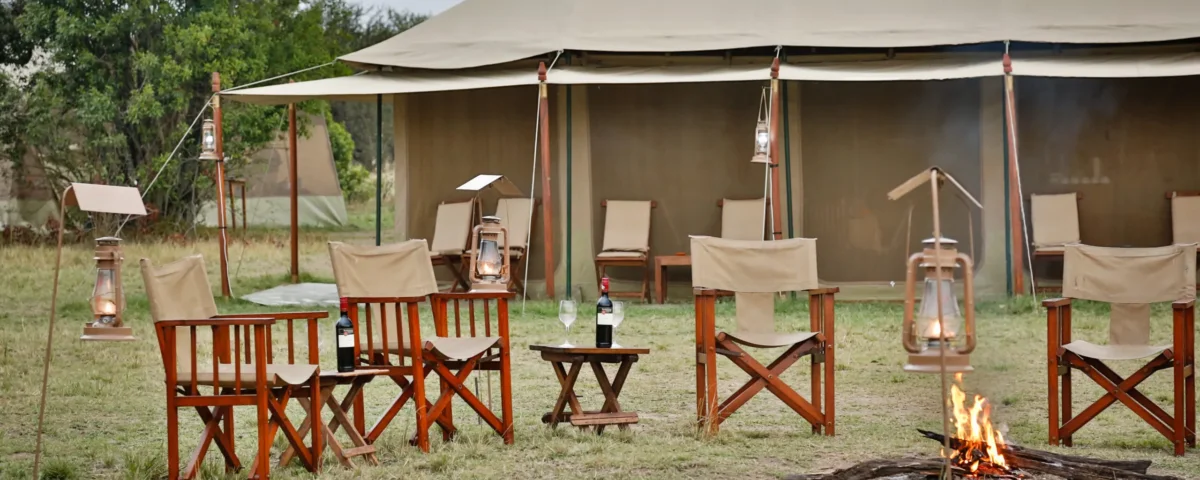
What Are the Best Safari Camps Near Wildlife Migration Routes?
Wildlife migration ranks among Africa’s most remarkable natural events. Across vast grasslands, rivers, woodlands, and open plains, millions of animals move in search of fresh pasture and water. The famous Great Migration in East Africa attracts travelers from around the world because it offers opportunities to witness huge herds of wildebeest, zebras, and other wildlife moving through some of Africa’s most celebrated conservation areas. However, choosing the right safari camp can make a major difference in how you experience this spectacle.
The best safari camps near wildlife migration routes place travelers close to areas where animals regularly pass, gather, cross rivers, or stop to feed. Location matters because migration patterns change throughout the year. A camp that offers excellent sightings during one month may sit far from the main herds several weeks later. Therefore, experienced safari planning focuses not only on luxury, comfort, or scenery but also on seasonal wildlife movements.
For international travelers, the strongest safari experience combines strategic location with responsible tourism, knowledgeable guides, comfortable accommodation, and reliable access to wildlife areas. Camps in Kenya’s Maasai Mara and Tanzania’s Serengeti remain especially important because both ecosystems form part of the larger Mara-Serengeti landscape. Nevertheless, travelers can also explore quieter conservancies and private reserves that provide excellent wildlife viewing with fewer vehicles.
Understanding these differences helps you choose a safari camp that matches your travel dates, budget, interests, and preferred level of comfort. More importantly, it allows you to experience migration as a living natural process rather than simply as a scheduled tourist event.
Combined Uganda, Kenya, Rwanda and Tanzania Safaris
17 days Kenya Tanzania and Uganda safari
19 Days Uganda Kenya and Tanzania Safari
16 Days Kenya Tanzania and Uganda Safari
14 Days Kenya Uganda and Tanzania Safari
14 Days Kenya Uganda and Rwanda Safari
12 Day Gorilla Trekking and Tanzania Safari
Why Location Matters When Choosing a Migration Safari Camp
Location stands as one of the most important factors when selecting accommodation for a wildlife migration safari. The migration does not follow a fixed timetable, and the animals do not move according to human schedules. Instead, rainfall, grass conditions, water availability, temperature, and other environmental factors influence their movements. Consequently, a camp positioned near a productive grazing area can provide outstanding wildlife encounters while another property farther away may require long daily drives.
For this reason, travelers should look beyond the words “migration safari” when comparing camps. Study the camp’s exact location, nearby wildlife areas, seasonal movements, and access routes. A property located inside or close to a major wildlife corridor can reduce driving time and give you more hours in the field. This advantage becomes particularly valuable during river-crossing periods when timing can strongly influence the quality of a game drive.
In the Maasai Mara, camps located around key migration areas can provide access to regions where large herds gather during the dry season. Meanwhile, camps in the northern Serengeti can become particularly attractive when migrating herds move toward the Mara River and northern Tanzania. Southern Serengeti camps offer a different advantage during the calving season when large numbers of wildebeest gather around the Ndutu area.
Location also affects the overall character of your safari. Some camps offer immediate access to busy wildlife zones, while others provide a quieter experience in private conservancies. Therefore, the best camp depends on more than proximity alone. You should consider what type of safari you want to experience and how closely the camp aligns with the seasonal migration pattern.
Best Safari Camps in Kenya Near the Maasai Mara Migration Routes
Kenya’s Maasai Mara remains one of the most recognized destinations for witnessing the annual wildebeest migration. The Mara forms the northern extension of the Serengeti ecosystem, creating an important seasonal range for migrating herds. During the months when large herds enter Kenya, the region can offer extraordinary concentrations of wildebeest, zebra, antelope, elephants, lions, cheetahs, and other wildlife.
Several camps around the Maasai Mara provide strategic access to migration areas. Camps located near the Mara River can become especially valuable when herds gather around river crossings. However, travelers should understand that no responsible operator can guarantee a crossing on a specific day or at a specific time. Wildlife follows natural conditions, and patience remains essential.
Properties in and around private conservancies can also offer a more exclusive experience. These areas often limit the number of vehicles and may provide additional activities such as guided walking safaris or night drives where regulations permit. As a result, travelers can experience the Mara ecosystem beyond the traditional daytime game-drive format.
The ideal Kenyan camp also depends on your travel priorities. If your main goal involves watching migration river crossings, prioritize camps with strong access to the relevant river areas during your travel dates. If you prefer broader wildlife viewing and fewer vehicles, consider a camp in a conservancy bordering the main reserve.
Equally important, select camps that demonstrate responsible environmental practices and meaningful engagement with local communities. Sustainable tourism protects wildlife habitats while helping surrounding communities benefit from conservation. This approach strengthens the long-term future of the Mara ecosystem and creates a more responsible safari experience for international visitors.
Best Safari Camps in Tanzania Near the Serengeti Migration Routes
Tanzania offers some of the most important habitats within the Great Migration ecosystem. The Serengeti stretches across a vast landscape, and different regions become important at different stages of the year. Therefore, choosing a Serengeti safari camp requires careful attention to seasonal movement rather than simply selecting the most famous property.
Southern Serengeti and the Ndutu region become especially significant during the calving season. Large herds gather on nutrient-rich plains, creating excellent opportunities to watch newborn wildebeest and the predators that follow them. Lions, cheetahs, hyenas, and other predators take advantage of the abundance of vulnerable young animals. Consequently, travelers visiting this region during the right period can experience one of the most intense wildlife spectacles in Africa.
As the year progresses, the herds gradually move northward. Camps in central and western Serengeti can provide excellent wildlife experiences along different stages of the migration. Northern Serengeti becomes particularly attractive when herds approach the Mara River and areas near the Kenyan border.
A major advantage of staying in strategically positioned camps involves reducing unnecessary travel. The Serengeti covers an enormous area, so a camp located far from the current wildlife concentration can require several hours of driving. By matching your accommodation to the expected migration zone, you maximize your time observing wildlife.
Tanzania also offers a wide range of accommodation, from luxury tented camps to comfortable mobile camps that move with seasonal wildlife patterns. Mobile camps can provide a particularly strong advantage for travelers who want accommodation positioned close to changing migration routes. They combine the atmosphere of traditional tented safari accommodation with a location strategy designed around wildlife movements.
Mobile Safari Camps for Following the Great Migration
Mobile safari camps offer one of the most practical ways to experience wildlife migration because they can change location as seasonal wildlife movements develop. Unlike permanent lodges that remain in one place throughout the year, mobile camps can operate in different areas during different seasons. This flexibility makes them attractive to travelers who want their accommodation to remain closely connected to the migration.
The concept works especially well in the Serengeti ecosystem, where the herds travel across enormous distances. Instead of spending long hours driving from a permanent lodge to reach wildlife, travelers staying in a well-positioned mobile camp may begin their game drive much closer to the action.
However, mobile does not mean basic. High-quality mobile safari camps can provide comfortable beds, private bathrooms, dining areas, professional guiding, and excellent hospitality. The experience also creates a stronger connection with the natural environment because travelers stay in lightweight camps that blend into the surrounding landscape.
Another important benefit involves exclusivity. Mobile camps often accommodate fewer guests than large permanent lodges. Therefore, travelers can enjoy a more intimate safari atmosphere. Small groups also allow guides to adapt game drives more easily according to wildlife activity and guest interests.
Nevertheless, travelers should check the camp’s operating dates and planned location before booking. A mobile camp may move between seasonal sites, and the exact location can influence your experience significantly. A reputable safari operator should explain where the camp will operate during your travel period and how that location connects with expected wildlife movements.
Safari Camps Near Mara River Crossing Areas
The Mara River crossings represent one of the most dramatic moments associated with the Great Migration. Thousands of wildebeest and zebras may gather near the river, creating intense anticipation as herds search for safe crossing points. The sight can become spectacular, but river crossings also demonstrate why wildlife safaris require patience and realistic expectations.
Camps near important Mara River areas can provide a major logistical advantage. Early access to the surrounding plains may allow your guide to reach promising wildlife areas before some vehicles arrive from distant properties. This can increase your chances of finding herds gathering near crossing points.
However, proximity alone does not guarantee a crossing. Herds may remain beside the river for hours or days before moving. Sometimes they approach the water and suddenly turn back. At other times, they cross quickly with little warning. Therefore, experienced safari guides remain essential because they understand animal behavior, terrain, weather patterns, and seasonal movements.
Travelers should also consider how camps manage vehicle numbers and wildlife viewing. Responsible operators maintain appropriate distances from animals and avoid creating unnecessary pressure around sensitive crossing sites. Ethical wildlife viewing protects both the animals and the quality of the experience.
When selecting a camp near the Mara River, look for strong guiding standards, convenient access, comfortable accommodation, and a clear commitment to conservation. A good camp does not simply place you near wildlife. It helps you understand the ecosystem while allowing animals to behave naturally.
How to Choose the Best Migration Camp for Your Travel Dates
Your travel dates should influence your safari camp selection from the beginning. The Great Migration operates as a continuous ecological cycle rather than a single event that happens on one fixed date each year. Therefore, planning your accommodation around the expected seasonal location of the herds produces a stronger safari experience.
For travelers visiting during the calving season, southern Serengeti and the Ndutu area often provide a strong choice. Later in the year, central Serengeti may become more relevant as herds move through different grazing areas. Northern Serengeti and the Maasai Mara become particularly important during the period when herds move toward and across the northern part of the ecosystem.
Weather patterns can also affect wildlife movements. Rainfall may arrive earlier or later than expected, and changing environmental conditions can influence the timing of migration. Consequently, no responsible safari professional should promise an exact animal location months in advance.
Instead, travelers should select operators with strong local knowledge and flexible planning. A knowledgeable safari team can monitor seasonal conditions and recommend camps based on the most likely wildlife movements during the travel period.
Also consider the length of your safari. A longer trip gives you more flexibility and increases your opportunity to encounter different wildlife habitats. For example, combining two camps in different regions can provide broader coverage than staying in one location throughout the journey.
Finally, balance migration goals with other interests. If you enjoy big cats, elephants, birdwatching, cultural experiences, photography, or walking safaris, the best camp may not always be the one closest to a river crossing. A well-designed itinerary should combine your main priorities into one coherent experience.
Luxury Safari Camps Near Wildlife Migration Routes
Luxury safari camps provide travelers with an opportunity to experience migration while enjoying high standards of comfort. However, luxury should involve more than elegant tents, gourmet meals, and beautiful furnishings. The strongest luxury safari experience combines comfort with exceptional location, guiding, service, privacy, conservation, and authentic connection to the wilderness.
Luxury camps near migration routes can offer spacious accommodation, private viewing areas, excellent dining, and personalized safari planning. Some properties also provide private vehicles, allowing guests greater flexibility during game drives. This feature can prove particularly useful when tracking migrating herds because wildlife activity does not always follow a predictable schedule.
Privacy represents another major benefit. Private conservancies and carefully managed camps can provide a quieter atmosphere than heavily visited areas. Travelers can spend more time observing wildlife without feeling surrounded by large groups.
At the same time, luxury travelers should evaluate sustainability. High-end tourism can support conservation when camps employ local staff, source supplies responsibly, reduce environmental impact, and contribute to surrounding communities. These practices strengthen the destinations that make luxury safari experiences possible.
Location remains the deciding factor, however. A beautiful camp far from the current migration zone may provide exceptional hospitality but require lengthy drives every day. Therefore, combine accommodation quality with seasonal positioning when making your choice.
For international travelers investing significantly in an African safari, this balanced approach provides better value. You are not simply purchasing a room in the wilderness. You are investing in access, expertise, comfort, conservation, and a carefully managed wildlife experience.
Budget-Friendly Camps Near Migration Routes
A migration safari does not always require an ultra-luxury budget. Travelers can find comfortable tented camps and well-positioned properties that provide excellent access to wildlife without the highest accommodation rates. The key involves understanding which features directly improve the safari experience and which features simply increase the price.
Budget-conscious travelers should prioritize location, guiding quality, park access, meals, transport arrangements, and the overall reputation of the safari operator. A modest camp located near productive wildlife areas can provide better safari value than an expensive property that requires long drives to reach the animals.
Tented camps can offer particularly good value. Many provide comfortable beds, private or shared facilities depending on the property, dining areas, and professional safari services. Some seasonal camps also move according to wildlife patterns, giving travelers strategic access without the cost associated with large permanent lodges.
Travelers can also improve value by choosing longer stays at fewer camps. Frequent transfers can increase transport costs and reduce time spent enjoying the destination. Staying several nights in one strategically located camp often creates a more relaxed and rewarding experience.
Another important consideration involves park and conservancy fees. These costs contribute to conservation and should form part of your total safari budget. A responsible safari plan should present all major costs clearly before travel.
Ultimately, affordable does not have to mean poor quality. With careful planning, travelers can experience the migration comfortably while supporting conservation and local tourism economies.
Responsible Tourism and Conservation Around Migration Camps
Responsible tourism plays a critical role in protecting migration routes for future generations. The Great Migration depends on connected ecosystems that cross protected areas, community lands, rivers, grasslands, and wildlife corridors. If these habitats become fragmented, animals may lose access to essential feeding and breeding areas.
Safari camps can contribute positively when they operate with strong environmental standards. Solar power, responsible waste management, water conservation, local employment, and careful camp construction can reduce environmental pressure. Furthermore, camps that support nearby communities help create economic incentives for protecting wildlife habitats.
Travelers also have an important role. Choosing ethical safari operators encourages responsible business practices throughout the tourism industry. During game drives, guests should follow guide instructions, maintain safe distances from animals, avoid loud behavior, and never encourage drivers to chase wildlife for photographs.
Photography deserves special attention around migration areas. The desire to capture a dramatic river-crossing photograph should never take priority over animal welfare. Skilled guides understand how to position vehicles without blocking natural movement or creating unnecessary stress.
Community partnerships also strengthen conservation. Many successful tourism models connect safari income with local employment, education, healthcare initiatives, conservation programs, or community enterprises. As a result, tourism becomes part of a wider system that protects wildlife while improving livelihoods.
Choosing a responsible camp therefore benefits more than the traveler. It supports the landscapes, animals, guides, communities, and conservation programs that sustain African tourism. That broader impact should form an important part of every migration safari decision.
Final Thoughts: Planning a Wildlife Migration Safari With Confidence
Choosing the best safari camp near a wildlife migration route requires more than selecting a highly rated lodge. The most important factors include seasonal wildlife movements, location, guiding expertise, accessibility, accommodation quality, conservation standards, and the type of experience you want to create. Because migration patterns change naturally, travelers should avoid operators that promise guaranteed sightings or exact crossing dates.
Instead, choose a safari plan built around realistic seasonal knowledge and flexible decision-making. Whether you prefer a luxury lodge, an intimate tented camp, a mobile camp, a private conservancy, or a more affordable property, the right accommodation should place you in a strong position to experience the ecosystem without compromising animal welfare.
A well planned migration safari also extends beyond the animals. It introduces travelers to African landscapes, conservation work, local communities, professional guides, and the remarkable ecological relationships that keep these ecosystems alive.
For travelers seeking reliable planning, local expertise, responsible tourism, and carefully selected wildlife experiences, Giant Holiday Safaris can serve as a trusted tour operator for exploring Africa. With the right planning approach, your migration safari can become more than a wildlife trip. It can become a meaningful journey into one of the world’s greatest natural ecosystems.