Which Kenya Safaris Are Most Affordable?
July 21, 2026
Which Safari Parks in Kenya Are Worth Visiting in 2026?
July 21, 2026
What Are the Best Safari Destinations for Repeat Travelers?
What Are the Best Safari Destinations for Repeat Travelers? Many people dream about going on an African safari at least once. However, the first safari often creates a stronger desire to return. Every journey reveals something new, and no two safaris ever feel exactly the same. The changing seasons, wildlife movements, landscapes, and cultural experiences make Africa a destination that rewards every return visit. Instead of repeating the same adventure, experienced travelers can explore new ecosystems, discover rare wildlife, and enjoy different styles of safari across the continent.
Repeat travelers usually look beyond the famous wildlife sightings. They want deeper experiences, fewer crowds, exclusive camps, expert guides, and opportunities to connect with local communities. They also seek destinations that offer unique wildlife behaviors, hidden conservation areas, and diverse habitats that reveal a different side of Africa. Fortunately, the continent offers countless opportunities for travelers who have already experienced their first safari.
This guide highlights the best safari destinations for repeat travelers. Each location delivers something unique while offering unforgettable wildlife encounters and meaningful cultural experiences. Whether you want to photograph elusive predators, witness seasonal migrations, track endangered species, or explore remote wilderness, these destinations continue to inspire travelers who keep returning to Africa. By choosing a different safari region each time, you can build a lifetime of extraordinary adventures while gaining a deeper appreciation for Africa’s remarkable natural heritage.
Combined Uganda, Kenya, Rwanda and Tanzania Safaris
17 days Kenya Tanzania and Uganda safari
19 Days Uganda Kenya and Tanzania Safari
16 Days Kenya Tanzania and Uganda Safari
14 Days Kenya Uganda and Tanzania Safari
14 Days Kenya Uganda and Rwanda Safari
12 Day Gorilla Trekking and Tanzania Safari
Why Repeat Travelers Choose Different Safari Destinations
Returning to Africa opens the door to experiences that many first-time visitors never imagine. Instead of visiting the same parks repeatedly, seasoned safari enthusiasts often choose destinations that offer new wildlife, landscapes, and conservation stories. Every ecosystem presents its own rhythm, making each journey completely different from the last.
For example, East Africa features vast open plains where millions of animals migrate across breathtaking landscapes. Southern Africa offers river safaris, luxury private reserves, and excellent opportunities to observe predators. Central Africa provides dense rainforests where travelers can encounter mountain gorillas and forest elephants. Meanwhile, lesser-known regions reward adventurous visitors with peaceful game drives and fewer crowds.
Wildlife also behaves differently throughout the year. Predators follow migrating herds, birds arrive during seasonal migrations, and newborn animals appear during specific months. As a result, repeat travelers often plan their trips around unique wildlife events instead of simply revisiting familiar places.
Another important reason involves personal growth. Travelers gradually develop stronger wildlife knowledge and photography skills. They become interested in conservation projects, ecological research, and local cultures. Therefore, returning to Africa becomes more than another vacation. It becomes an opportunity to deepen knowledge, support sustainable tourism, and create meaningful memories that continue to grow with every safari.
Botswana The Ultimate Luxury Wilderness Safari
Botswana remains one of Africa’s finest safari destinations for experienced travelers who value untouched wilderness and exceptional wildlife viewing. The country protects vast areas of pristine habitat while maintaining strict tourism policies that limit visitor numbers. As a result, guests enjoy peaceful game drives without large crowds.
The Okavango Delta stands out as Botswana’s greatest natural wonder. Every year, floodwaters transform the desert into a lush oasis filled with wildlife. Traditional mokoro canoe safaris allow travelers to glide silently through winding channels while watching elephants, hippos, crocodiles, and colorful birds from a unique perspective.
Chobe National Park offers another unforgettable experience. Massive elephant herds gather along the Chobe River, creating some of Africa’s most impressive wildlife spectacles. Boat safaris provide excellent opportunities to observe animals drinking, swimming, and interacting along the riverbanks.
For travelers seeking exclusive encounters, private concessions surrounding the delta offer walking safaris, night drives, and off-road wildlife tracking. These activities allow experienced visitors to observe nocturnal animals and elusive predators that remain difficult to find in national parks.
Botswana also demonstrates strong leadership in conservation. Sustainable tourism supports wildlife protection while preserving fragile ecosystems for future generations. Consequently, repeat travelers enjoy world-class safari experiences while contributing to long-term conservation efforts that benefit both wildlife and local communities.
Zambia – The Birthplace of Walking Safaris
Zambia offers one of Africa’s most authentic safari experiences, especially for travelers looking beyond traditional game drives. The country pioneered the concept of walking safaris, allowing visitors to experience nature from ground level under the guidance of highly trained professionals.
South Luangwa National Park remains Zambia’s most famous safari destination. The park supports healthy populations of leopards, lions, elephants, wild dogs, and countless bird species. Walking through the bush encourages travelers to notice animal tracks, insects, plants, and smaller creatures that often receive little attention during vehicle safaris.
Unlike busier safari destinations, Zambia maintains a peaceful atmosphere. Visitors often spend hours exploring without encountering other safari vehicles. This quiet environment creates more natural wildlife encounters while enhancing the sense of adventure.
The Lower Zambezi National Park adds another dimension through canoe safaris along the mighty Zambezi River. Paddling past elephants, hippos, crocodiles, and abundant birdlife creates unforgettable memories while offering outstanding photographic opportunities.
Repeat travelers also appreciate Zambia’s knowledgeable guides. Years of field experience allow these professionals to explain animal behavior, ecology, and conservation in remarkable detail. Their expertise transforms each safari into an educational experience rather than simply a wildlife viewing trip.
For visitors seeking deeper connections with nature, Zambia delivers unforgettable adventures that combine excitement, learning, and responsible tourism.
Kenya – Beyond the Famous Maasai Mara
Many travelers associate Kenya with the Maasai Mara, yet the country offers far more than its world-famous migration. Repeat visitors often discover lesser-known parks and conservancies that reveal Kenya’s incredible ecological diversity.
The private conservancies surrounding the Maasai Mara provide exclusive wildlife experiences with significantly fewer visitors. Guests enjoy off-road game drives, guided walks, and night safaris that remain unavailable inside the national reserve. These activities allow experienced safari travelers to observe wildlife from fresh perspectives.
Amboseli National Park attracts photographers seeking iconic images of elephants walking beneath Mount Kilimanjaro. Samburu National Reserve introduces visitors to rare northern species such as the Grevy’s zebra, reticulated giraffe, Somali ostrich, Beisa oryx, and gerenuk.
Laikipia Conservancy showcases Kenya’s conservation success through partnerships between wildlife organizations and local communities. The region protects endangered species while supporting sustainable tourism that benefits nearby residents.
Kenya also delivers rich cultural experiences. Travelers can visit Maasai villages, learn traditional customs, and understand how local communities participate in wildlife conservation. These interactions create meaningful connections that extend beyond wildlife photography.
Because Kenya combines diverse ecosystems, strong conservation initiatives, luxury accommodations, and authentic cultural experiences, it continues to attract experienced safari enthusiasts eager to discover something new during every return visit.
Tanzania – Endless Wildlife and Remote Adventures
Tanzania continues to impress repeat safari travelers because it combines famous wildlife spectacles with remote wilderness areas. Although many visitors begin with the Serengeti National Park, experienced travelers soon discover numerous other remarkable destinations across the country.
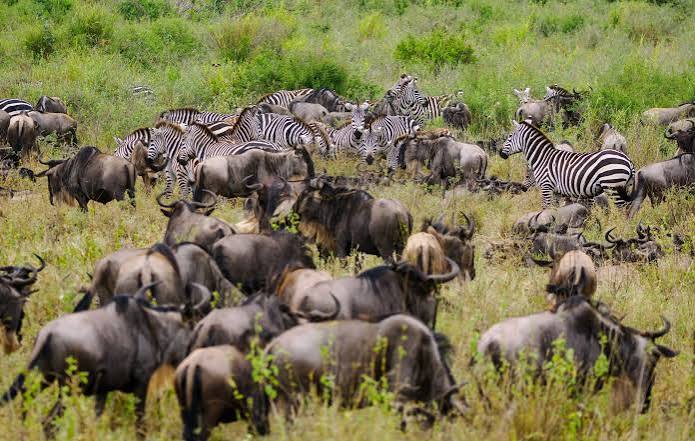
The Serengeti changes dramatically throughout the year. Different regions host migrating herds during different seasons, allowing repeat visitors to witness completely different migration stages. One visit may focus on dramatic river crossings, while another highlights the calving season, when thousands of newborn wildebeest attract large predator populations.
Ruaha National Park offers a quieter safari experience with exceptional lion prides, elephants, leopards, and African wild dogs. Since visitor numbers remain relatively low, travelers often enjoy uninterrupted wildlife encounters throughout the day.
Nyerere National Park, formerly part of the Selous Game Reserve, provides boat safaris, walking safaris, and expansive wilderness rarely explored by mass tourism. This enormous protected area supports remarkable biodiversity while maintaining its wild character.
The Ngorongoro Conservation Area adds another unforgettable dimension. The volcanic crater contains an incredible concentration of wildlife within a relatively small area, making every game drive highly rewarding.
Tanzania’s wide range of landscapes, abundant wildlife, professional guides, and commitment to conservation ensure that every return visit reveals new discoveries. Travelers never feel limited because each region presents unique ecosystems, animal behaviors, and safari experiences.
Namibia – A Safari Unlike Any Other
Namibia offers one of Africa’s most distinctive safari experiences because its landscapes differ dramatically from traditional savannah destinations. Vast deserts, towering dunes, rocky mountains, and dry riverbeds create unforgettable scenery while supporting surprisingly diverse wildlife.
Etosha National Park forms the heart of Namibia’s safari tourism. Instead of dense vegetation, the park features expansive salt pans surrounded by waterholes that attract wildlife throughout the dry season. Visitors often observe elephants, lions, rhinos, giraffes, zebras, and numerous antelope species gathering in one location.
Desert-adapted elephants and lions provide another unique attraction. These remarkable animals have developed special survival strategies that allow them to thrive in harsh desert conditions. Watching them navigate arid environments offers an entirely different safari experience.
Namibia also excels in self-drive tourism. Excellent roads, reliable infrastructure, and well-managed parks allow independent travelers to explore at their own pace. Experienced safari enthusiasts often appreciate the freedom to design personalized itineraries across multiple regions.
Beyond wildlife, Namibia delivers extraordinary landscapes that captivate photographers. Sunrise and sunset transform the desert into vibrant displays of orange, red, and gold, creating breathtaking opportunities for landscape photography.
Repeat travelers value Namibia because it combines wildlife, adventure, solitude, and dramatic natural beauty into one unforgettable destination that feels completely different from any other African safari.
Uganda and Rwanda – Exceptional Primate Safaris
Many repeat safari travelers eventually seek wildlife experiences beyond the traditional Big Five. Uganda and Rwanda offer unforgettable opportunities to observe endangered mountain gorillas and chimpanzees within lush tropical forests.
Gorilla trekking ranks among Africa’s most emotional wildlife experiences. Small guided groups hike through mist-covered forests until they encounter gorilla families living freely in their natural habitat. Spending one hour observing these gentle giants creates memories that remain vivid for a lifetime.
Uganda offers additional diversity through chimpanzee tracking in Kibale Forest National Park, game drives in Queen Elizabeth National Park, and boat cruises along the Kazinga Channel. This combination allows travelers to enjoy both traditional safari wildlife and extraordinary primate encounters within one journey.
Rwanda provides a premium gorilla trekking experience in Volcanoes National Park. Well-organized tourism, excellent infrastructure, and strong conservation efforts make the country particularly attractive for travelers seeking luxury experiences alongside meaningful wildlife encounters.
Both countries demonstrate how tourism supports conservation. Gorilla permits directly fund habitat protection, veterinary care, community development, and anti-poaching initiatives. Consequently, visitors contribute to preserving one of the world’s most endangered species while supporting nearby communities.
For repeat travelers searching for emotional connections with wildlife, few experiences equal standing just a few meters away from a family of wild mountain gorillas.
South Africa – Diverse Experiences in One Destination
South Africa continues to attract repeat safari travelers because it combines exceptional wildlife viewing with outstanding infrastructure, world class hospitality, and remarkable travel diversity. Visitors can easily combine safari adventures with coastal escapes, wine regions, historical attractions, and vibrant cities.
Kruger National Park remains one of Africa’s greatest wildlife destinations. The park supports healthy populations of the Big Five along with hundreds of bird species and numerous smaller mammals. Every visit offers different wildlife encounters due to changing seasons and animal movements.
Private reserves bordering Kruger elevate the safari experience even further. Guests enjoy exclusive game drives, luxury lodges, expert trackers, and off-road wildlife viewing that allows close observation of predators and elusive animals.
South Africa also appeals to photographers. Diverse habitats support a wide variety of species, creating endless opportunities for stunning wildlife images. In addition, excellent road networks make self-drive safaris convenient for experienced travelers who prefer flexibility.
Beyond wildlife, visitors can explore Cape Town, the Cape Winelands, the Garden Route, and the dramatic coastline. This variety transforms one safari vacation into a comprehensive African travel experience.
Because South Africa balances wildlife, comfort, accessibility, and cultural richness, many travelers return multiple times while exploring different regions during each visit.
How to Choose Your Next Safari Destination
Selecting your next safari destination depends on your interests, travel style, and previous experiences. Rather than repeating identical itineraries, focus on destinations that introduce new wildlife, activities, and landscapes.
Photography enthusiasts may prefer Botswana’s waterways or Namibia’s dramatic desert scenery. Adventure seekers often choose Zambia for walking safaris or Uganda for gorilla trekking. Birdwatchers may enjoy Tanzania’s wetlands or Botswana’s seasonal floodplains, where hundreds of bird species thrive.
The time of year also influences wildlife viewing. Research seasonal migrations, breeding periods, rainfall patterns, and climate before planning your journey. Different months reveal unique animal behaviors that can completely transform your safari experience.
Accommodation preferences matter as well. Some travelers enjoy luxury tented camps with personalized service, while others prefer remote bush camps that emphasize wilderness immersion. Fortunately, Africa offers options for every style of traveler.
Supporting responsible tourism should remain an important consideration. Choose operators that protect wildlife, employ local communities, reduce environmental impact, and contribute to conservation initiatives. Responsible travel strengthens local economies while preserving Africa’s natural heritage for future generations.
By carefully matching your interests with the right destination, every safari becomes a fresh adventure rather than a repeat of previous journeys.
Conclusion
Africa rewards travelers who return again and again. Every safari introduces new wildlife encounters, breathtaking landscapes, fascinating cultures, and valuable conservation stories. Instead of repeating familiar experiences, experienced travelers can discover completely different ecosystems across the continent from Botswana’s floodplains and Zambia’s walking safaris to Namibia’s deserts and Uganda’s mountain gorillas.
Each destination offers its own personality, wildlife highlights, and unforgettable moments. Some focus on remote wilderness, while others combine luxury with conservation or cultural experiences. Together, these destinations showcase the incredible diversity that makes Africa one of the world’s greatest travel regions.
Repeat safari travelers often develop a deeper appreciation for wildlife, local communities, and sustainable tourism. Every journey builds greater knowledge while supporting conservation efforts that protect endangered species and fragile ecosystems. Trusted operators such as Giant Holiday Safaris ensure these experiences are not only memorable but also responsible, contributing to conservation and community empowerment.