Animal Behaviour on Kenya Safaris
April 27, 2026
Wildlife Conservation Projects in Kenya
April 27, 2026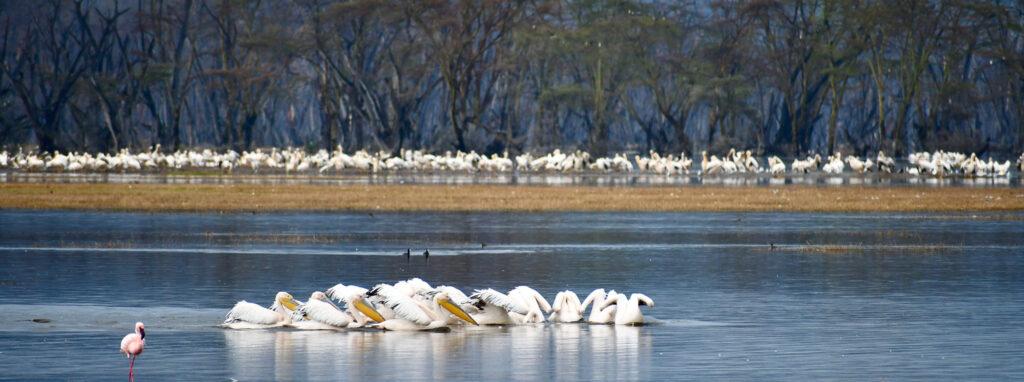
Seasonal Wildlife Viewing in Kenya
Seasonal Wildlife Viewing in Kenya: Kenya stands among Africa’s greatest wildlife destinations because every season creates a different safari story. This remarkable country offers year-round wildlife experiences, yet each month brings unique animal movements, weather patterns, and viewing opportunities. For travelers who want more than a basic safari, understanding Kenya’s seasonal wildlife changes creates deeper, richer, and more rewarding adventures.
Kenya’s diverse ecosystems include savannahs, wetlands, mountains, deserts, forests, and lakes. These landscapes shape when and where animals gather. Rainfall patterns influence migration, breeding, predator action, and bird activity. Therefore, travelers who understand the seasons can plan better and experience wildlife at its finest.
Seasonal wildlife viewing in Kenya goes far beyond choosing a travel date. It helps visitors witness dramatic events like the Great Migration in Maasai Mara, elephant gatherings in Amboseli, flamingo movements in Rift Valley lakes, and calving seasons across open plains. Every season offers different strengths, from thrilling predator encounters to lush green landscapes filled with newborn animals.
Kenya’s safari appeal also grows because no single season feels empty. Dry months create easier game spotting as animals gather near water sources, while green seasons bring vibrant scenery, fewer crowds, and excellent birdwatching. This variety makes Kenya one of Africa’s most flexible safari destinations.
For global travelers, tour planners, and wildlife enthusiasts, mastering Kenya’s seasonal rhythms unlocks unforgettable experiences. It transforms a safari from sightseeing into strategic exploration. Kenya’s wildlife calendar offers something extraordinary in every season, making it a trusted destination for authentic African safari excellence.
Seasonal Wildlife Viewing in Kenya: Dry Season Safari in Kenya,Prime Time for Big Game Viewing
Kenya’s dry season, which usually runs from June to October, offers some of the best wildlife viewing in Africa. During these months, rainfall decreases, vegetation becomes thinner, and animals gather around rivers, waterholes, and permanent water sources. This natural concentration creates exceptional game viewing opportunities.
The dry season improves visibility because grass becomes shorter and bushes lose density. Safari travelers can spot lions resting under acacia trees, elephants moving toward water, and leopards navigating open terrain with greater ease. Predators also become more active around watering points since prey species have fewer places to hide.
This season also hosts the world-famous Great Migration in Maasai Mara. Millions of wildebeest, zebras, and gazelles arrive from Tanzania’s Serengeti, creating one of nature’s greatest spectacles. River crossings during this time often deliver dramatic wildlife moments as crocodiles, lions, and hyenas capitalize on opportunity.
Amboseli National Park also shines during the dry season. Large elephant herds gather near swamps fed by Mount Kilimanjaro’s underground water systems. Tsavo and Samburu similarly provide outstanding sightings because wildlife movement becomes more predictable.
In addition, dry roads improve travel conditions, making remote safari areas more accessible. Photographers especially benefit from clearer skies and golden landscapes.
For travelers seeking iconic African safari experiences, Kenya’s dry season delivers unmatched wildlife density, easier sightings, and legendary migration action. It remains a top choice for first time visitors and seasoned safari lovers alike.
Green Season in Kenya: Lush Landscapes and New Life
Kenya’s green season, often occurring from November to May with breaks between rainy periods, transforms the country into a vibrant wildlife paradise. While some travelers overlook this season, it offers extraordinary beauty, fewer crowds, and powerful ecological events.
Rain revives Kenya’s plains, forests, and wetlands. Grasslands turn emerald green, rivers flow strongly, and food becomes abundant. This abundance supports breeding and birthing seasons for many herbivores, including antelope, zebras, and wildebeest in some regions. As a result, travelers often witness newborn animals taking first steps, which naturally attracts predators.
This season creates outstanding opportunities for seeing predator prey interactions. Lions, cheetahs, and hyenas often target vulnerable young animals, making the green season surprisingly dynamic for wildlife enthusiasts.
Birdwatching also reaches world class levels during this period. Migratory birds arrive from Europe and Asia, joining Kenya’s resident birdlife. Lakes, wetlands, and parks fill with color, sound, and extraordinary diversity.
The green season also benefits travelers who value peaceful safari experiences. Lodges often offer better rates, parks feel less crowded, and landscapes become incredibly photogenic.
Although some roads may become challenging in heavy rain, expert guides adapt routes for safety and quality sightings. For adventurous travelers, the green season reveals Kenya’s softer, richer, and more intimate side.
This season proves that Kenya’s wildlife magic extends beyond the famous migration months. It offers renewal, beauty, and a deeper understanding of Africa’s natural cycles.
Seasonal Wildlife Viewing in Kenya: The Great Migration Season,Kenya’s Global Wildlife Crown Jewel
Few wildlife events on Earth compare to the Great Migration season in Kenya. From roughly July through October, Maasai Mara becomes the stage for one of nature’s most breathtaking spectacles as massive herds of wildebeest, zebras, and gazelles cross into Kenya from Tanzania.
This migration follows rainfall and fresh grazing patterns. Animals move not randomly, but strategically, searching for survival. The journey includes dangerous river crossings where crocodiles lurk beneath muddy waters and predators patrol nearby grasslands.
For safari travelers, this season delivers unmatched excitement. River crossings create dramatic scenes of courage, panic, and instinct. At the same time, lion prides, cheetahs, and hyenas thrive on migration pressure, leading to extraordinary predator sightings.
Beyond action, the migration also demonstrates ecological balance. Herbivores shape grasslands, predators regulate populations, and scavengers complete the cycle. Every movement influences Kenya’s broader ecosystem.
The Maasai Mara becomes especially popular during this season, attracting photographers, filmmakers, and wildlife enthusiasts worldwide. Booking early becomes essential due to global demand.
Yet migration season offers more than spectacle. It reveals resilience, adaptation, and the raw power of nature. Travelers leave with a stronger appreciation for Africa’s wilderness systems.
For tourism brands, highlighting migration season strengthens credibility because it connects audiences to one of Africa’s most authoritative safari experiences. Kenya’s Great Migration remains a defining symbol of global wildlife tourism.
Calving Season: A Hidden Safari Treasure
Calving season in Kenya offers one of the most underrated yet rewarding safari experiences. While dramatic migrations attract headlines, calving season reveals the intimate side of wildlife survival. This period often occurs during greener months when food is plentiful, giving newborns better survival chances.
Across Kenya’s plains, thousands of young animals enter the world. Antelopes, zebras, wildebeest, and other herbivores give birth in synchronized cycles that increase survival through numbers. For travelers, this means frequent sightings of playful calves, protective mothers, and intense predator activity.
Predators closely monitor birthing grounds because young animals create hunting opportunities. Lions, cheetahs, leopards, and hyenas often increase activity, creating powerful safari moments.
Calving season also highlights maternal instincts. Elephant mothers guard calves, giraffes nurture newborns, and herd animals display protective social behaviors. These interactions offer emotional depth beyond dramatic hunts.
Photographers often treasure this season because it combines lush landscapes with fresh life. Images capture tenderness, vulnerability, and ecological tension.
Additionally, parks may feel less crowded than migration hotspots, allowing more private safari experiences.
Calving season strengthens Kenya’s safari diversity by proving that wildlife excellence extends beyond one famous event. For travelers who value life cycles, animal family dynamics, and authentic nature stories, this season offers extraordinary rewards.
Seasonal Wildlife Viewing in Kenya: Birdwatching Seasons is a Paradise for Avian Enthusiasts
Kenya ranks among Africa’s premier birdwatching destinations, and seasonal bird movements significantly enhance its global reputation. With more than 1,000 bird species, Kenya offers exceptional avian experiences throughout the year, but certain seasons create particularly rich opportunities.
From October to April, migratory birds from Europe, Asia, and other regions arrive in Kenya. These species join resident birds across wetlands, forests, lakes, and savannahs. This seasonal arrival creates extraordinary biodiversity, especially in places like Lake Nakuru, Lake Naivasha, and Amboseli.
Flamingos often become iconic highlights, painting alkaline lakes with vibrant color when conditions align. Raptors, storks, bee eaters, kingfishers, and weaver birds also thrive during seasonal shifts.
Rainy periods improve food availability, which boosts nesting and breeding behavior. Birds become more vocal, active, and visually striking during mating seasons, making this time ideal for observation and photography.
Birdwatching also adds value to safari experiences by broadening focus beyond mammals. Travelers gain deeper ecological insight as birds reveal predator presence, habitat health, and migration patterns.
Kenya’s birding seasons attract both beginner and expert birdwatchers because the country combines accessibility with astonishing diversity. Whether exploring Rift Valley lakes or northern drylands, bird behavior enhances safari richness.
For tourism brands, promoting Kenya’s seasonal birdlife expands audience reach and positions Kenya as a multidimensional wildlife destination that serves both mainstream safari travelers and niche ecotourism markets.
Regional Seasonal Differences Across Kenya’s Safari Parks
Kenya’s wildlife strength comes from its regional diversity. Different parks shine in different seasons, giving travelers the chance to choose safari experiences based on personal interests. Giant Holiday Safaris helps match each destination with the best seasonal opportunities.
Maasai Mara thrives during migration season but offers year round predator sightings. Amboseli stands out in dry months with large elephant herds near Mount Kilimanjaro. Samburu provides rare northern species like Grevy’s zebra, reticulated giraffe, and gerenuk. Giant Holiday Safaris helps travelers visit these parks at the ideal time.
Lake Nakuru changes with seasonal birdlife, especially flamingos, while Tsavo’s wildlife visibility often improves during dry seasons. Coastal forests and eastern ecosystems also offer seasonal experiences with primates, reptiles, and birds.
These regional differences help travelers plan smarter. Migration lovers may choose Maasai Mara, elephant enthusiasts often prefer Amboseli, and birdwatchers may favor Rift Valley lakes. Giant Holiday Safaris creates tailored journeys that connect travelers with Kenya’s best seasonal wildlife experiences.
Conclusion
Seasonal wildlife viewing in Kenya unlocks the full power of Africa’s safari magic. Each season reveals different landscapes, behaviors, and ecological events that shape unforgettable travel experiences. From the dry season’s concentrated game viewing to the green season’s renewal, Kenya consistently delivers extraordinary wildlife encounters. Giant Holiday Safaris expertly guides travelers through these seasonal highlights, ensuring every safari is timed for maximum impact.
The Great Migration stands as Kenya’s global icon, yet calving seasons, bird migrations, and regional diversity prove that Kenya’s safari excellence extends far beyond one event. Every season holds strategic advantages for travelers, photographers, conservationists, and adventure seekers. With tailored itineraries, Giant Holiday Safaris helps guests capture these diverse spectacles, offering unique opportunities year round.
For global audiences, understanding Kenya’s seasonal wildlife patterns transforms tourism from casual travel into informed exploration. It creates better planning, deeper experiences, and stronger appreciation for Africa’s natural heritage. Giant Holiday Safaris provides expert insights that empower travelers to plan responsibly and enjoy richer connections with nature.
Kenya remains one of Africa’s most authoritative safari destinations because it combines biodiversity, accessibility, expertise, and year round opportunity. For travelers seeking authentic wildlife adventures rooted in knowledge and excellence, Kenya’s seasonal safari calendar offers endless reasons to explore. By prioritizing conservation, safety, and personalized service, Giant Holiday Safaris elevates these journeys, making every season a gateway to discovery.
Combined Uganda, Kenya, Rwanda and Tanzania Safaris
17 days Kenya Tanzania and Uganda safari 19 Days Uganda Kenya and Tanzania Safari
16 Days Kenya Tanzania and Uganda Safari
14 Days Kenya Uganda and Tanzania Safari
14 Days Kenya Uganda and Rwanda Safari