What Are the Best Wildlife Safari Experiences in East Africa?
May 28, 2026
What Are the Best Safari Experiences for Adventure Seekers?
May 28, 2026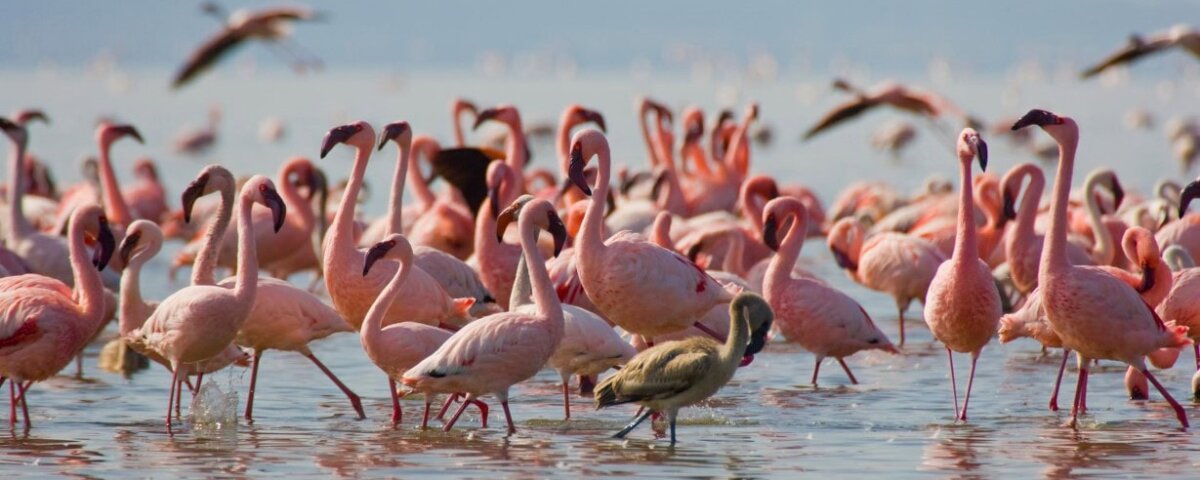
What Are the Best Safari Destinations in Kenya for Bird Watching?
Kenya ranks among the top bird watching destinations in Africa because the country offers diverse habitats, rich ecosystems, and hundreds of unique bird species. Many travelers ask, what are the best safari destinations in Kenya for bird watching? The answer becomes clear when visitors explore Kenya’s lakes, forests, savannahs, wetlands, and coastal regions filled with colorful and rare birds. Bird lovers from around the world travel to Kenya because every safari creates opportunities to observe extraordinary birdlife in breathtaking natural settings.
Kenya’s bird watching safaris combine adventure, conservation, and education. Travelers enjoy close encounters with flamingos, eagles, kingfishers, hornbills, storks, and many migratory species while exploring some of Africa’s most beautiful landscapes. The country supports more than 1,000 bird species, making it one of the richest birding destinations on the continent.
Bird watching in Kenya also creates opportunities for wildlife photography, eco tourism, and peaceful nature experiences. Professional guides help travelers identify birds by sight and sound while sharing valuable knowledge about habitats, migration patterns, and conservation efforts. Kenya’s safari industry continues to attract nature enthusiasts because it combines excellent birding experiences with world class hospitality and authentic African adventures.
From the famous Rift Valley lakes to the forests of Kakamega and the grasslands of Maasai Mara, Kenya offers incredible bird watching opportunities for both beginner and experienced birders. Every destination provides something unique while showcasing the country’s remarkable biodiversity and commitment to conservation tourism.
Lake Nakuru National Park Attracts Thousands of Flamingos
Lake Nakuru National Park stands among Kenya’s most famous bird watching destinations because of its spectacular flamingo populations and rich bird diversity. The alkaline lake attracts thousands of lesser and greater flamingos that create breathtaking pink landscapes visible across the water.
Bird watchers visiting Lake Nakuru often enjoy sightings of pelicans, cormorants, African fish eagles, herons, storks, kingfishers, and many water birds. The park supports more than 400 bird species, which makes it one of Kenya’s top birding hotspots throughout the year.
The lake’s ecosystem provides ideal feeding conditions for flamingos because algae thrive in the alkaline waters. Seasonal water changes influence bird populations, yet Lake Nakuru continues to attract bird lovers from around the world because of its exceptional diversity and scenic beauty.
Wildlife experiences in Lake Nakuru go beyond birding. Travelers often encounter rhinos, lions, buffaloes, giraffes, zebras, and leopards during game drives. This combination of birdlife and wildlife creates rewarding safari experiences for nature enthusiasts.
Scenic viewpoints surrounding the park provide excellent photography opportunities. Bird watchers capture stunning sunrise and sunset images while observing birds flying across the lake and surrounding forests.
Lake Nakuru also plays an important role in conservation tourism. Park authorities and conservation organizations work together to protect bird habitats, maintain biodiversity, and support sustainable tourism practices that preserve the ecosystem for future generations.
Lake Naivasha Offers Exceptional Water Bird Experiences
Lake Naivasha attracts birdwatchers because it provides peaceful landscapes and incredible water bird sightings within Kenya’s Rift Valley region. The freshwater lake supports more than 400 bird species, making it one of the country’s most rewarding birdwatching destinations.
Visitors often explore Lake Naivasha through guided boat safaris that allow close observation of fish eagles, kingfishers, herons, cormorants, pelicans, and African jacanas. The sound of fish eagles calling across the lake creates unforgettable moments for bird lovers and photographers.
The lake’s surrounding acacia forests and wetlands also attract many terrestrial and migratory bird species. Bird watchers frequently spot weavers, sunbirds, hornbills, bee eaters, and owls within the region’s diverse habitats.
Crescent Island near Lake Naivasha offers excellent walking safaris where travelers enjoy bird watching while observing giraffes, zebras, antelopes, and other wildlife in open grasslands. This peaceful environment creates ideal conditions for relaxed nature exploration.
Lake Naivasha also serves as an important stop for migratory birds traveling between Europe, Asia, and Africa. Seasonal migrations increase bird diversity during certain periods of the year, which makes timing especially important for serious bird watchers.
Luxury lodges and eco camps around the lake provide comfortable accommodations designed for nature enthusiasts. Many properties feature gardens and lakeside viewing areas where guests continue bird watching directly from their rooms and outdoor terraces.
Maasai Mara National Reserve Combines Birding and Big Game Safaris
Maasai Mara National Reserve attracts wildlife lovers mainly for its famous predators and the Great Migration. However, the reserve also offers exceptional bird watching opportunities that many travelers overlook. Bird enthusiasts visiting Maasai Mara enjoy incredible bird diversity alongside world class wildlife experiences.
The reserve supports more than 500 bird species across grasslands, rivers, forests, and wetlands. Bird watchers often spot secretary birds, vultures, ostriches, crowned cranes, martial eagles, hornbills, and lilac breasted rollers throughout the reserve.
Riverine forests near the Mara River attract kingfishers, bee eaters, herons, and storks, while open savannahs provide ideal habitats for birds of prey and ground nesting species. The variety of ecosystems within Maasai Mara creates excellent conditions for birding all year round.
Bird photography thrives in Maasai Mara because the landscapes provide beautiful natural lighting and dramatic safari scenery. Travelers capture colorful bird species perched near wildlife or flying across golden plains during sunrise and sunset.
Experienced safari guides help bird watchers identify species through both appearance and vocal calls. Their local knowledge adds educational value while improving the overall safari experience.
Luxury camps and private conservancies around Maasai Mara increasingly offer specialized bird watching safaris tailored for photography enthusiasts and serious birders. These experiences combine comfort, exclusivity, and expert guiding within one of Africa’s most iconic safari destinations.
Kakamega Forest Protects Rare Forest Bird Species
Kakamega Forest offers one of Kenya’s most unique bird watching experiences because it protects the country’s only tropical rainforest ecosystem. Bird lovers visit this destination to observe rare forest bird species that do not exist in many other parts of Kenya.
The forest supports more than 300 bird species, including several found mainly in Central African rainforests. Bird watchers often seek species such as the Great Blue Turaco, Blue Headed Bee Eater, Turner’s Eremomela, and African Grey Parrot.
Guided forest walks create immersive bird watching experiences because visitors move quietly through dense vegetation while listening to bird calls echoing through the canopy. The peaceful atmosphere and rich biodiversity make Kakamega highly attractive for nature enthusiasts.
Butterflies, monkeys, and unique plant species also add value to the forest experience. Travelers enjoy exploring waterfalls, forest trails, and scenic viewpoints while learning about the importance of rainforest conservation.
Local guides possess deep knowledge about bird habitats and forest ecosystems. Their expertise helps travelers locate rare species while understanding the forest’s ecological significance.
Eco tourism initiatives within Kakamega support conservation and community development projects that protect biodiversity while creating sustainable income opportunities for local residents. Bird watching tourism plays an important role in preserving this valuable ecosystem for future generations.
Amboseli National Park Provides Scenic Bird Watching Safaris
Amboseli National Park offers much more than elephant encounters and views of Mount Kilimanjaro. The park also provides excellent bird watching opportunities because wetlands, swamps, grasslands, and seasonal lakes attract diverse bird populations throughout the year.
Bird watchers visiting Amboseli often spot pelicans, flamingos, crowned cranes, African spoonbills, secretary birds, and numerous birds of prey. The park supports over 400 bird species, making it one of Kenya’s top birding safari destinations.
Wetland areas fed by underground water from Mount Kilimanjaro create ideal habitats for water birds and migratory species. During rainy seasons, bird diversity increases even further as temporary wetlands form across the landscape.
The park’s open plains make bird spotting easier because travelers enjoy clear visibility across large areas. Bird photographers especially appreciate Amboseli because wildlife and birds appear against the stunning backdrop of Mount Kilimanjaro.
Safari experiences in Amboseli also include cultural interactions with Maasai communities. Travelers learn about local traditions while exploring landscapes filled with both wildlife and birdlife.
Luxury lodges and eco camps within the region cater strongly to birdwatching enthusiasts by offering guided nature walks, photography opportunities, and educational birding activities. Amboseli creates rewarding experiences for travelers who value both scenic beauty and biodiversity.
Arabuko Sokoke Forest Offers Coastal Bird Watching Adventures
Arabuko Sokoke Forest near Kenya’s coast remains one of East Africa’s most important bird conservation areas. With Giant Holiday Safaris as your trusted operator, travelers enjoy guided birding adventures in a unique coastal ecosystem that protects several rare and endangered species.
Bird enthusiasts often visit the forest to search for the Sokoke Scops Owl, Clarke’s Weaver, Amani Sunbird, and East Coast Akalat. These rare species make Arabuko Sokoke a dream destination for serious bird watchers and conservation travelers. Giant Holiday Safaris ensures guests are guided to the best habitats for rare sightings.
The forest combines woodland, thickets, and coastal habitats that support rich biodiversity beyond birds alone. Butterflies, elephants, monkeys, and reptiles also thrive within the protected area, adding depth to the safari experience.
Guided birdwatching walks help travelers navigate forest trails while identifying species hidden within dense vegetation. Early morning excursions usually provide the best bird activity and photography conditions, and Giant Holiday Safaris times itineraries to maximize these opportunities.
Arabuko Sokoke also supports important conservation research and community projects that protect the forest against deforestation and habitat loss. Local communities participate actively in ecotourism and conservation initiatives, strengthening sustainable development. Giant Holiday Safaris integrates these values into every safari journey.
The forest’s location near Kenya’s coastline allows travelers to combine bird watching with beach tourism in destinations such as Watamu and Malindi. This combination creates diverse itineraries filled with both nature and coastal beauty.
Birdwatching tourism in Arabuko Sokoke continues to support conservation while increasing awareness about the importance of protecting fragile coastal ecosystems especially when explored with Giant Holiday Safaris.
Why Kenya Remains a Leading Bird Watching Destination in Africa
Kenya continues to answer the question of what are the best safari destinations in Kenya for birdwatching through its incredible biodiversity, stunning landscapes, and strong conservation efforts. With Giant Holiday Safaris, travelers enjoy exceptional birding opportunities across lakes, forests, savannahs, wetlands, and coastal ecosystems.
Birdwatching safaris in Kenya create rewarding experiences because they combine education, photography, adventure, and peaceful nature exploration. Every region offers unique species and habitats that make each safari different and memorable. Giant Holiday Safaris designs itineraries that highlight these differences for bird lovers.
Kenya’s tourism industry also supports responsible eco-tourism practices that protect bird habitats while benefiting local communities. National parks, private conservancies, and conservation organizations work together to preserve biodiversity and strengthen sustainable tourism development. Giant Holiday Safaris ensures guests contribute directly to these efforts.
Travelers appreciate Kenya because birdwatching experiences often combine perfectly with traditional wildlife safaris. Visitors can enjoy sightings of flamingos, eagles, hornbills, and rare forest species while also exploring Africa’s famous wildlife destinations.
Professional safari guides, luxury eco-lodges, and well-protected ecosystems continue to strengthen Kenya’s reputation as one of Africa’s top birding destinations. Whether travelers seek migratory birds, rare species, or colorful photography opportunities, Giant Holiday Safaris provides extraordinary birdwatching experiences for every type of nature enthusiast.
For anyone searching for unforgettable birding adventures, Kenya remains one of the finest safari destinations in the world. The country’s rich birdlife, conservation leadership, and diverse safari experiences continue to inspire travelers, especially when exploring what are the best safari destinations in Kenya for birdwatching with Giant Holiday Safaris.
Combined Uganda, Kenya, Rwanda and Tanzania Safaris
17 days Kenya Tanzania and Uganda safari
19 Days Uganda Kenya and Tanzania Safari
16 Days Kenya Tanzania and Uganda Safari
14 Days Kenya Uganda and Tanzania Safari
14 Days Kenya Uganda and Rwanda Safari