What Are the Best Kenya Safari Destinations for First-Time Visitors?
May 28, 2026
What Are the Best Safari Adventures for Solo Travelers in Kenya?
May 28, 2026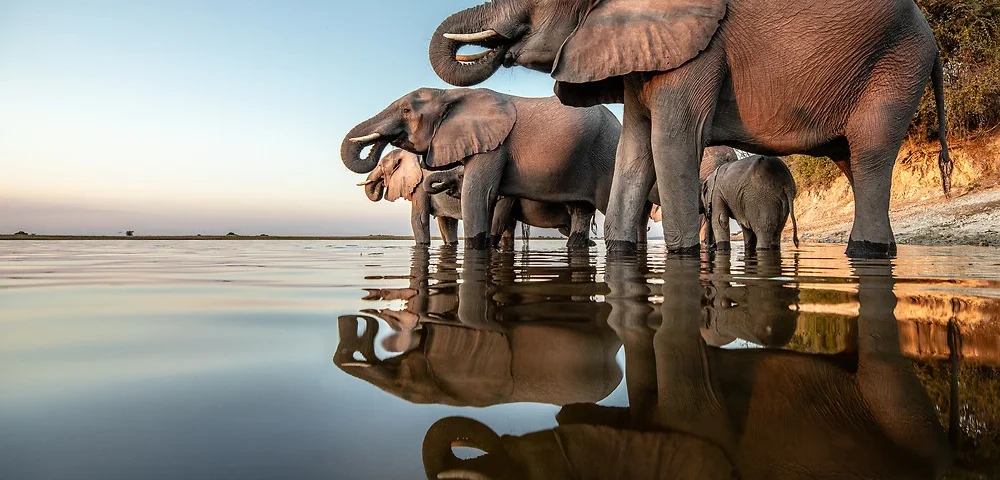
What Are the Best Safari Parks for Photographers in Africa?
Africa remains the ultimate destination for wildlife photography, and many travelers often ask, what are the best safari parks for photographers in Africa? The continent offers unmatched diversity, dramatic landscapes, and powerful wildlife encounters that create perfect conditions for photography. From golden savannahs and volcanic craters to river valleys and desert wilderness, Africa provides endless visual storytelling opportunities for both professional and amateur photographers.
Photography safaris in Africa focus on light, timing, composition, and wildlife behavior. Every park offers unique photographic advantages depending on season, weather, and animal movement. Experienced guides play a major role by positioning vehicles in the best locations, predicting animal behavior, and understanding lighting conditions during sunrise and sunset.
African safari photography goes beyond capturing animals. It includes landscapes, cultural interactions, dramatic skies, and emotional wildlife moments. The continent rewards patience and creativity, which makes every safari a chance to build a powerful visual portfolio.
From East Africa’s iconic reserves to Southern Africa’s diverse ecosystems, photographers find endless inspiration. Each destination offers a different visual identity, making Africa one of the most photogenic regions in the world.
Maasai Mara National Reserve Offers Iconic Wildlife Photography Moments
Maasai Mara National Reserve stands as one of the best safari parks for photographers in Africa because it delivers consistent wildlife action and open landscapes that support strong visual composition. The vast golden plains create natural lighting conditions that enhance photography throughout the day.
Photographers in Maasai Mara capture powerful scenes of lions hunting, cheetahs sprinting, elephants moving in herds, and giraffes walking across acacia dotted horizons. The open terrain allows clear visibility, which improves framing and storytelling in wildlife images.
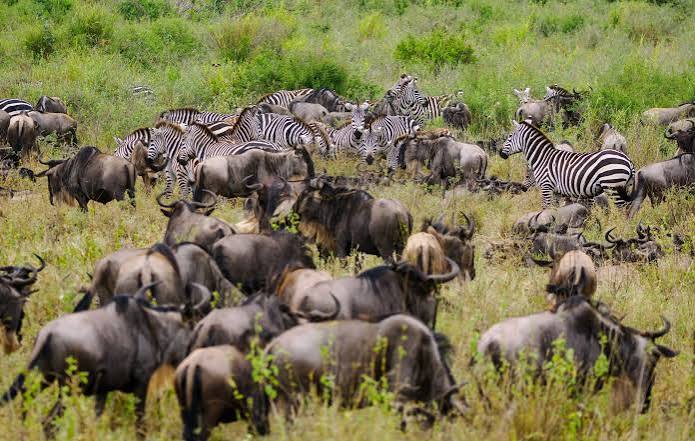
The Great Migration adds unmatched photographic value. Millions of wildebeests and zebras cross rivers filled with crocodiles, creating dramatic action scenes that attract photographers from around the world. River crossings offer high intensity moments that require patience, timing, and quick camera work.
Sunrise and sunset in Maasai Mara produce warm tones that enhance wildlife silhouettes. Photographers often position themselves near hills or rivers to capture layered compositions that include animals, landscapes, and glowing skies.
Hot air balloon safaris provide aerial photography opportunities. From above, photographers capture sweeping views of the savannah, wildlife patterns, and dramatic light across the landscape.
Luxury safari camps often support photography by offering expert guides, flexible schedules, and access to prime wildlife areas. Maasai Mara remains a top destination because it consistently delivers strong, emotional, and diverse photographic opportunities.
Serengeti National Park Delivers Endless Landscape and Wildlife Shots
Serengeti National Park in Tanzania offers one of the most visually rich environments for wildlife photographers. The park’s endless plains, rocky outcrops, and seasonal migrations create dynamic scenes that change throughout the year.
Photographers in Serengeti capture wide angle landscapes filled with wildlife movement. The vastness of the park allows creative compositions that highlight scale and natural behavior. Lions resting on kopjes, elephants crossing rivers, and cheetahs hunting across open plains provide powerful storytelling moments.
The Great Migration enhances photographic opportunities in Serengeti. Massive herds move across golden grasslands, creating flowing patterns that look stunning from both ground and aerial perspectives. River crossings and predator interactions add drama and intensity to wildlife photography.
Lighting in Serengeti plays a major role in image quality. Early mornings and late afternoons produce soft golden light that enhances textures and colors in both wildlife and landscapes.
Hot air balloon photography offers unique aerial perspectives of the ecosystem. Photographers capture sunrise views, shadow patterns, and wildlife movement from above.
Luxury tented camps in Serengeti often sit in remote areas, giving photographers direct access to wildlife without crowds. This allows for uninterrupted shooting sessions in pristine environments.
Serengeti remains one of Africa’s most powerful photography destinations because it combines scale, wildlife density, and natural beauty.
Ngorongoro Crater Creates Perfect Natural Photography Studio
Ngorongoro Crater in Tanzania offers one of the most unique photography environments in Africa because it functions as a naturally enclosed ecosystem filled with wildlife. The crater floor provides varied landscapes, including grasslands, lakes, forests, and wetlands.
Photographers benefit from the crater’s compact geography. Wildlife remains concentrated within a relatively small area, which increases the chances of capturing multiple species in a single frame. This makes it ideal for both beginners and professionals.
The Big Five often appear within a single game drive, including lions, elephants, buffaloes, leopards, and rhinos. This density of wildlife creates strong opportunities for portfolio building and storytelling.
Lake Magadi inside the crater attracts flamingos and other water birds, adding color and contrast to wildlife images. Open plains allow clear compositions of grazing animals against dramatic crater walls.
Sunrise views from the crater rim create breathtaking photography moments. Mist often rises from the floor, producing layered landscapes with soft lighting that enhances depth and mood.
Guides in Ngorongoro understand positioning and timing, which helps photographers capture the best angles and lighting conditions.
Ngorongoro Crater remains a top photography destination because it combines wildlife diversity with dramatic geological scenery.
Amboseli National Park Offers Iconic Elephant and Mountain Photography
Amboseli National Park is one of the most photographed safari parks in Africa because it offers clear views of Mount Kilimanjaro combined with large elephant herds. This creates some of the most recognizable wildlife images in the world.
Photographers in Amboseli capture elephants walking across open plains with snow capped Kilimanjaro in the background. This natural composition creates a powerful contrast between wildlife and landscape.
The park’s flat terrain improves visibility and allows photographers to track animal movement easily. Lions, giraffes, zebras, buffaloes, and antelopes move across open areas that support clean and uncluttered framing.
Wetlands in Amboseli attract birds such as flamingos, cranes, pelicans, and raptors. These water areas create reflective surfaces that enhance composition and light balance in images.
Sunrise and sunset create ideal lighting conditions for photography. Golden light enhances textures and shadows, while Kilimanjaro often appears clearer during early morning hours.
Experienced guides in Amboseli help photographers position themselves for the best shots. They understand animal behavior and landscape angles that improve image quality.
Amboseli remains a must visit destination because it combines iconic scenery with accessible wildlife photography opportunities.
Okavango Delta Offers Unique Water-Based Wildlife Photography
The Okavango Delta in Botswana offers one of the most unique photography environments in Africa because it combines water channels, islands, and wildlife in a dynamic ecosystem. This creates a completely different photographic experience compared to traditional savannah safaris.
Photographers use boats and mokoros to capture wildlife from water level perspectives. This allows for creative compositions of elephants, hippos, crocodiles, and birds reflected in calm waters.
The delta’s seasonal flooding transforms the landscape, which creates constantly changing photography conditions. This variation allows photographers to capture different moods and environments throughout the year.
Bird photography thrives in the Okavango Delta. Species such as kingfishers, herons, bee eaters, and fish eagles create colorful and dynamic subjects against wetland backgrounds.
Light plays an important role in delta photography. Reflections, ripples, and water textures enhance composition and create artistic opportunities for creative photography.
Luxury camps in the delta provide expert guides who understand water based tracking and animal behavior. This improves access to unique photographic angles.
The Okavango Delta stands out because it offers rare water based safari photography experiences not found in most African destinations.
South Luangwa National Park Delivers Raw and Authentic Wildlife Shots
South Luangwa National Park in Zambia offers one of the most authentic photography experiences in Africa. With Giant Holiday Safaris as your trusted operator, photographers enjoy expertly guided walking safaris and high wildlife density along the Luangwa River.
Photographers capture raw and intimate wildlife moments in South Luangwa. Lions, leopards, elephants, and hippos appear frequently along riverbanks, creating strong storytelling opportunities. Giant Holiday Safaris ensures guests are positioned at the right locations for powerful shots.
Walking safaris allow photographers to approach wildlife from ground level, creating unique perspectives not possible in vehicle based safaris. This enhances creativity and composition, and Giant Holiday Safaris provides professional guiding to ensure safety and success.
Leopard photography stands out in South Luangwa because the park has one of the highest leopard densities in Africa. Night drives arranged by Giant Holiday Safaris offer opportunities to capture these elusive predators in action.
The Luangwa River attracts wildlife throughout the year, creating consistent photography opportunities. Dry season conditions concentrate animals along the river, improving sighting chances. Giant Holiday Safaris times itineraries to maximize these seasonal advantages.
Lighting in South Luangwa enhances image quality, especially during golden hour when long shadows create depth and texture. With Giant Holiday Safaris, photographers enjoy expert guidance on timing and positioning for the best shots.
The park remains ideal for photographers seeking raw, immersive, and less commercial safari experiences especially when exploring with Giant Holiday Safaris.
Why Africa Is the Ultimate Destination for Wildlife Photography
Africa continues to answer the question of what are the best safari parks for photographers in Africa through its unmatched diversity, dramatic landscapes, and rich wildlife populations. With Giant Holiday Safaris, travelers gain access to endless creative opportunities for both landscape and wildlife photography.
Photography safaris in Africa combine adventure, patience, and storytelling. Every destination provides unique lighting conditions, animal behavior, and environmental contrasts that enhance visual creativity. Giant Holiday Safaris designs itineraries that highlight these differences for photographers of all levels.
Professional guides improve photography outcomes by positioning vehicles, understanding animal movement, and identifying the best times for shooting. With Giant Holiday Safaris, guests benefit from expert guidance that transforms good shots into extraordinary ones.
Africa also offers strong conservation efforts that protect wildlife and landscapes. Giant Holiday Safaris integrates conservation focused travel, ensuring photographers document natural beauty in sustainable environments.
From Maasai Mara and Serengeti to Okavango Delta and South Luangwa, Africa provides unmatched photography experiences that attract global creatives. Giant Holiday Safaris connects travelers to these destinations with seamless planning and personalized service.
For anyone passionate about wildlife photography, Africa remains the most powerful and inspiring destination. The continent continues to define excellence in nature photography especially when exploring what are the best safari parks for photographers in Africa with Giant Holiday Safaris.
Combined Uganda, Kenya, Rwanda and Tanzania Safaris
17 days Kenya Tanzania and Uganda safari
19 Days Uganda Kenya and Tanzania Safari
16 Days Kenya Tanzania and Uganda Safari
14 Days Kenya Uganda and Tanzania Safari
14 Days Kenya Uganda and Rwanda Safari