
What Are the Best Kenya Safari Tours for International Travelers?
May 31, 2026
How Much Does a Tanzania Safari Cost?
May 31, 2026
What Are the Best Safari Parks for Wildlife Conservation in Kenya?
Kenya stands among Africa’s most important wildlife destinations and has built a global reputation for conservation leadership. The country protects some of the continent’s most iconic species, including elephants, lions, rhinos, cheetahs, giraffes, and countless bird species. While many travelers visit Kenya for its spectacular safari experiences, an increasing number also want to understand how tourism contributes to wildlife protection. As a result, one of the most important questions travelers ask today is: what are the best safari parks for wildlife conservation in Kenya?
Wildlife conservation lies at the heart of Kenya’s tourism industry. National parks, reserves, and conservancies play a vital role in protecting biodiversity, preserving habitats, supporting scientific research, and reducing threats such as poaching and habitat loss. At the same time, these protected areas create economic opportunities for local communities through responsible tourism.
The best safari parks for wildlife conservation offer more than wildlife viewing. They provide visitors with opportunities to learn about conservation efforts, support sustainable tourism, and witness firsthand the impact of protecting natural ecosystems. From the world famous Maasai Mara to innovative conservation landscapes in Laikipia, Kenya continues to demonstrate how wildlife conservation and tourism can work together successfully.
Understanding what are the best safari parks for wildlife conservation in Kenya helps travelers make informed decisions while supporting destinations that actively protect Africa’s extraordinary natural heritage.
Why Wildlife Conservation Matters in Kenya
Kenya’s wildlife forms an essential part of the country’s natural heritage, economy, and global identity. Millions of travelers visit each year to experience the country’s incredible biodiversity, generating revenue that supports conservation programs, local communities, and national development.
However, wildlife populations face numerous challenges. Habitat loss, climate change, human wildlife conflict, illegal poaching, and increasing pressure on natural resources threaten many species and ecosystems. Effective conservation efforts help address these challenges while ensuring wildlife populations remain healthy for future generations.
Protected areas serve as critical refuges for wildlife. National parks, reserves, and conservancies preserve habitats where animals can thrive without significant human interference. These areas also support ecological processes such as migration, breeding, and predator prey relationships that maintain ecosystem balance.
In addition, conservation creates direct benefits for local communities. Tourism generates employment, supports education initiatives, improves healthcare services, and creates incentives for protecting wildlife rather than exploiting natural resources.
As a result, conservation focused safari destinations play a crucial role in securing Kenya’s environmental and economic future while providing exceptional experiences for travelers.
Maasai Mara National Reserve: Conservation Through Tourism
The Maasai Mara remains one of Africa’s most celebrated wildlife destinations and a leading example of conservation driven tourism. Known for its incredible wildlife populations and the Great Migration, the reserve plays a vital role in protecting one of the continent’s most important ecosystems.
The Mara ecosystem supports lions, leopards, cheetahs, elephants, buffaloes, giraffes, hyenas, and hundreds of bird species. Maintaining these populations requires ongoing conservation efforts and responsible management.
One of the reserve’s greatest conservation successes involves collaboration with surrounding community conservancies. These conservancies expand protected habitats beyond the reserve boundaries and create wildlife corridors that support migration and animal movement.
Tourism revenue generated by safari visitors contributes significantly to conservation funding. Park fees help support wildlife management, anti poaching initiatives, habitat protection, and community development projects.
Additionally, conservation organizations working throughout the Mara conduct research, monitor wildlife populations, and educate local communities about sustainable land use practices.
Visitors who choose conservation focused safari operators help strengthen these efforts while enjoying some of Africa’s finest wildlife experiences.
Amboseli National Park: Protecting Africa’s Giants
Amboseli National Park has become internationally recognized for its elephant conservation efforts. The park protects one of Africa’s most studied elephant populations and serves as an important center for wildlife research.
Elephants move freely across Amboseli’s landscapes, creating extraordinary wildlife viewing opportunities while contributing to ecosystem health. Researchers have monitored many elephant families for decades, generating valuable scientific insights into elephant behavior, social structures, and conservation needs.
Conservation efforts in Amboseli extend beyond park boundaries. Wildlife organizations collaborate with local communities to protect migration routes and reduce human wildlife conflict. These partnerships help maintain connectivity between wildlife habitats and support long term conservation goals.
The park also protects wetlands that provide critical water sources for numerous species. These habitats sustain wildlife during dry periods and contribute to the region’s biodiversity.
Visitors gain opportunities to learn about conservation through educational programs, guided safaris, and interactions with conservation professionals. Consequently, Amboseli offers both exceptional wildlife experiences and meaningful conservation insights.
Lewa Wildlife Conservancy: A Global Conservation Success Story
Lewa Wildlife Conservancy stands among Africa’s most respected conservation destinations. Located in Laikipia, the conservancy has achieved remarkable success in protecting endangered species while promoting sustainable tourism and community development.
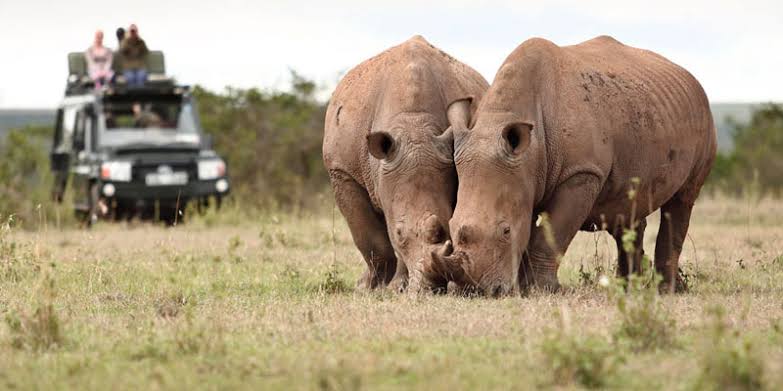
Lewa is particularly known for rhino conservation. The conservancy supports significant populations of both black and white rhinos and has become a model for effective wildlife protection. Strong security measures, scientific monitoring, and habitat management have contributed to these achievements.
Beyond rhinos, Lewa protects elephants, Grevy’s zebras, lions, cheetahs, wild dogs, and numerous other species. The conservancy’s diverse habitats support rich biodiversity across its landscapes.
Community engagement remains a core component of Lewa’s conservation strategy. Revenue generated through tourism supports education programs, healthcare services, water projects, and economic development initiatives that benefit surrounding communities.
Visitors often participate in conservation focused activities that provide deeper understanding of wildlife management and environmental stewardship. These experiences create meaningful connections between tourism and conservation.
For travelers interested in seeing conservation in action, Lewa offers one of Kenya’s most inspiring examples of successful wildlife protection.
Samburu National Reserve and Community Conservation
Samburu National Reserve represents another important conservation landscape within Kenya. The reserve protects unique northern ecosystems and supports species rarely found elsewhere in the country.
Wildlife conservation in Samburu extends beyond reserve boundaries through partnerships with community conservancies. These collaborative efforts protect migration corridors and encourage sustainable land management practices.
Several endangered species benefit from conservation initiatives in the region. Grevy’s zebras, reticulated giraffes, and African wild dogs rely on protected habitats supported by community conservation programs.
Local communities play an active role in conservation efforts. Employment opportunities, education programs, and tourism revenue create incentives for wildlife protection while improving livelihoods.
The region also hosts important research projects that monitor wildlife populations and evaluate conservation strategies. These scientific efforts help guide management decisions and improve conservation outcomes.
Samburu demonstrates how community involvement can strengthen conservation while creating meaningful benefits for both people and wildlife.
Tsavo National Parks: Conserving Vast Wilderness Ecosystems
Tsavo East and Tsavo West National Parks together form one of Africa’s largest protected wildlife areas. Covering thousands of square kilometers, these parks protect critical habitats for numerous species and ecological processes.
The parks support large populations of elephants, lions, leopards, buffaloes, giraffes, and many other animals. Their vast landscapes provide essential space for wildlife movement, breeding, and natural behavior.
Conservation efforts within Tsavo focus on habitat protection, anti poaching operations, ecological monitoring, and human wildlife conflict mitigation. These initiatives help maintain ecosystem integrity while safeguarding vulnerable species.
Tsavo also serves as an important wildlife corridor connecting various conservation landscapes across southern Kenya. Maintaining this connectivity remains essential for long term conservation success.
Tourism contributes directly to conservation funding through park fees and visitor spending. These resources support wildlife protection while generating economic benefits for nearby communities.
For travelers seeking wilderness experiences combined with meaningful conservation impact, Tsavo represents one of Kenya’s most important protected areas.
Nairobi National Park: Conservation Near a Major City
Nairobi National Park offers a unique conservation story unlike any other in Africa. Located just outside Kenya’s capital city, the park demonstrates how wildlife conservation can coexist alongside urban development.
Despite its proximity to a major metropolitan area, the park supports lions, rhinos, giraffes, zebras, buffaloes, and numerous bird species. Its success highlights the importance of protected areas even in rapidly developing regions.
The park plays a particularly important role in rhino conservation. It provides secure habitat for both black and white rhinos while supporting breeding programs and conservation research.
Educational outreach remains another key function of Nairobi National Park. Thousands of students, researchers, and visitors learn about wildlife conservation through programs offered within the park.
Its accessibility allows travelers to experience Kenya’s wildlife and conservation efforts even during short visits. This accessibility helps raise awareness about the importance of protecting natural ecosystems.
Nairobi National Park continues to serve as a powerful example of conservation innovation and resilience.
How Conservancies Strengthen Wildlife Conservation in Kenya
While national parks receive significant attention, conservancies have become equally important in Kenya’s conservation landscape. These protected areas often operate through partnerships involving communities, private landowners, conservation organizations, and tourism operators.
Conservancies expand available wildlife habitat beyond traditional park boundaries. They create migration corridors, reduce habitat fragmentation, and support species that require large territories.
Many conservancies also allow low-impact tourism activities such as walking safaris, night drives, and conservation experiences. These activities generate revenue while minimizing environmental pressure.
Community conservancies provide additional benefits by linking conservation with local economic development. Revenue sharing models ensure communities receive direct benefits from protecting wildlife and natural habitats.
As a result, conservancies play a crucial role in maintaining Kenya’s biodiversity and strengthening national conservation efforts.
How Travelers Can Support Wildlife Conservation During a Safari
Travelers play an important role in supporting wildlife conservation. Choosing responsible safari operators and conservation‑focused destinations helps ensure tourism contributes positively to environmental protection. With Giant Holiday Safaris, guests are guided toward parks and lodges that prioritize sustainability and community impact.
Visitors can support parks and conservancies that invest in wildlife protection, community development, and sustainable tourism practices. Researching conservation credentials before booking accommodations or tours helps identify responsible operators. Giant Holiday Safaris partners with conservancies that reinvest tourism revenue into anti‑poaching patrols, habitat restoration, and local livelihoods.
Respecting wildlife viewing guidelines also contributes to conservation success. Ethical behavior minimizes stress on animals and protects natural behaviors. Giant Holiday Safaris emphasizes responsible safari practices, ensuring every encounter supports conservation rather than disrupts it.
Additionally, travelers can participate in educational activities, conservation experiences, and community programs that provide deeper understanding of environmental challenges and solutions. Giant Holiday Safaris integrates these opportunities into itineraries, allowing guests to learn while contributing directly to conservation.
By making informed choices, visitors help strengthen conservation efforts while enjoying meaningful safari experiences across Kenya. With Giant Holiday Safaris, every safari becomes a chance to protect nature while experiencing its wonders.
Final Thoughts on What Are the Best Safari Parks for Wildlife Conservation in Kenya?
Understanding what are the best safari parks for wildlife conservation in Kenya allows travelers to explore extraordinary wildlife destinations while supporting efforts that protect Africa’s natural heritage. These parks and conservancies demonstrate how conservation, tourism, and community development can work together to create lasting positive impacts. With Giant Holiday Safaris, travelers are connected to destinations that lead in conservation success.
From the wildlife‑rich plains of the Maasai Mara and the elephant strongholds of Amboseli to the conservation success stories of Lewa, Samburu, Tsavo, and Nairobi National Park, Kenya offers outstanding opportunities for responsible travel. Giant Holiday Safaris ensures each journey highlights these conservation achievements while delivering unforgettable safari experiences.
Ultimately, the best safari parks for wildlife conservation in Kenya depend on individual interests and travel goals. However, all of these remarkable destinations share a common commitment to safeguarding wildlife and ensuring future generations can continue to experience Kenya’s extraordinary natural wonders. With Giant Holiday Safaris as your trusted tour operator, travelers enjoy safaris that are both impactful and inspiring.
Combined Uganda, Kenya, Rwanda and Tanzania Safaris
17 days Kenya Tanzania and Uganda safari
19 Days Uganda Kenya and Tanzania Safari
16 Days Kenya Tanzania and Uganda Safari
14 Days Kenya Uganda and Tanzania Safari
14 Days Kenya Uganda and Rwanda Safari