What Are the Best Kenya Safari Packages 2026?
May 22, 2026
Tanzania Safari around Lake Tanganyika
May 22, 2026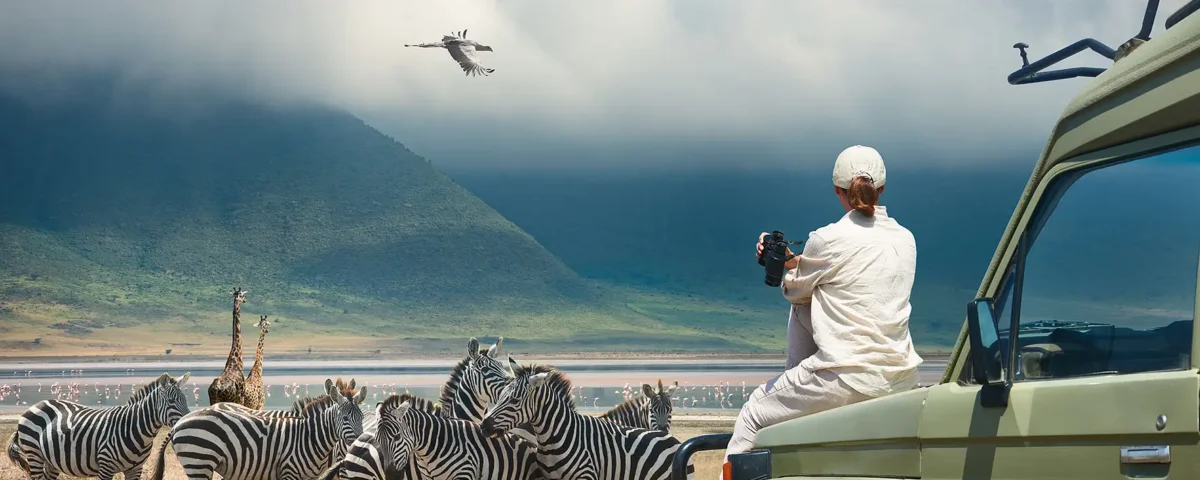
What Clothes Should I Wear on Safari in Kenya?
Planning a wildlife adventure often begins with one important question: What clothes should I wear on safari in Kenya? The answer influences comfort, protection, and overall enjoyment throughout the journey. Kenya offers diverse landscapes, including warm savannahs, cool highlands, and dusty plains. Therefore, weather conditions can change dramatically within a single day.
For example, early morning game drives may feel surprisingly cold. However, afternoons often become hot and dry. Consequently, choosing suitable clothes for safari in Kenya helps travelers stay comfortable and prepared.
This guide explains what to wear on safari in Kenya, including colors, fabrics, footwear, accessories, and seasonal packing advice. By the end, you will know exactly how to pack smart for a memorable Kenyan safari experience.
Why Choosing the Right Clothes for Safari in Kenya Matters
Understanding what clothes I should wear on safari in Kenya goes beyond appearance. Instead, proper safari clothing directly affects comfort, safety, and mobility during outdoor activities.
Most safaris start before sunrise. Therefore, temperatures may feel cold during early game drives. Later, however, daytime temperatures often rise significantly. As a result, travelers benefit from flexible clothing options.
Additionally, safari vehicles frequently travel on dusty roads. Consequently, dust settles quickly on clothing. Lightweight and breathable fabrics help maintain comfort during long drives.
Protection also matters. Long sleeves and trousers reduce exposure to insects and strong sunlight. Furthermore, practical safari clothing allows travelers to focus on wildlife instead of discomfort.
Ultimately, packing the right Kenya safari clothing improves the entire safari experience.
Best Colors to Wear on Safari in Kenya
When deciding what clothes should I wear on safari in Kenya, color selection becomes extremely important.
Generally, neutral earth tones work best, including:
- Khaki
- Olive green
- Beige
- Brown
- Grey
- Light tan
These shades blend naturally into safari environments. As a result, they help travelers avoid drawing unnecessary attention while also hiding dust effectively.
For instance, khaki remains one of the most recommended safari colors because it performs well during dusty game drives. Similarly, olive green works exceptionally well in bush environments.
However, bright colors should usually be avoided, such as the following:
- Red
- Orange
- Neon green
- Bright blue
- Fluorescent shades
Strong colors may attract insects. Moreover, they stand out against natural surroundings.
Likewise, dark blue and black are less ideal because they may attract tsetse flies in certain African regions.
Meanwhile, white clothing reflects heat effectively. Nevertheless, white garments show dust quickly and may appear dirty after several game drives.
Therefore, if you are wondering what to wear on safari in Kenya, neutral colors remain the safest option.
Avoid Camouflage Clothing
Although camouflage might seem practical, military-style patterns should generally be avoided. In some African countries, camouflage clothing may create legal concerns or misunderstandings.
Instead, neutral safari colors offer a safer and more practical choice.
Best Fabrics for Clothes on Safari in Kenya
Choosing suitable fabrics is equally important when considering what clothes I should wear on safari in Kenya.
Choose Lightweight and Breathable Materials
The best safari fabrics include the following:
- Moisture-wicking blends
- Quick-drying materials
- Lightweight outdoor fabrics
- Breathable cotton blends
Cotton feels comfortable initially. However, pure cotton absorbs sweat and dries slowly.
By comparison, moisture-wicking fabrics often perform better because they dry faster and help regulate body temperature.
Likewise, linen provides excellent airflow. Even so, linen wrinkles more easily and may require extra care.
Layering Is Essential
Because temperatures fluctuate throughout the day, layering remains one of the smartest safari strategies.
Therefore, pack:
- Lightweight long-sleeve shirts
- Breathable T-shirts
- Fleece jackets
- Light sweaters
- Waterproof outer layers
This combination allows travelers to adapt quickly as conditions change.
As a result, layering improves comfort and supports better safari experiences.
What Tops Should You Wear on Safari in Kenya?
Many travelers assume short sleeves are ideal. However, long sleeves often provide greater protection.
Recommended safari tops include:
- Lightweight long-sleeve shirts
- Breathable T-shirts
- Moisture-wicking shirts
- Neutral-colored polo shirts
- Fleece pullovers
Long sleeves help protect against:
- Sun exposure
- Dust
- Insect bites
Additionally, button-down safari shirts work particularly well because sleeves can roll up during warmer afternoons.
Furthermore, packing multiple options improves flexibility during changing weather conditions.
Therefore, when deciding what clothes I should wear on safari in Kenya, lightweight long sleeves deserve priority.
Best Trousers and Bottoms for a Kenya Safari
Comfortable bottoms play an important role because safari drives often last several hours.
Recommended choices include:
- Convertible hiking trousers
- Lightweight safari pants
- Cargo trousers
- Quick-drying travel trousers
Convertible trousers are especially useful because they transform into shorts when temperatures rise.
Meanwhile, heavy denim jeans tend to trap heat. Consequently, they become uncomfortable during long drives.
Long trousers also provide protection against:
- Insects
- Sun exposure
- Vegetation scratches
Therefore, lightweight outdoor trousers usually offer the best balance between comfort and protection.
What Footwear Should You Wear on Safari in Kenya?
Footwear significantly affects comfort throughout your safari.
Suitable options include:
- Walking shoes
- Trail runners
- Comfortable sneakers
- Hiking shoes
Closed shoes provide protection against dust and uneven terrain. Moreover, they support longer walks more effectively.
Heavy hiking boots are generally unnecessary unless challenging hikes are planned.
Meanwhile, sandals may work around lodges. However, they offer limited protection during outdoor activities.
Remember Your Socks
Moisture socks improve comfort and reduce the risk of blisters. Therefore, selecting quality socks is equally important.
Additionally, travelers should break in new shoes before departure.
Essential Accessories for a Kenyan Safari
Accessories often determine whether a safari feels comfortable or exhausting.
For example, a wide brim hat provides important sun protection. Similarly, sunglasses reduce glare during game drives.
Useful accessories include:
- Binoculars
- Sunscreen
- Reusable water bottle
- Neck scarf
- Lip balm
- Daypack
Furthermore, scarves help reduce dust exposure.
Although accessories may seem minor, they often improve comfort significantly.
What to Wear on Safari in Kenya During Different Seasons
Weather conditions vary throughout the year. Therefore, seasonal planning matters.
Dry Season
Dry seasons usually bring:
- Dusty conditions
- Warm afternoons
- Cooler mornings
Consequently, lightweight clothing performs best.
Rainy Season
During rainy seasons, travelers benefit from:
- Waterproof jackets
- Quick-drying clothing
- Additional layers
Rain showers can appear unexpectedly. Therefore, preparation remains important.
Regardless of season, layering continues to be the safest strategy.
Common Mistakes When Choosing Clothes for Safari in Kenya
Many first-time visitors make avoidable mistakes.
Common errors include:
- Overpacking
- Wearing bright colors
- Packing heavy denim
- Choosing uncomfortable shoes
- Forgetting sun protection
- Ignoring layers
Although stylish outfits may seem appealing, practicality matters more.
By avoiding these mistakes, travelers often enjoy more comfortable safari experiences.
Sample Packing List: What Clothes Should I Wear on Safari in Kenya?
A simple packing checklist includes:
Tops
- 4 lightweight shirts
- 2 long-sleeve shirts
- 2 neutral T-shirts
Bottoms
- 2 safari trousers
- 1 pair convertible hiking pants
Outerwear
- 1 fleece jacket
- 1 waterproof jacket
Accessories
- Wide-brim hat
- Sunglasses
- Neck scarf
- Sunscreen
Footwear
- Comfortable walking shoes
- Moisture wicking socks
Additionally, many safari lodges offer laundry services. Therefore, travelers may pack fewer items.
Final Thoughts: What Clothes Should I Wear on Safari in Kenya?
If you are still asking what clothes should I wear on safari in Kenya, the answer is straightforward: prioritize comfort, practicality, and protection. Giant Holiday Safaris emphasizes this in its pre‑trip guidance, ensuring travelers are well‑prepared for every adventure.
Neutral colors, breathable fabrics, layered clothing, and comfortable footwear create the ideal safari wardrobe. Moreover, the right clothes for safari in Kenya help travelers stay protected from dust, sunlight, insects, and changing temperatures. Giant Holiday Safaris provides packing recommendations tailored to each itinerary, helping guests feel confident and ready.
Kenya offers extraordinary wildlife experiences. Whether watching elephants at sunrise or spotting lions across open grasslands, suitable clothing allows travelers to enjoy every moment more fully. With Giant Holiday Safaris, travelers benefit from expert advice that enhances both comfort and immersion in the wild.
Ultimately, packing wisely transforms a safari from simply seeing wildlife into fully experiencing Kenya’s remarkable natural beauty with confidence and comfort. Giant Holiday Safaris ensures that every detail from clothing tips to guided experiences contributes to a seamless and unforgettable journey.
Combined Uganda, Kenya, Rwanda and Tanzania Safaris
17 days Kenya Tanzania and Uganda safari
19 Days Uganda Kenya and Tanzania Safari
16 Days Kenya Tanzania and Uganda Safari
14 Days Kenya Uganda and Tanzania Safari
14 Days Kenya Uganda and Rwanda Safari