Are Family Safaris Expensive in Tanzania
July 28, 2026
Are Private Conservancies Better Than National Parks?
July 28, 2026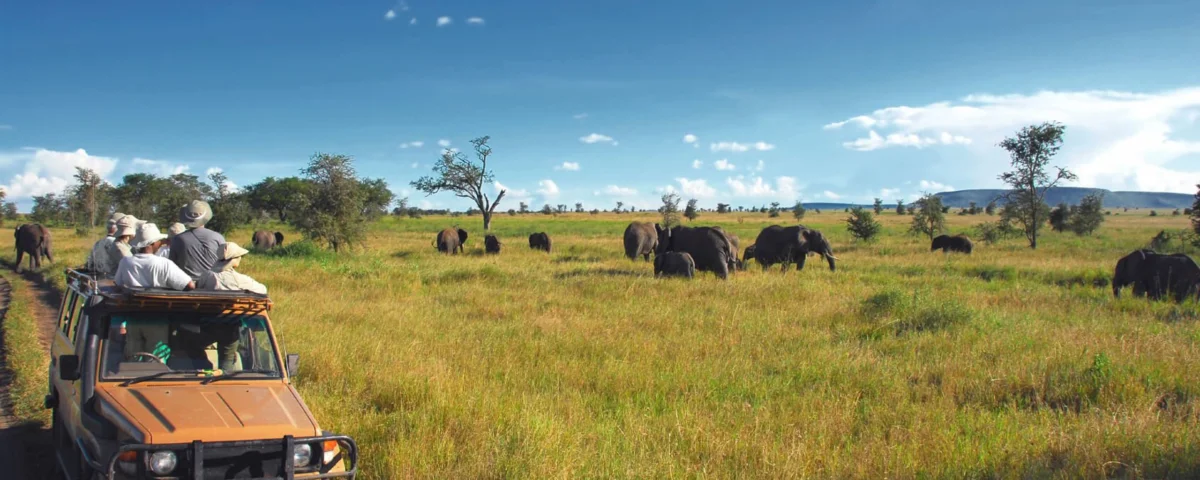
What Is Educational Safari in Tanzania
An educational safari in Tanzania combines wildlife adventure with meaningful learning experiences that help travelers understand Africa in a deeper way. Instead of focusing only on seeing animals, this type of safari allows visitors to explore conservation, ecology, local communities, culture, geography, history, and the relationship between people and nature. For families, students, and curious travelers, an educational safari can turn a holiday into a journey of discovery where every destination teaches something new.
Tanzania provides an ideal setting for this kind of travel because its landscapes support some of Africa’s most important wildlife populations and diverse ecosystems. From the open plains of the Serengeti to the forests of Lake Manyara and the wildlife rich Ngorongoro Conservation Area, travelers can observe how animals adapt to different environments. At the same time, cultural experiences can introduce visitors to communities whose lives connect closely with the land.
An educational safari does not require a classroom or formal lessons. Instead, learning happens naturally through observation, conversation, guided activities, and direct experiences. A skilled guide can explain animal behavior during a game drive, discuss conservation challenges, or help visitors understand how local communities benefit from responsible tourism.
For travelers who want more than photographs, an educational safari in Tanzania offers a chance to return home with greater knowledge and appreciation. The journey becomes a way to understand not only the wildlife but also the people, landscapes, and conservation efforts that make Tanzania one of Africa’s most important safari destinations.
Combined Uganda, Kenya, Rwanda and Tanzania Safaris
17 days Kenya Tanzania and Uganda safari
19 Days Uganda Kenya and Tanzania Safari
16 Days Kenya Tanzania and Uganda Safari
14 Days Kenya Uganda and Tanzania Safari
14 Days Kenya Uganda and Rwanda Safari
12 Day Gorilla Trekking and Tanzania Safari
What Does an Educational Safari in Tanzania Mean?
An educational safari in Tanzania focuses on learning through travel and real world experiences. The safari still includes traditional activities such as game drives, but the experience goes further by helping travelers understand the environment and the factors that shape life in the destination.
During a game drive, for example, a guide may explain why elephants gather in certain areas, how predators hunt, or how seasonal rainfall affects animal movements. Travelers can also learn how different species depend on one another within the ecosystem. As a result, wildlife viewing becomes more meaningful because visitors understand the natural processes behind what they see.
Education can also involve conservation. Tanzania protects large areas of land for wildlife, yet conservation requires cooperation between governments, communities, tourism businesses, and travelers. An educational safari can help visitors understand these connections and appreciate why responsible travel matters.
Cultural learning also forms an important part of the experience. Travelers may visit local communities, learn about traditional livelihoods, or discover how people interact with their surroundings.
Therefore, an educational safari is not simply a trip with information added to it. It changes the way travelers experience Tanzania. Instead of passing through a landscape without understanding it, visitors begin to recognize the stories behind the wildlife, ecosystems, and communities they encounter.
Why Is Tanzania a Great Destination for Educational Safaris?
Tanzania offers an exceptional environment for educational safaris because it brings together diverse ecosystems, abundant wildlife, important conservation areas, and rich cultural traditions. Travelers can explore several different landscapes within one country and learn how each environment supports different forms of life.
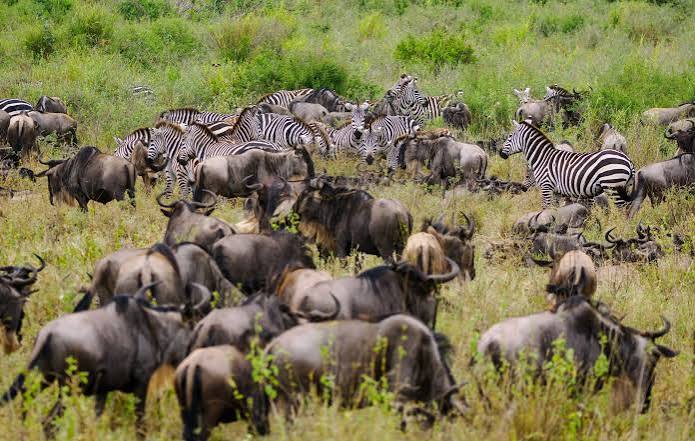
The Serengeti provides an excellent setting for understanding large scale ecosystems and wildlife behavior. The movement of wildebeest, zebras, and other herbivores demonstrates how animals respond to rainfall, food availability, and seasonal changes.
The Ngorongoro Conservation Area provides another valuable learning environment because wildlife conservation exists alongside human communities. This setting can help travelers understand that protecting nature involves more than creating national parks. It also requires thoughtful relationships between people, land, livestock, and wildlife.
Tarangire National Park offers opportunities to learn about elephants, seasonal rivers, and dry season wildlife movements. Meanwhile, Lake Manyara can introduce travelers to different habitats, including woodland and wetland environments.
Beyond wildlife, Tanzania’s cultural diversity adds another layer to the educational experience. Visitors can learn about traditional knowledge, local crafts, food, and community life.
Because Tanzania offers such varied experiences, travelers can create an itinerary that matches their interests. Whether the goal involves wildlife science, conservation, geography, culture, or photography, Tanzania provides a strong foundation for meaningful learning.
What Can Children Learn on an Educational Safari?
Children can learn a remarkable amount during an educational safari because the natural environment provides lessons that feel real and exciting. Instead of reading about animals in a book, children can watch elephants interact, observe birds in their habitats, or see predators behave naturally.
A good guide can turn these moments into simple learning opportunities. Children may discover why lions live in groups, how giraffes use their height to reach food, or why some animals migrate across long distances. These explanations can help children connect classroom subjects with real life experiences.
An educational safari can also teach children about environmental responsibility. They can learn why clean water matters, how habitats support wildlife, and what happens when human activities place pressure on natural resources.
Cultural experiences can add another important lesson. Children can meet local communities, learn about traditional skills, and discover that people around the world live in different ways. These encounters can encourage curiosity and respect for cultural diversity.
Parents can make the experience even more valuable by encouraging children to ask questions. They can discuss what the family saw each day and allow children to keep simple safari journals or wildlife notes.
As a result, children often remember the lessons because they experienced them directly. An educational safari can therefore inspire a lasting interest in nature, wildlife, conservation, and global cultures.
How Do Safari Guides Support Educational Travel?
The safari guide plays one of the most important roles in an educational safari. A knowledgeable guide does more than drive visitors through a national park. The guide helps travelers understand what they see and connects individual wildlife encounters to larger ecological stories.
For example, seeing a herd of elephants becomes more meaningful when travelers understand how elephants influence vegetation and create pathways that other animals use. Similarly, spotting a lion can become an opportunity to learn about predator behavior, territory, family structures, and the balance between predators and prey.
A strong guide also knows how to adjust explanations for different audiences. Children may need simple and engaging explanations, while adults may enjoy deeper conversations about conservation science and environmental challenges.
Guides can also provide cultural context. They can explain local traditions carefully and help visitors approach community experiences with respect.
The best educational guides encourage questions rather than simply giving long explanations. They create conversations that allow travelers to explore topics that interest them.
This human connection can make a major difference in the quality of a safari. Two travelers may visit the same park, yet the person with a skilled guide may leave with a much deeper understanding of the landscape.
Giant Holiday Safaris can help travelers plan educational safari experiences where knowledgeable guiding forms an important part of the journey, allowing visitors to connect wildlife viewing with broader lessons about Tanzania’s natural and cultural heritage.
Which Destinations Are Best for Learning?
Different safari destinations in Tanzania offer different educational opportunities. Therefore, travelers should choose destinations based on the subjects they want to explore rather than simply selecting the most famous park.
The Serengeti works especially well for learning about ecosystems, wildlife behavior, predator and prey relationships, and seasonal animal movements. Its vast plains provide an excellent setting for understanding how large ecosystems function.
Ngorongoro offers an opportunity to explore conservation alongside human settlement. The area can help visitors understand the challenges and opportunities that arise when people and wildlife share the same landscape.
Tarangire provides valuable lessons about elephants, dry season survival, and the importance of seasonal water sources. The park’s changing wildlife patterns can help travelers understand how animals respond to environmental conditions.
Lake Manyara offers a different ecological perspective because its landscape includes several habitats in a relatively compact area. Visitors may learn about woodland, wetland, and forest ecosystems during one journey.
For travelers interested in cultural learning, areas around Lake Eyasi and the wider northern Tanzania region can provide opportunities to explore traditional knowledge and community life.
The best itinerary may combine several destinations. By moving between different environments, travelers can compare ecosystems and understand how geography influences wildlife and human activities.
How Does an Educational Safari Teach Conservation?
Conservation forms one of the strongest educational themes in Tanzania. Visitors can learn that protecting wildlife involves much more than keeping animals inside protected areas. It requires long term planning, community cooperation, responsible tourism, and careful management of natural resources.
During a safari, travelers may learn about habitat protection and the challenges facing wildlife. Human population growth, climate changes, habitat loss, and illegal wildlife activities can affect ecosystems in different ways.
However, conservation education should also highlight positive developments. Tourism creates employment, supports local businesses, and generates revenue that can contribute to conservation and community development.
An educational safari can help travelers understand why responsible behavior matters. Simple actions such as respecting park rules, avoiding litter, and supporting ethical tourism operators can contribute to better outcomes.
Travelers can also learn how communities benefit when conservation and tourism work together. When local people see clear benefits from protecting wildlife, they may have stronger reasons to support conservation initiatives.
This approach creates a more complete picture of environmental protection. Instead of seeing conservation as the responsibility of governments or scientists alone, travelers understand that everyone has a role.
For children and adults alike, these lessons can continue after the safari. Visitors may return home with a stronger interest in environmental issues and a greater willingness to make responsible travel choices.
Can an Educational Safari Include Cultural Experiences?
Yes, cultural experiences can form an important part of an educational safari in Tanzania. Wildlife represents only one part of the country’s story, and cultural experiences help travelers understand the people who live within and around safari landscapes.
Families may visit local communities and learn about traditional livelihoods, food, crafts, music, or daily life. These experiences can help travelers appreciate cultural diversity while developing a better understanding of the relationship between people and their environment.
For example, learning about pastoral communities can help visitors understand how livestock contributes to local livelihoods and why land management matters. Cultural experiences can also introduce travelers to traditional knowledge about plants, weather, food, and natural resources.
However, cultural tourism should always follow responsible principles. Visitors should respect local customs, ask permission before taking photographs, and avoid treating communities as attractions.
A good cultural experience allows local people to control how they share their traditions and ensures that tourism provides meaningful benefits.
For children, cultural activities can be particularly valuable. Meeting people from a different background can encourage them to think beyond their own experiences and become more open to cultural differences.
When combined with wildlife viewing, cultural experiences create a broader educational journey. Travelers begin to understand that Tanzania’s natural landscapes and human communities form interconnected parts of the same story.
What Role Does Geography Play
Geography provides another fascinating subject for travelers exploring Tanzania. The country contains a wide range of landscapes, and each one influences the animals and people who live there.
The Serengeti’s open grasslands support large herds of grazing animals and provide excellent visibility for predators. In contrast, Tarangire’s woodland areas offer different food sources and provide important shelter during dry periods.
The Ngorongoro Crater creates a unique environment where wildlife can thrive within a relatively enclosed landscape. Lake Manyara introduces travelers to wetland and forest habitats, demonstrating how water availability influences ecosystems.
Travelers can also learn about Tanzania’s broader geographical features, including the Great Rift Valley and the relationship between mountains, lakes, forests, and plains.
These geographical lessons become easier to understand because visitors experience the landscapes directly. A guide can point out changes in vegetation and explain why wildlife numbers vary between different areas.
For children, this can make geography exciting. Instead of memorizing facts from a textbook, they can see how physical features influence real life.
Adults can also gain a deeper appreciation of how geography affects tourism planning. Seasonal rainfall, road conditions, wildlife movements, and conservation boundaries all influence the safari experience.
Therefore, an educational safari can turn Tanzania’s landscapes into a living geography lesson.
How Can Travelers Make These Tour More Meaningful?
Travelers can make an educational safari more meaningful by approaching the journey with curiosity. Instead of focusing only on ticking animals off a checklist, visitors can ask questions about what they see and why it matters.
Keeping a simple journal can help. Travelers can record interesting wildlife behavior, new facts, cultural observations, or questions they want to explore later.
Reading about Tanzania before the trip can also improve the experience. A basic understanding of the country’s ecosystems, wildlife, history, and conservation challenges gives travelers useful context.
Families can encourage children to participate actively. Young travelers can keep track of animals they see, draw pictures, or create their own wildlife stories. These activities help them remember what they learned.
Travelers should also speak with their guides. Asking thoughtful questions can lead to deeper conversations that may not happen during a standard sightseeing trip.
Respect remains equally important. Educational travel should never come at the expense of local communities or wildlife. Visitors should follow park rules and behave responsibly during cultural experiences.
Finally, travelers can continue learning after returning home. They might explore conservation projects, read more about African wildlife, or share what they learned with friends and family.
An educational safari becomes most valuable when the lessons continue beyond the journey itself.
How Can Families Plan an Educational Safari in Tanzania?
Families planning an educational safari should begin by identifying the children’s interests and ages. Younger children may enjoy short game drives and interactive activities, while teenagers may appreciate deeper lessons about conservation, culture, and wildlife behavior.
The itinerary should also allow enough time for rest. A packed schedule can make children tired and reduce their ability to enjoy learning experiences.
Families should choose accommodation carefully. Some safari camps welcome children and offer family friendly activities, while others may have age restrictions or operate in areas that require additional safety considerations.
The choice of guide matters greatly. Parents should look for experienced guides who communicate well with children and can explain complex topics in simple ways.
Families can also combine wildlife with cultural activities. This approach creates variety and helps children understand that Tanzania involves both natural and human stories.
Giant Holiday Safaris can support families in designing a balanced itinerary that combines wildlife viewing, conservation education, cultural experiences, and appropriate accommodation.
The goal should remain simple: create a safari where children feel curious rather than overwhelmed. When families balance learning with fun, the experience can become one of the most memorable educational journeys children ever enjoy.
Turning a Tanzania Safari Into a Journey of Discovery
So, what is educational safari in Tanzania? It is a travel experience that combines wildlife adventure with learning about nature, conservation, geography, culture, and local communities. Rather than simply visiting Tanzania and observing its attractions, travelers take time to understand the deeper connections that make the country unique.
The Serengeti can teach visitors about ecosystems and wildlife movements. Ngorongoro can demonstrate the relationship between conservation and human communities. Tarangire can reveal how animals adapt to seasonal changes, while Lake Manyara can introduce travelers to different habitats. Cultural experiences can then add another layer of understanding by showing how people interact with their environment.
An educational safari works for many types of travelers. Families can introduce children to wildlife and conservation, students can explore subjects beyond the classroom, and adults can deepen their understanding of Africa’s natural and cultural heritage.
Most importantly, the experience encourages responsible travel. Visitors learn why protecting wildlife matters, why communities deserve respect, and how tourism can contribute positively when travelers make thoughtful choices.
Ultimately, an educational safari in Tanzania offers more than beautiful scenery and unforgettable wildlife encounters. It creates an opportunity to return home with greater knowledge, deeper respect, and a stronger connection to the world. When travelers combine curiosity with responsible tourism, Tanzania becomes not only a place to visit but also a living classroom where every landscape, animal, and cultural encounter can teach something valuable.