What Is Educational Safari in Tanzania
July 28, 2026
What Are the Best Kenya Safari Camps for Honeymooners?
July 28, 2026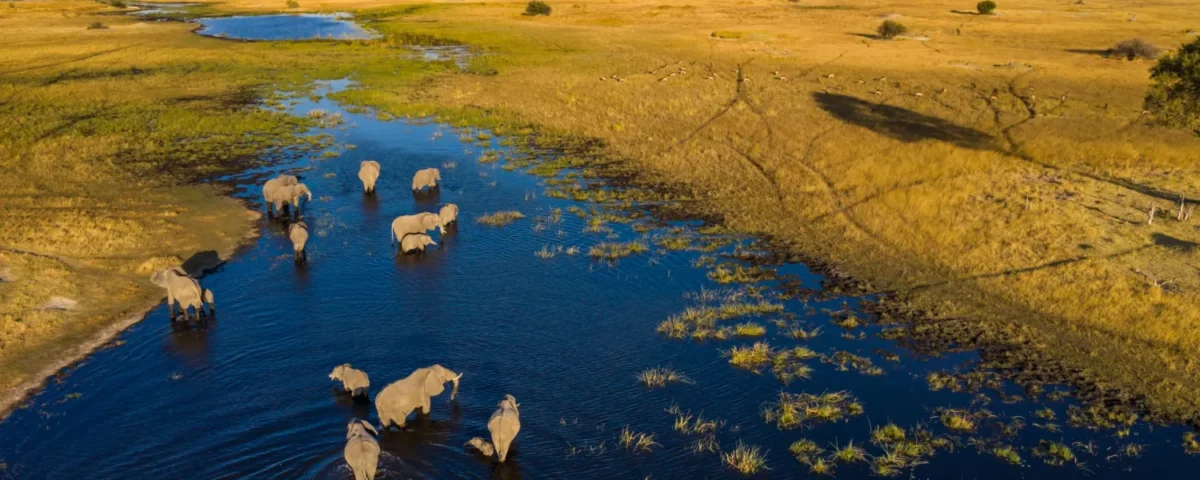
Are Private Conservancies Better Than National Parks?
Africa offers some of the world’s most rewarding wildlife experiences. Every year, millions of travelers visit the continent to witness breathtaking landscapes, incredible biodiversity, and unforgettable safari adventures. However, many visitors face one important question before planning their journey Are private conservancies better than national parks? The answer depends on travel style, budget, conservation interests, and the type of safari experience someone wants to enjoy. Both options provide exceptional opportunities to explore Africa’s wildlife, yet they differ in several important ways.
Private conservancies create exclusive wildlife experiences with fewer vehicles, personalized activities, and stronger community partnerships. National parks, on the other hand, protect vast ecosystems, welcome visitors from around the world, and preserve some of Africa’s most iconic wildlife habitats. Neither option is universally better because each serves a unique purpose within Africa’s tourism industry.
Understanding these differences helps travelers make informed decisions while supporting responsible tourism. It also allows visitors to choose destinations that match their expectations, whether they seek luxury, adventure, photography, family vacations, or affordable wildlife viewing. This guide explores the advantages, challenges, conservation impact, costs, wildlife encounters, and visitor experiences found in both private conservancies and national parks across Africa. By the end, travelers will have the knowledge needed to select the safari experience that best fits their goals.
Combined Uganda, Kenya, Rwanda and Tanzania Safaris
17 days Kenya Tanzania and Uganda safari
19 Days Uganda Kenya and Tanzania Safari
16 Days Kenya Tanzania and Uganda Safari
14 Days Kenya Uganda and Tanzania Safari
14 Days Kenya Uganda and Rwanda Safari
12 Day Gorilla Trekking and Tanzania Safari
Understanding Private Conservancies
Private conservancies are protected areas managed by private landowners, conservation organizations, tourism operators, or partnerships with local communities. Unlike government managed national parks, conservancies often combine wildlife conservation with sustainable tourism and community development. Their primary objective is to protect wildlife while creating economic opportunities for nearby residents through tourism revenue.
Many African conservancies operate under strict visitor limits. As a result, guests enjoy quieter game drives with significantly fewer safari vehicles surrounding wildlife sightings. This exclusivity creates more intimate wildlife encounters and gives guides greater flexibility when planning daily activities. Visitors can spend more time observing animals without feeling rushed or competing with large crowds.
Another defining feature involves flexibility. Private conservancies frequently allow guided walking safaris, night game drives, off road driving for wildlife viewing, and specialized photographic safaris. These experiences often remain restricted or prohibited in many national parks because of conservation regulations designed to minimize environmental impact.
Community involvement also strengthens many conservancies. Tourism income supports education, healthcare, employment, infrastructure, and wildlife protection initiatives. Local communities therefore gain direct economic benefits from conserving wildlife instead of viewing animals as competitors for land and resources.
Conservancies also invest heavily in anti poaching operations, habitat restoration, scientific research, and wildlife monitoring. Rangers work closely with researchers to track endangered species, monitor migration patterns, and improve conservation strategies. Consequently, visitors contribute directly to protecting biodiversity while enjoying high-quality safari experiences.
Although private conservancies usually charge higher entrance or accommodation fees, many travelers consider the personalized service, exclusivity, and conservation impact worthwhile investments. These protected areas continue expanding across Africa because they successfully balance environmental protection with sustainable tourism and local economic development.
Understanding National Parks
National parks represent the foundation of wildlife conservation across Africa. Governments establish and manage these protected areas to conserve biodiversity, safeguard ecosystems, preserve cultural heritage, and promote tourism. Many of Africa’s most famous safari destinations fall within national parks because they protect enormous landscapes supporting thousands of plant and animal species.
Unlike private conservancies, national parks generally remain open to a broader range of visitors. Entrance fees often stay more affordable, making wildlife tourism accessible to families, students, budget travelers, researchers, and local residents. This accessibility plays a major role in promoting environmental awareness and appreciation for natural heritage.
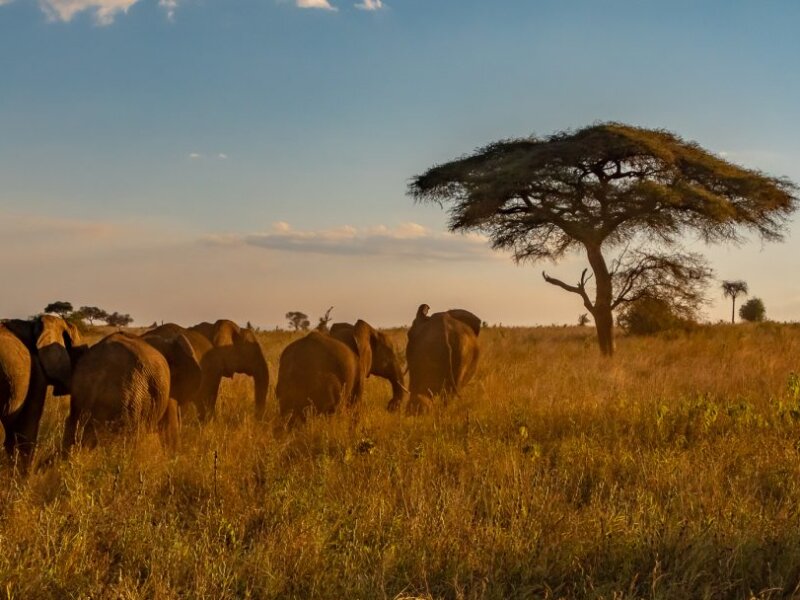
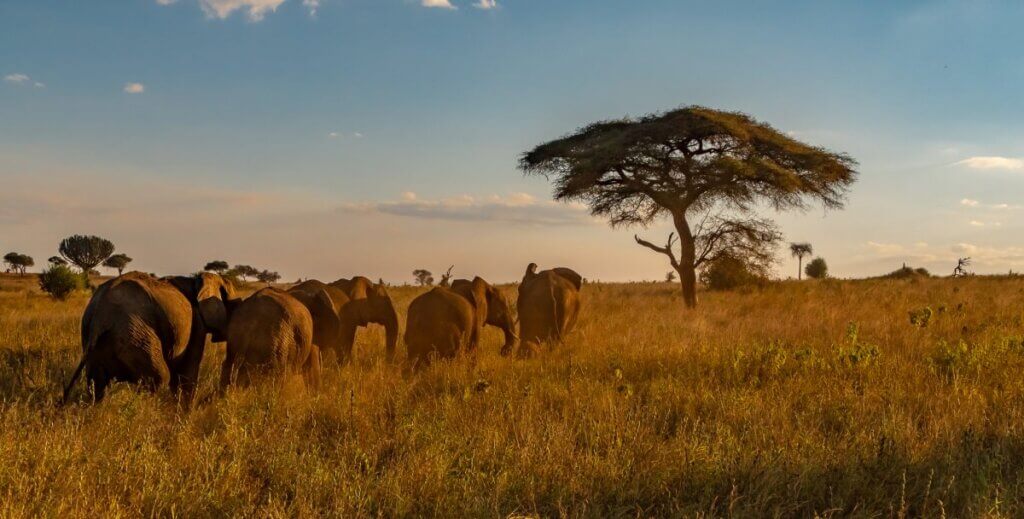
The immense size of many national parks allows wildlife to move naturally across diverse habitats. Visitors may encounter elephants crossing open plains, lions resting beneath acacia trees, giraffes feeding on tall branches, and large herds of buffalo grazing freely. Seasonal migrations also occur within several protected ecosystems, creating spectacular wildlife viewing opportunities.
National parks operate under carefully designed conservation regulations. Park authorities typically restrict off road driving, walking outside designated areas, and nighttime game drives unless special permits exist. These rules reduce habitat disturbance while protecting both wildlife and visitors.
Many parks include visitor centers, educational exhibits, museums, picnic sites, camping facilities, and established road networks. These amenities improve accessibility while encouraging environmental education among travelers of all ages.
National parks also support scientific research, endangered species recovery programs, habitat management, and ecosystem restoration. Governments collaborate with universities, conservation organizations, and international partners to strengthen wildlife protection efforts. Although some popular parks experience congestion during peak travel seasons, their ecological significance remains unmatched. Their vast landscapes continue preserving Africa’s natural heritage for future generations while supporting national economies through tourism.
Wildlife Experiences: Which Offers Better Safari Encounters?
Wildlife viewing remains the primary reason many travelers visit Africa. Therefore, comparing safari experiences becomes essential when deciding between private conservancies and national parks.
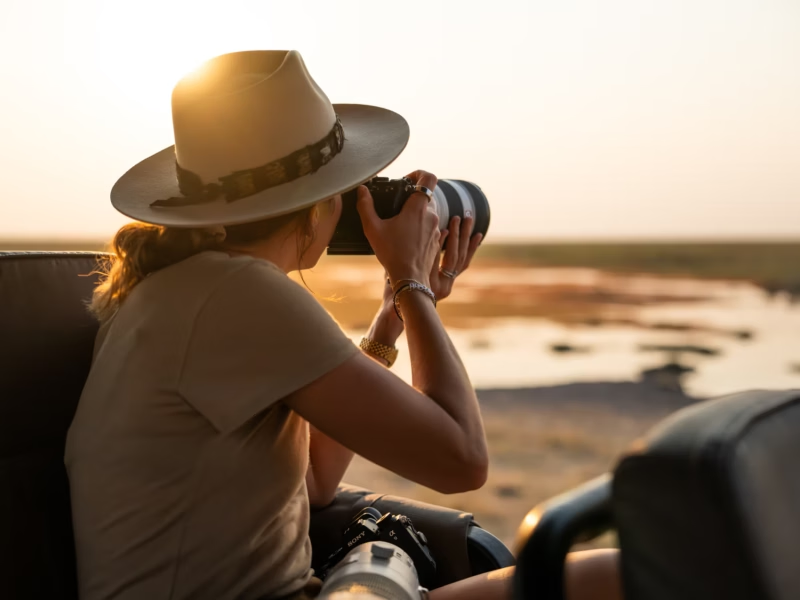
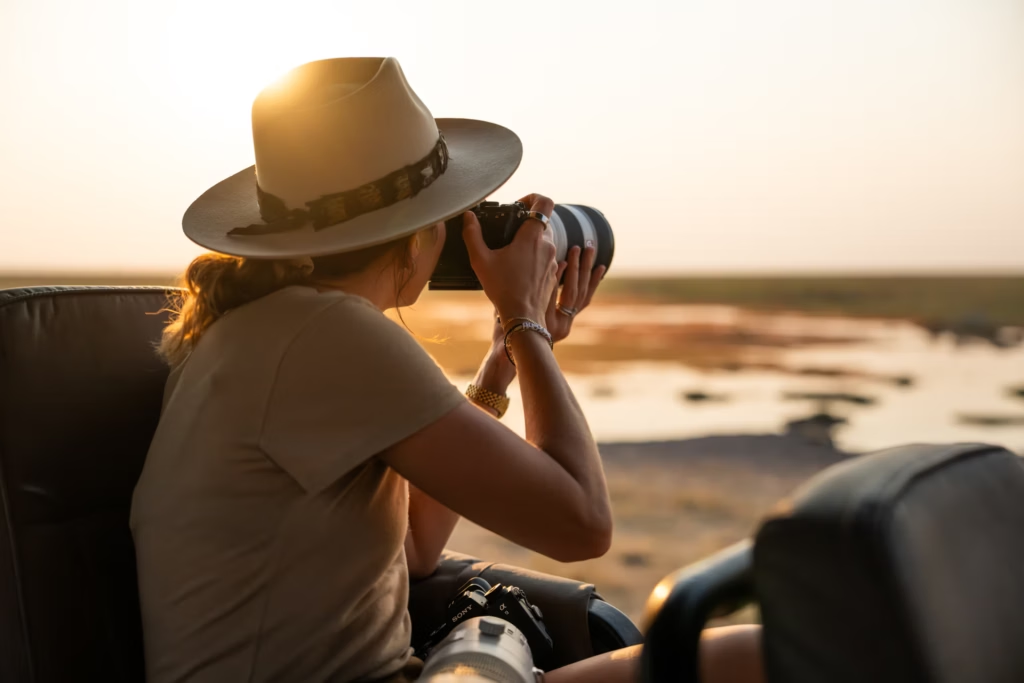
Private conservancies generally deliver more personalized wildlife encounters. Because visitor numbers remain limited, safari vehicles rarely crowd around animal sightings. Guests enjoy peaceful observation while guides explain animal behavior, ecology, and conservation efforts in greater detail. This relaxed atmosphere greatly benefits wildlife photographers, birdwatchers, honeymoon couples, and travelers seeking exclusive experiences.
Additionally, conservancies often permit off-road driving when appropriate. Guides can carefully position vehicles for better viewing without causing unnecessary environmental damage. This flexibility increases opportunities to observe elusive predators hiding within vegetation or following hunting behavior beyond established roads.
Night drives also provide exciting opportunities unavailable in many national parks. Visitors may observe nocturnal animals such as aardvarks, bush babies, civets, genets, porcupines, hyenas, and leopards actively hunting after sunset.
Conversely, national parks showcase wildlife on a much larger ecological scale. Massive elephant herds, seasonal migrations, extensive predator territories, wetlands, forests, and mountain ecosystems all exist within protected landscapes covering thousands of square kilometers. Travelers often witness dramatic natural interactions that demonstrate the complexity of Africa’s ecosystems.
Popular parks sometimes attract numerous safari vehicles during famous wildlife sightings. Although this may reduce exclusivity, experienced guides still help visitors locate remarkable wildlife throughout the day.
Ultimately, travelers seeking privacy, flexibility, and personalized guiding often prefer conservancies. Those hoping to experience expansive ecosystems, iconic landscapes, and abundant wildlife frequently find national parks equally rewarding.
Conservation Impact and Community Benefits
Conservation success depends not only on protecting wildlife but also on improving the lives of people living near protected areas. Both private conservancies and national parks contribute significantly, although they approach conservation differently.
Private conservancies often integrate conservation directly with local livelihoods. Tourism revenue creates employment opportunities for guides, trackers, hospitality staff, maintenance workers, security teams, and conservation officers. Many conservancies also fund schools, healthcare services, clean water projects, scholarships, and vocational training programs.
Because communities receive direct economic benefits, they gain stronger incentives to protect wildlife instead of converting habitats for agriculture or other land uses. This partnership reduces human-wildlife conflict while strengthening long-term conservation efforts.
Furthermore, conservancies frequently invest substantial resources in anti poaching patrols, wildlife monitoring technology, ecological research, and habitat restoration. Smaller management structures often allow faster responses to conservation challenges.
National parks deliver conservation benefits on an even broader ecological scale. Governments protect vast ecosystems supporting endangered species, migration corridors, watersheds, forests, wetlands, and biodiversity hotspots. These protected landscapes preserve ecological processes that extend far beyond park boundaries.
Government agencies also collaborate with conservation organizations to conduct wildlife censuses, disease monitoring, habitat restoration, and environmental education programs. Tourism revenue generated through park entrance fees supports wildlife management, infrastructure maintenance, ranger training, and conservation research.
Both conservation models complement each other rather than compete. National parks secure extensive ecosystems, while private conservancies strengthen wildlife protection around surrounding landscapes. Together, they create interconnected conservation networks that increase habitat availability and improve species survival across Africa.
Cost, Accessibility, and Visitor Experience
Budget plays an important role when choosing between private conservancies and national parks. Travelers should understand how pricing influences the overall safari experience.
Private conservancies typically cost more because they emphasize exclusivity, personalized guiding, luxury accommodation, gourmet dining, and smaller guest numbers. Many conservancy lodges include guided activities, meals, transfers, and conservation fees within comprehensive safari packages. Although prices may seem higher, visitors often receive exceptional value through personalized service and premium wildlife experiences.
The limited number of guests also creates a peaceful environment. Travelers enjoy flexible schedules, longer wildlife observations, customized itineraries, and closer interaction with experienced guides. Families, photographers, honeymooners, and luxury travelers frequently appreciate these advantages.
National parks provide greater affordability and accessibility. Visitors can choose budget campsites, self-drive safaris, public camps, mid-range lodges, or luxury accommodations depending on financial preferences. This variety makes national parks suitable for independent travelers, families, educational groups, and first-time safari visitors.
Road infrastructure within many parks also supports self guided exploration. Travelers renting vehicles can enjoy wildlife viewing at their own pace while reducing overall travel costs. Organized guided safaris remain widely available for those preferring professional interpretation.
Accessibility also differs geographically. National parks often receive better government investment in roads, visitor centers, airports, and public services. Conservancies may require charter flights or longer transfers because many occupy remote wilderness locations.
Neither option guarantees a better experience for every traveler. Instead, personal priorities determine which delivers greater satisfaction. Budget-conscious visitors may appreciate national parks, while those seeking privacy and personalized service often favor conservancies.
Which Option Is Right for Your African Safari?
Choosing between private conservancies and national parks ultimately depends on individual travel goals rather than identifying one universally superior option. Both contribute enormously to Africa’s conservation success while offering memorable safari experiences.
Travelers seeking luxury, exclusivity, flexible activities, fewer crowds, and personalized wildlife encounters often find private conservancies highly rewarding. Their combination of conservation, community partnerships, and tailored experiences creates unforgettable safaris that appeal to photographers, honeymooners, wildlife enthusiasts, and repeat visitors.
Meanwhile, national parks remain ideal for travelers wishing to explore Africa’s iconic landscapes, witness large wildlife populations, enjoy affordable safari options, and experience globally recognized conservation areas. Their extensive ecosystems preserve biodiversity on an extraordinary scale while welcoming visitors from diverse backgrounds and budgets.
Many experienced safari travelers choose both. They spend several days exploring a famous national park before moving into a nearby conservancy for a more intimate wilderness experience. This combination provides outstanding wildlife diversity while supporting multiple conservation initiatives.
Responsible tourism extends beyond selecting a destination. Travelers should respect wildlife, follow park regulations, support environmentally responsible operators, reduce waste, and choose accommodations committed to sustainable practices. Every responsible decision strengthens Africa’s natural heritage.
Private conservancies and national parks each represent essential pillars of wildlife conservation. Rather than asking which is better, travelers should consider which best aligns with their expectations, budget, interests, and conservation values. By making informed choices, every safari becomes more meaningful while helping preserve Africa’s extraordinary wildlife and landscapes for generations to come.
Conclusion
The choice between private conservancies and national parks is not about which is better, but about which aligns with your safari goals. Private conservancies offer exclusivity, flexibility, and personalized encounters, while national parks provide vast landscapes, iconic wildlife, and accessible adventures. Many travelers combine both for a balanced experience that delivers diversity and supports multiple conservation efforts.
Ultimately, responsible tourism respecting wildlife, supporting communities, and choosing sustainable operators—ensures every safari contributes to Africa’s natural heritage.
For travelers seeking a trusted partner to design such meaningful journeys, Gaint Holiday Safaris offers expertly tailored itineraries across both conservancies and national parks, blending adventure, comfort, and sustainability to create unforgettable African safari experiences.