What Is a Budget Tarangire Safari
August 12, 2026
How safe is Masai Mara safari?
August 15, 2026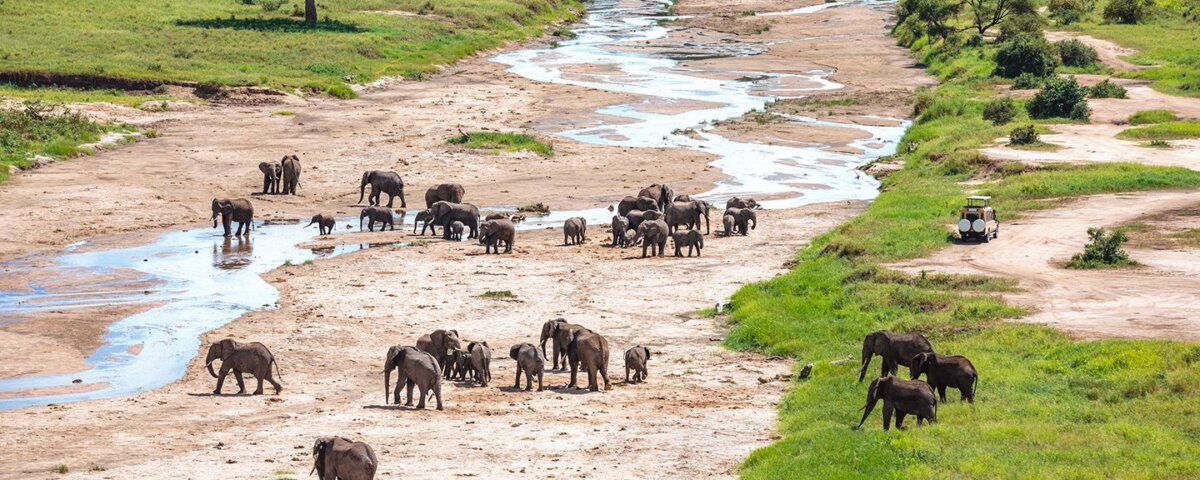
What Is Tarangire Known for During Dry Season?
Tarangire National Park becomes one of Tanzania’s most rewarding wildlife destinations during the dry season. From June to October, the park experiences a noticeable change as rainfall decreases, vegetation becomes thinner, and wildlife begins concentrating around reliable water sources. This seasonal transformation makes it easier for visitors to observe large animals and understand how wildlife adapts to changing conditions. When travelers ask what is Tarangire known for during dry season, the answer includes much more than its famous elephant herds. The park also stands out for its baobab trees, diverse wildlife, excellent birdwatching, dramatic landscapes, and relatively peaceful safari atmosphere.
The Tarangire River plays an important role during these months because it continues to provide water when many smaller seasonal sources disappear. As a result, elephants, buffaloes, zebras, giraffes, wildebeests, antelopes, and other animals move toward areas where water remains available. Predators follow these movements, creating exciting opportunities for wildlife observation.
At Giant Holiday Safaris, we understand that choosing the right season can shape your entire Tanzania safari experience. This guide explores the wildlife, landscapes, photography opportunities, birdlife, and practical benefits that make the dry season special in Tarangire.
Combined Uganda, Kenya, Rwanda and Tanzania Safaris
17 days Kenya Tanzania and Uganda safari
19 Days Uganda Kenya and Tanzania Safari
16 Days Kenya Tanzania and Uganda Safari
14 Days Kenya Uganda and Tanzania Safari
14 Days Kenya Uganda and Rwanda Safari
12 Day Gorilla Trekking and Tanzania Safari
Tarangire Is Famous for Large Elephant Herds During Dry Season
One of the strongest answers to the question what is Tarangire known for during dry season is its remarkable elephant population. During the dry months, elephants often become easier to find because they gather around permanent water sources and productive feeding areas. Tarangire has earned a strong reputation for elephant encounters, and the dry season can provide particularly memorable opportunities to watch these impressive animals.
Large family groups may move together through the woodland and grassland. Adults often guide younger elephants toward water, while calves remain close to their mothers. Watching these natural family interactions gives travelers more than a simple wildlife sighting. It provides an opportunity to understand elephant behavior and the importance of family bonds.
The Tarangire River becomes particularly important during dry conditions. Elephants may visit the river to drink, bathe, and cool themselves before returning to nearby feeding areas. Their enormous size also creates striking photographic scenes, especially when they walk beneath ancient baobab trees.
However, elephants do not follow a fixed schedule. Their movements depend on water, food, weather, and other environmental conditions. Therefore, an experienced safari guide can make a significant difference by understanding the park and knowing where wildlife may concentrate.
For travelers who dream of seeing elephants in their natural environment, the dry season provides one of the strongest reasons to include Tarangire in a Tanzania safari itinerary.
The Tarangire River Attracts Wildlife During the Dry Months
Water becomes one of the most important resources in Tarangire as the dry season progresses. While seasonal streams and pools may disappear, the Tarangire River continues to support wildlife and vegetation in parts of the park. Consequently, animals from surrounding areas often move toward the river and other dependable water sources.
This natural concentration creates excellent opportunities for wildlife viewing. Visitors may see elephants drinking along the riverbank, buffaloes gathering in groups, giraffes browsing nearby trees, and zebras moving across open grasslands. Antelopes also visit these areas to drink while remaining alert for predators.
The river does more than provide drinking water. It supports vegetation that attracts herbivores, while the presence of herbivores creates feeding opportunities for carnivores. Lions and other predators can therefore benefit from the same seasonal concentration that brings prey animals closer together.
For photographers, the river provides additional creative possibilities. Reflections, dusty tracks, green vegetation, and animals approaching the water can create compelling compositions. Early morning and late afternoon light can further enhance the atmosphere.
Nevertheless, wildlife does not always gather directly beside the river. Animals may move between water, feeding grounds, and resting areas. Therefore, visitors should remain patient and allow their guide to search different habitats.
The importance of water explains why the Tarangire River becomes such a central part of the dry season safari experience.
Ancient Baobab Trees Create Tarangire’s Iconic Dry Season Scenery
Tarangire’s ancient baobab trees provide another major answer to what is Tarangire known for during dry season. These enormous trees give the park a distinctive appearance and create some of the most recognizable landscapes in northern Tanzania. Their thick trunks, unusual branches, and ability to survive harsh dry conditions make them fascinating natural features.
During the dry season, the surrounding grass becomes golden and vegetation becomes less dense. This change can make baobabs stand out even more strongly against the landscape. Their dramatic shapes create beautiful contrasts with blue skies, golden grass, and passing wildlife.
Photographers often use baobabs as natural frames for wildlife images. An elephant walking beneath a giant baobab can create a powerful sense of scale. Similarly, a giraffe feeding beside one of these trees can produce an image that captures several defining features of the African savannah in a single frame.
The trees also demonstrate how plants adapt to difficult environments. Baobabs can store large amounts of water within their trunks, helping them survive periods when rainfall remains limited. Their unusual appearance reflects the harsh but fascinating conditions of the Tarangire ecosystem.
For visitors, these trees provide more than attractive scenery. They help define the identity of the park and create a strong visual connection between wildlife and landscape.
A dry season game drive through Tarangire therefore offers an opportunity to experience both impressive animals and the remarkable trees that make this destination unique.
Tarangire Offers Excellent Wildlife Viewing in Open Landscapes
As the dry season continues, many areas of Tarangire become more open because grasses shorten and some vegetation loses its leaves. This change can improve visibility during game drives. Instead of searching through thick vegetation, visitors may have clearer views across grasslands and woodland edges.
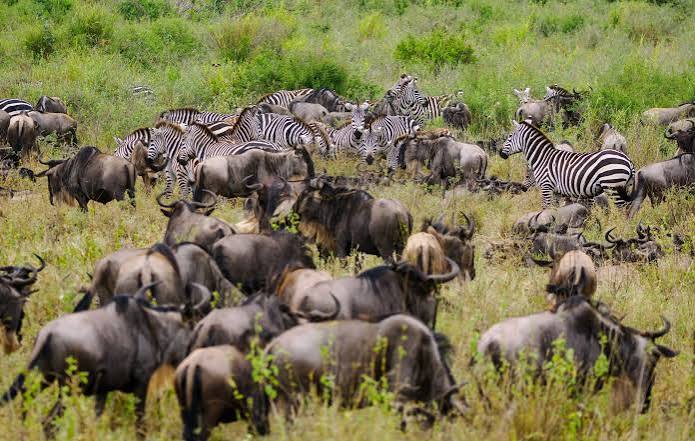
Herbivores become particularly noticeable during this period. Zebras, wildebeests, giraffes, buffaloes, impalas, gazelles, and other species move through different parts of the park in search of food and water. Their movements create dynamic scenes that allow visitors to observe interactions between different species.
The open landscape also benefits predator sightings. Lions can become easier to spot when they rest in shorter grass or near shade. Cheetahs may use open areas to scan for prey, while leopards remain more difficult to find because they prefer areas with thicker cover and trees.
However, visitors should remember that wildlife remains wild and unpredictable. A safari guide cannot guarantee a particular animal or behavior. Instead, experienced guides use their knowledge of animal tracks, recent sightings, weather, and habitat conditions to improve the chances of finding wildlife.
This unpredictability forms part of the excitement. Every game drive develops differently, and even familiar areas can produce unexpected encounters.
For travelers seeking clear wildlife views, the combination of dry vegetation and concentrated animals makes Tarangire particularly rewarding during this season.
Dry Season Predator Encounters Add Excitement to Tarangire Safaris
Predators become an important part of the Tarangire dry season experience because they follow the herbivores that gather around water and feeding areas. Lions remain among the most sought after predators, while leopards and cheetahs provide more elusive encounters.
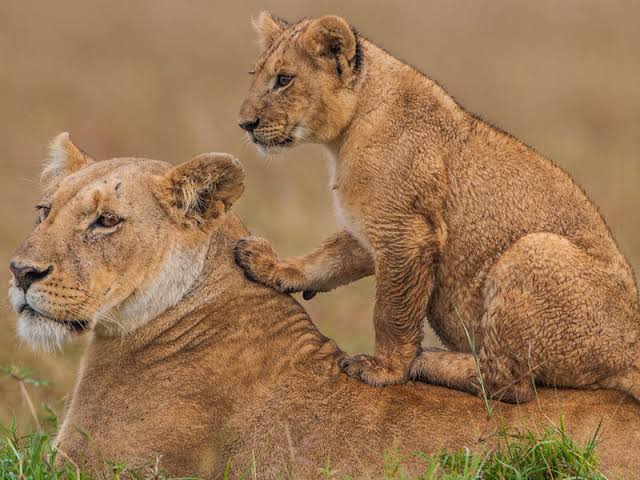
Lions often spend considerable time resting during the heat of the day. Early morning and late afternoon therefore provide productive periods for observing their movements. A pride resting beneath a tree can create a peaceful scene, while a hunting sequence can suddenly transform the atmosphere.
Cheetahs prefer open areas where they can use their speed to pursue prey. Their sightings can become particularly exciting when they scan the grasslands from a raised position or begin moving toward potential prey.
Leopards present a different challenge. Their camouflage and preference for trees and dense vegetation can make them difficult to locate. However, experienced guides may identify tracks, alarm calls, or other signs that suggest a leopard could be nearby.
Predator sightings remain a matter of chance, so travelers should avoid expecting guaranteed encounters. Instead, focus on the broader experience of observing the ecosystem. Every lion, cheetah, or leopard sighting becomes more meaningful when you understand the relationship between predators, prey, water, and seasonal conditions.
The dry season creates favorable conditions for observing these relationships, making predator encounters another reason why Tarangire attracts safari travelers.
Dry Season Birdwatching in Tarangire Remains Exceptional
Although the dry season attracts many visitors because of large mammals, Tarangire also provides excellent opportunities for birdwatching. The park supports a remarkable range of bird species, and its rivers, wetlands, woodlands, and grasslands create different habitats for both resident and seasonal birds.
Birdwatchers may encounter colorful species such as lilac breasted rollers, hornbills, kingfishers, bee eaters, weavers, barbets, and various birds of prey. Raptors can often be seen scanning the landscape from trees or soaring above open areas.
The Tarangire River and wetland areas attract water dependent species, while woodland habitats support smaller birds that search for insects, seeds, and fruit. Dry conditions can also make some birds easier to notice because reduced vegetation opens views through the woodland.
Birdwatching works especially well during early morning game drives. Temperatures remain cooler, birds become active, and the soft light creates excellent conditions for photography. Travelers should carry binoculars because many species remain high in trees or at a distance.
A knowledgeable guide can also help identify species and explain their behavior. This adds depth to the safari because visitors begin noticing the smaller details of the ecosystem rather than focusing only on large mammals.
Therefore, anyone interested in what is Tarangire known for during dry season should include its birdlife on the list. The park’s avian diversity adds color, movement, and variety to every game drive.
Dry Season Photography Opportunities in Tarangire
Tarangire becomes particularly attractive to photographers during the dry season because several elements come together to create strong visual compositions. Golden grass, dramatic baobabs, clear skies, dusty tracks, concentrated wildlife, and warm morning and evening light provide a wide range of photographic subjects.
Elephants remain among the most popular subjects. Their large size allows photographers to create both close portraits and wide landscape images. Including a baobab tree or distant hills can provide context and show the scale of the environment.
The dry landscape also produces warm natural colors. Early morning light can create soft shadows across the grasslands, while late afternoon sunlight can give wildlife a warm glow. These periods often provide better conditions than harsh midday light.
Bird photographers can also benefit from open vegetation. Rollers, kingfishers, bee eaters, and birds of prey may become easier to spot when foliage becomes thinner.
Good photography requires patience. Instead of rushing from one sighting to another, spend time observing animal behavior. A photographer who waits may capture an elephant interacting with its calf, a giraffe crossing a golden plain, or a bird taking flight.
You should also respect wildlife and follow your guide’s instructions. Avoid loud noises or sudden movements that could disturb animals. The combination of scenery, wildlife, and natural light makes photography another major attraction of Tarangire’s dry season.
Why Dry Season Makes Tarangire Different From Other Safari Destinations
Tarangire’s dry season has its own character within Tanzania’s northern safari circuit. While destinations such as Ngorongoro and Serengeti offer their own exceptional wildlife experiences, Tarangire provides a distinctive combination of elephants, baobabs, seasonal water sources, and diverse habitats.
The park’s relatively spacious environment can also create a different atmosphere from destinations where wildlife viewing becomes highly concentrated around specific attractions. Tarangire allows travelers to appreciate the wider landscape while still encountering impressive numbers of animals.
Its location makes it especially convenient for travelers building a northern Tanzania safari. Many itineraries connect Tarangire with Ngorongoro and Serengeti, allowing visitors to experience different ecosystems during one journey.
The dry season highlights these differences. Tarangire’s water sources become important gathering points, while the golden landscape creates a strong contrast with the greener scenery that visitors may encounter elsewhere during wetter periods.
This variety gives travelers a broader understanding of Tanzania’s wildlife environments. Rather than visiting one park and assuming all safari landscapes look the same, you can experience how geography, rainfall, vegetation, and water availability shape animal behavior.
For this reason, Tarangire deserves consideration as more than a quick stop. Its dry season character provides a distinct safari experience that can complement other destinations across northern Tanzania.
Planning a Dry Season Tarangire Safari
Planning ahead can help travelers make the most of Tarangire during the dry season. Because June through October often attracts strong visitor interest, early booking can help secure preferred accommodation, vehicles, and travel dates.
Start by deciding how long you want to spend in the park. A full day can provide a good introduction, while two or more days allow you to explore different habitats at a more relaxed pace. If you have additional time, you can combine Tarangire with Ngorongoro or Serengeti.
Choose accommodation based on your budget and preferred experience. Staying closer to the park can reduce early morning travel and provide more time for game drives.
Pack lightweight clothing, a warm layer for cool mornings, comfortable shoes, sun protection, insect repellent, binoculars, and camera equipment. Dust can become noticeable during dry conditions, so protecting cameras and other sensitive equipment can also help.
Most importantly, choose an experienced safari operator and guide. A knowledgeable guide can help you understand seasonal wildlife movements and make better use of your time in the park.
The dry season offers excellent opportunities, but nature always remains unpredictable. Approach the safari with realistic expectations and an open mind.
Understanding what is Tarangire known for during dry season helps you plan around the park’s strongest seasonal features while leaving room for the unexpected moments that make a Tanzania safari so memorable.