What Is Tarangire Known for During Dry Season?
August 12, 2026
Which Kenya safari park has the most wildlife?
August 15, 2026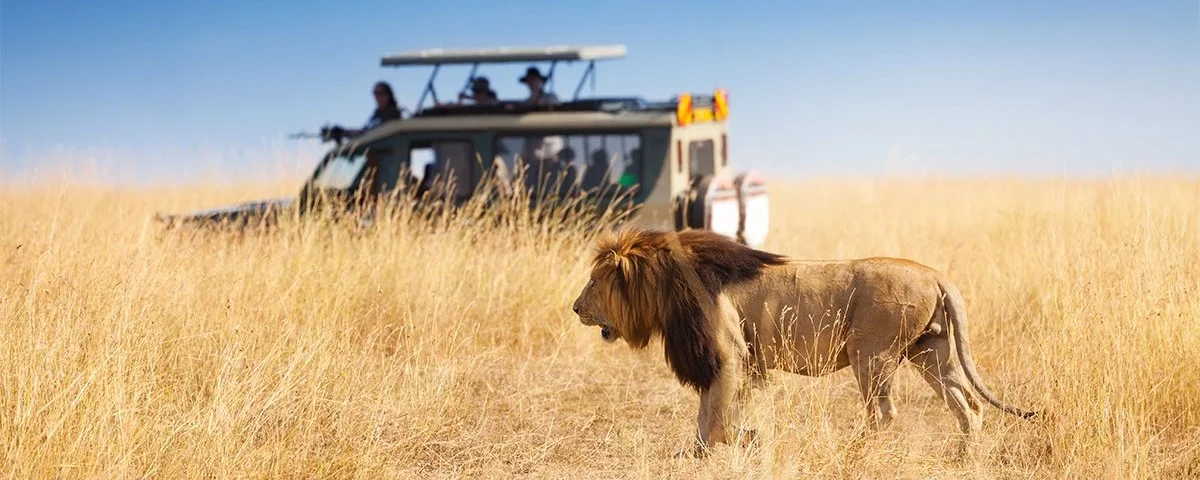
How Safe Is Masai Mara Safari? A Complete Guide for Travelers
Planning a safari in Kenya often brings one important question to mind: How safe is Masai Mara safari? The Masai Mara stands among Africa’s most famous wildlife destinations, attracting travelers who want to see lions, elephants, cheetahs, leopards, buffaloes, giraffes, wildebeests, and many other animals in their natural environment. However, because a safari takes you into a wild landscape, safety deserves careful attention before you travel.
The good news is that a well-planned Masai Mara safari can provide a safe, comfortable, and rewarding experience. Professional safari guides understand animal behavior, know the reserve and surrounding conservancies, and follow established wildlife-viewing practices. In addition, reputable lodges and camps maintain safety procedures that help protect guests throughout their stay.
Nevertheless, safari safety does not mean treating the wilderness like an ordinary city destination. Wild animals remain unpredictable, weather can change quickly, roads can become difficult during rain, and travelers need to follow guide instructions. Therefore, preparation plays a major role in creating a secure safari experience.
This guide explains Masai Mara safari safety from several angles, including wildlife encounters, vehicles, accommodation, health, road travel, walking safaris, family travel, personal belongings, weather, and responsible behavior. Whether you are visiting Kenya for the first time or returning for another African adventure, understanding these practical safety measures will help you enjoy the Masai Mara with greater confidence.
Combined Uganda, Kenya, Rwanda and Tanzania Safaris
17 days Kenya Tanzania and Uganda safari
19 Days Uganda Kenya and Tanzania Safari
16 Days Kenya Tanzania and Uganda Safari
14 Days Kenya Uganda and Tanzania Safari
14 Days Kenya Uganda and Rwanda Safari
12 Day Gorilla Trekking and Tanzania Safari
Is Masai Mara Safari Safe for International Travelers?
Yes, the Masai Mara can be a safe destination for international travelers when visitors choose reliable safari operators, use suitable accommodation, and follow basic travel and wildlife safety practices. Every year, travelers from different parts of the world visit the reserve and surrounding conservancies for game drives, cultural experiences, photography, and luxury or budget safari holidays.
One major advantage of traveling with an established safari operator comes from local knowledge. Experienced guides understand the roads, wildlife areas, seasonal conditions, and appropriate distances from animals. They also know how to handle common situations that may arise during a game drive. As a result, visitors can focus on enjoying the landscape instead of trying to manage unfamiliar wilderness conditions themselves.
Furthermore, the Masai Mara operates within a structured tourism environment. Camps, lodges, guides, drivers, conservancies, and reserve authorities all contribute to visitor safety. However, travelers should still make sensible decisions. Do not leave your vehicle during a game drive unless your guide confirms that the location and conditions make it safe. Likewise, avoid approaching wild animals on foot or attempting to attract their attention for photographs.
The safest approach combines professional guidance with personal responsibility. Before booking, check your safari company’s experience, vehicle standards, guide qualifications, accommodation reviews, emergency arrangements, and communication systems. A good operator should also explain important safety rules before your first game drive.
Ultimately, Masai Mara safety depends less on avoiding the wilderness and more on understanding it. When you respect the environment and work with professionals who know the destination, the experience becomes both exciting and secure.
Is It Safe to See Wild Animals in the Masai Mara?
Seeing wild animals in their natural habitat remains the heart of a Masai Mara safari, but travelers must remember one essential fact: these animals are wild. Lions, elephants, buffaloes, hippos, leopards, and other species do not behave like animals in a zoo. They can react quickly when they feel threatened, surprised, cornered, or disturbed.
Fortunately, safari vehicles create a safe viewing environment when visitors follow proper procedures. Your guide controls the vehicle’s position and chooses suitable distances for wildlife viewing. In many situations, animals continue their normal behavior while vehicles remain stationary and respectful.
For example, a lion may walk close to a safari vehicle without showing concern. That does not mean you should reach outside, stand up suddenly, shout, or attempt to touch it. Similarly, an elephant may approach a vehicle because it sees no immediate threat, but visitors should remain calm and allow the animal enough space to move freely.
Buffaloes deserve particular respect because they can become aggressive when threatened. Hippos also require careful handling, especially around water and during walking activities. Even apparently calm animals can change behavior quickly.
Therefore, never assume that an animal is safe simply because it looks relaxed. Your guide reads body language, movement patterns, terrain, and other environmental signals that visitors may not notice.
Photography also requires discipline. A perfect photograph is never worth risking your safety. Keep cameras and phones inside the vehicle when your guide instructs you to do so. Avoid using flash if it could disturb wildlife, and never make loud noises to create a better photograph.
A responsible safari allows wildlife to remain wild. The goal is not to control the animals but to observe them respectfully. This approach protects both visitors and wildlife while creating a much more authentic safari experience.
How Safe Are Masai Mara Game Drives?
Masai Mara game drives rank among the safest and most popular ways to explore the reserve because trained drivers understand the terrain and wildlife. Safari vehicles provide an elevated viewing platform, strong protection from the surrounding environment, and better mobility across the reserve.
Professional drivers usually know where wildlife gathers during different seasons and times of day. They also understand how to approach animals without creating unnecessary stress. This local experience becomes particularly valuable when visitors encounter predators, elephants, large herds, or animals near water.
During a game drive, passengers should remain seated unless the guide gives permission to move. Keep arms, heads, and other body parts inside the vehicle. Do not stand suddenly when an animal approaches. Even a small movement can attract an animal’s attention, and sudden actions can create unnecessary risks.
Vehicle safety matters as well. Choose a safari operator that maintains its vehicles properly and equips them for the terrain. A suitable safari vehicle should have reliable tires, working seat belts, communication equipment, and basic emergency supplies. The driver should also have strong knowledge of the Mara’s roads.
Road conditions can vary throughout the year. During rainy periods, some tracks become muddy and challenging. A skilled driver knows how to handle these conditions, while a well-maintained vehicle reduces the chance of avoidable mechanical problems.
Travelers should also prepare for long hours inside the vehicle. Carry drinking water, sun protection, appropriate clothing, and any personal essentials you may need. Motion sickness medication can also help travelers who struggle with rough roads.
With responsible driving, good vehicle maintenance, professional guiding, and sensible passenger behavior, game drives offer a highly enjoyable way to explore the Masai Mara.
Are Masai Mara Camps and Lodges Safe?
Accommodation safety forms another important part of a successful Masai Mara safari. The region offers a wide range of camps and lodges, from comfortable tented camps to high-end luxury properties. While standards differ between properties, reputable accommodations maintain procedures designed to protect guests in a wildlife environment.
One major difference between safari accommodation and an ordinary city hotel involves the presence of wildlife around the property. Some camps sit directly within natural habitats without conventional perimeter walls. Animals may therefore pass through or near the camp. This creates an authentic wilderness atmosphere, but it also means guests must follow camp rules carefully.
For this reason, many camps provide escorts when guests move between tents and common areas after dark. Travelers should use these services instead of walking alone at night. Do not assume that a short distance between your tent and the dining area makes independent walking safe.
Accommodation staff also provide important information about wildlife activity, emergency procedures, meal schedules, and movement around the property. Listen carefully during your arrival briefing. If staff tell you not to leave your tent at certain times without assistance, follow that instruction.
Inside your accommodation, keep doors and tent entrances properly secured when instructed. Store valuables responsibly and avoid leaving food where it could attract animals or insects.
Before booking, research the property’s location, safety procedures, emergency communication, reviews, and reputation. A reputable camp should have trained staff and clear procedures for medical emergencies, wildlife encounters, fire safety, and guest assistance.
A well-run safari camp allows travelers to enjoy the excitement of sleeping in the African wilderness without unnecessary exposure to avoidable risks.
Is It Safe to Walk in the Masai Mara?
Walking safaris can offer one of the most memorable ways to experience the Masai Mara, but walking through wildlife habitat requires much greater caution than traveling inside a safari vehicle. Visitors should never walk freely through areas where dangerous wildlife may be present.
A guided walking safari should always involve an experienced professional who understands animal behavior and the surrounding environment. Depending on the location, the guide may work with a trained ranger or other qualified personnel. The team evaluates the terrain, animal activity, weather, visibility, and other factors before beginning the walk.
During a walking safari, travelers need to remain quiet and stay close to the guide. Do not wander away from the group to take photographs or investigate something interesting. Likewise, avoid running if you see an animal. Running can trigger a chase response in some species.
Footwear also matters. Choose comfortable, closed shoes with good grip. The Mara can include uneven ground, stones, grass, muddy sections, and steep or slippery areas. Lightweight clothing, sun protection, insect protection, and sufficient drinking water also improve comfort.
Walking activities often focus on smaller details that travelers might miss from a vehicle. You may examine tracks, plants, insects, birds, animal signs, and the broader ecosystem. However, the guide remains responsible for assessing safety throughout the activity.
Because wildlife conditions can change quickly, a walking safari may not always suit every traveler or every location. Families should pay particular attention to age requirements and operator policies.
The key principle remains simple: never walk into the wilderness without qualified guidance and a clear understanding of the conditions. A professionally managed walking experience can be safe, educational, and deeply rewarding.
How Safe Is Masai Mara Road Travel?
Road travel forms an important part of many Masai Mara safari itineraries because visitors often travel from Nairobi or another Kenyan destination toward the reserve. The safety of this journey depends on road conditions, vehicle quality, driver experience, weather, and travel timing.
A professional safari driver brings major advantages. Experienced drivers understand the route, know common road challenges, and can adjust their driving to changing conditions. They also understand how to prepare for long journeys and where travelers can safely stop.
Weather can influence road conditions significantly. Heavy rain may create muddy sections, potholes, slippery surfaces, and slower travel times. Therefore, travelers should allow enough time for the journey rather than expecting every road to remain predictable throughout the year.
Vehicle condition also matters. Before starting a long safari, the operator should inspect tires, brakes, lights, fluids, communication equipment, and other important components. A reliable vehicle reduces the likelihood of preventable problems.
Travelers should wear seat belts throughout the journey, even when the road looks quiet. Avoid distracting the driver, especially on difficult sections. If you feel uncomfortable with driving speed, communicate respectfully with the driver and prioritize safety over reaching the destination quickly.
Some travelers choose domestic flights to airstrips near the Masai Mara. This option can reduce road travel time and may provide a convenient alternative for visitors with limited time. However, the choice between road and air travel depends on budget, itinerary, luggage, and personal preferences.
Good safari planning therefore begins before you enter the reserve. Select a reputable operator, use a suitable vehicle, and allow realistic travel time. These simple decisions can make the entire journey more comfortable and secure.
Is Masai Mara Safe for Families With Children?
Families can enjoy an unforgettable Masai Mara safari, but parents should choose activities and accommodation with their children’s ages, behavior, and comfort levels in mind. The wilderness environment creates different safety requirements from a typical family holiday.
Children should receive clear instructions before the first game drive. Teach them to remain seated, keep their voices low, avoid sudden movements, and never attempt to feed or touch animals. These rules protect children while also helping wildlife remain calm.
Accommodation selection also matters. Some camps welcome children warmly and provide family tents or suitable activities, while others may have age restrictions because of their location or wilderness setting. Parents should check these requirements before booking.
Long game drives can also challenge younger children. Families should plan reasonable schedules with breaks, snacks, water, and comfortable clothing. A private vehicle can provide additional flexibility because parents can adjust the pace around their children’s needs.
Walking activities require even more attention. Children should never walk independently around a camp or wildlife area. Parents must follow staff instructions regarding escorts, especially after dark.
Health preparation also deserves attention. Families should consult qualified medical professionals before international travel and make sure they understand routine travel health recommendations for Kenya. Carry essential medication, personal health supplies, sunscreen, insect protection, and sufficient drinking water.
The right safari operator can make family travel much easier. Experienced guides understand how to engage young travelers while maintaining strict wildlife safety. They can also adjust explanations and activities to suit different ages.
With thoughtful planning, the Masai Mara can become an excellent family destination. Children gain direct exposure to wildlife, conservation, geography, ecology, and African landscapes while parents enjoy the experience with greater peace of mind.
What Health and Personal Safety Precautions Should You Take?
Health preparation plays an important role in any international safari. The Masai Mara sits in a natural environment, so travelers should prepare for sun exposure, insects, changing temperatures, long drives, and different food and water conditions.
Start by discussing your travel plans with a qualified healthcare professional before departure. Medical advice should consider your personal circumstances, travel route, season, and planned activities. Travelers should also carry necessary prescriptions in their original packaging and keep important medical information accessible.
Hydration remains especially important during safari. Carry sufficient drinking water and drink regularly, particularly during warm days. Dehydration can cause fatigue, headaches, and dizziness, which can make long game drives uncomfortable.
Sun protection also matters. Use sunscreen, wear a hat, and consider lightweight long-sleeved clothing during periods of strong sunlight. Sunglasses can protect your eyes from glare and dust.
Insect protection deserves attention as well. Follow appropriate travel-health advice concerning insect-borne illnesses, use suitable repellents, and consider accommodation recommendations regarding mosquito protection.
Food and water hygiene should remain part of your normal travel routine. Use drinking water supplied by reputable accommodations and avoid unnecessary risks with unfamiliar food if you have a sensitive stomach.
Travel insurance provides another important layer of protection. A suitable policy can help cover unexpected medical treatment, evacuation, trip interruptions, lost belongings, or other emergencies depending on its terms.
Personal security also matters outside the wildlife environment. Keep valuable items secure, avoid displaying large amounts of cash, and follow local guidance when traveling between destinations. Keep important documents protected and maintain copies of essential travel information.
Good preparation does not mean expecting problems. Instead, it gives you practical solutions before problems arise. That preparation allows you to enjoy the Masai Mara with confidence and focus on the experience.
What Should You Avoid During a Masai Mara Safari?
Safari safety often depends on avoiding a few simple mistakes. Travelers sometimes become excited when they see their first lion, elephant, leopard, or cheetah and forget that the wilderness operates according to different rules.
First, never leave a safari vehicle without permission from your guide. Even if an area looks empty, wildlife may remain hidden nearby. Tall grass and uneven terrain can reduce visibility, making an apparently safe location unpredictable.
Second, never feed wild animals. Feeding changes natural behavior and can encourage animals to approach people or vehicles expecting food. This creates long-term risks for both wildlife and visitors.
Third, avoid shouting, playing loud music, or making sudden movements around animals. Responsible wildlife viewing depends on patience. The quieter you remain, the more naturally animals behave.
Fourth, never attempt to get closer to an animal simply for a photograph. Your guide understands appropriate viewing distances. Respect those limits even when another vehicle appears closer.
Fifth, avoid walking around camps after dark without following the property’s procedures. Wildlife can move through camp areas, and darkness makes it harder to see potential hazards.
Sixth, do not ignore weather conditions. Heavy rain, intense heat, and slippery roads can affect travel plans. Follow your guide’s instructions when conditions change.
Finally, avoid choosing a safari operator based only on the lowest price. A very cheap safari can sometimes involve compromises in vehicle quality, guiding standards, accommodation, itinerary planning, or customer support. Compare the complete service rather than focusing only on the advertised price.
Safety becomes easier when travelers respect boundaries. The Masai Mara offers extraordinary experiences, but responsible behavior ensures those experiences remain enjoyable without creating unnecessary risks.
What Makes a Masai Mara Safari Operator Safe and Reliable?
Choosing the right safari operator may be the most important decision a traveler makes before visiting the Masai Mara. A professional company does more than arrange transport and accommodation. It manages logistics, guides, communication, safety procedures, timing, and emergency planning.
Start by examining the company’s experience in Kenya. An established operator should demonstrate strong knowledge of the Masai Mara, surrounding conservancies, accommodation options, wildlife seasons, road conditions, and practical travel requirements.
Next, examine the safari vehicles and guiding standards. Reliable vehicles should receive proper maintenance, while guides should understand wildlife behavior and responsible tourism practices. A knowledgeable guide can significantly improve both safety and the quality of the safari experience.
Communication also matters. Your operator should provide clear contact information and explain what happens if plans change. Ask how the company handles vehicle breakdowns, medical emergencies, weather disruptions, or other unexpected situations.
Accommodation partnerships provide another useful indicator. A professional operator should work with reputable camps and lodges that maintain appropriate guest procedures.
Transparency also builds trust. Your safari quotation should clearly explain what the package includes and excludes. This reduces misunderstandings and helps travelers plan accurately.
Reviews can provide useful information, but travelers should examine them critically. Look for consistent patterns involving guide quality, communication, vehicle condition, punctuality, accommodation, and customer support rather than focusing on one isolated comment.
Responsible tourism should also influence your decision. A strong operator respects wildlife, supports local communities, follows conservation principles, and avoids practices that harm the environment.
Ultimately, safety comes from a combination of professional planning, local expertise, quality equipment, responsible guiding, and clear communication. Choosing a trustworthy safari company gives travelers a stronger foundation for a smooth Masai Mara adventure.
Is Masai Mara Safari Safe During the Great Migration?
The Great Migration creates one of the most spectacular wildlife experiences in Africa, with large numbers of wildebeest and other herbivores moving through the greater Serengeti-Mara ecosystem. Naturally, many travelers wonder whether the increase in wildlife also creates additional safety concerns.
A properly managed migration safari remains safe when visitors follow professional guidance. The large concentration of animals can make game viewing particularly exciting, but it also requires drivers to understand animal movement and maintain appropriate distances.
River crossings require special caution. Travelers should never approach water or wildlife independently. Crocodiles, hippos, strong currents, steep banks, and large groups of animals create a complex environment. Experienced guides choose suitable viewing positions and help visitors understand what they are seeing.
The increased number of safari vehicles during peak periods can also affect the experience. Responsible drivers should avoid dangerous positioning, excessive crowding, or behavior that disturbs animals. Travelers should select operators that value ethical wildlife viewing rather than chasing the closest possible photograph.
Weather can change migration conditions as well. Roads may become muddy, and animal movement can vary according to rainfall and available grazing. Therefore, travelers should maintain flexible expectations rather than treating wildlife schedules as guaranteed.
The Great Migration offers extraordinary opportunities for photography and wildlife observation, but patience remains essential. Animals do not follow human timetables. Sometimes the most rewarding moments happen after waiting quietly for an extended period.
With experienced guides, suitable vehicles, responsible viewing practices, and realistic expectations, the migration season can provide one of the most memorable and secure wildlife experiences in Kenya.
How Can You Make Your Masai Mara Safari Safer and More Enjoyable?
The best way to improve safari safety involves combining preparation with respect for local expertise. Before leaving home, research your destination, understand your itinerary, prepare appropriate clothing, organize travel documents, and make sure you have suitable insurance and essential health supplies.
Once you arrive in Kenya, listen carefully to your guide and accommodation staff. They understand the local environment and can explain conditions that visitors may not recognize. If they recommend a particular route, walking procedure, or wildlife-viewing distance, follow that guidance.
Pack practical clothing rather than focusing only on appearance. Lightweight layers work well because temperatures can change between early mornings, afternoons, and evenings. Comfortable shoes, sun protection, insect repellent, personal medication, and a reusable water bottle can also make the trip easier.
Keep your camera equipment secure and avoid carrying unnecessary valuables. Safari vehicles can become dusty, so protective bags can help protect electronics and personal items.
Maintain realistic expectations as well. A safari involves nature, not a controlled performance. You may see ten lions one day and spend hours searching for a leopard the next. Weather may change your route, and wildlife may remain hidden. Flexibility reduces stress and helps you appreciate the experience.
Most importantly, respect wildlife. Do not treat animals as entertainment objects. Watch quietly, photograph responsibly, and allow them to move naturally.
Safety and enjoyment work together. When you prepare properly, follow professional guidance, respect wildlife, and choose a reputable safari operator, you create the conditions for a remarkable Masai Mara experience.
Final Thoughts: How Safe Is Masai Mara Safari?
So, how safe is Masai Mara safari? For most international travelers, the Masai Mara provides a safe and highly rewarding safari environment when visitors plan carefully and follow established safety practices. The biggest risks usually come from ignoring wildlife rules, choosing unreliable services, walking without proper guidance, or failing to prepare for the natural conditions of the destination.
The Masai Mara rewards travelers who respect its wilderness. Professional guides, reliable safari vehicles, reputable camps, responsible wildlife viewing, sensible health preparation, and good travel planning all contribute to a secure experience. Furthermore, travelers who understand that they are entering a genuine wildlife environment can enjoy the destination with confidence while respecting the animals and communities that make the region special.
A safari should never feel like a struggle between adventure and safety. Instead, good planning allows both to exist together. You can watch a lion at sunrise, follow elephants across the plains, photograph cheetahs, witness massive herds during migration season, and experience the beauty of the Mara while maintaining sensible safety standards.
For travelers seeking dependable planning, local knowledge, professional guidance, and a carefully organized African safari, Giant Holiday Safaris offers a trusted approach to exploring the Masai Mara. The right safari partner helps turn preparation into confidence and a dream of African wildlife into a meaningful, responsible, and memorable journey.