Which Kenya Safari Camps Are Luxury?
July 16, 2026
What Are the Best Safari Excursions From Mombasa?
July 16, 2026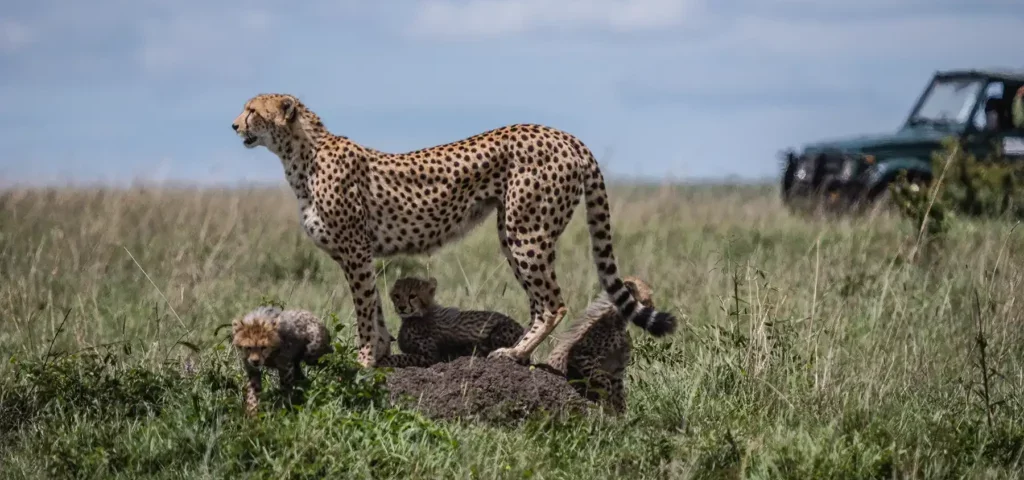
What Is the Cheapest Month for Kenya Safari?
If you want to see Africa’s greatest wildlife without stretching your budget, one calendar question matters more than any other: what is the cheapest month for Kenya safari? The short answer points firmly toward April and May, when the long rains arrive, visitor numbers fall to their lowest, and lodges cut their rates dramatically. However, the full picture rewards a closer look, because each month brings its own balance of price, weather, and wildlife. Kenya’s safari calendar rises and falls with the rains and the Great Migration, so prices swing considerably across the year. As a result, simply shifting your travel dates by a few weeks can transform what you pay for exactly the same lions, elephants, and rhinos. In this complete guide, we walk through the Kenya safari calendar month by month, revealing where the savings sit and what you trade for them. By the end, you will know exactly which month suits your budget and your expectations.
Combined Uganda, Kenya, Rwanda and Tanzania Safaris
17 days Kenya Tanzania and Uganda safari
19 Days Uganda Kenya and Tanzania Safari
16 Days Kenya Tanzania and Uganda Safari
14 Days Kenya Uganda and Tanzania Safari
14 Days Kenya Uganda and Rwanda Safari
12 Day Gorilla Trekking and Tanzania Safari
Understanding Kenya’s Safari Seasons
Before we name the cheapest month, you should understand what drives Kenya’s prices up and down. Two forces shape the entire calendar: the rains and the Great Migration. Kenya experiences long rains from roughly late March through May, and shorter rains around November. Because rain can make tracks muddy and grass taller, fewer travelers visit during these periods. As a result, lodges and operators cut their rates sharply to attract guests, creating the year’s best bargains.
Furthermore, the Great Migration transforms demand. When millions of wildebeest and zebra pour into the Maasai Mara around July, and stay through October, visitors flood in from around the world. Because everyone wants to witness the river crossings, prices climb steeply and the best camps sell out months ahead. In addition, the December holidays bring another surge as families travel. Consequently, Kenya’s calendar splits roughly into expensive peak months, moderate shoulder months, and cheap green season months. Understanding this rhythm lets you position your trip exactly where the savings sit. For budget conscious travelers, this knowledge proves genuinely valuable.
April and May: The Cheapest Months
Without question, April and May stand as the cheapest months for a Kenya safari. These months fall in the heart of the long rains, when Kenya sees its fewest visitors of the entire year. Because lodges sit largely empty, many slash their rates dramatically, and some close temporarily rather than operate at a loss. As a result, travelers who visit during April and May often find the lowest prices available anywhere on the Kenyan calendar.
Furthermore, these months bring genuine rewards beyond the savings. The landscape turns spectacularly green and lush, and dramatic storm clouds create some of the most beautiful photography conditions of the year. In addition, the parks feel wonderfully quiet, so you often enjoy sightings entirely alone rather than sharing them with a queue of vehicles. However, you must accept the trade offs honestly. Rain can fall heavily, some tracks turn muddy, taller grass hides animals more easily, and certain remote camps close.
It also helps to know that the rain rarely ruins a whole day. Showers often arrive in the afternoon and pass within an hour or two, leaving clear mornings for game drives when animals stay most active anyway. In addition, the fenced and well maintained parks like Lake Nakuru and Nairobi National Park handle wet conditions better than remote areas with dirt tracks. Because of this, choosing your park carefully softens the drawbacks considerably. Consequently, April and May suit flexible, adventurous travelers who value savings and solitude over perfect conditions. For the lowest prices, these months win clearly.
November: Excellent Value With Fewer Downsides
While April and May offer the deepest discounts, November deserves serious attention as an outstanding value month. November brings Kenya’s short rains, which typically fall in brief afternoon showers rather than the sustained downpours of April. Because these rains disturb travel far less, November offers many of the savings without the heavier drawbacks. As a result, plenty of experienced travelers consider November the smartest value month on the whole calendar.
Furthermore, November delivers wonderful conditions. The landscape greens up beautifully after the dry months, dust settles, and the air turns clear and fresh. In addition, migratory birds arrive from Europe and Asia in large numbers, which delights birdwatchers enormously. Because the Great Migration crowds have departed, the Maasai Mara feels peaceful again, yet resident lions, elephants, and cheetahs remain exactly where they always are. Moreover, lodges often reduce rates significantly after the October peak ends.
November also works well for travelers who want a little of everything. The grass has not yet grown too tall, so animals stay reasonably easy to spot, and the roads generally remain passable. In addition, the fresh green backdrop makes photographs look far richer than the dusty browns of late dry season. Because the month sits between two busy periods, you often get the pick of lodges and rooms as well. Consequently, November combines strong savings with genuinely good game viewing. For travelers wanting value without gambling on the weather, November delivers beautifully.
March and Early December: Shoulder Savings
Between the extremes sit the shoulder periods, and these offer a smart middle path. Early March, before the long rains truly settle in, often brings noticeably lower prices while the weather still behaves reasonably well. Because demand has faded after the January and February dry spell, lodges begin discounting to fill rooms. As a result, early March can deliver peak season conditions at green season prices, which represents excellent value for well timed travelers.
Similarly, early December offers a brief window of savings before the holiday rush begins. Once the short rains ease and before Christmas arrives, prices dip and the parks stay quiet. Because the landscape looks green and fresh from the November rains, conditions often prove lovely. In addition, both shoulder periods let you avoid the crowds of peak season without accepting the heaviest rain. However, these windows stay narrow, so timing matters and availability moves quickly. Consequently, shoulder months reward travelers who plan carefully. For a balance of price and conditions, March and early December work wonderfully.
Why July to October Costs the Most
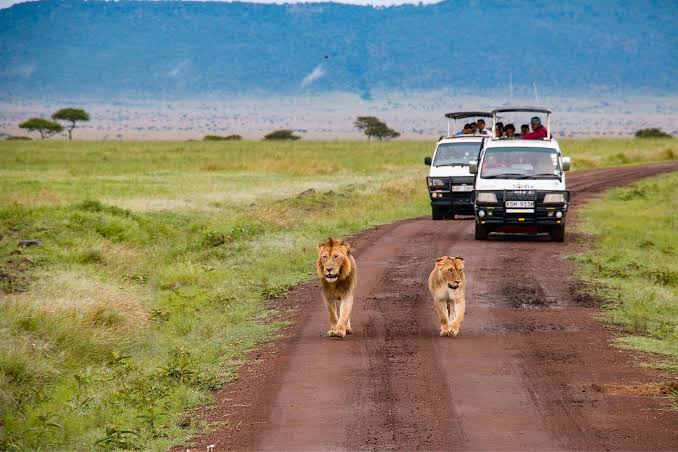
To understand the savings, you should also understand the peak. July to October marks Kenya’s most expensive safari season by a considerable margin. During these months, the Great Migration reaches the Maasai Mara, and millions of wildebeest and zebra brave crocodile filled rivers in dramatic crossings. Because this ranks among the greatest wildlife spectacles on Earth, travelers arrive from every corner of the globe. As a result, demand surges and prices climb accordingly.
Furthermore, these months coincide with excellent dry season conditions. Grass grows short, animals gather near water, tracks stay firm, and skies stay clear. Because wildlife viewing reaches its absolute best, lodges fill months in advance, and the finest camps command premium rates. In addition, European and North American school holidays fall during this window, adding families to the rush. Consequently, July to October costs the most for entirely understandable reasons. If witnessing the migration matters most to you, the price reflects genuine value. However, if your budget rules, avoiding these months saves you a great deal.
December and January: The Holiday Spike
The calendar holds one more important lesson around the turn of the year. Late December brings a sharp holiday spike, as families travel over Christmas and New Year. Because everyone wants the same limited dates, lodges charge premium festive rates and fill quickly. As a result, late December ranks among the most expensive periods of the whole year, despite sitting outside the migration season. Travelers on tight budgets should avoid these weeks firmly.
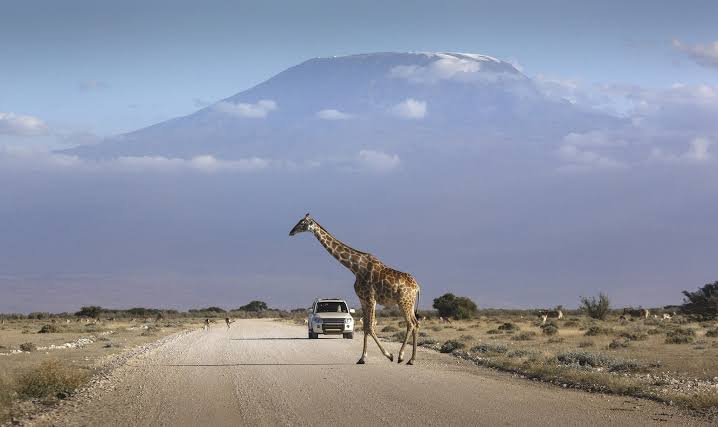
However, January and February tell a different story. Once the holiday rush ends, prices settle back to moderate levels while the weather turns dry and pleasant. Because this short dry season delivers good game viewing without migration crowds, January and February offer solid value. In addition, the clear skies suit photographers, and Amboseli often reveals Mount Kilimanjaro beautifully. Although not the cheapest months, they cost considerably less than peak season while delivering strong conditions. Consequently, January and February suit travelers wanting decent prices with reliable weather. For a sensible compromise, these months work well.
Here are the rewritten versions of your sections, keeping the original headings and paragraph structures while seamlessly introducing Giant Holiday Safaris as your trusted tour operator.
Weighing Price Against Wildlife
Finally, the cheapest month is not automatically the best month for you, so weigh your priorities honestly. If your budget dominates every other consideration, April and May deliver unbeatable savings, and plenty of travelers return delighted with lush scenery, empty parks, and excellent value. Because Kenya’s resident wildlife never leaves, you still see lions, elephants, giraffes, and rhinos regardless of the season. As a result, a green season safari remains a genuine safari, not a lesser one.
However, if you have traveled a long way and dream specifically of the river crossings, saving money by avoiding July to October may disappoint you deeply. Because you cannot see the migration outside its season, no discount compensates for missing it. In addition, travelers with only one chance at a lifetime trip may prefer paying more for ideal conditions.
There is also a middle path worth considering. Rather than choosing between the cheapest month and the best month, you could travel in a value month and spend your savings on an upgraded experience with Giant Holiday Safaris such as a premium camp, a private vehicle, or an extra day in the park. Because our highly skilled guides find animals that others drive straight past, that expert advantage often improves your trip more than perfect weather would. In addition, an extra day gives wildlife more chances to appear. Consequently, ask yourself what matters most: the price, the weather, or a specific spectacle. Answering honestly guides you to the right month. For most budget focused travelers, though, the green season rewards handsomely.
Final Thoughts
So, what is the cheapest month for Kenya safari? As you have discovered, April and May take the title clearly, sitting deep in the long rains when visitor numbers collapse and lodges cut rates dramatically. In exchange, you accept heavier rain, muddier tracks, taller grass, and some closed camps, though you gain lush green landscapes, dramatic skies, and wonderfully quiet parks. Meanwhile, November offers outstanding value with lighter short rains, fresh green scenery, excellent birdlife, and far fewer downsides, which makes it many travelers’ smartest choice.
Early March and early December provide narrow shoulder windows that blend decent weather with lower prices, while January and February deliver dry conditions at moderate rates. By contrast, July to October commands the highest prices thanks to the Great Migration, and late December spikes for the holidays. Because Kenya’s resident wildlife stays year-round, Giant Holiday Safaris can design a brilliant itinerary for a cheaper month that still delivers a genuine, spectacular safari. Choose the month that matches your budget and your dreams, book with Giant Holiday Safaris today, and enjoy an unforgettable Kenyan adventure.