How Much Does a Mombasa Safari Cost?
July 16, 2026
Which Safari Is Best After Kilimanjaro
July 17, 2026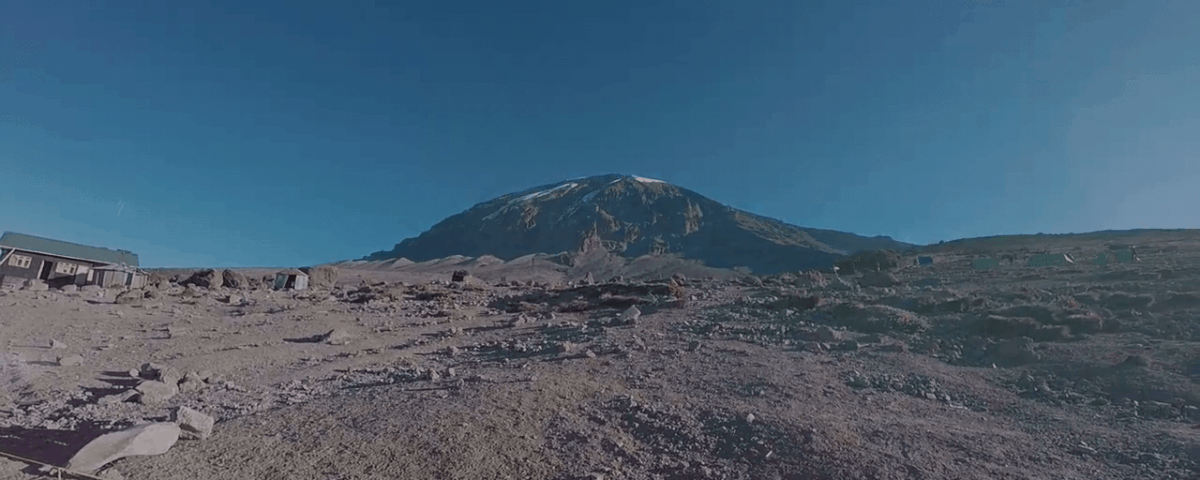
What Is the Success Rate for Kilimanjaro
Many adventure travelers ask, what is the success rate for Kilimanjaro before planning their climb. It is a smart question because reaching the summit of Africa’s highest mountain requires preparation, determination, and the right climbing strategy. While thousands of people successfully stand on Uhuru Peak every year, not everyone reaches the top. Success depends on several factors, including the route you choose, the number of climbing days, your physical fitness, altitude acclimatization, weather conditions, and the experience of your mountain crew.
Mount Kilimanjaro rises 5,895 meters above sea level and attracts climbers from every corner of the world. Unlike many high mountains, Kilimanjaro does not require technical climbing skills or mountaineering experience. However, the high altitude presents the greatest challenge. As you climb higher, oxygen levels decrease, making each step more demanding. Fortunately, proper planning and a gradual ascent greatly improve your chances of reaching the summit safely.
Many first time climbers worry that they may not be fit enough to complete the journey. In reality, people of different ages and fitness levels successfully climb Kilimanjaro every year. The key is choosing the right route, preparing well before your trip, and listening carefully to your guides throughout the climb. Patience, consistency, and proper acclimatization often matter more than speed or athletic ability.
Understanding what is the success rate for Kilimanjaro helps you make informed decisions before booking your adventure. By selecting the right itinerary and following expert advice, you can greatly increase your chances of standing on the Roof of Africa while enjoying one of the world’s most rewarding trekking experiences.
What Is the Success Rate for Kilimanjaro
The overall success rate for Mount Kilimanjaro varies depending on the climbing route and the number of days spent on the mountain. Across all routes, estimates generally range between 65% and 85%. However, these averages do not tell the full story because some routes consistently achieve much higher summit success rates than others.
Longer routes that allow additional acclimatization often achieve success rates above 90%. These itineraries give climbers more time to adjust gradually to the altitude, reducing the likelihood of altitude sickness. In contrast, shorter routes may have significantly lower success rates because climbers ascend more quickly and have less time to adapt.
The mountain itself is not technically difficult. Most climbers who fail to reach the summit turn back because of altitude related symptoms rather than physical exhaustion. Headaches, nausea, dizziness, and fatigue become more common as elevation increases. Fortunately, experienced mountain guides monitor climbers closely and recommend descending whenever safety becomes a concern.
Your preparation also plays an important role. Climbers who train before arrival, stay hydrated, maintain a slow hiking pace, and follow their guides’ instructions usually enjoy better outcomes. Choosing a professional operator with experienced guides further improves both safety and summit success.
Instead of asking whether Kilimanjaro is difficult, many experienced climbers recommend asking how well you can prepare for the challenge. Good planning often makes the difference between reaching Uhuru Peak and turning back before the summit.
What Affects the Success Rate for Kilimanjaro
Several important factors influence whether a climber successfully reaches the summit of Mount Kilimanjaro. Understanding these factors helps you prepare effectively and choose an itinerary that supports a successful climb.
The most important factor is acclimatization. Your body needs time to adjust as oxygen levels decrease at higher elevations. Routes that include additional climbing days allow gradual adaptation, giving your body a better chance to cope with the changing conditions. This is why longer routes generally report higher success rates than shorter itineraries.
The climbing route itself also has a major impact. Routes such as Lemosho and the Northern Circuit provide excellent acclimatization because they spread the ascent across more days. Shorter routes require faster elevation gains, increasing the likelihood of altitude related problems.
Physical fitness contributes to success, although it is not the deciding factor. Regular walking, hiking, cycling, swimming, or running before your trip improves endurance and makes daily trekking more comfortable. Strong cardiovascular fitness also helps you recover more easily after long hiking days.
Mental attitude is equally valuable. Kilimanjaro requires patience and determination. Summit night is often the most challenging stage because climbers begin before midnight and hike for several hours in cold temperatures. Remaining positive, maintaining a steady pace, and trusting your guides help you overcome these challenges.
Weather conditions may also affect your climb. Although Kilimanjaro can be climbed throughout the year, dry seasons usually provide more comfortable hiking conditions and clearer summit views.
Finally, your choice of tour operator greatly influences your experience. Professional guides monitor altitude symptoms, encourage proper hydration, adjust hiking speed, and prioritize safety throughout the climb. Giant Holiday Safaris works with experienced mountain teams who carefully support climbers from the first day until they safely return from the summit.
Success Rates of Popular Kilimanjaro Routes
Each Kilimanjaro route offers a different climbing experience, and summit success rates vary because of differences in acclimatization time, daily elevation gain, and overall route length. Understanding these differences helps you choose the option that best matches your experience, fitness level, and travel goals.
Lemosho Route Success Rate
The Lemosho Route consistently records one of the highest summit success rates on Mount Kilimanjaro. Many seven and eight day Lemosho itineraries achieve success rates exceeding 90% because they provide excellent acclimatization opportunities.
The route begins on the western side of the mountain and crosses several beautiful ecosystems before joining the southern approach. Along the way, climbers enjoy rainforests, moorlands, alpine deserts, and spectacular panoramic views. The gradual ascent allows the body to adjust naturally while creating one of Kilimanjaro’s most scenic trekking experiences.
Because of its excellent balance between scenery, acclimatization, and comfort, many first time climbers consider the Lemosho Route one of the best choices for maximizing summit success.
Machame Route Success Rate
The Machame Route remains one of Kilimanjaro’s most popular options. Depending on the itinerary length, summit success rates generally range from 80% to more than 90%. Seven day Machame climbs usually perform better than shorter six day itineraries because they provide additional acclimatization.
Often called the “Whiskey Route,” Machame offers dramatic scenery, varied landscapes, and rewarding trekking. Climbers experience dense forests, rocky ridges, alpine deserts, and breathtaking views before reaching Uhuru Peak.
Its popularity comes from combining challenging but achievable hiking with strong summit success when climbers follow longer itineraries and maintain a slow, steady pace.
Marangu Route Success Rate
The Marangu Route is one of the oldest and most well known routes on Mount Kilimanjaro. It is often called the “Coca Cola Route” because it offers hut accommodation instead of camping. Many travelers choose this route because they prefer sleeping indoors rather than in tents. However, the shorter climbing schedule affects its summit success rate.
Most five day Marangu climbs have success rates ranging between 50% and 65%. The main reason is the limited time available for acclimatization. Climbers gain altitude quickly, giving the body less opportunity to adjust to lower oxygen levels. As a result, more people experience symptoms of altitude sickness before reaching Uhuru Peak.
Fortunately, choosing the six day Marangu itinerary improves the chances of success. The additional acclimatization day allows your body to adapt more gradually while increasing comfort throughout the climb. Many experienced guides recommend the longer version for first time climbers because it creates a safer and more enjoyable experience.
Although Marangu remains a popular option, climbers should understand that the shorter itinerary is not always the best choice. Taking one extra day often makes a significant difference to both safety and summit success.
Rongai and Northern Circuit Success Rates
The Rongai Route and the Northern Circuit consistently rank among Kilimanjaro’s highest performing routes for summit success. Both itineraries prioritize gradual acclimatization, making them excellent choices for climbers who want to maximize their chances of reaching the summit.
The Rongai Route approaches Mount Kilimanjaro from the northern side near the Kenyan border. It usually records success rates of 80% to 90%, especially on longer itineraries. The route experiences less rainfall than many southern approaches, creating comfortable trekking conditions during much of the year. Climbers also enjoy quieter trails and impressive mountain scenery.
The Northern Circuit offers the highest summit success rates on Kilimanjaro, often exceeding 95% on properly planned itineraries. This route circles much of the mountain before making the final ascent, giving climbers several additional days to acclimatize naturally. Although it requires more time, the longer schedule greatly improves the likelihood of reaching Uhuru Peak.
Both routes demonstrate the importance of patience during high altitude trekking. Slower climbs consistently produce better outcomes because the body has more time to adapt to changing conditions.
How to Improve Your Kilimanjaro Success Rate
Reaching the summit of Mount Kilimanjaro depends largely on preparation and smart decision making. Fortunately, several proven strategies can significantly increase your chances of success while making the entire climb more enjoyable.
Choose a Longer Route
One of the best ways to improve your summit success rate is selecting a longer itinerary. Routes lasting seven or eight days allow gradual acclimatization, giving your body time to adjust to high altitude. Although longer routes require additional travel time and cost slightly more, they consistently achieve much higher success rates.
Many experienced climbers recommend the Lemosho Route or the Northern Circuit because these itineraries balance beautiful scenery with excellent acclimatization.
Train Before Your Climb
Physical preparation improves your confidence and endurance throughout the journey. Begin training several months before departure by walking, hiking, cycling, swimming, or jogging several times each week. Include longer hikes while carrying a light backpack to prepare for consecutive days on the mountain.
Strength exercises also help improve stability and reduce fatigue during steep sections. While fitness alone cannot prevent altitude sickness, it makes daily trekking more comfortable and helps your body recover more efficiently.
Climb Slowly and Stay Hydrated
One of the most common phrases on Kilimanjaro is “pole pole,” which means “slowly slowly.” Maintaining a slow pace conserves energy and allows your body to adjust naturally as you gain altitude.
Drinking enough water throughout the climb also supports acclimatization. Guides encourage climbers to stay hydrated because proper fluid intake helps reduce some altitude related symptoms and supports overall performance.
Listening carefully to your guides, eating regular meals, and getting enough rest each evening further improve your chances of reaching the summit safely.
Travel with an Experienced Kilimanjaro Operator
Choosing an experienced operator is one of the most important decisions you will make. Professional mountain teams understand how to monitor climbers, recognize early signs of altitude sickness, and adjust hiking schedules when necessary.
Experienced guides also provide motivation during challenging moments, especially on summit night when mental determination becomes just as important as physical strength.
Giant Holiday Safaris works with knowledgeable mountain professionals who prioritize safety, careful acclimatization, and excellent customer support throughout every Kilimanjaro expedition. Their experience helps climbers approach the mountain with confidence while maximizing their opportunities for success.
Common Reasons Climbers Do Not Reach the Summit
Most climbers who turn back before reaching Uhuru Peak do not stop because they lack determination. Instead, altitude sickness remains the primary reason why some people cannot complete the climb.
As elevation increases, oxygen levels decrease significantly. Even healthy and physically fit individuals can develop headaches, dizziness, nausea, fatigue, or shortness of breath. These symptoms affect people differently, and no amount of fitness completely eliminates the possibility of altitude sickness.
Choosing a short itinerary increases this risk because the body has less time to adjust. Climbers who rush uphill often experience more severe symptoms than those following longer routes with gradual elevation gains.
Poor preparation can also reduce summit success. Limited physical training, inadequate hydration, insufficient sleep, and ignoring guide instructions all make the climb more difficult. In contrast, travelers who prepare carefully and remain patient usually perform much better.
Weather conditions occasionally create additional challenges. Cold temperatures, wind, rain, or snow may increase fatigue during summit night. Fortunately, experienced guides adjust plans whenever conditions require additional caution.
Understanding these challenges helps climbers prepare realistically while recognizing that safety always comes before reaching the summit.
Is Climbing Kilimanjaro Worth the Challenge
For thousands of climbers every year, the answer is an enthusiastic yes. Mount Kilimanjaro offers far more than the opportunity to stand on Africa’s highest point. The journey itself becomes an unforgettable adventure filled with changing landscapes, personal achievement, and remarkable natural beauty.
Every day introduces a different environment. Climbers begin in lush rainforest before crossing moorlands, alpine deserts, and finally reaching the glacier covered summit. Few mountains in the world offer such dramatic ecological diversity within one trek.
The sense of accomplishment after reaching Uhuru Peak is equally rewarding. Months of preparation, determination, and teamwork come together during one unforgettable sunrise above the clouds. For many travelers, this achievement becomes one of the greatest highlights of their lives.
Beyond the summit, climbing Kilimanjaro also supports local communities by creating employment for guides, porters, cooks, and tourism professionals. Responsible tourism helps protect the mountain while contributing to conservation and community development across northern Tanzania.
Whether your goal is personal growth, adventure, or experiencing one of Africa’s greatest natural landmarks, Kilimanjaro delivers an extraordinary experience that remains meaningful long after you return home.
Plan Your Kilimanjaro Adventure Today
If you have been asking what is the success rate for Kilimanjaro, you now know that your chances of reaching the summit depend largely on the decisions you make before the climb begins. Choosing a longer route, preparing physically, climbing slowly, and traveling with experienced guides all contribute to a safer and more successful adventure.
Although summit success rates vary between routes, many climbers achieve their goal by following carefully planned itineraries that prioritize acclimatization. Rather than rushing to the top, successful climbers focus on steady progress, proper hydration, and listening to professional guidance throughout the journey.
Mount Kilimanjaro remains one of the world’s most accessible high altitude mountains. With the right preparation and support, travelers from many different backgrounds successfully stand on Uhuru Peak every year while creating memories that last a lifetime.
Giant Holiday Safaris proudly helps adventurers plan safe, enjoyable, and professionally guided Kilimanjaro expeditions. Every itinerary focuses on comfort, responsible climbing practices, and personalized support from experienced mountain teams.
Understanding what is the success rate for Kilimanjaro allows you to prepare with confidence and choose the itinerary that gives you the best opportunity to enjoy one of Africa’s greatest adventures from the first step to the summit.
Combined Uganda, Kenya, Rwanda and Tanzania Safaris
17 days Kenya Tanzania and Uganda safari
19 Days Uganda Kenya and Tanzania Safari
16 Days Kenya Tanzania and Uganda Safari
14 Days Kenya Uganda and Tanzania Safari
14 Days Kenya Uganda and Rwanda Safari