What Is the Success Rate for Kilimanjaro
July 17, 2026
What Is Luxury Kilimanjaro Safari
July 17, 2026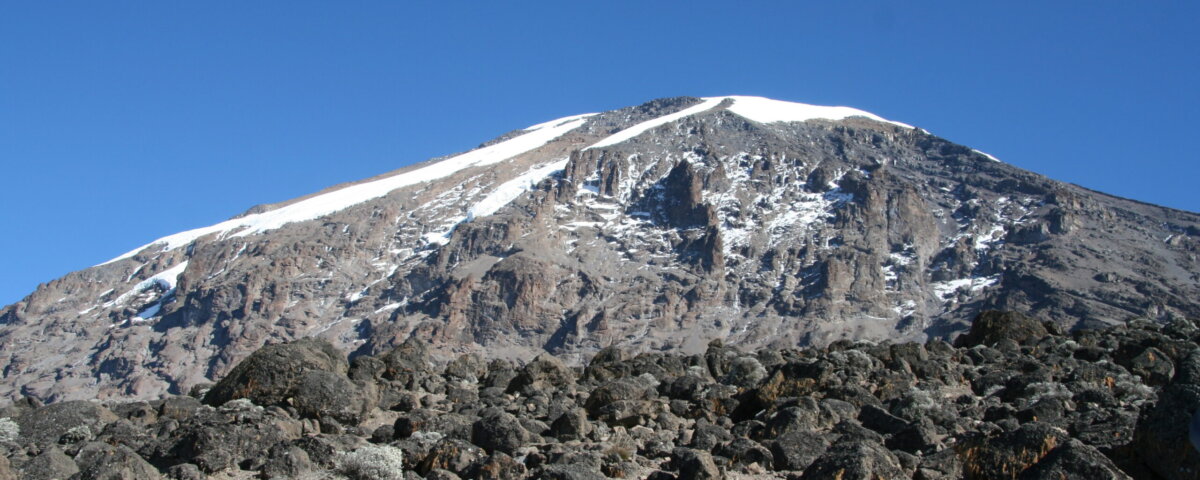
Which Safari Is Best After Kilimanjaro
After standing on the highest point in Africa, many travelers ask an important question: which safari is best after Kilimanjaro? Reaching the summit of Mount Kilimanjaro is a remarkable achievement, yet it can also be the beginning of an even greater Tanzanian adventure. Combining your climb with a wildlife safari allows you to celebrate your success while discovering some of Africa’s most spectacular national parks.
Northern Tanzania offers an exceptional collection of safari destinations located within easy reach of Mount Kilimanjaro. Each park provides unique landscapes, incredible wildlife and unforgettable experiences. Some parks are famous for massive elephant herds, while others offer opportunities to see the Big Five, witness the Great Migration, or explore ancient volcanic craters filled with wildlife.
After several days of hiking, a safari provides the perfect balance of relaxation and exploration. Instead of climbing steep trails, you enjoy comfortable game drives while professional guides help you discover Tanzania’s remarkable wildlife and breathtaking scenery.
Understanding which safari is best after Kilimanjaro depends on your travel interests, available time, and budget. Whether you choose a short safari or a longer wildlife adventure, Tanzania offers outstanding destinations that transform your mountain expedition into a complete African holiday filled with unforgettable memories.
Why a Safari Is the Perfect Reward After Climbing Kilimanjaro
Climbing Mount Kilimanjaro demands determination, patience, and physical effort. After reaching Uhuru Peak, many travelers appreciate slowing the pace while continuing to experience Tanzania’s extraordinary natural beauty. A safari creates the ideal transition from mountain adventure to wildlife exploration.
One of the greatest advantages is convenience. Northern Tanzania’s leading safari parks are located within reasonable driving distance from Kilimanjaro, allowing travelers to continue their holiday without long transfers. This makes it easy to combine two world-class experiences in one unforgettable itinerary.
A safari also offers physical recovery after the climb. Instead of spending long hours hiking, visitors relax in comfortable safari vehicles while enjoying spectacular wildlife encounters. Lodges and tented camps provide welcoming accommodations where travelers can rest while surrounded by beautiful landscapes.
The wildlife itself creates a completely different adventure. Lions resting beneath acacia trees, elephants gathering near rivers, graceful giraffes walking across open plains, and colorful birds filling the skies introduce a new side of Tanzania’s remarkable biodiversity.
Together, Kilimanjaro and a safari create a balanced journey that combines achievement, relaxation, education, and unforgettable wildlife experiences, making the overall holiday even more rewarding than either experience alone.
Tarangire National Park After Kilimanjaro
Tarangire National Park is one of the best safari destinations to visit after climbing Kilimanjaro, especially for travelers seeking impressive wildlife without traveling long distances. Located within northern Tanzania’s popular safari circuit, Tarangire offers beautiful scenery and exceptional game viewing throughout much of the year.
The park is especially famous for its large elephant population. Visitors frequently encounter family groups walking across open grasslands or gathering along the Tarangire River. Watching these magnificent animals interact naturally becomes one of the highlights of any safari.
Tarangire also supports lions, leopards, buffaloes, zebras, giraffes, wildebeests, impalas, warthogs, and many other mammals. Bird enthusiasts enjoy spotting hundreds of bird species that thrive within the park’s varied habitats.
One of Tarangire’s most recognizable features is its giant baobab trees. These ancient trees create dramatic scenery while providing shade for wildlife during warmer parts of the day. The combination of open savannahs, seasonal swamps, woodlands, and river systems creates excellent photographic opportunities throughout the safari.
For travelers asking which safari is best after Kilimanjaro, Tarangire offers an outstanding introduction to Tanzania’s wildlife while providing a peaceful atmosphere that complements the excitement of completing Africa’s highest mountain climb.
Ngorongoro Conservation Area After Kilimanjaro
The Ngorongoro Conservation Area offers one of Africa’s most extraordinary safari experiences. Many travelers consider it an essential addition to any Kilimanjaro itinerary because it combines breathtaking scenery, remarkable wildlife, and rich cultural heritage within a single destination.
Its greatest attraction is the Ngorongoro Crater, the world’s largest intact volcanic caldera. The crater floor forms a natural wildlife sanctuary where animals live throughout the year thanks to permanent water sources and abundant vegetation. This unique environment creates excellent wildlife viewing opportunities during every season.
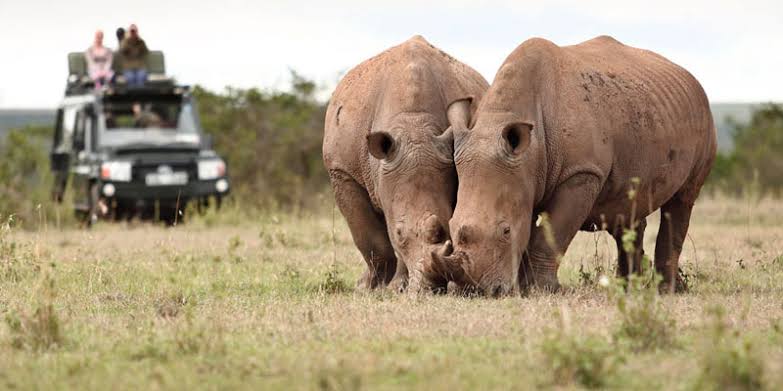
Visitors regularly encounter elephants, lions, buffaloes, zebras, wildebeests, hyenas, hippos, and numerous antelope species. The crater also offers one of the best opportunities in Tanzania to see the endangered black rhinoceros in its natural habitat.
Beyond wildlife, the conservation area supports Maasai communities who continue practicing traditional pastoral lifestyles while living alongside wildlife. This unique relationship between people and nature provides visitors with valuable cultural experiences that enrich the safari.
Many travelers choose personalized itineraries through Giant Holiday Safaris to combine Kilimanjaro with the Ngorongoro Conservation Area, allowing them to experience both Africa’s highest mountain and one of its most remarkable wildlife destinations within a carefully planned journey.
Serengeti National Park for the Ultimate Safari Experience
For travelers with additional time after climbing Kilimanjaro, Serengeti National Park delivers one of the world’s greatest wildlife adventures. Its vast open plains, incredible biodiversity, and famous Great Migration make it one of Africa’s most celebrated safari destinations.
The Serengeti supports an astonishing variety of wildlife throughout the year. Visitors regularly observe lions, cheetahs, leopards, elephants, giraffes, buffaloes, hyenas, zebras, gazelles, and countless bird species living within an ecosystem that remains remarkably unchanged.
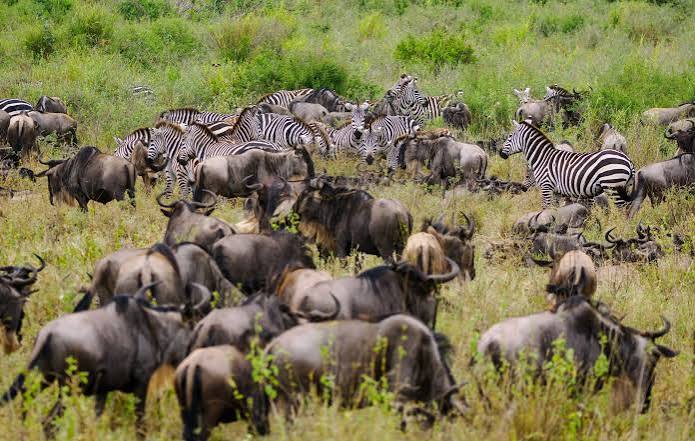
The Great Migration stands among the park’s most famous attractions. Every year, millions of wildebeests, accompanied by zebras and gazelles, travel across the Serengeti ecosystem in search of fresh grazing land. Depending on the season, travelers may witness dramatic river crossings, newborn calves, or large predator encounters.
Even outside migration periods, the Serengeti continues to provide exceptional wildlife viewing because resident animals remain active throughout the year. Wide landscapes also allow visitors to appreciate Africa’s natural beauty on an unforgettable scale.
For anyone wondering which safari is best after Kilimanjaro, the Serengeti represents the ultimate wildlife experience, offering extraordinary animal encounters, breathtaking scenery, and memories that last a lifetime.
Lake Manyara National Park and Arusha National Park
While Serengeti and Ngorongoro often receive the most attention, Lake Manyara National Park and Arusha National Park also deserve consideration after climbing Mount Kilimanjaro. These parks offer rewarding wildlife experiences and fit perfectly into shorter itineraries or multi-park safaris.
Lake Manyara National Park is famous for its beautiful landscapes and remarkable ecological diversity. The park includes groundwater forests, open grasslands, hot springs, and the shallow alkaline lake that attracts thousands of flamingos during favorable seasons. Visitors frequently see elephants, giraffes, zebras, baboons, hippos, and many colorful bird species throughout the park.
Many travelers also hope to spot Lake Manyara’s well-known tree-climbing lions. Although sightings are never guaranteed, the possibility adds excitement to every game drive. The park’s compact size allows visitors to experience a wide variety of habitats within a single day.
Arusha National Park offers a different experience. Located close to Kilimanjaro, it provides stunning views of Mount Meru, peaceful forests, crater lakes, waterfalls, and open grasslands. Wildlife includes giraffes, buffaloes, zebras, monkeys, antelopes, and many bird species. Canoeing safaris and guided walking safaris also provide unique ways to experience the park.
Together, these destinations create excellent safari options for travelers who want rewarding wildlife encounters without committing to longer expeditions.
How to Choose the Best Safari After Kilimanjaro
The answer to which safari is best after Kilimanjaro depends on your interests, travel schedule, and budget. Every traveler values something different, so selecting the right park helps create a holiday that matches your expectations.
If your dream is seeing the Big Five, the Ngorongoro Conservation Area offers one of the best opportunities in Tanzania. Its compact crater ecosystem allows excellent wildlife viewing throughout the year, making it ideal for shorter safaris.
Travelers hoping to witness endless plains and incredible predator activity often choose Serengeti National Park. Those visiting during the Great Migration may experience one of nature’s greatest wildlife spectacles.
If elephants are at the top of your wildlife wish list, Tarangire National Park provides unforgettable encounters with some of East Africa’s largest elephant populations. Its iconic baobab trees and quieter atmosphere also appeal to photographers and nature lovers.
Visitors with limited time may prefer Lake Manyara or Arusha National Park because both parks are easily accessible from Kilimanjaro and offer rewarding experiences within one or two days.
Choosing a safari that complements your climbing experience allows you to enjoy both adventure and relaxation while discovering the remarkable diversity that makes Tanzania one of Africa’s leading wildlife destinations.
Suggested Kilimanjaro and Safari Itinerary
Combining Kilimanjaro with a safari creates one of Africa’s most complete travel experiences. A carefully planned itinerary allows you to celebrate your summit success while exploring Tanzania’s world-famous wildlife destinations at a comfortable pace.
Many travelers begin with a seven or eight-day Kilimanjaro climb using routes that provide excellent acclimatization and high summit success rates. After reaching Uhuru Peak, spending one night resting in Moshi or Arusha helps your body recover before beginning the safari portion of the journey.
A popular itinerary continues with Tarangire National Park, where visitors enjoy large elephant herds and beautiful baobab landscapes. The following day often includes the Ngorongoro Conservation Area, offering outstanding opportunities to see the Big Five within the spectacular volcanic crater.
Travelers with additional time frequently continue to Serengeti National Park for two or three days of exceptional wildlife viewing. Depending on the season, this extension may include the Great Migration, predator sightings, and unforgettable sunsets across the open plains.
Some visitors conclude their holiday with several relaxing days in Zanzibar, enjoying white sandy beaches and the warm waters of the Indian Ocean. Carefully designed itineraries organized through Giant Holiday Safaris allow travelers to combine mountain climbing, wildlife safaris, and coastal relaxation into one seamless Tanzanian adventure.
Which Safari Is Best After Kilimanjaro for an Unforgettable Tanzania Adventure
After reaching the summit of Africa’s highest mountain, continuing your journey with a safari is one of the most rewarding decisions you can make. The combination creates a balanced adventure that brings together personal achievement, breathtaking landscapes, and extraordinary wildlife encounters.
For travelers seeking incredible wildlife diversity, Serengeti National Park remains one of the finest safari destinations on Earth. Those looking for outstanding Big Five viewing often find the Ngorongoro Conservation Area to be the perfect choice. Tarangire delights elephant lovers with its impressive herds, while Lake Manyara and Arusha National Park provide excellent alternatives for shorter or more relaxed safaris.
There is no single answer to which safari is best after Kilimanjaro because every traveler has different interests. However, each destination within Tanzania’s northern safari circuit offers unique experiences that complement the excitement of climbing Mount Kilimanjaro.
By combining these remarkable destinations, you experience the very best of Tanzania in one unforgettable holiday. Mountain landscapes, rich wildlife, welcoming cultures, and exceptional scenery come together to create memories that last a lifetime.
Travelers who choose Giant Holiday Safaris enjoy carefully planned itineraries, experienced local guides, and personalized service that ensure every stage of the journey is comfortable, rewarding, and unforgettable.
If you have been wondering which safari is best after Kilimanjaro, the answer depends on your travel dreams. Whether you choose Tarangire, Ngorongoro, Serengeti, Lake Manyara, or Arusha National Park, each destination offers an extraordinary opportunity to celebrate your achievement and experience the incredible natural beauty that makes Tanzania one of Africa’s greatest travel destinations.
Combined Uganda, Kenya, Rwanda and Tanzania Safaris
17 days Kenya Tanzania and Uganda safari
19 Days Uganda Kenya and Tanzania Safari
16 Days Kenya Tanzania and Uganda Safari
14 Days Kenya Uganda and Tanzania Safari
14 Days Kenya Uganda and Rwanda Safari