Which Serengeti Area Has Best Wildlife
July 10, 2026
Which Serengeti Camps Are Best for Migration
July 10, 2026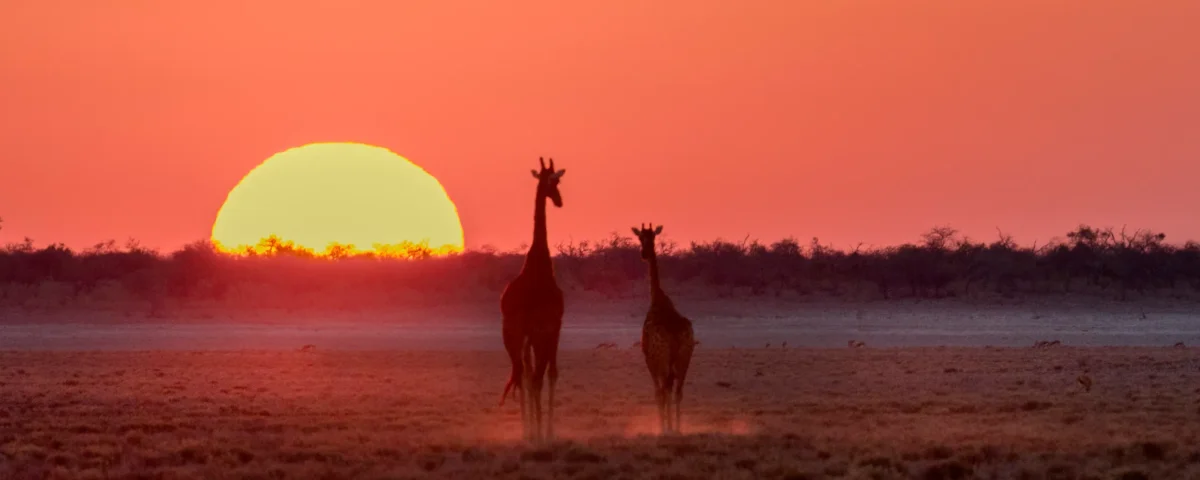
What Is the Weather Like in Serengeti
Planning a safari involves more than choosing where to go. Weather plays an important role in shaping every travel experience, from wildlife viewing to photography and outdoor activities. Many travelers ask what is the weather like in Serengeti because they want to visit during the best conditions for game drives and unforgettable wildlife encounters. The good news is that Serengeti National Park offers rewarding safari experiences throughout the year, with each season bringing its own unique beauty and opportunities.
Located in northern Tanzania, Serengeti National Park enjoys a tropical savannah climate with warm temperatures year round. Instead of experiencing four distinct seasons like many other parts of the world, the Serengeti has dry and rainy seasons. These seasonal changes influence the movement of wildlife, the appearance of the landscape, and the overall safari experience.
The dry months offer excellent wildlife viewing as animals gather around permanent water sources, while the rainy months transform the plains into lush green landscapes filled with newborn animals and colorful birdlife. Because each season offers different advantages, choosing the best time to visit depends on your travel goals.
At Giant Holiday Safaris, we help travelers plan unforgettable Serengeti adventures in every season. Our local expertise ensures that guests enjoy comfortable safaris while experiencing the incredible wildlife and breathtaking scenery that make the Serengeti one of Africa’s most famous national parks.
Understanding Serengeti’s Climate Throughout the Year
Serengeti National Park experiences a warm and pleasant climate throughout the year, making it one of Africa’s best safari destinations regardless of the season. Although weather conditions change during the year, temperatures remain comfortable for outdoor activities and wildlife viewing.
The park sits at different elevations, which creates slight variations in climate across the region. However, daytime temperatures generally range between 24°C and 30°C (75°F to 86°F). Even during the warmer months, the weather rarely becomes uncomfortable because gentle breezes and lower humidity help maintain pleasant conditions.
Early mornings and evenings often feel much cooler, especially during the dry season. Temperatures can fall to around 14°C to 18°C (57°F to 64°F) before sunrise. Visitors usually wear light jackets or fleece layers during early morning game drives before changing into lighter clothing as the day warms up.
Instead of traditional spring, summer, autumn, and winter seasons, the Serengeti experiences two rainy periods and two dry periods. The long dry season typically runs from June through October and attracts visitors seeking excellent wildlife viewing. The short rains usually arrive during November and December, while the long rains occur between March and May. January and February often provide warm weather with occasional showers and beautiful green landscapes.
These seasonal changes support one of the world’s richest ecosystems. Rainfall encourages fresh grass growth, rivers replenish water supplies, and wildlife follows natural migration patterns throughout the Serengeti ecosystem.
Dry Season Weather and Wildlife Viewing in Serengeti
The dry season remains the most popular time to visit Serengeti National Park because it offers excellent weather and outstanding wildlife viewing opportunities. From June through October, rainfall becomes very limited, skies remain mostly clear, and vegetation gradually becomes thinner. These conditions make it easier to spot animals across the open plains.
During the dry season, daytime temperatures usually range between 25°C and 29°C (77°F to 84°F), creating comfortable conditions for game drives. The mornings begin cool, especially in June, July, and August, while afternoons remain warm without becoming excessively hot.
One of the biggest advantages of the dry season is that wildlife concentrates around rivers, waterholes, and permanent water sources. Lions, elephants, buffaloes, giraffes, zebras, wildebeests, and many other species gather in predictable locations, giving visitors excellent opportunities for wildlife photography and observation.
Predators also become easier to locate because prey animals gather in larger numbers. Lions often rest beneath acacia trees after early morning hunts, while leopards remain active around riverine forests and rocky outcrops. Cheetahs take advantage of the open grasslands where visibility remains excellent.
The dry season also coincides with one of Africa’s greatest wildlife spectacles. Between July and October, many wildebeests migrate toward Northern Serengeti, where dramatic Mara River crossings create unforgettable safari experiences.
Road conditions remain excellent during this period because rainfall rarely interrupts travel. Visitors enjoy smooth game drives, spectacular sunsets, and clear skies that enhance photography throughout the day.
At Giant Holiday Safaris, we recommend the dry season for first time visitors who want to maximize wildlife sightings while enjoying comfortable weather conditions across the Serengeti.
Green Season Weather and Rainfall Patterns in Serengeti
Although many travelers focus on the dry season, the green season offers equally rewarding experiences for those who appreciate beautiful scenery, fewer crowds, and excellent wildlife photography. Rainfall transforms the Serengeti into a vibrant landscape covered with fresh grass, colorful wildflowers, and healthy vegetation.
The green season includes two rainy periods. Short rains usually occur during November and December, bringing occasional afternoon showers that rarely last all day. The long rains generally arrive between March and May, producing heavier rainfall that refreshes the entire ecosystem.
Despite the name, rain does not fall continuously throughout the day. Many mornings begin with sunshine before clouds develop later in the afternoon. This pattern allows travelers to enjoy successful game drives while witnessing dramatic skies and refreshing landscapes.
The green season also marks an important period for wildlife. Between January and March, Southern Serengeti becomes the center of the wildebeest calving season. Hundreds of thousands of calves are born within a short period, attracting lions, cheetahs, hyenas, and other predators. These natural events create some of the most exciting wildlife encounters of the year.
Birdwatchers especially enjoy the green season because migratory birds arrive from Europe and Asia, increasing the already impressive diversity of birdlife. Bright breeding colors make many species even more attractive for photography.
Another benefit of traveling during the green season is the reduced number of visitors. Safari vehicles encounter fewer crowds at wildlife sightings, allowing guests to enjoy quieter and more personal experiences.
Giant Holiday Safaris often recommends the green season to photographers, bird enthusiasts, honeymoon couples, and returning safari travelers who want to experience a different side of the Serengeti while enjoying excellent value and breathtaking scenery.
Monthly Weather Guide for Serengeti
Understanding Serengeti’s weather month by month helps travelers choose the best time for their safari. Every month offers unique experiences, making the park a year round destination for wildlife lovers.
January brings warm temperatures and lush green landscapes. The wildebeest calving season begins in the southern plains, creating exceptional wildlife viewing opportunities.
February continues the calving season, with thousands of newborn wildebeests attracting predators across Southern Serengeti.
March introduces the beginning of the long rains. Vegetation becomes greener, and afternoon showers become more frequent.
April experiences the highest rainfall of the year. Although roads may become muddy in some areas, the scenery remains spectacular, and visitor numbers stay low.
May still receives rain, but weather conditions gradually improve toward the end of the month. Wildlife remains abundant throughout the park.
June marks the beginning of the long dry season. Cooler mornings, clear skies, and improving road conditions make this an excellent month for safari travel.
July offers outstanding wildlife viewing and comfortable weather. The Great Wildebeest Migration begins moving toward Northern Serengeti.
August continues the dry season with excellent game viewing and impressive migration activity.
September remains warm and dry, making it one of the best months for photography and Big Five safaris.
October brings pleasant temperatures and continued wildlife concentration around water sources before the short rains arrive.
November welcomes short afternoon showers that refresh the landscape while still allowing enjoyable game drives.
December combines green scenery with warm temperatures, excellent wildlife viewing, and the return of migratory birds. It also marks the beginning of another exciting safari season.
At Giant Holiday Safaris, we tailor every itinerary according to seasonal weather and wildlife conditions, helping travelers experience the Serengeti at its very best regardless of the month they choose to visit.
What to Pack for Different Weather Conditions
Packing the right clothing and equipment can make your Serengeti safari far more comfortable. Although the park enjoys pleasant weather throughout the year, temperatures can change quickly between early morning, midday, and evening. Preparing for these changes allows you to enjoy every game drive without worrying about the weather.
Lightweight clothing made from breathable fabrics works well during the warmer parts of the day. Neutral colors such as khaki, green, beige, and brown are ideal because they blend with the natural environment and help avoid attracting insects. Long sleeved shirts and lightweight trousers also provide protection from the sun while keeping you comfortable during game drives.
Early mornings often feel cool, especially during the dry season. Therefore, pack a warm fleece jacket or light sweater that you can easily remove as the temperature rises. A waterproof jacket also becomes useful during the rainy months because afternoon showers can arrive without much warning.
Comfortable walking shoes are important, even if most wildlife viewing takes place from a safari vehicle. Sunglasses, a wide brimmed hat, sunscreen, and lip balm help protect against the strong African sun throughout the year. Bringing a reusable water bottle also helps you stay hydrated during long game drives.
Photography enthusiasts should pack a camera with extra batteries, memory cards, and a protective bag to shield equipment from dust and occasional rain. Binoculars also improve wildlife viewing, especially when animals remain at a distance.
At Giant Holiday Safaris, we provide every guest with a detailed packing guide before departure. This simple preparation ensures you remain comfortable regardless of the season while enjoying every moment of your Serengeti adventure.
How Weather Affects Wildlife and the Great Migration
Weather plays a major role in shaping wildlife activity across the Serengeti ecosystem. Rainfall influences grass growth, water availability, and animal movements, creating changing safari experiences throughout the year. Understanding these natural patterns helps visitors appreciate why no two safaris are ever exactly the same.
During the dry season, water becomes scarce across many parts of the park. As a result, large herds of elephants, buffaloes, zebras, giraffes, and antelopes gather near rivers and permanent water sources. Predators naturally follow these herds, making wildlife easier to locate during game drives.
The rainy season creates a completely different environment. Fresh grass covers the plains, allowing herbivores to spread across larger areas in search of food. Although animals become less concentrated, visitors enjoy greener landscapes, dramatic skies, and healthier looking wildlife.
Weather also drives the famous Great Wildebeest Migration. Seasonal rainfall determines where fresh grazing appears, encouraging more than two million wildebeests, zebras, and gazelles to travel across the Serengeti ecosystem. These movements create one of the world’s greatest natural spectacles.
Between January and March, Southern Serengeti experiences the calving season. Thousands of wildebeest calves are born during this period because the fresh grass provides abundant nutrition for nursing mothers. Consequently, lions, cheetahs, hyenas, and leopards become especially active as they hunt vulnerable prey.
Even birdlife responds to changing weather patterns. Migratory birds arrive during the green season, adding vibrant colors and increasing the already impressive variety of species found throughout the park.
At Giant Holiday Safaris, we carefully follow seasonal wildlife movements and weather conditions. This allows us to design itineraries that maximize wildlife viewing opportunities regardless of when our guests choose to travel.
Best Time to Visit Based on Weather Preferences
The best time to visit Serengeti depends on the type of safari experience you hope to enjoy. Fortunately, every season offers something special, making the park an outstanding destination throughout the year.
If your priority is seeing large numbers of animals with minimal vegetation, the dry season from June to October is an excellent choice. Wildlife gathers around water sources, roads remain in excellent condition, and clear skies create beautiful photography opportunities. This period also includes the famous Mara River crossings in Northern Serengeti, where thousands of wildebeests brave crocodile filled waters during the Great Migration.
Travelers who prefer lush scenery and fewer visitors often enjoy the green season. Between November and December, occasional short rains refresh the landscape without significantly disrupting safari activities. Likewise, January and February offer warm weather and the remarkable wildebeest calving season.
Although March through May brings heavier rainfall, many visitors still appreciate this quieter period. Lodges often offer attractive rates, landscapes become incredibly green, and wildlife remains abundant throughout the park. Rain showers usually alternate with sunshine, allowing enjoyable game drives while revealing a different side of the Serengeti.
Photography enthusiasts may choose their travel dates based on lighting and scenery. Dry months provide crisp landscapes and golden sunsets, while rainy months produce dramatic clouds, vivid colors, and reflections that create unique images.
Rather than searching for a single perfect month, consider your personal interests, budget, and wildlife goals. Giant Holiday Safaris helps every traveler select the ideal season by matching safari plans with expected weather conditions and seasonal wildlife activity.
Why Choose Giant Holiday Safaris for Your Serengeti Adventure
A memorable safari depends not only on the destination but also on the expertise of the company planning your journey. Giant Holiday Safaris combines local knowledge, professional service, and carefully designed itineraries to create unforgettable wildlife experiences throughout Tanzania.
Our experienced safari guides understand Serengeti’s changing weather patterns and how they influence wildlife movements. This knowledge allows us to adjust game drive routes according to current conditions, increasing opportunities to observe lions, elephants, leopards, cheetahs, giraffes, zebras, and countless other animals.
Every itinerary is personalized to suit your travel style. Whether you dream of witnessing the Great Migration, enjoying a family vacation, celebrating a honeymoon, or exploring Tanzania as a photographer, we create safari experiences that match your interests and expectations.
Comfort remains central to every adventure we organize. We work with carefully selected lodges, luxury camps, and comfortable safari vehicles that provide excellent service while allowing guests to stay close to the wildlife areas they wish to explore.
We also believe responsible tourism protects Africa’s natural heritage. Therefore, Giant Holiday Safaris supports sustainable travel practices that respect wildlife, conserve ecosystems, and benefit local communities. Our commitment helps preserve Serengeti National Park for future generations while providing meaningful experiences for today’s travelers.
Choosing Giant Holiday Safaris means choosing knowledgeable guides, reliable service, personalized attention, and a genuine passion for sharing the beauty of Tanzania with visitors from around the world.
What Is the Weather Like in Serengeti and Why It Should Not Stop Your Safari Plans
If you have been wondering what is the weather like in Serengeti, the answer is encouraging for every traveler. The park enjoys warm temperatures throughout the year, while each season offers unique wildlife experiences and breathtaking landscapes. Instead of limiting your travel plans, the weather simply changes the type of adventure you will enjoy.
The dry season delivers exceptional wildlife viewing as animals gather around rivers and waterholes, making it easier to observe the famous Big Five and many other species. On the other hand, the green season transforms the plains into vibrant landscapes filled with fresh vegetation, newborn animals, migratory birds, and incredible photographic opportunities.
Understanding seasonal weather patterns allows you to plan a safari that matches your personal interests, whether you hope to witness the Great Migration, photograph predators, enjoy peaceful landscapes, or experience the excitement of the calving season.
At Giant Holiday Safaris, we help travelers make informed decisions based on weather, wildlife movements, and seasonal highlights. Our experienced team designs personalized itineraries that maximize every opportunity for unforgettable wildlife encounters while ensuring comfort and safety throughout your journey.
No matter when you choose to visit, what is the weather like in Serengeti becomes part of the adventure rather than an obstacle. Every season reveals a different side of this remarkable national park, creating memories that will remain with you long after your safari ends.
Combined Uganda, Kenya, Rwanda and Tanzania Safaris
17 days Kenya Tanzania and Uganda safari
19 Days Uganda Kenya and Tanzania Safari
16 Days Kenya Tanzania and Uganda Safari
14 Days Kenya Uganda and Tanzania Safari
14 Days Kenya Uganda and Rwanda Safari