What Are the Best Game Drives in Serengeti
July 10, 2026
What Is the Weather Like in Serengeti
July 10, 2026
Which Serengeti Area Has Best Wildlife
One of the most common questions travelers ask while planning a Tanzania safari is, which Serengeti area has best wildlife? The answer depends on the time of year, the animals you hope to see, and the type of safari experience you want. Serengeti National Park is a vast wilderness covering nearly 15,000 square kilometers, and each region offers its own unique landscapes, wildlife, and unforgettable encounters. Whether you dream of watching the Great Migration, photographing big cats, or enjoying year round game viewing, the Serengeti has an area that matches your expectations.
The park is divided into several major regions, including Central Serengeti, Northern Serengeti, Southern Serengeti, and the Western Corridor. Although every area supports an incredible variety of wildlife, each becomes especially rewarding during different seasons. Understanding these differences helps travelers choose the best itinerary while making the most of their safari adventure.
With careful planning and expert guidance, visitors can experience extraordinary wildlife, breathtaking scenery, and remarkable natural events that make Serengeti National Park one of the greatest safari destinations on Earth.
Understanding the Different Regions of Serengeti with the Best Wildlife
Before deciding which Serengeti area has best wildlife, it is helpful to understand how the park is divided. Serengeti National Park consists of several distinct regions, each offering unique habitats that support different wildlife populations throughout the year.
Central Serengeti forms the heart of the park and remains one of the most popular safari destinations because wildlife is abundant during every season. Permanent rivers, open plains, rocky kopjes, and scattered acacia trees create excellent habitats for predators and herbivores alike.
Northern Serengeti becomes especially famous during the Great Migration, when enormous herds of wildebeest and zebras approach the Mara River. Southern Serengeti, on the other hand, is known for its wide open grasslands and the spectacular wildebeest calving season that takes place early each year.
The Western Corridor offers a different landscape with river systems, woodlands, and seasonal migration routes. This quieter part of the park provides rewarding wildlife viewing while attracting fewer visitors than the central region.
Understanding these different environments helps travelers select the right safari itinerary based on their interests, travel dates, and wildlife goals.
Why Central Serengeti Is Famous for Year Round Wildlife
For many safari experts, Central Serengeti offers the most consistent wildlife viewing in the entire park. This region remains active throughout the year because permanent water sources attract animals even during the driest months.
The famous Seronera Valley sits within Central Serengeti and supports large populations of lions, leopards, elephants, buffaloes, giraffes, zebras, wildebeest, hyenas, and numerous antelope species. The combination of reliable water, open grasslands, and rocky kopjes creates ideal conditions for both predators and prey.
One of the greatest advantages of Central Serengeti is its consistency. While migration herds move across different regions during the year, resident wildlife remains abundant. Visitors rarely leave without seeing a wide variety of animals during their game drives.
Birdwatchers also appreciate this area because hundreds of bird species thrive around rivers, wetlands, and woodlands. Eagles, hornbills, kingfishers, vultures, and colorful bee eaters add even more excitement to every safari.
Because wildlife viewing remains excellent regardless of the season, Central Serengeti is often recommended for first-time visitors who want the highest chances of seeing many of Africa’s most famous animals in one destination.
Northern Serengeti and the Great Migration
Northern Serengeti becomes one of Africa’s most exciting safari destinations during the annual Great Migration. Travelers who ask which Serengeti area has best wildlife often discover that the answer changes during this remarkable season.
Between approximately July and October, millions of wildebeest, accompanied by zebras and gazelles, move toward the Mara River in search of greener grazing areas. These dramatic river crossings attract wildlife enthusiasts, photographers, and filmmakers from around the world.
The migration also brings increased predator activity. Lions, leopards, hyenas, crocodiles, and cheetahs closely follow the enormous herds, creating unforgettable wildlife encounters that highlight the natural balance of the Serengeti ecosystem.
Beyond the migration, Northern Serengeti offers beautiful rolling hills, river forests, open plains, and relatively low visitor numbers compared to the central region. This peaceful atmosphere allows travelers to enjoy intimate wildlife experiences surrounded by breathtaking scenery.
For visitors whose primary goal is witnessing the famous Mara River crossings, Northern Serengeti provides one of the greatest wildlife spectacles anywhere on Earth.
Southern Serengeti During the Calving Season
Southern Serengeti transforms into one of the park’s most important wildlife areas during the calving season, usually between January and March. At this time, hundreds of thousands of wildebeest gather on the nutrient-rich short grass plains to give birth to their young.
The abundance of newborn calves naturally attracts predators. Lions, cheetahs, hyenas, jackals, and leopards become especially active as they take advantage of hunting opportunities created by the migration. This makes Southern Serengeti one of the best places to witness dramatic predator-prey interactions.
Despite the excitement, the calving season also showcases the remarkable resilience of wildlife. Thousands of calves learn to stand and walk within minutes of birth, allowing them to keep pace with the migrating herds.
The open plains also provide outstanding visibility for photographers because animals can often be seen across great distances without heavy vegetation blocking the view.
Travelers who enjoy observing natural animal behavior, newborn wildlife, and expansive landscapes often consider Southern Serengeti one of the most rewarding safari destinations during the first months of the year.
Western Corridor and River Wildlife
The Western Corridor offers a different safari experience from the open plains found elsewhere in the Serengeti. Characterized by rivers, woodlands, floodplains, and rolling hills, this region supports diverse wildlife while attracting fewer visitors.
Between approximately May and July, sections of the Great Migration pass through the Western Corridor as wildebeest move northward. During this period, travelers may witness impressive river crossings at the Grumeti River, where enormous crocodiles patiently wait beneath the water.
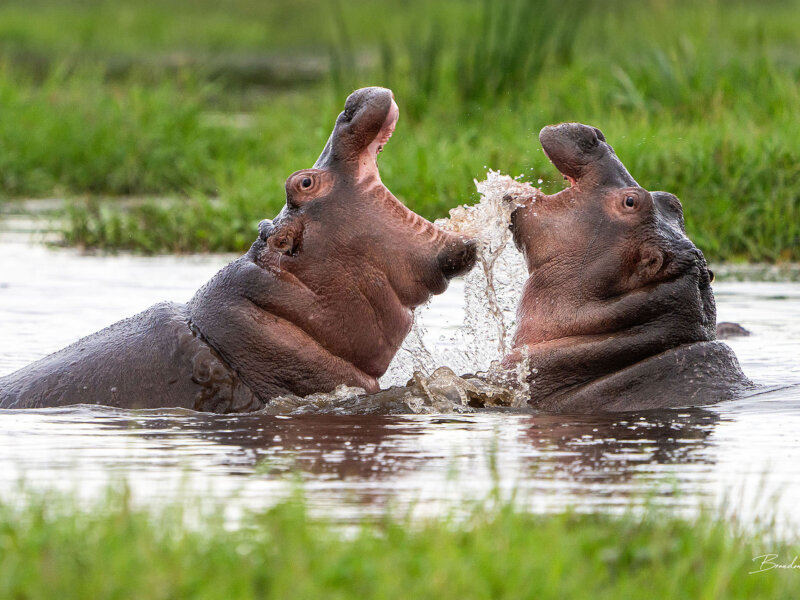
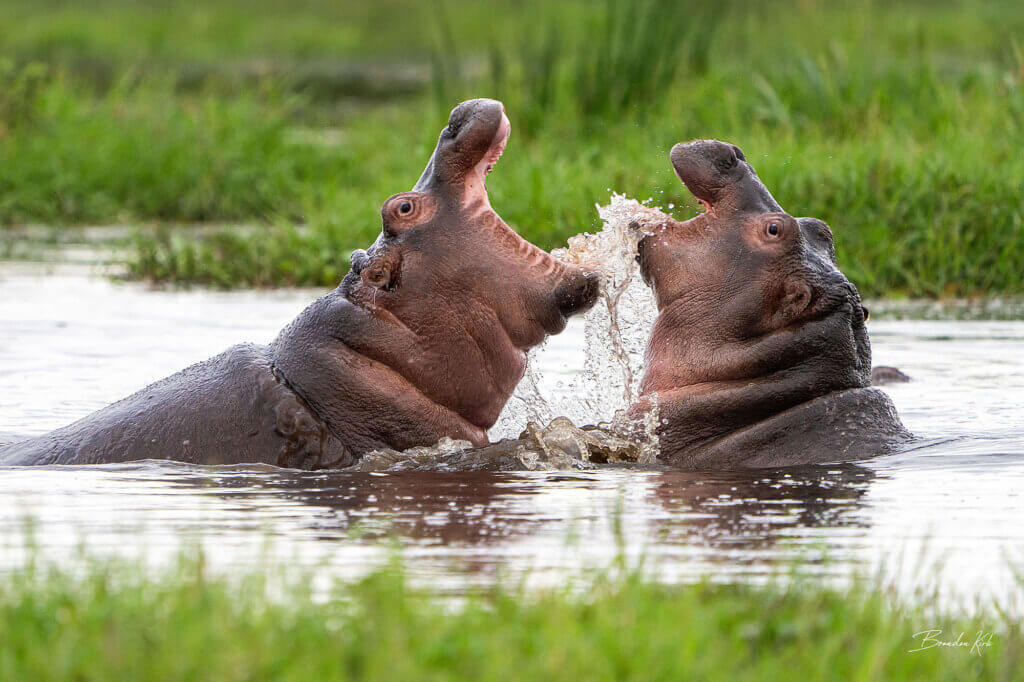
Resident wildlife also thrives throughout the year. Elephants move through the woodlands, giraffes browse among tall trees, buffaloes graze across open areas, and hippos gather in permanent pools. Lions and leopards frequently patrol the region, while numerous bird species flourish around rivers and wetlands.
The quieter atmosphere allows visitors to enjoy peaceful game drives away from busier safari routes. This creates excellent opportunities to appreciate wildlife in a relaxed setting while exploring landscapes that differ from the central plains.
Many travelers choose Giant Holiday Safaris to include the Western Corridor as part of a longer Serengeti itinerary, creating a more complete understanding of the park’s remarkable diversity and seasonal wildlife movements.
Choosing the Best Serengeti Area for Your Safari
Choosing the right region is the final step in answering the question, which Serengeti area has best wildlife. While every part of Serengeti National Park offers incredible wildlife, the best choice depends on your travel dates, personal interests, and the experiences you hope to enjoy.
If your goal is to see a wide variety of wildlife throughout the year, Central Serengeti is an excellent option. The area is home to permanent water sources, healthy populations of predators, and abundant resident animals, making game drives rewarding in every season.
Travelers hoping to witness the famous Mara River crossings should focus on Northern Serengeti between July and October. Those visiting during the early months of the year often enjoy Southern Serengeti, where thousands of wildebeest calves are born across the open plains.
The Western Corridor appeals to visitors looking for quieter safari experiences while following part of the Great Migration. Its rivers, forests, and rolling landscapes create a different atmosphere from the central grasslands.
Many experienced safari travelers combine several regions into one itinerary. This approach provides greater wildlife diversity while allowing visitors to experience the changing landscapes that make the Serengeti ecosystem one of the most remarkable conservation areas in Africa.
Wildlife You Can Expect Throughout the Year
One of the greatest strengths of Serengeti National Park is that wildlife viewing remains outstanding throughout the year. Even as the Great Migration moves from one region to another, resident animals continue to thrive across the park.
Large lion prides live throughout the Serengeti and are among the easiest predators to observe during game drives. Leopards prefer wooded areas and riverbanks, while cheetahs often patrol open grasslands where they can use their speed to hunt.
Elephants travel between forests and open plains in search of food and water, while buffaloes form impressive herds that graze across many regions of the park. Giraffes browse peacefully among acacia trees, and zebras frequently accompany wildebeest during different stages of the migration.
Hippos gather in rivers and pools throughout the year, while Nile crocodiles remain important predators along major waterways such as the Mara and Grumeti Rivers. Hyenas, jackals, servals, bat eared foxes, and numerous antelope species also contribute to the Serengeti’s incredible biodiversity.
Bird enthusiasts have even more to discover. More than 500 bird species inhabit the Serengeti, including ostriches, secretary birds, fish eagles, hornbills, kingfishers, storks, bee eaters, vultures, and colorful rollers.
No matter when you visit, every game drive offers opportunities to observe remarkable wildlife in its natural habitat.
Tips for Planning a Wildlife Safari
Careful planning makes every Serengeti safari more enjoyable and increases the chances of unforgettable wildlife encounters. Before deciding which Serengeti area has best wildlife, consider your priorities and plan your itinerary around the experiences you value most.
Booking your safari several months in advance is highly recommended, particularly during peak travel seasons. Early reservations provide greater accommodation choices and allow you to secure experienced guides who understand seasonal wildlife movements.
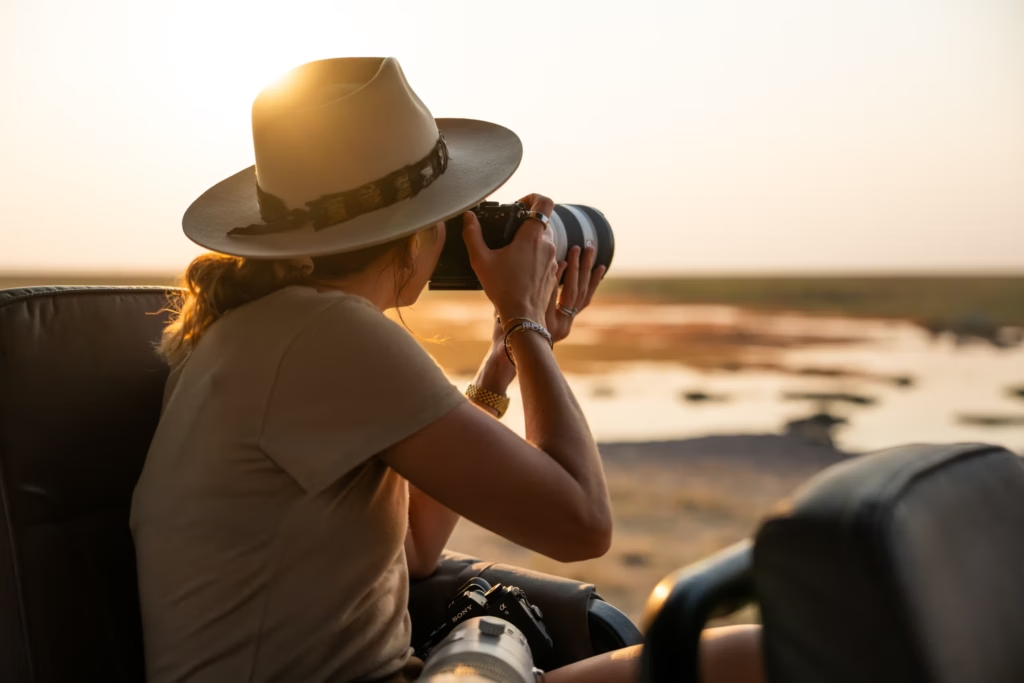
Packing appropriate clothing also improves your comfort. Neutral colored clothing blends naturally with the environment, while lightweight layers help you adapt to changing temperatures throughout the day. Comfortable walking shoes, sunscreen, insect repellent, binoculars, and a quality camera are equally valuable.
Allowing enough time for your safari is another important factor. Spending several days in the Serengeti gives guides greater flexibility to follow wildlife activity while allowing visitors to explore different habitats without feeling rushed.
Finally, remain patient and enjoy every moment. Nature constantly changes, and some of the most memorable wildlife encounters happen unexpectedly. A relaxed attitude often leads to the most rewarding safari experiences.
Combining Several Serengeti Regions
One of the best ways to experience the Serengeti is by combining several regions into a single safari itinerary. Instead of focusing on one location, travelers can enjoy changing landscapes, different wildlife concentrations, and seasonal migration patterns throughout the park.
A popular itinerary begins in Central Serengeti, where visitors enjoy excellent predator sightings and abundant resident wildlife. From there, travelers often continue north during the migration season or head south during the calving season depending on the time of year.
Adding the Western Corridor creates another dimension to the safari by introducing river landscapes, quieter game viewing areas, and seasonal Grumeti River crossings. Each region contributes unique scenery and wildlife experiences that together create a richer understanding of the Serengeti ecosystem.
Many itineraries also combine Serengeti National Park with Ngorongoro Crater, Tarangire National Park, and Lake Manyara National Park. These additional destinations showcase different ecosystems while increasing opportunities to observe Africa’s remarkable wildlife.
Giant Holiday Safaris designs customized itineraries that allow travelers to experience several Serengeti regions in one carefully planned adventure. This approach ensures visitors enjoy the greatest possible variety of wildlife while making every day of the safari meaningful and memorable.
Discover the Best Wildlife Experiences in Serengeti
If you have been asking which Serengeti area has best wildlife, the answer depends on what you hope to experience during your safari. Every region of Serengeti National Park offers something unique, from year round predator sightings in Central Serengeti to the spectacular Mara River crossings in the north, the unforgettable calving season in the south, and the peaceful river landscapes of the Western Corridor.
The beauty of the Serengeti lies in its diversity. Wildlife moves naturally across the ecosystem, creating ever changing opportunities for visitors throughout the year. Whether your dream is to photograph the Big Five, witness the Great Migration, observe newborn wildebeest, or simply enjoy Africa’s breathtaking landscapes, the Serengeti delivers unforgettable moments.
Thoughtful planning, experienced guides, and enough time to explore different regions allow travelers to experience the very best this remarkable national park has to offer. Every safari tells a different story, making each visit unique.
Many travelers choose Giant Holiday Safaris to create personalized Serengeti adventures that match their interests, travel style, and preferred wildlife experiences. Once you discover the incredible diversity found across the Serengeti, it becomes easy to understand why it remains one of the world’s greatest safari destinations.
Combined Uganda, Kenya, Rwanda and Tanzania Safaris
17 days Kenya Tanzania and Uganda safari
19 Days Uganda Kenya and Tanzania Safari
16 Days Kenya Tanzania and Uganda Safari
14 Days Kenya Uganda and Tanzania Safari
14 Days Kenya Uganda and Rwanda Safari